
VAPE FAQs
Does Vape Break Fast?
May
When a person commits to a fasting practice — whether for metabolic health, religious observance, or personal discipline — the first uncertainty is never about willpower. It is about the silent, accumulated details. What counts as consumption? Does an act with no obvious caloric intake still trigger a physiological response that contradicts the intent of the fast? And, for a significant number of adults, the question narrows further: Does using a personal electronic device — a vape — break a fast?
There is no single, universally accepted answer, because fasting is not one protocol. An intermittent faster aiming for insulin control has a different metabolic boundary than someone following a dry fast or a religious rule that forbids any throat intake. This article unpacks the mechanisms that determine whether vaping aligns with a fast, and explains why the design and predictability of the device itself can influence that alignment. Where context allows, it draws on the engineering philosophy behind the ALIBARBAR range — not to promote a product, but to show how consistent performance translates into fewer unknowns for the user making a deliberate choice.
At OZVAPE Shop, we see a steady stream of enquiries from adults precisely on this point. They are not looking for a blanket reassurance. They want to know which variables they can control, and how much those variables matter.
How Fasting Works: The Physiological Boundaries
Before analysing what happens when a person inhales from a vape device, it is necessary to define what it is that fasting seeks to avoid. Most contemporary fasting approaches — time-restricted eating, alternate-day fasting, extended water-only fasts — are designed to minimise two things: caloric load and insulin signalling. The first is straightforward; if a substance contributes measurable energy, the fast is broken. The second is more subtle, because certain non-caloric substances can still provoke an insulin response through cephalic-phase reflexes or through direct interaction with receptors in the gut and pancreas.
Caloric Intake: The Clear Line
Any food, drink, or substance that delivers metabolisable energy — carbohydrates, proteins, fats, alcohol — displaces the body from a fasted state. The energy may be small, but the principle is binary. This is why most fasting protocols prohibit anything beyond water, black coffee, and plain tea; even a splash of milk introduces calories and, more importantly, changes the hormonal environment.
The Insulin Threshold and Sweet Taste
Insulin can rise before glucose does. The taste of sweetness, even without sugar absorption, can trigger what is called cephalic phase insulin release. This effect is well documented in animal models and has some support in human studies, though its magnitude and consistency remain debated. Artificial sweeteners — sucralose, acesulfame potassium, steviol glycosides — are not entirely metabolically silent; they do not contribute significant calories, but they may, in certain individuals and under certain conditions, nudge insulin upward. Whether that rise is enough to inhibit lipolysis or autophagy is less clear, and likely depends on the person’s metabolic sensitivity and the length of the fast.
What Actually Happens When You Vape
A standard vapour-producing device heats a liquid solution (commonly referred to as e-liquid) to a temperature at which it turns into an inhalable aerosol. The base of most solutions consists of propylene glycol (PG) and vegetable glycerin (VG). Both are humectants; VG is calorically dense (approximately 4 kcal per gram) but in the quantities actually inhaled and absorbed, the caloric contribution is negligible for almost any practical purpose. A typical session might expose the user to fractions of a millilitre of aerosolised glycerin — far below even one gram.
Nicotine and Metabolism
Nicotine is a stimulant. It raises heart rate, releases catecholamines, and can transiently elevate blood glucose through glycogenolysis. In a strict metabolic sense, this does not “break” a fast, because it does not provide incoming energy. However, for someone fasting to keep insulin at its absolute baseline, the slight sympathetic activation could be considered an unwanted signal. More important is nicotine’s appetite-suppressant effect; some individuals use vaping precisely to blunt hunger during a fasting window. Whether this is strategic or counterproductive depends on the goal — if the fast is meant as an exercise in hunger tolerance, then suppressing appetite may undermine the intended experience.
Flavourings and Sweeteners
This is where most ambiguity resides. Many e-liquids are formulated with flavour compounds that include non-nutritive sweeteners. The same sucralose that sweetens a diet drink can be present in an e-liquid. Inhaled, it is absorbed through the respiratory mucosa and enters the bloodstream rapidly, bypassing first-pass metabolism. While the absolute quantity is tiny, the speed of absorption might theoretically provoke a cephalic response. The data to confirm or refute this are limited; no large-scale trial has measured insulin levels before and after vaping a sweetened versus unsweetened formulation in a fasted cohort. Prudence suggests that if a person is fasting expressly to keep insulin at rock-bottom levels — for example, during a medically supervised fast or a strict ketogenic protocol — then avoiding any sweet-tasting vapour is the safer course.
Hydration and Mucosal Integrity
PG and VG are hygroscopic; they draw moisture from their surroundings. Chronic inhalation, especially in a dry environment, can contribute to mild dehydration of the oral and pharyngeal mucosa. For someone already drinking only water, this may be barely noticeable, but during a dry fast (where no fluids are taken), even this minor desiccation could be a concern. For the great majority of water-allowing fasts, the effect is trivial.
Why Device Engineering Changes the Calculation
The previous sections deal with the contents of an e-liquid. But the way that liquid is delivered — the thermal consistency, the reliability of dose, the absence of burnt or degraded by-products — can realistically affect whether the fasting individual encounters unintended biochemical events.
Output Consistency and Exposure Control
A device that cannot maintain a stable temperature over its full charge cycle will produce irregular aerosolisation. At low power, less of the intended components are atomised; at elevated power, the wicking material may scorch, introducing acrid compounds that are both unpleasant and chemically distinct from the intended vapour. If a user is using a vape during a fast and inadvertently inhales burnt particulates, it does not “break the fast” in a metabolic sense, but it does introduce an inflammatory irritant — something that may be inconsistent with the recuperative intent of fasting.
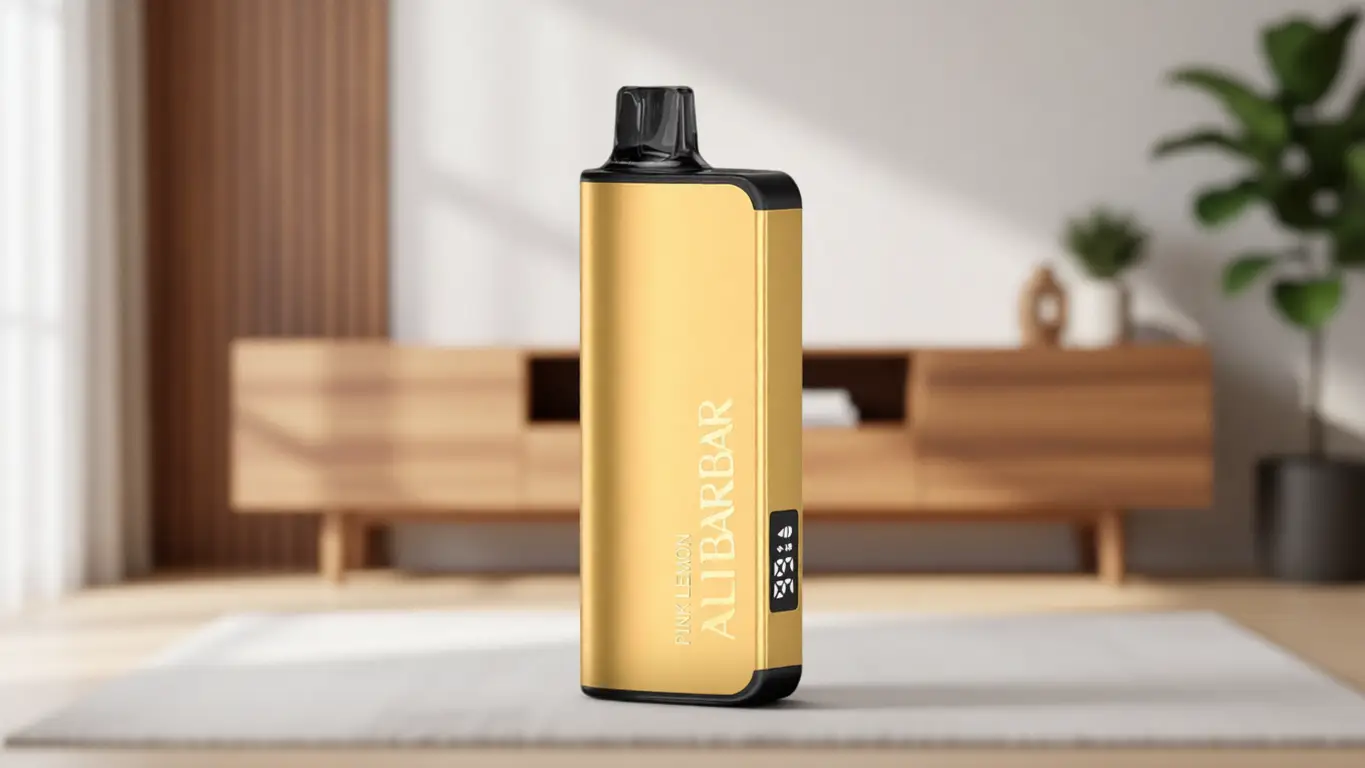
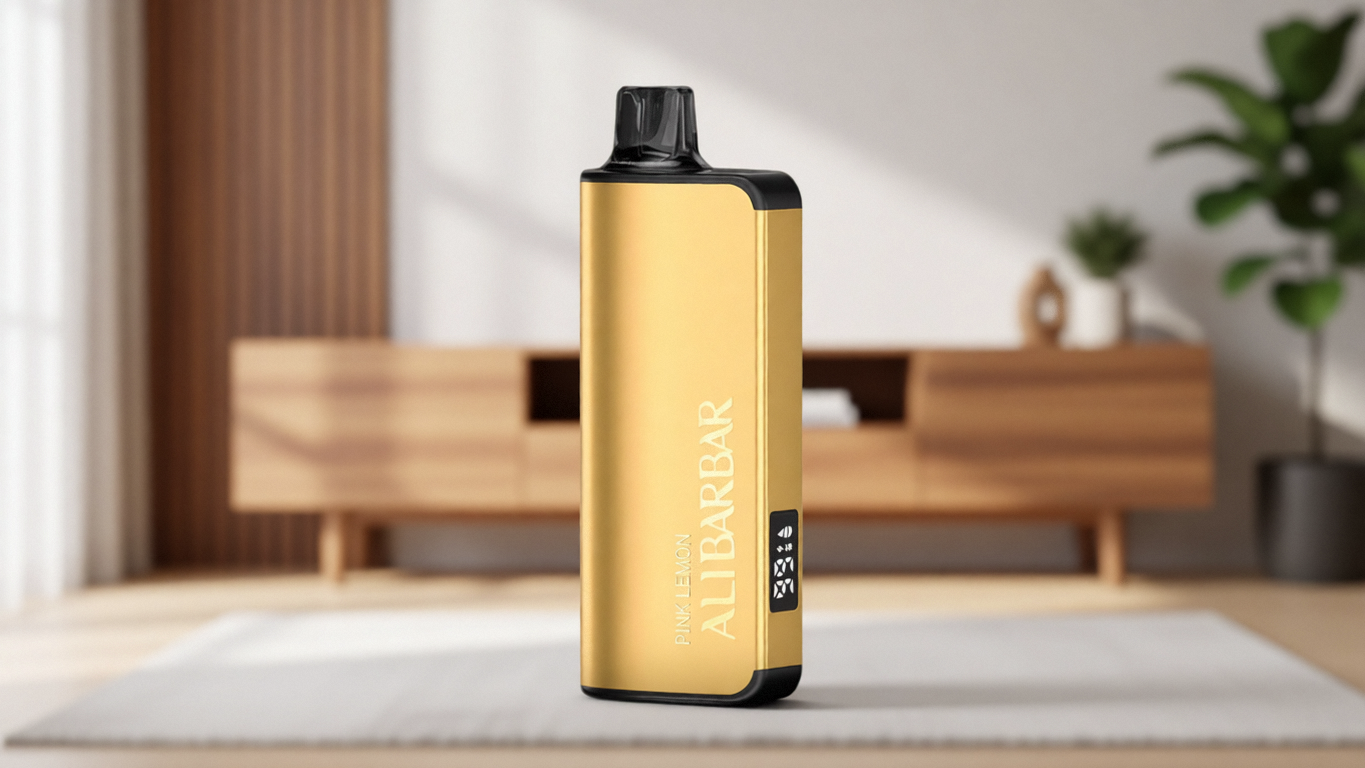
This is where predictable engineering becomes relevant. ALIBARBAR devices, such as the INGOT 9000 or Ice Adjust 12000 series, employ a calibrated power management architecture that keeps the heating element within a defined thermal window for the full rated cycle. There is no aggressive power spike as the cell depletes, and the output volume per draw remains remarkably uniform. For a user concerned with minimising unknown variables during a fast, that predictability translates into fewer variables to second-guess.
Status Transparency and Dosing Cadence
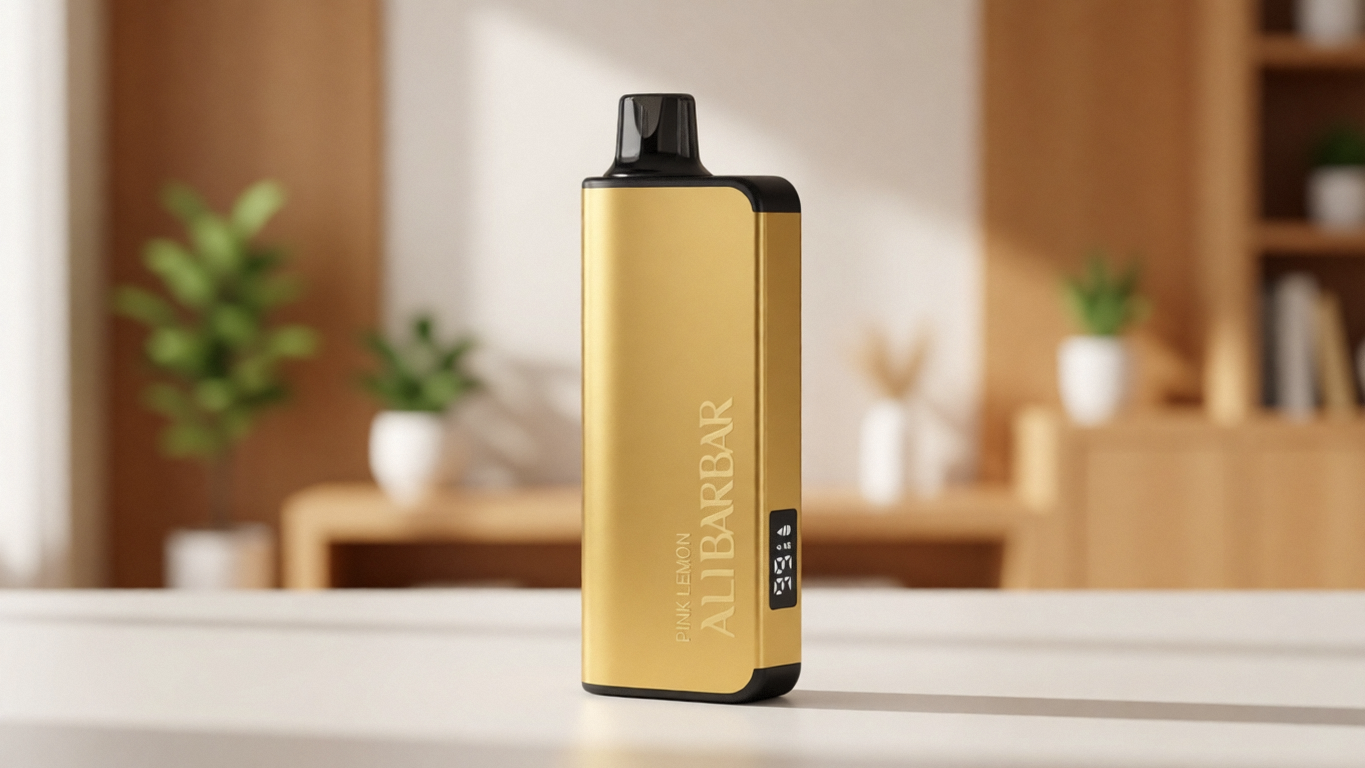
During a fast, especially a long one, the user might intend to use the device only sparingly. Devices with ambiguous status indication force the user to guess how much capacity remains, increasing the probability of carrying an extra unit or overusing a unit that is about to expire. ALIBARBAR products across the range include clear status feedback — either through a digital display on the INGOT 15000 or through visible monitoring windows on other models — so the user knows exactly when the device is nearing its end. This is a small thing, but it removes a mental load at a time when the mind is already focused on restraint.
Material Integrity and By-Product Minimisation
Device mouthpieces, internal seals, and wicking materials that degrade under extended use can introduce microscopic particulates into the aerosol stream. While these are not “caloric,” they represent a potential source of endotoxins or irritants that do not belong in a system deliberately kept clean of exogenous inputs. ALIBARBAR’s selection of food-grade thermal plastics and medical-grade stainless steel for critical components is not an aesthetic choice; it is a reliability measure that reduces the probability of material breakdown before the device’s rated life is exhausted.
OZVAPE Shop stocks the full current ALIBARBAR catalogue, all sourced through factory-authorised channels with documented batch provenance. For an adult who has already decided to vape during a fasting period, the difference between a well-regulated device and an inconsistent alternative is the difference between managing one variable and managing many.
A Practical Framework for Evaluating Whether Vaping Breaks Your Fast
Rather than offer a single ruling that cannot apply to all protocols, the following framework allows an individual to make a structured, defensible decision.
Define the fast’s purpose explicitly.
Is it:
Weight loss through caloric restriction?
Insulin sensitivity restoration?
Autophagy maximisation?
Religious obligation?
A test of discipline?
Write down the answer, because it will govern everything that follows.
List what you are willing to permit.
For example: water, black coffee, plain tea, unsweetened electrolytes. Then ask: is an inhaled aerosol categorically different from a beverage? If your protocol permits only transparent fluids, then vapour may not qualify.
Examine the specific liquid you will use.
Does it contain sweeteners? If yes, can you source an unflavoured or flower-only preparation?
What is the PG/VG ratio? High-VG liquids produce thicker aerosol but are not necessarily more caloric per draw.
Is the nicotine concentration matched to your level of restraint? Higher nicotine can suppress appetite, which may or may not be desirable.
Evaluate the device’s consistency.
Does the device have a proven record of stable output across its duty cycle?
Can you verify that the wicking material does not scorch under normal use?
Is the device’s remaining capacity visible or reported, so you can throttle your intake intentionally?
Run a single-session test, not during a critical fast.
Take a day when you are not fasting, or do it in the fed state, and note how you feel after inhaling the vapour: any change in appetite, alertness, or throat comfort. Extrapolating to the fasted state is imperfect, but it gives a baseline.
Introduce the vape into one fasting window and record all subjective and objective markers.
For instance, measure blood glucose with a finger-prick meter before and after a 15-minute draw session, or monitor ketone levels if relevant. The absence of a spike does not prove zero effect, but a clear spike is enough to reconsider.
The utility of this framework is that it places the locus of control back with the user. It does not assume that all devices or all liquids are equal — and that is precisely why a trusted sourcing channel like OZVAPE Shop, where the ALIBARBAR range is documented and verifiable, helps close the loop.
Common Selection Errors and Industry Observations
Even experienced consumers make systematic errors when trying to align vaping with fasting. The following are drawn from direct customer feedback and from observation of wider user forums.
Assuming all liquids are “zero-calorie” and therefore irrelevant.
While the caloric contribution from VG is negligible (less than 1 kcal per hundred draws), the metabolic effect of flavour compounds is not solely about calories. Sucralose and other sweeteners can bind to taste receptors in the gut as well as the mouth, influencing GLP-1 secretion. The science is not settled, but the assumption of total inertness is unsafe.
Overlooking device degradation as a source of non-caloric contaminants.
As a coil accumulates residue, the vapour chemistry shifts. Acrolein and formaldehyde can form from glycerol pyrolysis, even at temperatures within the typical operating range. These compounds represent toxicological, not metabolic, interference, but for someone fasting to give the body a rest from exogenous chemicals, a poorly maintained device defeats the purpose.
Using nicotine as an appetite suppressant without accounting for its circadian effect.
Nicotine is a stimulant that can delay sleep onset if used close to bedtime. Poor sleep, in turn, raises cortisol and impairs glucose tolerance the next morning — which may partially undermine the benefits of a fast performed for insulin sensitivity. Timing of use matters, and devices with reliable, metered delivery enable better timing control.
Confusing “harm reduction” with “fasting compatibility.”
A device that is engineered to minimise harmful by-products compared to other inhalation methods is not automatically “fasting safe.” The metric for fasting is metabolic impact, not toxicological risk. The two are independent dimensions.
From an industry standpoint, manufacturers like ALIBARBAR have begun to invest heavily in closed-system, factory-sealed devices precisely because they reduce the variability that leads to user error. When the liquid, coil, and power curve are locked by design, the user is left with just one decision — when and how much to inhale — instead of also managing coil priming, power adjustment, and liquid selection. This is a design philosophy that serves the fasting user without being explicitly marketed as such.
Frequently Asked Questions
Q: Does vaping plain VG/PG liquid break an intermittent fast?
A: In terms of caloric intake, no. The fraction of a gram of VG inhaled delivers less than one calorie, which is unlikely to disrupt a fast. However, the sweet taste of VG (vegetable glycerin has a natural sweetness) could trigger a minor cephalic insulin response in sensitive individuals. For strict insulin control, an unflavoured, unsweetened liquid with a higher PG ratio may be preferable, as PG is not sweet.
Q: Can I vape during Ramadan or other religious fasts?
A: This is a theological question, not a physiological one. Many Islamic scholars consider that vaping, like smoking, invalidates the fast because it introduces particles into the body through a deliberate inhalation. Others draw a distinction based on whether the substance reaches the stomach. You should consult a qualified religious authority for a ruling.
Q: Will nicotine break autophagy?
A: There is no direct evidence that nicotine alone, in the absence of calories, halts autophagy. Autophagy is primarily regulated by nutrient and energy sensing pathways (mTOR, AMPK). Nicotine might indirectly affect these through sympathetic activation, but the effect is probably small. Most researchers consider a water-only fast with black coffee to still be autophagy-promoting; adding nicotine is analytically similar.
Q: How can I verify that my device isn’t overheating and degrading the liquid?
A: Look for a device with documented thermal regulation, like the ALIBARBAR range, which maintains a consistent output temperature across its entire charge cycle. Avoid devices that lack any status feedback or that get noticeably hot during use (beyond gentle warmth). An inconsistent device will often produce an acrid, metallic aftertaste when the liquid is degraded — a sign to stop.
Q: Does flavouring without sweeteners affect a fast?
A: Limited data exists, but flavour molecules that are not sweeteners (like esters, terpenes, and menthol) do not generally interact with sweet receptors. Menthol, for example, acts on cold-sensitive TRPM8 channels, not on T1R2/T1R3 sweet receptors, so it is unlikely to trigger insulin. However, some flavour compounds might be metabolised by the liver; the amounts are trace, so the physiological disturbance is minimal.
Q: Is it better to use a disposable or a refillable device during a fast?
A: This depends on which architecture gives you more consistency. Factory-sealed, pre-filled systems (like the ALIBARBAR INGOT series) remove the variables of self-filling — no uncertainty about liquid composition, no risk of coil flooding, and no unintended power drift. If you prefer refillable devices for cost or waste reasons, ensure you use the same liquid every time and keep the coil in good condition. For fasting purposes, predictability is paramount.
Q: Can dehydration from vaping break a fast?
A: Dehydration itself does not “break” a fast in the metabolic sense, but it can make the fast more uncomfortable and increase the risk of headaches or lightheadedness. Since PG and VG are hygroscopic, it is wise to increase water intake slightly if you vape during a fasting window — as long as the fast permits water.
Q: How does OZVAPE Shop help me choose a reliable device?
A: OZVAPE Shop provides standardised specifications for every ALIBARBAR device, including battery capacity, rated puff count, and output consistency data. All stock is sourced from authorised distributors and can be traced to factory batches. This transparency allows you to select a device with confidence, knowing that the unit you receive will perform within documented parameters, which is particularly important if you are monitoring your intake closely during a fast.
Q: What if I accidentally inhale a burnt hit while fasting?
A: A single burnt draw introduces unpleasant compounds but does not provide calories, so it does not break a caloric fast. However, it does introduce potential inflammatory irritants. If the goal of your fast includes gastrointestinal rest or systemic detoxification (a term used loosely), it is a negative. This is why a device with reliable thermal management is worth the investment.
Conclusion
The question “does vaping break a fast” does not resolve to a yes or no, because fasting is an umbrella that shelters wildly different objectives. A caloric fast remains intact with almost any vape use. An insulin-focused fast might be nudged by sweet flavour compounds. A religious fast is defined by doctrine, not by physiology. And a dry fast prohibits even the moisture-drawing effect of an inhaled aerosol.
What this means, practically, is that the responsibility for the answer lies with the user’s own clarity of purpose and willingness to eliminate unnecessary variables. When the device is inconsistent, when the liquid contents are unknown, when the thermal curve is erratic, even a well-intentioned effort becomes hard to assess. By contrast, when the device — such as one from the ALIBARBAR range, sourced through a documented channel like OZVAPE Shop — produces stable, clean aerosol with transparent status reporting, the user can isolate the remaining variables and make a call that is educated, not improvised.
In the end, the most important act is not picking the right device or liquid; it is writing down what the fast is for, and then holding every subsequent decision against that standard. The right product is the one that introduces the fewest excuses for doubt.