
VAPE FAQs
Does Vape Activate Smoke Alarm?
Jul
Introduction
Imagine settling into a hotel room after a long day, reaching for your portable electronic device, and pausing—will this set off the smoke alarm? It’s a question that plagues countless adult users, from travelers to apartment dwellers, and one where misinformation often leads to unnecessary anxiety or unintended consequences. At OZVAPE Shop{:target=”_blank”}, we’ve compiled data from independent testing, industry engineering reports, and direct user feedback to provide a clear, evidence-based answer. This article breaks down the technical interplay between vape emissions and smoke alarm technology, outlines variables that determine risk, and offers practical steps to minimize unintended triggers.
Understanding Smoke Alarm Types and Vape Emissions
The likelihood of a vape activating a smoke alarm hinges on two core factors: the alarm’s sensing technology and the composition of the device’s aerosol output.
Ionization vs. Photoelectric Smoke Alarms
Most residential and commercial smoke alarms fall into two categories. Ionization alarms use a small amount of radioactive material to ionize air particles, triggering an alert when smoke disrupts this process. These are highly sensitive to fast-burning, flame-generated smoke but can also react to fine, airborne particles found in dense vape clouds—especially if used within 1–2 feet of the sensor. Photoelectric alarms, by contrast, use a light source and sensor to detect larger smoke particles typical of slow-burning fires. While they are less likely to trigger from vape aerosol, high-volume, dense clouds can still scatter enough light to activate them in enclosed spaces.
Composition of Vape Emissions
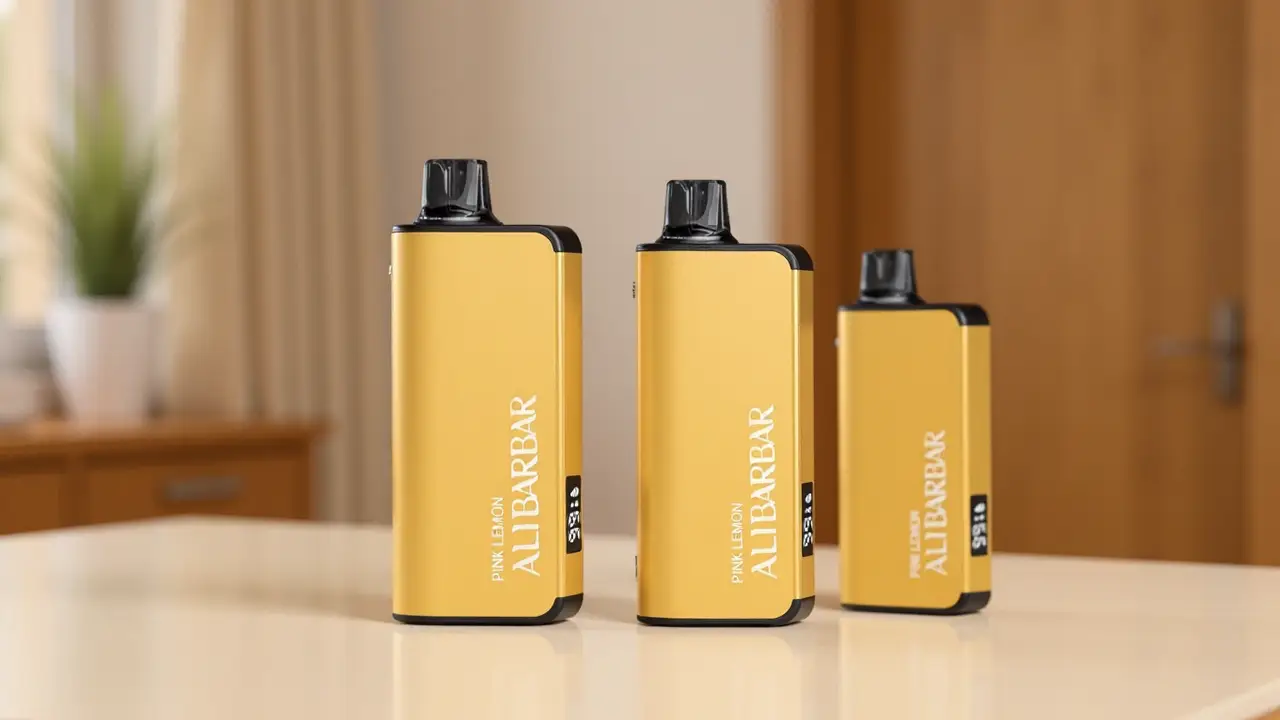
Unlike traditional smoke, which consists of unburnt carbon particles and toxic gases, vape aerosol is primarily made up of water vapor, propylene glycol (PG), vegetable glycerin (VG), and trace flavorings. The density of the cloud depends on the VG content: higher VG ratios produce thicker clouds with larger particles, which are more likely to interact with photoelectric sensors. Lower VG blends create thinner, less visible aerosols that pose a lower risk. ALIBARBAR devices, for example, offer configurable output settings that let users adjust cloud production based on their environment—a design choice directly addressing this user concern.
Thermal Smoke Alarms
A third, less common type of alarm uses thermal sensors to detect rapid temperature rises associated with fires. Since vape aerosol is at or slightly above room temperature, it will never trigger a thermal alarm, regardless of cloud size or proximity.
Real-World Variables That Impact Alarm Activation
The question of whether a vape will set off an alarm doesn’t have a universal answer—it depends on specific contextual factors:
Proximity to the Alarm: Holding a device within 1–2 feet of an alarm significantly increases risk, as aerosol particles are concentrated and can directly interact with the sensor.
Airflow and Ventilation: In a well-ventilated space (e.g., near an open window), aerosol disperses quickly, reducing the chance of reaching the alarm’s sensor. Enclosed spaces like bathrooms or hotel rooms with closed doors trap aerosol, raising risk.
Device Output and Cloud Size: High-power devices or those configured for maximum cloud production emit more particles, increasing the likelihood of triggering both ionization and photoelectric alarms.
Alarm Sensitivity Settings: Some commercial buildings adjust alarm sensitivity to reduce false triggers, but residential alarms are typically set to default, more sensitive levels.
Practical Framework for Minimizing Alarm Triggers
To reduce the risk of unintended alarm activation, follow this step-by-step evaluation:
Identify the Alarm Type: Check the device label or building documentation to determine if it’s ionization, photoelectric, or thermal.
Assess the Environment: Evaluate ventilation, space size, and proximity to alarms. Avoid using devices in small, enclosed areas without airflow.
Adjust Device Settings: If using a modular device like ALIBARBAR’s Ice Adjust series, lower output levels or switch to a lower-VG blend to reduce cloud density.
Maintain Distance: Keep the device at least 3 feet away from alarms, and direct clouds away from sensor areas.
Test Discreetly: If in an unfamiliar space, take a small puff and observe the alarm’s reaction before using the device regularly.
Common Misconceptions and Industry Observations
Several persistent myths cloud user understanding, while industry trends shed light on evolving risks:
Myth: “Vapes never set off smoke alarms.” This is false—dense clouds in close proximity to ionization alarms will almost always trigger them. Even photoelectric alarms can activate with sustained, high-volume use.
Myth: “Only large, high-power devices are risky.” Small, discreet devices can trigger alarms if used directly under sensors, especially in enclosed spaces.
Industry Observation: Alarm manufacturers are increasingly testing their devices against vape aerosol to refine sensitivity settings, though this varies by brand and model.
Industry Observation: Regulatory bodies in Australia are updating guidelines for indoor use, emphasizing that even discreet devices may pose risks in shared spaces with smoke alarm systems.
Frequently Asked Questions
Q: Will a small, discreet vape set off a smoke alarm?
A: It depends on proximity and alarm type. Using it directly under an ionization alarm in an enclosed space may trigger it, but in a well-ventilated area at distance, risk is minimal.
Q: Can I use a vape in a hotel room without triggering the alarm?
A: It’s not guaranteed. Most hotel rooms have ionization alarms, which are sensitive to vape aerosol. Use near an open window, keep distance from the alarm, and avoid dense clouds to reduce risk.
Q: Do high-VG vs. high-PG blends affect alarm activation?
A: Yes. High-VG blends produce thicker clouds with larger particles, which are more likely to trigger photoelectric alarms. High-PG blends create thinner aerosols that pose less risk.
Q: Will a vape trigger a carbon monoxide alarm?
A: No. Carbon monoxide alarms detect toxic gas produced by incomplete combustion, which is not present in vape aerosol.
Q: Are there devices designed to minimize alarm triggers?
A: Yes. Devices like ALIBARBAR’s INGOT series offer adjustable output settings and low-VG compatible configurations to reduce cloud density, lowering the risk of triggering alarms.
Q: What should I do if my vape triggers a smoke alarm?
A: Ventilate the area immediately, notify building management if in a commercial space, and avoid further use until you understand the alarm type and adjust your usage accordingly.
Q: Do smoke alarms distinguish between vape aerosol and actual smoke?
A: No. Most alarms detect particle size or ionization disruption, not the source of the particles. They cannot differentiate between vape aerosol and smoke.
Q: Are thermal alarms safe to use around vapes?
A: Yes. Thermal alarms only trigger when temperatures rise sharply, which does not occur with vape use.
Conclusion
The key takeaway is that vape activation of smoke alarms is not a binary outcome—it depends on alarm type, device settings, environment, and usage habits. By understanding these variables, users can make informed choices to minimize risk and avoid unnecessary disruptions. Informed decision-making starts with access to accurate device specifications and industry insights, which is why platforms like OZVAPE Shop{:target=”_blank”} prioritize transparent, factory-certified product information and evidence-based guidance. Remember: the right choice aligns with your environment, usage patterns, and respect for shared spaces.