
VAPE FAQs
Does A Thc Vape Get You High?
Sep
It’s a question that brings both curiosity and confusion: does a THC vape get you high? The short answer is yes. The longer answer is more important. The device you use to vaporise any substance has a direct impact on consistency, safety, and experience — and the market for these devices is filled with assumptions that don’t hold up under real‑world use. This article explains the pharmacological reality behind THC inhalation, then turns to a rarely discussed truth: the hardware you choose is often the difference between a predictable outcome and a frustrating one. At OZVAPE Shop, we focus on factory‑certified electronic devices engineered for adult users who value reliability, even though we do not sell or endorse THC products. Understanding how device design affects any vapour‑based experience makes you a more informed consumer across the board.
Understanding What Matters: Core Engineering and Design Factors
Before exploring how THC interacts with the body, we need to look at the platform that delivers it. Whether the substance is a legally regulated botanical extract or a nicotine formulation, the device itself is a miniature thermal processor. Its design directly controls output stability, energy efficiency, and user feedback. Below are the four engineering considerations that separate trustworthy hardware from the generic.
Internal Architecture and Output Consistency
Most people judge a device by how it performs in the first session. A product analyst looks at what happens on the 200th activation. Heating element configuration — whether a single‑wire coil, a mesh array, or an enclosed conduction chamber — determines how evenly the active material is heated and whether output degrades as the power cell drains. In poorly engineered devices, thermal drift sets in early: the same draw that felt balanced becomes harsh or weak. This matters even more with THC, where precise temperature control can influence the release profile of cannabinoids. When you see a device that maintains a flat performance curve deep into its charge cycle, it’s usually because the manufacturer invested in thermal modelling, not just cost‑cut componentry.
Power Management and Status Transparency
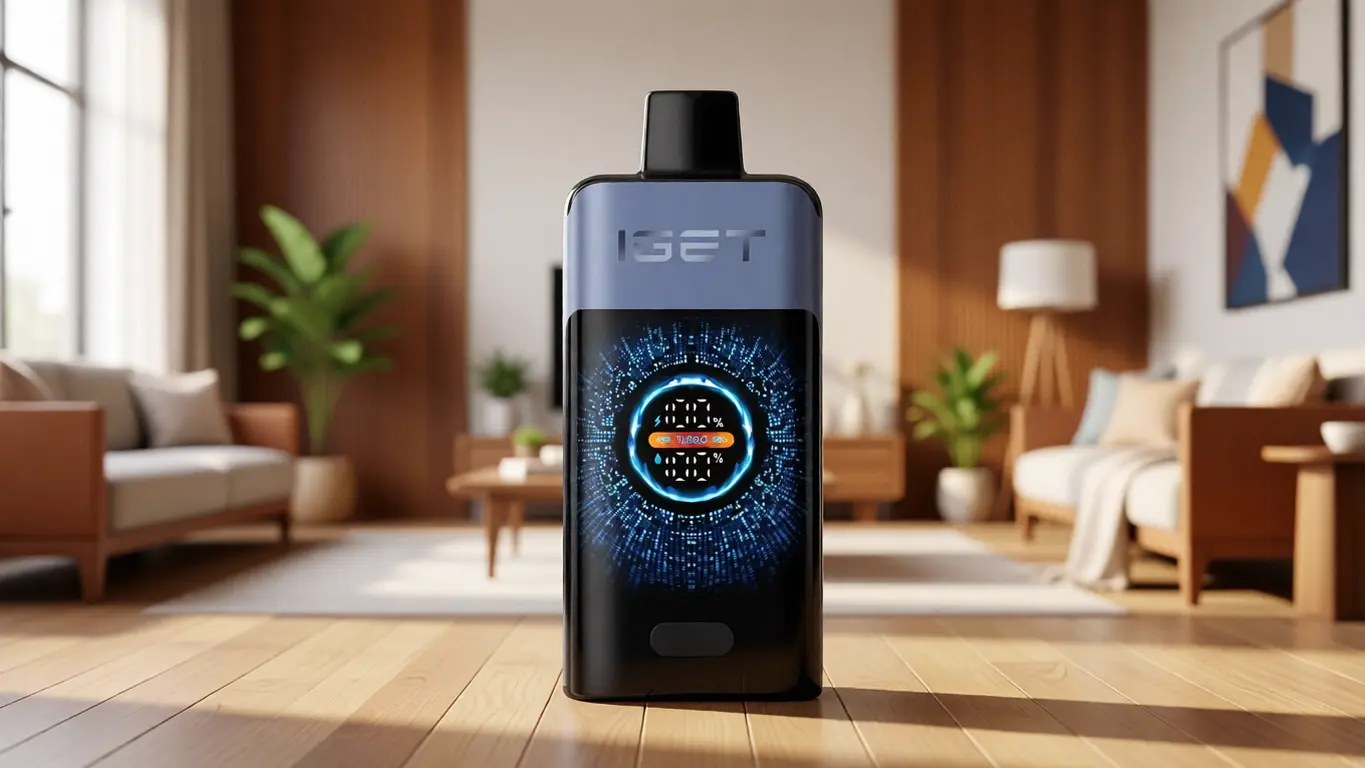
A device that dies without warning forces its owner to carry a backup. An ambiguous indicator light that blinks in three indistinguishable patterns creates uncertainty. Good power management means a regulated output circuit that doesn’t sag, paired with a clear, glanceable status display. For someone relying on a device for medical or recreational consistency, knowing exactly how much operational life remains is not a luxury — it’s a baseline. The hidden cost of status ambiguity is over‑purchase and the anxiety of suddenly being without.
Physical Design and Material Durability
Surface finish isn’t just about looks. A device that lives in a pocket, bag, or centre console encounters abrasion, moisture, and impact. Soft‑touch coatings can peel; cheap anodising fades and scratches. In contrast, a well‑machined chassis with a hardwearing electroplated finish stays presentable through hundreds of cycles. The mouthpiece contour also matters: a poorly radiused edge creates fatigue during prolonged use, while a thoughtfully sculpted tip stays comfortable. These details sound minor until you’ve lived with a device that annoys you every day.
Modularity and Lifecycle Flexibility
Sealed disposable units are convenient, but they come with a hard end‑of‑life. Rechargeable systems reduce waste and lower cost‑per‑use, while replaceable‑component architectures let users swap out a worn power cell or atomiser without discarding the entire device. The design choice isn’t about which is “best” — it’s about which matches your priorities: upfront simplicity, long‑term economy, or maximum control. A modular device can evolve with your needs; a sealed one asks you to start over completely.
Applying These Criteria to Real‑World Options
The ALIBARBAR range, available through OZVAPE Shop, illustrates what happens when engineering discipline is applied across a product family. Take the INGOT 15000: its mesh‑style heating element maintains a consistent vapour profile deep into its charge cycle, and the large‑capacity design means fewer interruptions. The Ice Adjust 12000, meanwhile, offers variable output control — a feature that lets the user fine‑tune intensity without changing the substance. This level of control is especially valuable for anyone who needs predictable, repeatable results from their device, regardless of what is being vapourised.
Of course, other manufacturers offer similar features. What sets a well‑curated channel like OZVAPE Shop apart is that all inventory is factory‑certified, meaning the unit you order matches the unit that was tested. In a market where copies and grey‑market goods are common, that certification is a tangible form of trust. The ALIBARBAR family also includes compact sealed units for users who prioritise pocketability, and more robust modular designs for those who want lifecycle flexibility. The common thread is transparency: every device states its rated capacity, charging protocol, and material composition unambiguously.
A Practical Framework for Evaluation
If you’re assessing any vapour delivery device — regardless of the substance it’s designed for — use this step‑by‑step methodology. It works just as well for a THC vaporiser as for a nicotine delivery system.
Check the thermal architecture. Does the product literature describe the heating element type and temperature range? Vague language (“advanced heating”) is a red flag.
Test status feedback. Turn the device on and off. Is the indicator clear, unambiguous, and visible in daylight? If not, budget for a backup.
Examine finish and seam quality. Look at product photography or floor samples. Are there visible injection‑moulding seams? How does the surface feel after one minute of handling?
Confirm certification. If you’re buying online, can the retailer provide documentation that the device is authorised? OZVAPE Shop, for instance, offers a factory‑certified guarantee on every ALIBARBAR unit — this eliminates the guesswork.
Weigh lifecycle cost. Add up purchase price, replacement components, and expected operational life. A cheap sealed device that lasts a week can be more expensive annually than a rechargeable unit that lasts a year.
Use this framework with any device category. The goal is to stop relying on packaging claims and start reading the engineering.
Common Selection Errors and Industry Observations
Observing the market from a product‑analyst perspective reveals repeated patterns of user error. These aren’t due to lack of intelligence but to lack of clear information.
Overweighting one specification. Many buyers fixate on total claimed puff count while ignoring power regulation. A 15,000‑puff device with inconsistent output is less valuable than a 9,000‑puff device that delivers evenly from start to finish. The ALIBARBAR INGOT 9000, for example, prioritises stable output over a vaunted number — a trade‑off that benefits actual daily use.
Assuming visual similarity equals equivalent internals. Two devices that look identical on a shelf may contain completely different battery management systems, coil architectures, and firmware. This is why source verification matters. Parallel imports and unlicensed reproductions often use lower‑grade materials that affect both longevity and safety.
Undervaluing modularity in cost‑per‑use calculations. A non‑rechargeable unit feels cheap upfront. Over six months, a mid‑priced rechargeable model can halve your cost. Modular devices that allow battery swaps extend this further, yet many buyers still treat them as premium‑only options rather than long‑term value plays.
Confusing category terminology with technical specifications. Terms like “advanced mesh” or “smart chip” are marketing, not engineering. Real technical specs include materials, power output in watts, and cycle‑life ratings. When a brand won’t publish these, they’re asking you to buy on faith.
From an industry perspective, the push toward higher capacities and more compact form factors is driving innovation in battery chemistry and thermal management. Factories that invest in true R&D — not just assembly — are producing devices with flatter discharge curves and more robust safety cutoffs. This is the kind of progress that benefits all users, whether they’re vaporising nicotine, CBD, or THC in jurisdictions where it is legal.

Frequently Asked Questions
Q: Does a THC vape get you high?
A: Yes. THC (tetrahydrocannabinol) is a psychoactive compound that, when heated and inhaled, enters the bloodstream and crosses the blood‑brain barrier, producing a range of cognitive and physical effects typically described as a “high.” The intensity depends on dose, individual tolerance, and device efficiency.
Q: Is it legal to use a THC vape in Australia?
A: Laws vary by state and territory. As of this writing, recreational cannabis remains largely illegal, though medicinal cannabis with a prescription is permitted in certain circumstances. You must check local regulations. OZVAPE Shop does not sell or endorse any THC‑containing products.
Q: Can I use a regular vape device for THC?
A: Devices are engineered for specific substance formats — e‑liquid, oil, wax, or dry herb. Using the wrong format can damage the device and create safety risks. Always use a device designed and rated for the material you intend to vapourise.
Q: How do I verify that an ALIBARBAR device from OZVAPE Shop is genuine?
A: Every ALIBARBAR unit we ship includes a unique verification code on the packaging. You can cross‑check this code with the manufacturer’s database. Our inventory is sourced exclusively from authorised distribution chains, and we provide a factory‑certified guarantee.
Q: What is the typical operational life of an ALIBARBAR INGOT 15000?
A: Under standard lab testing, the INGOT 15000 is rated for approximately 15,000 activations. Real‑world longevity depends on draw duration, charging habits, and storage conditions. The device features status indicators to alert you when power is low.
Q: Are rechargeable devices more economical than single‑use ones?
A: Generally, yes. A rechargeable device with a long‑cycle battery reduces per‑session cost and electronic waste. Modular designs that allow battery replacement extend this further. We encourage users to calculate total cost over three to six months, not just the upfront price.
Q: What should I do if my device stops working within the stated lifespan?
A: Contact OZVAPE Shop’s support team with your order details. We maintain a post‑purchase support system that evaluates each case on its merits. Factory‑certified devices are covered by our accountability commitment.
Q: Why does device consistency matter so much?
A: Inconsistent output can lead to under‑ or over‑delivery of active compounds. For anyone depending on a precise, repeatable experience — whether for medical reasons or personal preference — variation is unacceptable. Quality engineering reduces that variation.
Q: How do I choose between a high‑capacity device and a compact one?
A: List your daily routine. If you need a device that lasts an entire weekend without attention, a high‑capacity unit like the INGOT 15000 fits. If weight and discretion are paramount, a smaller sealed unit from the ALIBARBAR range may be more appropriate. There is no universal best, only the best for your actual pattern.
Q: Does OZVAPE Shop ship to all Australian states?
A: We ship to most Australian states where our products are legally permissible. During checkout, you will see available shipping options. Our logistics team ensures discreet, secure packaging and provides tracking on every order.
Conclusion
The question “does a THC vape get you high” has a clear pharmacological answer, but the more important conversation is about the device. A THC vape is only as reliable as the hardware it runs on. Poor thermal control, weak power management, and ambiguous feedback ruin the experience — and in some cases, pose real risk. The same engineering principles that make an ALIBARBAR device a trustworthy choice for nicotine delivery also apply to any platform that demands consistent, controlled vapourisation.
At OZVAPE Shop [external link], we don’t deal in THC products. We deal in transparency — factory‑certified inventory, clear specifications, and a local support team that answers questions honestly. If you’re navigating the fragmented world of personal electronic devices, choosing a channel that respects your intelligence and prioritises genuine E‑A‑T is the smartest first move. The right device for your routine is the one that matches your actual daily demands, not the one that shouts the loudest from a shelf.