
VAPE FAQs
Do Smoke Detectors Pick Up Vape?
Sep
A quiet hotel room, a long flight connection, a rental apartment with strict rules — and that small, circular sensor on the ceiling watching the air. The question arrives with every new device that enters a user’s routine: Will this set off the smoke detector? The answer is rarely a simple yes or no, because smoke detectors are not designed to detect anything called “vape.” They are engineered to respond to specific physical and chemical changes in the surrounding air, and understanding whether vaping aerosol triggers them requires an honest look at how these sensors actually work. At OZVAPE Shop, we believe that clarity about such everyday practicalities is part of responsible product knowledge. This article separates myth from mechanism, so you can make informed choices regardless of the device you hold or the room you stand in.
How Smoke Detectors Actually Sense the Air
Most residential and commercial smoke detectors fall into one of three technology categories, and they react to vapour — or fail to react — in very different ways.
Ionisation Detectors: Small Particles, Fast Response
Ionisation alarms contain a tiny amount of radioactive material between two electrically charged plates, creating a constant small current. When smoke particles enter the chamber, they attach to ions and disrupt the current, triggering the alarm. These detectors are extremely sensitive to the small, sub‑micron particles produced by fast, flaming fires. The aerosol generated by personal electronic devices consists primarily of propylene glycol and vegetable glycerin droplets, which generally measure between 0.1 and 0.3 microns — right in the range that ionisation chambers notice. In practice, however, ionisation detectors are gradually being phased out in many jurisdictions due to environmental concerns and their tendency to generate nuisance alarms from cooking. If you encounter one in an older building, dense vapour exhaled at close range stands a reasonable chance of disturbing the ion flow enough to sound the alarm.
Photoelectric Detectors: Light Scattering and False Triggers
Photoelectric (optical) smoke detectors work on a different principle: a light source shines into a sensing chamber, and a photosensor positioned at an angle measures scattered light. When particulate matter drifts into the chamber and scatters the beam, the sensor sees the light and the alarm activates. These detectors respond best to larger particles from smouldering fires, but they are also famously sensitive to any dense aerosol — steam from a shower, airborne dust, cooking grease, and yes, the visible cloud from a high‑output personal device. The optics of a photoelectric detector do not discriminate between smoke and glycerin‑based aerosol; if the particle concentration is enough to scatter the beam beyond the factory‑set threshold, the alarm will sound. Most modern hotels, offices, and public buildings now favour photoelectric or dual‑sensor units, which means the detectors you are most likely to encounter where you travel or work are precisely the type that may respond to dense vapour.
Heat and Multi‑Sensor Detectors
Heat detectors are triggered by a rapid rise in temperature or by reaching a fixed temperature threshold. They are entirely insensitive to particulate matter, so no form of vapour from a personal device will ever activate one. These are commonly found in kitchens and some industrial spaces, but rarely in hotel rooms or corridors. Multi‑sensor detectors that combine photoelectric and carbon monoxide sensors add another layer: the CO sensor will not react to vapour, but the optical chamber still can. Thus, a multi‑sensor unit remains as susceptible to aerosol interference as a standalone photoelectric model.
The Nature of Vapour Particles: Not Steam, Not Smoke
A common misunderstanding is that what users exhale is “water vapour” that dissipates harmlessly like steam from a kettle. The visible cloud is actually a condensed aerosol — millions of microscopic droplets of propylene glycol (PG) and vegetable glycerin (VG), plus trace flavouring compounds. These droplets have a high refractive index and scatter light efficiently, which is why the cloud is visible. Steam from boiling water comprises pure water molecules that condense into much smaller droplets and generally evaporate quickly. PG/VG aerosol droplets, by contrast, are larger, heavier, and linger in still air longer than many people assume.
For a photoelectric sensor, the key metric is not the chemical composition of the particles but their ability to scatter light. A dense cloud of glycerin droplets can scatter light just as effectively as the soot and oil particles from a smouldering sofa. Laboratory studies have shown that electronic cigarette aerosol can trigger residential photoelectric alarms at particle concentrations comparable to smoke from a low‑intensity fire. The practical takeaway is that the physical behaviour of the aerosol — not whether it is “smoke” — determines the outcome.
Real‑World Scenarios: When an Alarm Is Likely (and When It Isn’t)
Observing how detectors respond outside laboratory conditions helps bridge the gap between theory and daily experience.
Direct exhalation toward a photoelectric detector. This is the most reliable way to trigger a false alarm. Even a mid‑sized device producing a moderate cloud, exhaled straight at the sensor, can scatter enough light to cross the threshold almost instantly. In hotel rooms, where detectors are often placed centrally on the ceiling, this risk is higher in smaller spaces with low ceilings.
Normal room use with adequate ventilation. When vapour is allowed to disperse gradually in a larger volume, it dilutes below the concentration needed to trip an optical chamber. Users who exhale away from the detector — toward an open window, an air filter, or simply into the centre of the room — report far fewer incidents. Air circulation makes a significant difference; a ceiling fan or air conditioning unit that moves the air away from the sensor can prevent accumulation.
Bathrooms with the door closed. The combination of high humidity from a running shower and a small enclosed volume can create a risky environment, not because the vapour from the shower triggers the alarm (photoelectric detectors can respond to dense steam), but because the already elevated particle count lowers the threshold for additional aerosol. If you must use a device in such a space, it is safer before the shower humidity builds up.
Ionisation detectors and low‑output devices. Devices that produce less visible vapour, often those with lower power settings, are less likely to disturb ionisation chambers, especially if used several metres from the sensor. However, relying on this as a guarantee is unwise; detector calibration varies widely.
It is worth noting that the broader adoption of personal electronic devices has led to an uptick in nuisance alarms reported in hotel chains and managed residential buildings. This has prompted some facility managers to install even more sensitive photoelectric arrays, making the “vaping is invisible” assumption increasingly unreliable.
A Practical Framework for Reducing Nuisance Alarm Risk
Rather than guessing, you can apply a simple set of steps to almost any indoor environment.
Identify the detector type. A visual inspection of the smoke alarm casing often reveals the technology. A round, white sensor with no visible openings is likely a photoelectric unit. A detector labelled “ionisation” or bearing a radioactive symbol (a small trefoil) is increasingly rare. When in doubt, assume photoelectric — the most common type in public accommodation.
Evaluate the space. Small, sealed rooms with low ceilings are higher risk. Determine whether you can create cross‑ventilation or maintain distance from the sensor. A room with at least one open window and a fan reduces the statistical probability dramatically.
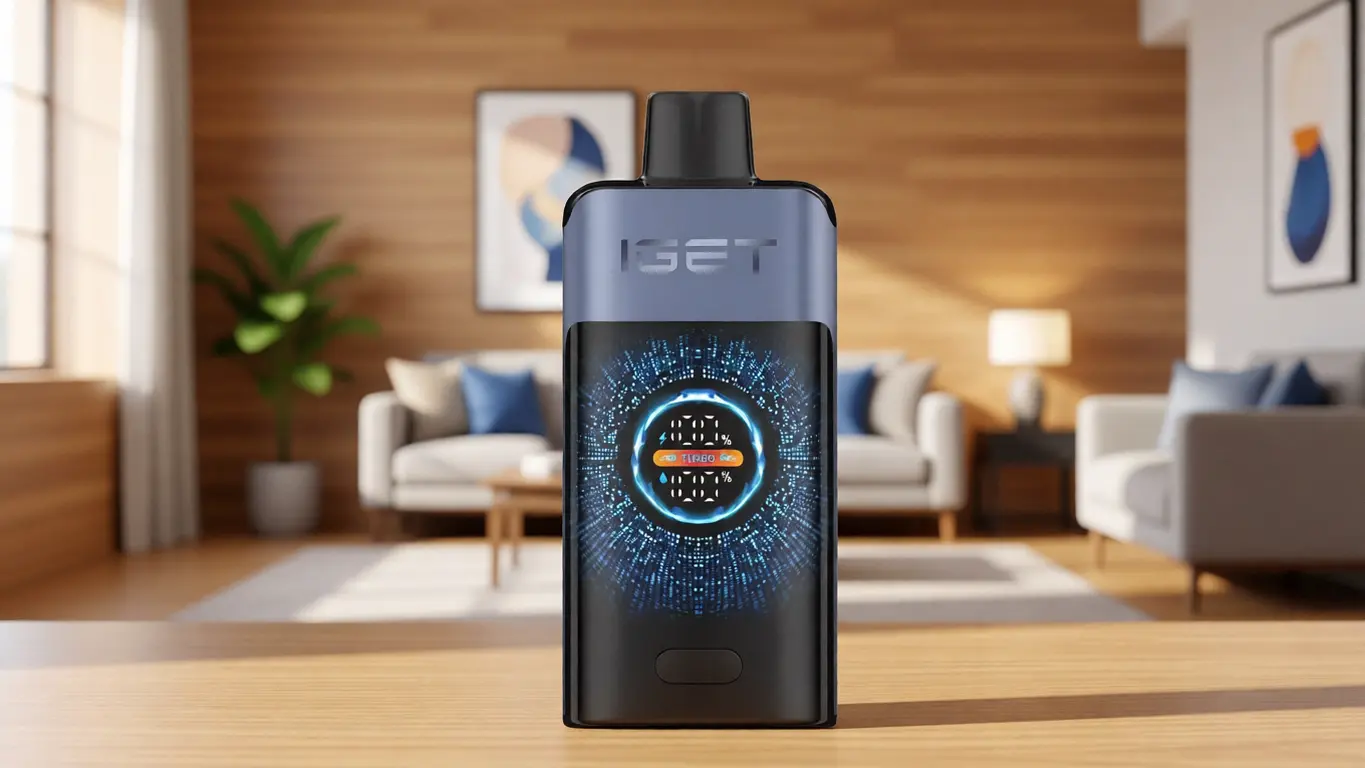
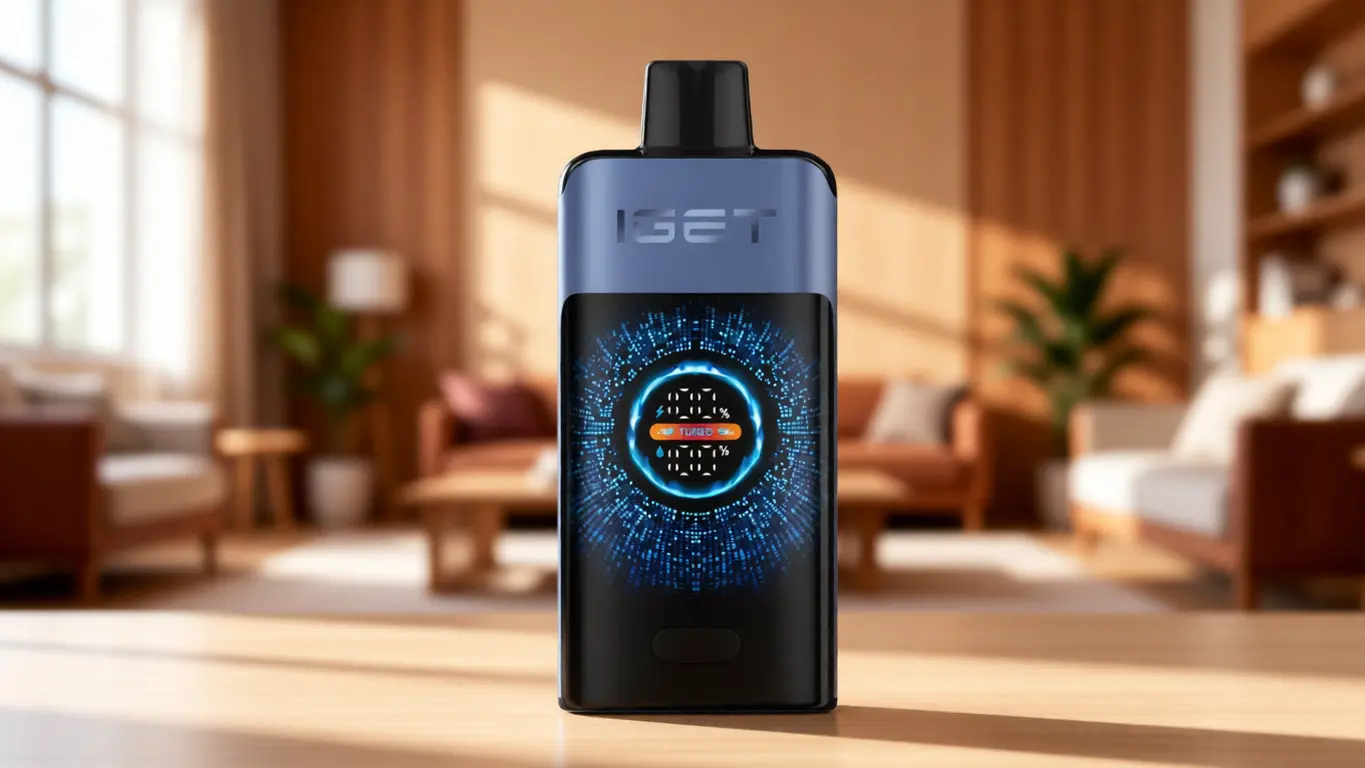
Control the device output. Devices with adjustable power or airflow allow you to reduce aerosol density. If you know you will be in an alarm‑sensitive environment, selecting a less power‑intensive device can be a prudent adjustment. Not every situation calls for maximum output. Users of devices from the ALIBARBAR range, for instance, may recognise that the INGOT 9000 series produces a different volume of visible aerosol compared to the larger capacity INGOT 15000; understanding those behavioural differences is part of conscientious device stewardship.
Direct vapour intelligently. Always exhale away from the detector, ideally toward the floor or an open window. Never blow vapour directly at the alarm — a point so obvious that it still bears repeating because alarm activations continue to happen this way.
Do not tamper with safety equipment. Covering a detector with a plastic bag or shower cap is a violation of fire safety regulations in every Australian state and territory, carries potential legal consequences, and — most importantly — removes the protection you and others rely on in a genuine emergency. No personal convenience justifies disabling a life‑safety device.
Misconceptions, Trade‑Offs, and Industry Observations
The gap between how users expect their devices to behave and how detection technology actually functions gives rise to several persistent misunderstandings.
“Vapour is just water, so it won’t set off a smoke alarm.” This is the most widely repeated — and most misleading — belief. Vapour from a personal device is not water; it is an organic compound aerosol. It scatters light, and that is what matters. The chemical difference between glycerin droplets and combustion soot is irrelevant to a photoelectric sensor.
“Only cheap detectors go off.” In truth, high‑sensitivity commercial‑grade detectors installed in modern buildings are more likely to trigger on aerosol than old, desensitised domestic units. The trend toward early‑warning photoelectric alarms in public spaces makes false activations from everyday aerosol sources more common, not less.
“If I can’t see it, it’s safe.” The visible cloud is only part of the particulate mass. Smaller, sub‑micron particles that you cannot see individually can still contribute to light scattering in a sensing chamber. Even if the exhaled plume appears to vanish quickly, residual particulate matter may linger in still air long enough to affect a nearby detector.
From an industry perspective, manufacturers of personal electronic devices do not certify their products for use near fire safety equipment, nor do they typically publish aerosol optical density curves that users could reference. This absence of data leaves consumers to rely on trial and error. The responsible approach is to treat every unfamiliar indoor space as potentially hostile to dense vapour until proven otherwise.
Frequently Asked Questions
Q: Will a vape device always set off a photoelectric smoke detector?
A: No. Activation depends on particle concentration at the sensor. With sufficient distance, dilution, and careful exhalation direction, many users avoid triggering alarms. There is no zero‑risk scenario, however.
Q: Can I vape in a hotel bathroom with the door closed?
A: The risks are elevated in a confined space, especially if steam from a shower has already increased humidity and particulate levels. If the bathroom contains a photoelectric detector (common in newer hotels), the probability of activation is higher than in a well‑ventilated bedroom.
Q: Do ionisation detectors still get installed in new buildings?
A: In Australia, ionisation alarms are being phased down in domestic settings due to disposal concerns and false alarm tendencies. Commercial construction increasingly specifies photoelectric or multi‑sensor units, making them the dominant type users encounter when travelling.
Q: Are some devices less likely to set off smoke alarms?
A: Devices with lower power settings and smaller aerosol output produce fewer light‑scattering particles per puff, which statistically reduces the chance of crossing a detector’s threshold. However, this is a relative reduction, not an absolute guarantee. Understanding a device’s typical output characteristics — information available through retailers such as OZVAPE Shop — can guide device selection for alarm‑sensitive environments.
Q: What should I do if I accidentally set off a hotel smoke alarm?
A: Notify the front desk immediately. Provide an honest explanation if asked; many staff are familiar with the situation. Do not attempt to disable the alarm or leave the room without reporting it, as this can create confusion and may violate the terms of your stay.
Q: Does the air quality sensor on an aeroplane detect vapour?
A: Modern aircraft lavatories are often equipped with particulate sensors separate from the standard smoke detection system. These sensors can detect aerosol particles and will alert the cabin crew. Tampering with or disabling any sensor on an aircraft is a federal offence. Discretion demands no device use whatsoever on board.
Q: Is there a way to test a detector’s sensitivity without setting it off?
A: There is no safe, practical way for a consumer to test a smoke detector’s aerosol sensitivity without risking activation. Visual inspection and awareness of the technology type must suffice.
Q: Can ventilation systems neutralise the vapour quickly enough?
A: Effective mechanical ventilation can dilute aerosol rapidly, especially in larger rooms. However, many hotel HVAC systems recycle a portion of the air and may not remove particulate matter as quickly as dedicated exhaust fans. Relying solely on air conditioning is unpredictable.
Knowledge Informs, Experience Confirms
The relationship between personal electronic devices and smoke detection systems is not a matter of chance but of simple physics. A photoelectric light‑scattering chamber, whether in a hotel, an office, or a shared living space, will respond to any particulate cloud dense enough to interrupt its beam. Understanding the detector type, managing aerosol output, and directing vapour away from the sensor stack the odds in your favour, but they do not alter the underlying principle.
The more you know about the devices you use — their output characteristics, their design philosophy, and the everyday environments they inhabit — the fewer unwelcome surprises you will encounter. At OZVAPE Shop, our aim is to make that knowledge accessible, not to push a product, but to help you navigate a landscape where the right technical detail can make the difference between a quiet evening and an embarrassing alarm. The wisest choice is always the one that matches your actual routine, the spaces you occupy, and the consideration you extend to the safety systems that protect everyone around you.