
VAPE FAQs
Can You Vape With Dentures?
Sep
One of the most quietly anxious questions in personal device use surfaces when the user wears full or partial dentures. It’s not asked loudly because the fear behind it is simple: Will this thing pull my plate loose, cause sore spots I’ll feel all afternoon, or leave me managing an embarrassing moment in company? The dental angle rarely shows up in specification sheets, yet for a significant number of adults, mouth comfort is the specification that matters most every single day.
This article examines that question not with a quick yes or no, but by walking through the engineering and design factors that make some devices fundamentally easier on denture wearers than others. Where relevant, we’ll reference the ALIBARBAR range — not because it is the only option, but because its design language offers consistent, observable traits that align with denture‑friendly use. OZVAPE Shop, as an authorised channel for these devices, provides standardised specifications that allow direct comparison of the mechanical details discussed below.
Key Design Considerations for Denture Wearers
A device that feels effortless for a natural‑tooth user can be an entirely different experience for someone managing a prosthetic. The difference rarely comes down to one factor; it’s almost always an interaction between mouthpiece geometry, draw resistance, unit weight, and material hygiene. Understanding these levers lets you separate devices that demand constant oral adjustment from those that fade into the background.
Mouthpiece Geometry and Mucosal Contact
For a denture wearer, the mouthpiece is not just a conduit — it’s a surface pressing against tissue that may already be more sensitive or less resilient than natural gum. Hard‑edged, cylindrical mouthpieces tend to concentrate pressure on a small contact patch, which can create a fulcrum effect that rocks an upper denture or irritates the underlying mucosa.
What to look for: a mouthpiece with a flattened, duckbill‑style profile or a wide, softly contoured tip that distributes lip and gum pressure across a broader area. The ALIBARBAR INGOT 9000 and INGOT 15000 series, for example, use an elongated, slightly tapered mouthpiece that terminates in a smooth, rounded ellipse. This shape naturally directs the seal toward the lips rather than requiring a tight pursing motion that loads the front of an upper denture. In practical terms, it reduces the unconscious jaw tension many denture wearers otherwise experience during extended sessions.
Draw Resistance and Intra‑oral Pressure
Every draw‑activated device creates a momentary negative pressure inside the mouth. For a well‑fitted denture resting on a stable ridge, the pressure is trivial. For someone whose denture fit is compromised — perhaps due to ridge resorption over time — that suction can be enough to momentarily break the peripheral seal, resulting in an audible click or, in severe cases, dislodgement.
The engineering variable that matters most here is airflow restriction: how tightly the device meters incoming air. A device with a loose, unrestricted draw requires a gentle inhalation, producing far less peak negative pressure than a tightly configured airway that demands a harder, longer pull. Among current ALIBARBAR designs, the Ice Adjust 12000 offers a switch‑selectable airflow that can be set to a notably open setting. While the adjustment was originally conceived for output preference, it doubles as a denture‑friendly feature, letting the user match draw effort to their comfort threshold without swapping devices.
Device Weight and Hand‑to‑Mouth Balance
A heavier device places more cantilevered load on the front teeth — or, for a denture wearer, on the anterior segment of the prosthetic. Over minutes of handheld use, that load translates into micro‑movements of the denture base, friction against the palate, and fatigue in the orbicularis oris muscle. Users often report that they adapt by gripping the device more firmly with their lips, which ironically increases instability.
Lightweight construction matters here, not for marketing reasons but as a genuine ergonomic feature. The INGOT 9000, at its specified net weight, is materially lighter than many high‑capacity alternatives, and its mass is centred low in the hand rather than out toward the mouthpiece. The result is that the device feels more like it is being held up to the lips rather than hung from them — a subtle distinction with real consequences for denture stability.
Hygiene, Materials, and the Denture Interface
Denture wearers have an elevated need for clean mouthpiece surfaces. Denture acrylic is porous and susceptible to harbouring microbial colonies if regularly exposed to residues. The mouthpiece material itself should be non‑porous, easy to wipe, and resistant to scratching, which creates niches for bacteria.
ALIBARBAR mouthpieces are formed from food‑grade polymers with a smooth, sealed finish that can be effectively cleaned with a simple alcohol‑free wipe. While no mouthpiece eliminates the need for routine denture care, the absence of textured surfaces or sharp parting lines reduces the number of places where biofilm can begin to accumulate.
How ALIBARBAR Devices Reflect These Priorities
It is rare to find a device family where so many small mechanical choices happen to converge on a single user requirement. Examining the ALIBARBAR range through the four lenses above shows a pattern that is consistent enough to be called intentional.
INGOT 9000 – This ultra‑compact unit prioritises mouthfeel. Its mouthpiece is proportioned to sit within the lips with minimal protrusion, and its low mass places negligible leverage on a denture plate. The draw is calibrated to a moderate restriction that requires a gentle pull, making it a sensible entry point for someone who wants the least possible oral disturbance.
INGOT 15000 – A larger‑capacity device that retains the flattened mouthpiece profile of its smaller sibling. The additional mass is minor but present; users who feel the difference in heft may prefer to use this for longer sessions where the trade‑off of slightly more weight for extended run‑time is acceptable. Its power management system provides clear LED step‑down indication, so the user is never caught off‑guard with a sudden change in output character — a small but real comfort factor when a dry, hot draw could irritate already sensitive tissue.
Ice Adjust 12000 – This model introduces the adjustable airflow mentioned above. Beyond that, its mouthpiece is marginally wider, which some denture wearers find spreads pressure even more evenly across the maxillary arch. The shape is deliberate: a soft, rounded hex‑style contour that resists slipping when held between the lips. The adjustability also means that as denture fit changes over months, the device can be re‑tuned rather than replaced.
A Practical Evaluation Framework
Rather than chasing specifications, denture wearers can run any device through a short, observation‑based checklist. The exercise takes less than thirty seconds and reveals more than reading a dozen reviews.
Mouthfeel test without activation. Place the mouthpiece between your lips as you normally would. Notice where the pressure concentrates. Is it on a narrow point at the front of your gums? If so, the mouthpiece geometry is likely to fatigue the anterior seal of your denture.
Gentle draw at lowest setting. Take the gentlest possible pull that activates the device. Did it require visible effort? If you felt your cheeks hollow or your denture shift even slightly, the draw restriction is too high for your current prosthesis fit.
Weight extended forward. Hold the device as if in use and let your hand drop slightly, so the mouthpiece rests passively on your lips. Can you feel the denture rocking? If the device feels front‑heavy, look for a more compact build or hold it with a different grip — but bear in mind that grip fatigue will set in over time.
Cleaning access. Run your thumbnail over the mouthpiece surface. Any texture, seam, or ridge is a hygiene risk. Smooth, seamless construction is non‑negotiable.
At OZVAPE Shop, the standardised product pages for ALIBARBAR devices include close‑up mouthpiece photography and net weight data. This kind of factual detail is exactly what you need to run the checklist before making a decision, especially if you’re comparing across different form factors.
Common Mistakes That Undermine Denture‑Friendly Device Selection
Distilled from observation and user feedback, these errors crop up repeatedly. They are avoidable with a modest shift in evaluation habits.
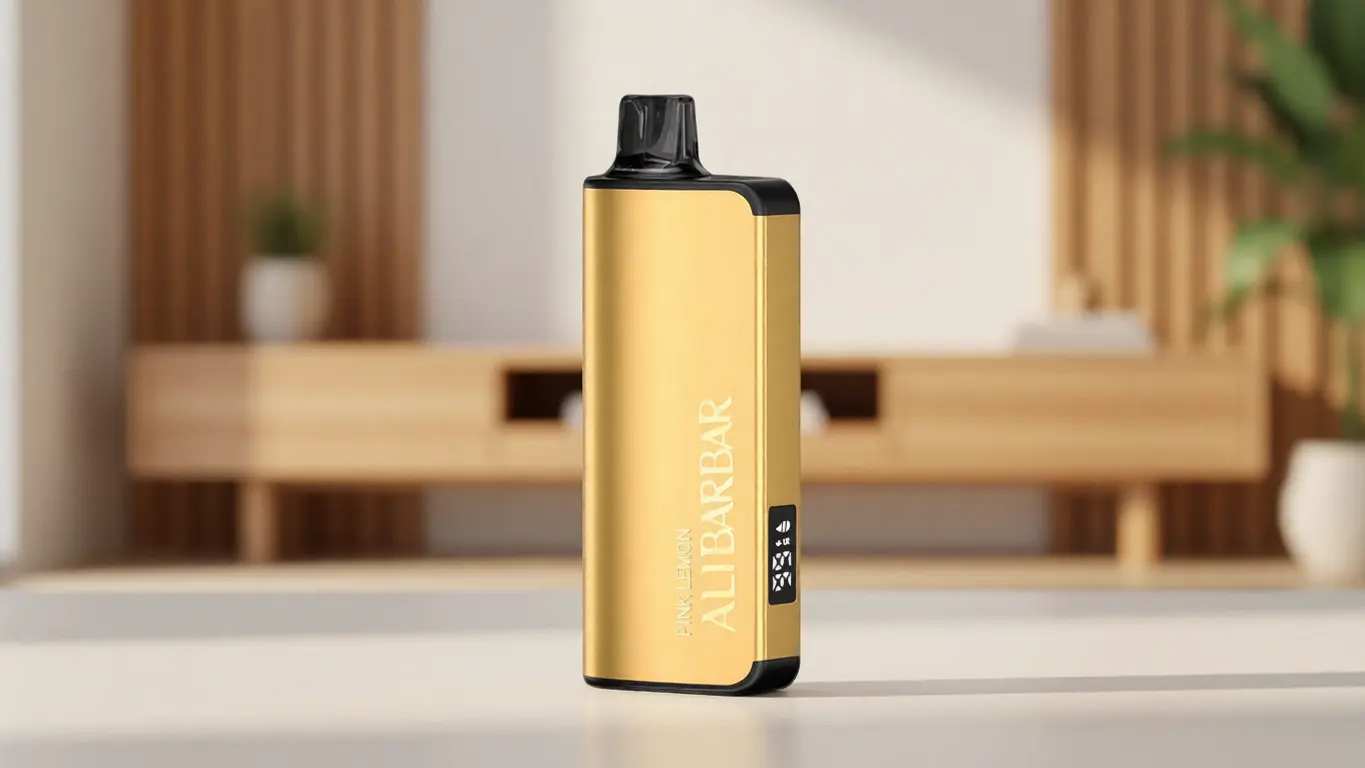
Confusing visual similarity with oral compatibility. Two devices that look nearly identical in product photos can have substantially different mouthpiece curvatures. Marketing images often flatten depth perception. Always check for user‑generated close‑ups or technical diagrams that reveal the actual lip‑contact surface.
Over‑prioritising battery capacity over ergonomics. A denture wearer who will be uncomfortable after ten minutes does not benefit from a device that can run for three days. Comfort over capacity, always. If you need extended use, two smaller, denture‑friendly units often serve better than one heavy powerhouse.
Assuming draw activation is inherently gentler than button activation. The gentleness of draw activation depends entirely on the internal airflow resistance. A poorly designed draw‑activated device can require a harder pull than a button‑fired unit with an open airway. Judge the pull, not the activation mechanism.
Neglecting the relationship between mouthpiece material and denture adhesive. Some mouthpiece polymers interact with denture adhesive residues, becoming tacky or discoloured over time. While ALIBARBAR’s finish has not produced reports of this, users relying on strong fixatives should wipe the mouthpiece after every session, regardless of brand, to prevent material degradation.
Frequently Asked Questions
Q: Can the suction from a draw‑activated device actually dislodge a well‑fitting denture?
A: With a properly fitted denture and moderate draw resistance, dislodgement is unlikely. However, if the denture fit has loosened due to bone resorption, even modest suction can break the seal. Choosing a device with a light, open draw minimises this risk.
Q: Does the warmth from the device affect denture acrylic?
A: The external surface temperature of a regulated device does not reach levels that would soften or warp denture acrylic. Even so, avoid resting the warm mouthpiece directly against the denture for prolonged periods without a break.
Q: Will using a device cause dry mouth, and how does that impact dentures?
A: Dry mouth reduces the salivary film that helps retain an upper denture and can increase friction against the mucosa. Staying hydrated and selecting a device with moderate output helps maintain lubrication. There is no design that eliminates this entirely, but awareness is half the solution.
Q: Is there a specific mouthpiece shape I should avoid?
A: Narrow, circular mouthpieces that require tight lip pursing concentrate stress on the anterior denture flange. Look for wider, elliptical, or duckbill profiles that spread the load.
Q: How do I clean the mouthpiece without damaging it?
A: A damp lint‑free cloth or an alcohol‑free sanitising wipe is sufficient. Avoid abrasive cleaners that could scratch the surface, as microscopic grooves become bacterial reservoirs.
Q: Can I use the same device if I take my dentures out?
A: Yes, but be mindful that without the denture in place, you may instinctively place the mouthpiece differently, potentially against more sensitive gum tissue. Adjust your lip placement accordingly.
Q: Are higher‑capacity devices always heavier?
A: Generally, yes. The INGOT 15000 is heavier than the INGOT 9000, though still within a range that many denture wearers find acceptable. If every gram matters, the lighter unit is the safer starting point.
Q: Does adjusting airflow really help with denture comfort?
A: It can. Lowering draw resistance reduces peak negative pressure, making the device feel less “grippy” on the denture. If you have the option, start with the most open setting and adjust tighter only if necessary.
Q: What if the device arrives with a mouthpiece that still feels uncomfortable?
A: Some users apply a thin, food‑grade silicone mouthpiece cover to cushion the contact point. This is an aftermarket modification, and its safety depends on the material used. If the device’s design is fundamentally unsuitable, no add‑on will truly fix it.
Q: How can I verify that I’m buying an authentic device with the exact mouthpiece design I expect?
A: Purchase through an authorised retailer that sources directly from factory‑certified channels. OZVAPE Shop provides high‑resolution product imagery and matches inventory to factory batch records, so the unit you receive reflects the same mouthpiece geometry seen in the documentation.
A Final Word on Device Comfort and Informed Choice
The question “Can you vape with dentures?” deserves a more nuanced answer than a simple permission slip. The truth is that many adults do, every day, without incident — but only because they have matched their device to the physical realities of their mouth. The devices that cause trouble are not fundamentally unsafe; they simply demand a kind of oral loading that a denture cannot comfortably absorb, and the user pays for that mismatch in fatigue and anxiety.
Identifying a denture‑compatible device is not a matter of finding the most advanced or expensive option. It is a matter of understanding how mouthpiece shape, draw weight, mass, and material hygiene interact with your specific prosthetic. The ALIBARBAR range, with its deliberately soft‑contact mouthpieces, gentle draw profiles, and lightweight builds, demonstrates that manufacturers can design for this without making the device feel clinical or compromised. And when that engineering is accessible through a channel like OZVAPE Shop that prioritises product authenticity and transparent specification, the gap between reading about a device and living with it narrows considerably.
Your denture fit, ridge condition, and daily routine are unique. The right device is the one that lets you forget you’re wearing a prosthetic — not the one that impresses with the highest number on a marketing banner. Start with the checklist, test gently, and trust the feedback your mouth gives you. No specification sheet can overrule that.