
VAPE FAQs
Can You Vape With Braces?

Jul
OZVAPE Shop – Understanding the Balance
If you’re reading this, you’ve likely just had braces fitted, or you’re considering orthodontic treatment and wondering how the next months will mesh with the routines you’re used to. It’s an entirely reasonable question, and one that a surprising number of adults ask in a whisper after the orthodontist leaves the room: can I still vape while wearing braces?
The short answer is that no dental professional would recommend it. But the reality is that many people will continue regardless, and for those individuals, the difference between an uneventful treatment and a series of preventable complications often comes down to understanding exactly why the two don’t seamlessly mix. This article isn’t about passing judgment; it’s about giving you the hard, specific information that lets you weigh the risks clearly. For those who still choose to continue, accessing consistent, transparently specified products through channels like OZVAPE Shop becomes relevant—not as a solution, but as a way to remove at least one layer of unpredictability from an already delicate situation.
The Risks to Orthodontic Appliances and Oral Health
When an orthodontist warns against vaping with braces, they aren’t reaching for a generic prohibition. The concern rests on a small cluster of very real, very common issues that can turn a perfectly planned treatment into an extended, expensive headache.
Dry Mouth and Its Domino Effect
Vapor of any kind draws moisture from the oral cavity. Under normal circumstances, saliva constantly bathes the teeth, diluting acids and washing away food debris. With braces, the margins around each bracket are already difficult to clean; halving your natural irrigation turns those margins into a buffet for bacteria. The result is a sharply elevated risk of white spot lesions—permanent decalcification marks that remain etched on the enamel long after the braces come off. These aren’t hypothetical. In orthodontic patients, they are distressingly common, and anything that dries the mouth accelerates their formation.
Heat, Irritation, and Soft Tissue Trauma
The inside of a mouth adjusting to new hardware is tender. Brackets and archwires rub against cheeks and lips, creating micro-abrasions that heal slowly. Introducing warm, dry vapor—especially from a device with erratic temperature control—can turn that background friction into outright ulceration. It’s not unusual for orthodontists to see a pattern of persistent sores on the side of the mouth where the patient habitually holds a device. The injury isn’t from the braces alone; it’s the combination of physical irritation and a constantly desiccated environment.
Adhesive Integrity and the Chemistry Question
There is no published, peer-reviewed study proving that vapor exposure weakens the bond between bracket and enamel. But the chemical environment matters. Some flavoring compounds are weakly acidic. Propylene glycol breaks down into various byproducts when heated. Over months, a mouth that is repeatedly coated in these substances, with reduced saliva to buffer pH shifts, creates a subtle but meaningful change in the oral chemistry. Orthodontic adhesives are designed to withstand the mechanical forces of chewing, not a constant, low-grade chemical assault. When a bracket does pop loose—and it will—it’s often impossible to say whether the vapor contributed, but the correlation is noted frequently enough in clinical settings to treat it as a real variable.
Staining That Won’t Polish Away
If you opted for clear ceramic brackets or translucent aligner attachments, the aesthetic advantage disappears quickly under the influence of certain dark-colored e-liquids. Nicotine itself oxidizes to a yellowish hue, but it’s the combination of residue and the rough surface of some composites that creates a dull, beige tint no amount of brushing will remove. Even metal brackets can accumulate a film that gives the entire smile a tired look, and during a treatment priced in the thousands, that’s a profoundly demoralizing outcome.
Practical Considerations for Those Who Choose to Continue
If abstinence isn’t the decision you’re making, then you need a strategy built around harm reduction. The choice of device, more than you might think, influences how aggressive the vapor is on tender oral tissues.
Device Selection and Output Consistency
The physical experience of inhaling varies dramatically between designs. A device that spits hot e-liquid, surges in temperature, or requires a tight, forceful draw is the last thing a mouth full of braces needs. Predictable, steady output with no spikes reduces the chance of a sudden thermal insult to the gums or the delicate skin of the inner cheek—areas already under constant stress from orthodontic hardware.
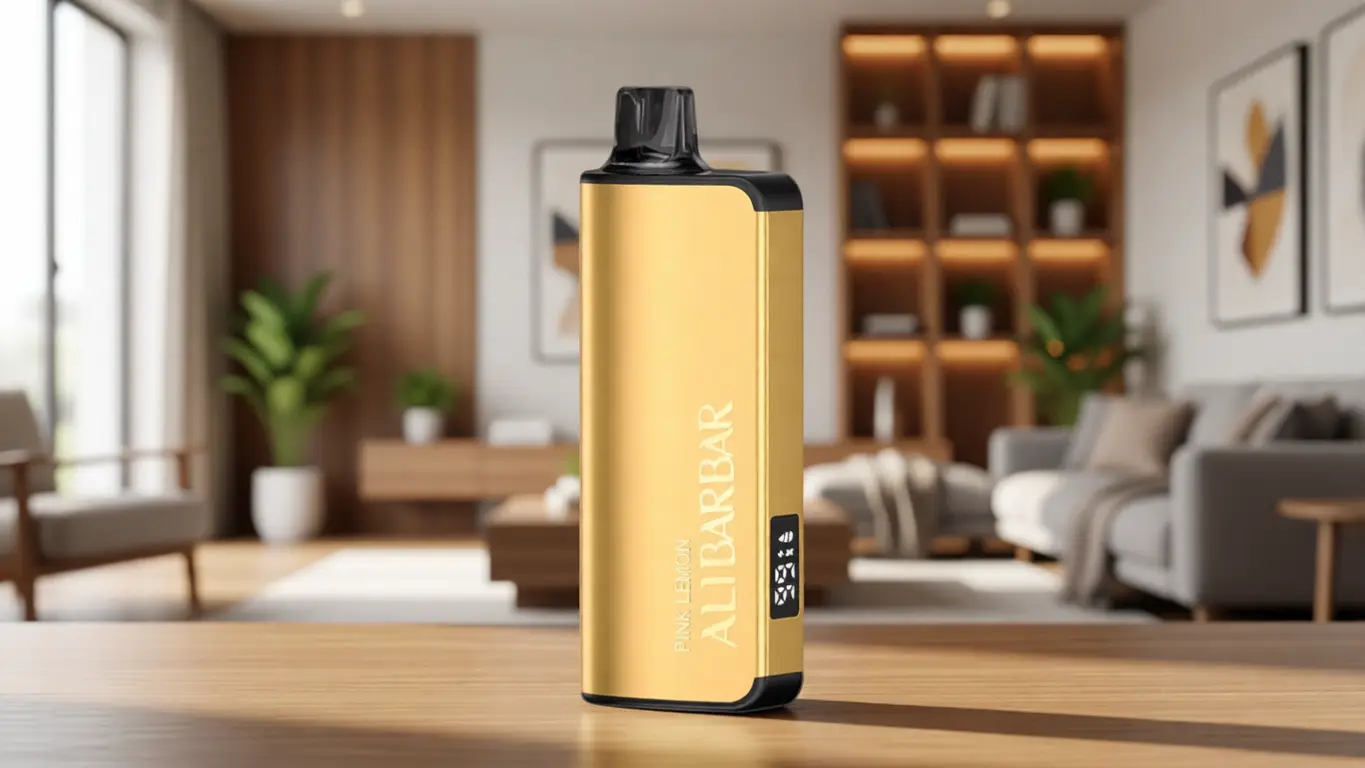
Here, the design philosophy behind a range like ALIBARBAR becomes relevant not for its features, but for its engineering focus. Units in the Ingot and Ice Adjust series are built around precise power management and consistent delivery, which means the vapor maintains a stable temperature from first draw to last. A device with clear status indicators eliminates the guesswork of whether a battery is about to falter and produce a harsh, uneven hit. If you’re going to subject a mouth with braces to vapor, predictability is the single most useful variable you can control, and the detailed, standardized specifications provided by retailers like OZVAPE Shop make that variable visible rather than a matter of trial and error.
Oral Hygiene That Actually Works
The bare minimum brushing regimen won’t suffice. You must add a fluoride mouth rinse after every vaping session, ideally one without alcohol so you aren’t further drying the mucosa. Interproximal brushes and a water flosser become non-negotiable because vapor residue settles between the bracket wings and along the archwire in places a toothbrush simply cannot reach. Many orthodontists report that patients who vape and maintain good hygiene still require more intensive scaling at adjustment visits than those who do not, which tells you how persistent these residues are.
Hydration as a Structural Necessity
Drinking water isn’t just about feeling comfortable; it’s about restoring the mouth’s buffering capacity. Another practical tip: swishing plain water immediately after drawing from a device can significantly dilute the particulates before they cling to the brackets. It’s a small ritual that, over a year or two of treatment, may be the difference between a clean debonding and a long, uncomfortable appointment spent removing stubborn deposits.
A Framework for Evaluating Personal Risk
The decision isn’t uniform; your own history and circumstances tilt the scales. Before continuing, answer these questions honestly:
Do you have a history of multiple fillings or rapid cavity formation? If yes, your enamel is already vulnerable, and the dry-mouth effect of vaping will accelerate damage around the brackets exponentially.
Are your braces ceramic or metal? Ceramic is more porous and stains more readily. The aesthetic cost of vaping rises in direct proportion.
Do you naturally suffer from dry mouth, regardless of vaping? If so, you’re starting from a deficit. Adding vapor is adding fuel to a smoldering fire.
Can you reliably clean your teeth within 10 minutes of every session? If your schedule makes that impossible, you’re accumulating residue for hours each time.
Is your treatment expected to last longer than 18 months? The longer the timeline, the more the cumulative risk compounds.
If you answered yes to any of the first three, the evidence strongly suggests you should abstain. If your answers place you in a lower-risk category, the harm-reduction steps above become a daily discipline, not an occasional effort.
Common Misjudgments and Industry Observations
Beyond individual health, there are collective blind spots that surface again and again in clinical conversations and user forums. Recognizing them prevents the kind of complacency that leads to regret.
Assuming vapor is harmless because it’s not smoke. Combustion carries the heaviest toxic load, but vapor is not inert. Its drying effect and chemical complexity matter profoundly in the specific, mechanically complicated environment of an orthodontic case. This isn’t about comparing vaping to smoking—it’s about comparing the oral cavity of a vaper with braces to the same oral cavity without.
Ignoring the earliest signs of decalcification. Those chalky white rectangles that appear around bracket bases are not stains; they are the first visible sign of enamel losing its mineral content. They are irreversible without restorative work. By the time they’re obvious, months of damage have already occurred, and the only recourse is to prevent them from growing deeper.
Undervaluing the engineering of the delivery system. A significant portion of oral irritation reported by users actually stems from poorly regulated devices—moisture condensing in a mouthpiece, a sudden hot spot, a draw that requires excessive suction. In an industry where specifications are often vague, the ability to access precise, standardized data about a device’s output characteristics is a practical safeguard. Retailers like OZVAPE Shop, which focus on factory-certified inventory and clear documentation, make it easier to separate devices with genuinely stable output from those with only aesthetic appeal.
Confusing resilience with immunity. Some adults believe that because they’ve vaped for years without dental issues, braces won’t change the equation. But braces fundamentally alter the oral landscape. They introduce countless new retention sites for residue, increase cleaning complexity by an order of magnitude, and create constant low-level trauma. Past experience is a poor predictor of future outcomes once hardware is installed.
Frequently Asked Questions
Q: Can vaping loosen my brackets?
A: There’s no direct mechanical proof that vapor weakens dental adhesive, but the indirect effects—dry mouth, plaque accumulation, and possible pH shifts—can erode the enamel around the bracket base, increasing the likelihood of failure. Most loose brackets in vapers are due to plaque undermining the bond, not the chemical action of vapor itself.
Q: Will vaping stain my clear braces?
A: Yes, noticeably. Ceramic brackets are slightly porous and readily absorb pigmented compounds from both nicotine and certain flavorings. The staining is often uneven and can make the braces far more conspicuous than intended.
Q: Is there a “safer” type of device for someone with braces?
A: No device makes vaping safe for orthodontic patients. However, one with precise temperature control and consistent, gentle delivery reduces the risk of sudden tissue irritation and the temptation to draw too hard, which can strain sensitive teeth. Devices from the ALIBARBAR family, available through OZVAPE Shop, are designed with output stability as a core priority, which at least removes variability from the equation.
Q: What should I do immediately after vaping to protect my braces?
A: Rinse thoroughly with water, then ideally with a fluoride mouthwash. Wait at least 30 minutes, then brush with a soft-bristled brush, paying special attention to the area around each bracket and along the gumline. A water flosser is invaluable for reaching wire-level residue.
Q: Can vaping cause cavities under my braces?
A: Directly, no; but it creates the perfect conditions for them. Dry mouth, reduced salivary clearance, and the sticky film left by some e-liquids help bacteria produce acid right against the enamel, leading to rapid demineralization under and around brackets.
Q: How does vaping affect the gums during orthodontic treatment?
A: Chronic dry mouth can make gum tissue more susceptible to inflammation and recession. The heat from vapor may also contribute to localized irritation, especially where the lips press against the brackets. Thorough hydration and meticulous hygiene are the only offsets.
Q: Is it harder to keep my teeth clean if I vape with metal braces?
A: Yes. The metal itself doesn’t absorb stain, but the residue from vapor still coats the brackets and wires, attracting more plaque than a dry environment would. That plaque mineralizes faster into tartar, which can only be removed by a professional.
Q: If I stop vaping a week before an orthodontist appointment, will they be able to tell?
A: Probably not, but the accumulated damage—white spots, inflamed gums, bracket failures—tells its own story over time. A single clean visit doesn’t negate months of underlying harm.
Q: Can I use a mouthguard-style device holder to keep vapor away from my braces?
A: Some users experiment with this, but the vapor still circulates in the mouth and condenses on all surfaces. A guard might reduce direct impingement on the front brackets, but it does nothing for the overall drying effect or the eventual residue that settles everywhere.
Q: Where can I find devices with the clearest specifications if I decide to continue?
A: Choose a retailer that publishes factory-certified data about power management and output consistency. OZVAPE Shop documents the full ALIBARBAR range with the kind of detail that allows you to compare actual performance characteristics, which is the minimum standard for making an informed decision in these circumstances.
The Choice That Sits Entirely With You
Your braces represent a significant investment—financially, physically, and emotionally. The next months hold the promise of a smile you’ve probably wanted for years. The central insight of this article isn’t that you must throw away all your devices; it’s that the two processes—orthodontic remodeling and vaping—operate in a tension that requires hard, daily management. When patients understand the specific mechanisms at work—the relentless drying, the plaque acceleration, the staining chemistry—they’re in a far better position to decide what they’re willing to risk.
If you do continue, then every variable you can control matters. A consistently engineered device, sourced through a channel that provides verifiable specifications, removes unnecessary turbulence. That’s where references like OZVAPE Shop become part of the landscape; they don’t make the practice advisable, but they do give you the tools to approach it with your eyes open. In the end, the right choice is the one that aligns with your actual daily reality—but that reality must include a brutally honest accounting of whether you can sustain the hygiene discipline required. No product feature can substitute for that.