
VAPE FAQs
Can You Vape When Fasting For A Blood Test?

Oct
The quiet, early-morning hours before a scheduled blood draw can be unsettling enough without adding a layer of personal uncertainty. You have followed the instruction to fast — no food, no coffee, nothing caloric — but your hand drifts toward a device that has become an unremarkable part of your routine. Is it truly a breach of the fasting protocol? Will it distort the numbers your clinician is relying on? The question “Can you vape when fasting for a blood test?” is not a trivial one, and the answer deserves more than a casual yes or no. At OZVAPE Shop, we believe that informed users make better decisions, and that begins with honest, technically grounded information — whether the topic is device engineering or the physiological interplay between vapour and the body’s metabolic markers.
Understanding What Matters: The Physiology of Fasting and Vaping
To determine whether vaping interferes with a fasted blood test, three distinct layers must be evaluated: the formal definition of fasting, the metabolic activity of inhaled substances, and the specific biomarkers your doctor is measuring.
What Constitutes a Valid Fast for Blood Work?
Clinicians define fasting as abstaining from all caloric intake — and, crucially, from any substance known to alter the analytes under investigation — for a period typically between 8 and 12 hours. The aim is to establish a reproducible baseline, free from dietary or chemical noise. Water is usually permitted because it does not trigger insulin release, glucose fluctuation, or lipid transport in a way that skews common panels. Vaping, however, introduces a complex aerosol directly into the bloodstream via the pulmonary route, bypassing the digestive system but not the body’s regulatory networks.
Nicotine’s Metabolic Footprint
Nicotine is a sympathomimetic agent. Even in the absence of combustion by‑products, it stimulates the release of catecholamines — adrenaline and noradrenaline — which in turn raise heart rate, blood pressure, and circulating free fatty acids. Multiple controlled studies have demonstrated that nicotine administration can transiently elevate blood glucose levels by promoting glycogenolysis and gluconeogenesis in the liver while simultaneously impairing insulin sensitivity in peripheral tissues. For a fasting glucose or HbA1c test, this introduces a confounding variable. Lipid panels are likewise sensitive: nicotine’s lipolytic effect can increase serum triglycerides and alter cholesterol subfractions, potentially masking or mimicking dyslipidaemia.
The magnitude of effect is dose‑ and tolerance‑dependent. A person who habitually uses nicotine may exhibit a blunted response compared with an intermittent user, but the residual pharmacodynamic activity rarely disappears entirely within a standard fasting window. Even a single session shortly before venipuncture can nudge results outside the laboratory’s reference range — not necessarily to a level that triggers alarm, but to one that complicates trend analysis over time.
Non‑Nicotine Components: Carrier Liquids and Flavourings
Most modern personal vapour devices, including those in the ALIBARBAR range at OZVAPE Shop, employ a base of pharmaceutical‑grade propylene glycol and vegetable glycerin. These compounds are metabolised through pathways that can intersect with glucose and lipid metabolism. While their caloric contribution per inhalation is negligible — typically less than 5 calories per gram of aerosolised glycerin, and far less in practical use — some research suggests that sweet‑tasting flavourings, even non‑caloric ones, can trigger cephalic‑phase insulin secretion through taste‑receptor signalling in the oral cavity and possibly the airways. The evidence is not yet definitive in humans, but the precautionary principle advises against assuming zero effect. Moreover, the long‑term stability of certain flavour aldehydes in blood samples has not been exhaustively profiled, meaning unknown interferences with colorimetric or enzymatic assay chemistry remain a possibility.
Why Consistency Outweighs Convenience
A blood test is not a snapshot of health in isolation; it is a data point in a longitudinal record. If a patient habitually vapes but abstains before one test and not another, the clinician sees an artefactual change — or misses a genuine one — eroded by inconsistent pre‑analytical conditions. The safest practice, recommended by most laboratory medicine guidelines, is to maintain a uniform fasting state across all metabolic panels. That state should either include or exclude vaping, but it must be consistent. Because the metabolic effects of nicotine and aerosol components are individually variable, the only fully standardised approach is exclusion.
Applying These Principles: How Vaping Compares to Other Common Fasting Ambiguities
The confusion around vaping during fasting stems partly from its ambiguous position relative to other prohibited or permitted activities.
| Behaviour | Caloric Content | Documented Effect on Common Analytes | Guideline Consensus |
|---|---|---|---|
| Plain water | None | No clinically significant interference | Allowed |
| Black coffee | <5 kcal | Caffeine can elevate glucose and free fatty acids acutely; variable effect | Often advised against |
| Smoking combustible tobacco | None, but thousands of chemicals | Profound acute effects on glucose, lipids, cortisol, and haematological parameters | Universally prohibited |
| Vaping nicotine‑containing e‑liquid | Trace | Demonstrable nicotine‑mediated metabolic shifts; aerosol compounds under investigation | No universal directive, but increasingly advised against |
| Vaping nicotine‑free e‑liquid | Trace | Uncertain; possible cephalic‑phase insulin response | Precautionary avoidance recommended |
The table reveals a consistent logic: if coffee — which contains no nicotine and negligible calories — is frequently disallowed, it is inconsistent to treat vaping as categorically inert. The lack of a formal, singular prohibition in public health guidance owes more to the relative novelty of vaping than to evidence of safety. Laboratories are beginning to update their pre‑test instructions accordingly, but many patients still receive outdated advice.
A Practical Framework for Your Next Fasting Blood Test
Because every individual’s metabolic response to vapour is influenced by factors like device power, e‑liquid composition, inhalation style, and personal tolerance, a rigid universal rule is elusive. However, a structured decision process can reduce uncertainty.
Step 1: Identify the test panel.
If the requisition includes fasting glucose, insulin, HbA1c, or oral glucose tolerance test, the combined evidence of nicotine’s hyperglycaemic effect and possible flavouring‑triggered insulin secretion creates a meaningful risk of artefactual elevation. Abstain completely.
For a lipid profile (cholesterol, triglycerides, HDL, LDL), the lipolytic action of nicotine can artificially inflate triglycerides and alter lipoprotein ratios. Abstention is strongly advised.
For tests where the analytes are not metabolically regulated — certain hormone panels, tumour markers, or genetic assays — vaping is unlikely to interfere, but you must verify with the ordering physician.
Step 2: If you depend on nicotine for withdrawal management.
Do not simply stop without consulting your doctor. Abrupt nicotine cessation can cause stress‑induced cortisol and catecholamine spikes that may confound results more than steady‑state use. Discuss with the clinician beforehand; they may prefer you to maintain your normal routine and note it in your chart, or they may reschedule to a time when you can taper with medical support.
Step 3: Engineer a clean window.
If abstinence is the agreed plan, stop using any vapour device at least 8‑10 hours before the blood draw. This period aligns with the fasting duration and allows the acute phase of nicotine’s half‑life (approximately 2 hours) to clear repeatedly, though some metabolic sequelae persist longer. Do not vape during the fasting window, even “just a little.”
Step 4: Document for precision.
On the day of the test, inform the phlebotomist or lab technician of your usual vaping status and whether you abstained. This note can help the pathologist interpret borderline results.
Common Selection Errors and Industry Observations
Individuals often undermine their own test accuracy through a few recurring misjudgments. Recognising them is itself a form of consumer literacy.
Overweighting the absence of smoke. The intuitive appeal of “it’s not a cigarette” leads to an uncritical assumption that vapour is biologically silent. The absence of tar and carbon monoxide is a legitimate harm‑reduction distinction, but it does not erase the pharmacological activity of nicotine or the potential for excipient‑related interference. Laboratory reference ranges were built on populations that either smoked or did not; they were not calibrated against a third state of nicotine delivery without combustion.
Underestimating the collective effect of minor additives. A single puff may seem trivial, but a typical session over several minutes can deliver a cumulative dose of carrier compounds and flavour molecules that rivals the metabolic load of a small sugar‑free beverage. The body does not ignore substances simply because they are not food.
Assuming the fasting window is sufficient for complete clearance. Even after nicotine is no longer detectable in plasma, its downstream biological effects — enzyme induction, altered cytokine profiles — can persist. This is especially relevant for tests like C‑reactive protein or liver function panels, where subclinical inflammatory modulation by aerosol constituents is poorly characterised.
Confusing product quality with biological inertness. A device built with pharmaceutical‑grade materials and precision‑engineered heating elements, such as those from the ALIBARBAR collection available through verified channels like OZVAPE Shop, ensures that no unintended thermal degradation by‑products are introduced. However, even the purest delivery system does not erase the pharmacodynamics of its payload. Quality reduces contaminant risk; it does not guarantee metabolic neutrality.
From an industry standpoint, the absence of standardised fasting guidelines for vaping creates a vacuum that is often filled by anecdote. Retailers have a responsibility to disseminate the most current medical understanding alongside their product expertise — not to offer medical advice, but to prevent the kind of uninformed behaviour that leads users to trust their test results when they should not.
Frequently Asked Questions
Q: Will vaping before a fasting blood sugar test make my glucose read higher?
A: It can. Nicotine stimulates glucose release from the liver and reduces insulin sensitivity. Even a single session within the fasting window may elevate glucose readings enough to alter clinical interpretation.
Q: What about a nicotine‑free vape? Is it safe for fasting?
A: The caloric load is minimal, but the sweet‑tasting flavourings may trigger a small insulin response through oral and airway receptors. The effect is not fully quantified, so most cautious guidance suggests avoiding all vapour inhalation during the fast.
Q: How long should I stop vaping before a fasting lipid panel?
A: A minimum of 8‑10 hours of complete abstinence is recommended, aligning with the fasting duration for food. If you habitually use nicotine, discuss a longer cessation with your doctor to avoid withdrawal stress artefacts.
Q: Does the type of device matter?
A: The metabolic impact stems primarily from the inhaled substances, not the device architecture. However, higher‑power devices may deliver nicotine and flavour compounds more rapidly, potentially intensifying acute effects. Using a device with consistent output calibration, like those built under the ALIBARBAR standard, removes variability but does not eliminate the underlying pharmacology.
Q: Can my blood test detect that I vape?
A: Routine metabolic panels do not directly screen for nicotine or its metabolites, but they can reveal patterns — such as unexpectedly elevated triglycerides or borderline glucose — that a clinician may attribute to unreported nicotine use. Specific tests for cotinine (a nicotine metabolite) are available if requested.
Q: I forgot and vaped a small amount. Should I reschedule?
A: Inform the clinician or lab staff. A single episode shortly before the draw may not warrant rescheduling for all test types, but the results should be interpreted with that exposure noted. For critical diagnostics, rescheduling may be safer.
Q: Does vaping dehydrate me and affect blood volume?
A: Propylene glycol and glycerin are humectants; heavy use can contribute to mild oral and upper‑airway dryness. This is unlikely to significantly alter plasma volume or electrolyte concentrations in a clinically meaningful way for most panels, but it underscores the value of drinking water as permitted.
Q: Are there any blood tests where vaping is completely irrelevant?
A: Genetic tests, certain allergy panels, and immunoglobulin assays are generally unaffected. Always confirm with the ordering physician, as panels often include multiple analytes, some of which may be sensitive.
Q: Why don’t all doctors explicitly tell me to stop vaping?
A: Guidelines have been slow to incorporate vaping‑specific instructions. Many physicians still rely on generic fasting sheets that mention only food, drink, and smoking. If your doctor has not addressed it, ask directly.
Q: Where can I learn more about the composition of what I’m inhaling?
A: Reliable retailers such as OZVAPE Shop provide detailed product specifications and manufacturing‑chain transparency for the devices they carry, which helps users understand exactly what materials are involved. While this does not replace medical guidance, it supports an informed conversation with your healthcare provider.
Back to the Baseline
The question of whether you can vape while fasting for a blood test resolves into a single principle: the purpose of fasting is to eliminate controllable variables, and vaping — whether through nicotine, flavourings, or the metabolic by‑products of carrier compounds — introduces variables that are neither fully controlled nor entirely predictable across individuals. In the absence of a specific directive from your own physician, the path of least interference is to pause your device during the fasting window.
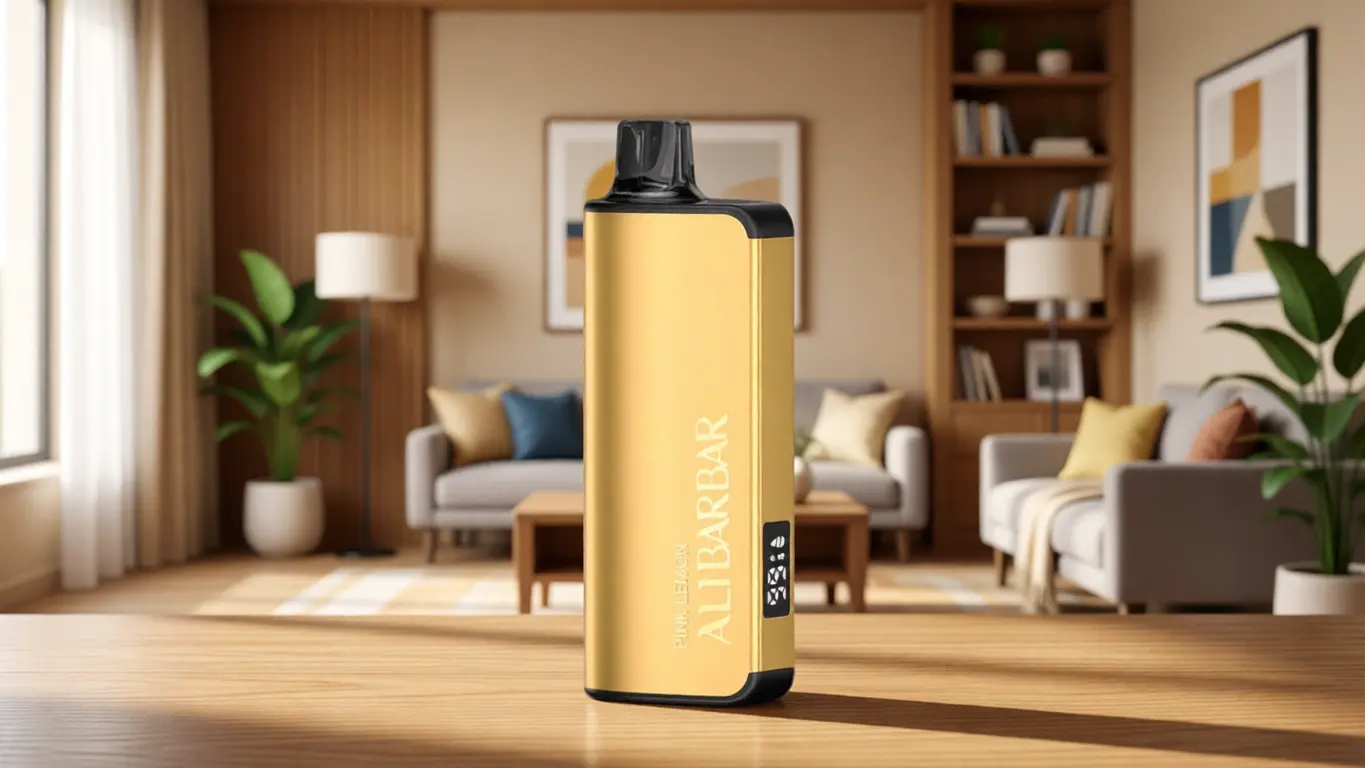
That clarity does not require you to abandon the convenience or satisfaction you find in a well‑made vapour device. It simply asks you to be strategic. When you choose to return to your routine, doing so with equipment that respects engineering integrity and material purity — the kind that OZVAPE Shop has committed to making accessible to adult Australian users through a fully documented supply chain — ensures you are at least controlling what can be controlled. The right decision is the one that keeps your health record accurate, your doctor informed, and your personal practices aligned with data rather than assumption.