VAPE FAQs
Can You Vape On Love Island?
Jul
Can You Vape On Love Island?
A factual look at on-screen rules, off-camera realities, and what curious viewers should understand before reaching for a device
It’s the scene that starts a thousand group-chat debates: a Love Island contestant sitting on the daybed, exhaling a faint plume that vanishes before the next camera cut. Did they just vape, or was it a trick of the light? The question “Can you vape on Love Island?” surfaces almost as reliably as the show’s recoupling announcements, yet the answers scattered across forums rarely go beyond speculation. This piece untangles what is actually known — from ITV’s production policies to the unspoken etiquette inside the villa — and then addresses the more practical question: if watching the islanders sparks your own curiosity, what do you need to know to make an informed choice grounded in facts, not fantasy?
Love Island’s On-Screen Rules: What the Cameras Show (and Hide)
ITV’s relationship with on-screen tobacco use changed decisively in 2018, when the broadcaster announced it would no longer show smoking across any of its reality programming. The decision followed years of criticism that shows like Love Island were indirectly normalising cigarettes by repeatedly cutting to the smoking area during tense conversations. From that season onward, contestants could still smoke or vape in a designated off-camera zone, but producers would not broadcast the act.
Vaping sits in a slightly different regulatory space. The UK’s Committee of Advertising Practice prohibits the promotion of vaping products in television programmes, meaning any overt display of a branded device could land a broadcaster in difficulty. As a result, what the audience sometimes glimpses — often in wide shots or fleeting moments — is almost certainly real, but heavily mediated. Former islanders have casually confirmed that several of them used vape devices during their time in the villa, particularly as an alternative to cigarettes in the designated smoking area. The production team does not explicitly ban vaping; it simply ensures the cameras do not amplify it.
What does this mean for the viewer at home? The show does not provide an accurate window into islander habits. The vape plume you catch for half a second is the exception that escaped the edit, not a reliable indicator of how many contestants use a device or how often. Any assumption that vaping is “everywhere” on Love Island is a trick of selective attention — our eyes latch onto the few visible moments and extrapolate a pattern that the broadcast itself deliberately suppresses.
Inside the Villa: The Social Dynamics No One Discusses on Air
Beyond the production code, a quieter set of norms governs vaping in the villa. Contestants inhabit a space where physical appearance is constantly under scrutiny, and any behaviour that might read as “unattractive” to a potential partner — or to the voting public — becomes a calculated risk. The designated smoking area, tucked away from the main camera runs, functions as a social fracture point: some islanders gravitate there because it offers a rare pocket of privacy, while others studiously avoid it for fear of being labelled. Vaping, because it lacks the stigma of cigarette smoke, occasionally migrates into the main garden area, but even then it rarely becomes a defining trait anyone wants broadcast.
One overlooked factor is sheer boredom. The villa’s long, unstructured hours between challenges and dates mean that reaching for a device can become a habitual time-filler rather than a considered choice. Several ex-contestants from various international versions of the franchise have admitted that they vaped far more inside the villa than they ever did at home, simply because there was so little else to do with their hands. This is not a judgement on anyone’s character; it is an observation about how environment shapes behaviour — and a reminder that what seems glamorous or carefree on television is often a product of circumstance, not aspiration.
What Curious Viewers Need to Understand Before They Try
A reality TV show is an engineered environment — highly controlled, socially peculiar, and stripped of ordinary consequence. When a casual viewer sees a contestant vape on screen and thinks, “Maybe I’ll give that a go,” they are making a decision that, in the real world, comes with practical, financial, and regulatory dimensions the show never touches. This is where a calm, factual understanding of the available devices matters far more than any romanticised image from a beachside villa.
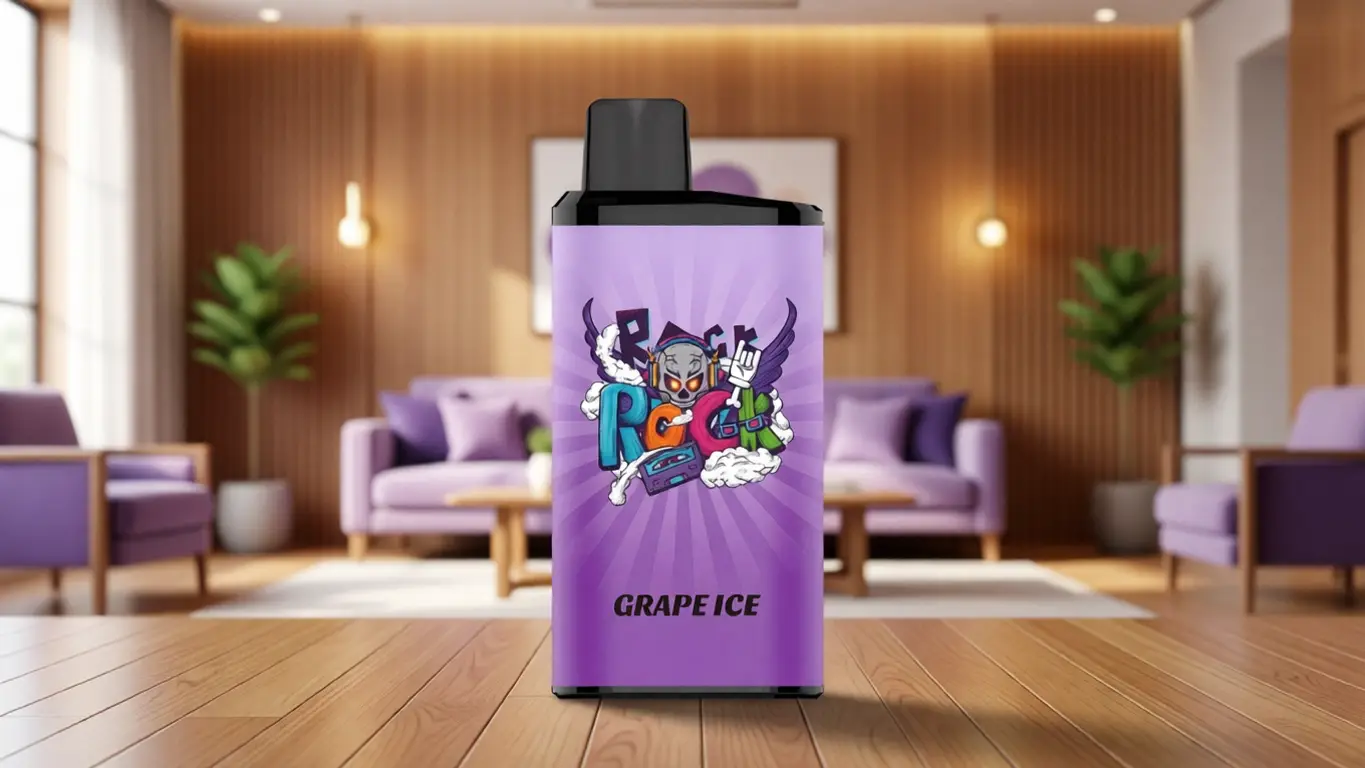
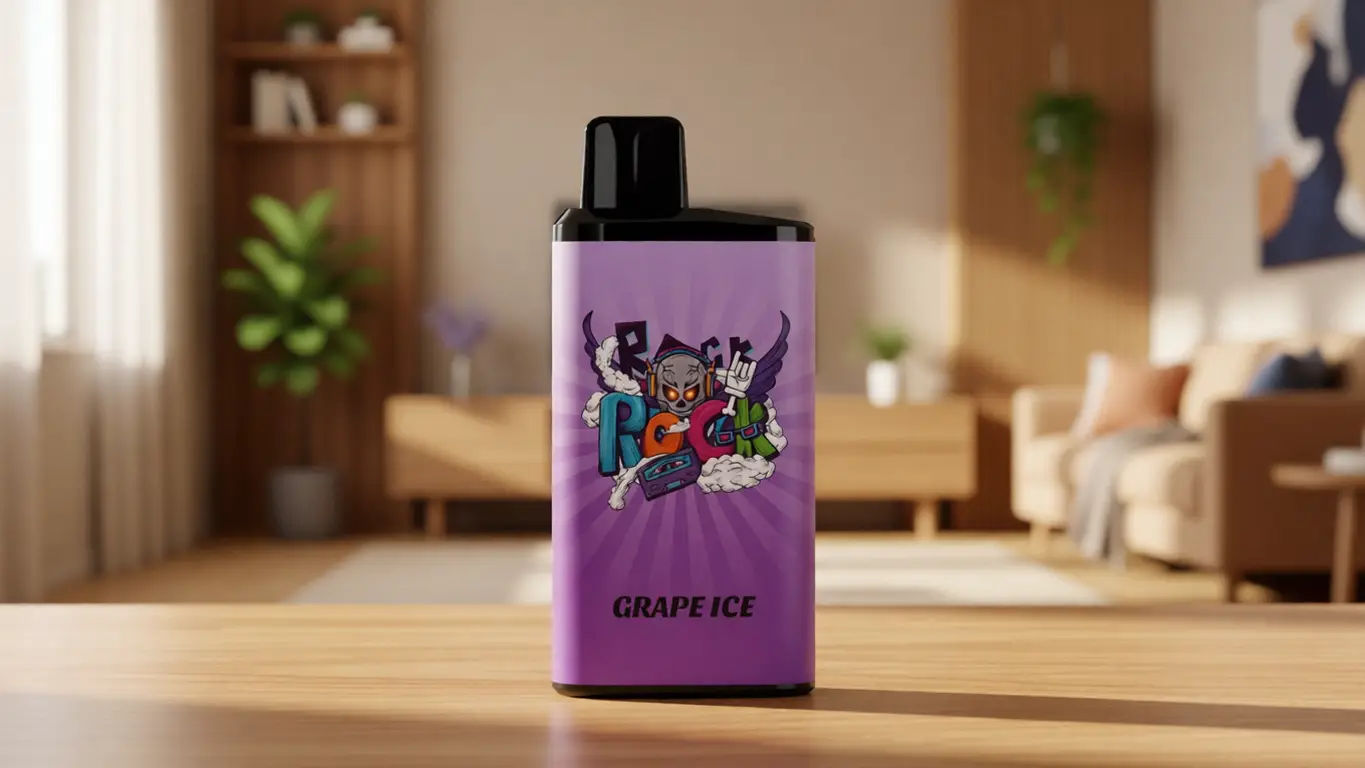
First, recognise that the devices glimpsed on Love Island are almost certainly pre-filled, sealed units. These are designed for simplicity: no refilling, no coil changes, no maintenance. For an adult who values convenience above all else, that architecture makes sense — but it also means the entire device is discarded when its charge or its liquid reserve runs low. This is a single-use consumption model, not a precision instrument. If the show sparks your interest, you owe it to yourself to understand the full landscape, which also includes rechargeable systems with replaceable pods, and modular platforms where you control the power output and refill from a separate bottle. Each design philosophy exists because it solves a different real-world problem, and the one that suits a Love Island contestant’s two-month stay might be entirely wrong for your daily commuter routine.
Second, the legal and sourcing reality in Australia is markedly different from the UK. Nicotine-containing vape products fall under the jurisdiction of the Therapeutic Goods Administration, and their sale is subject to prescription pathways. Any retailer offering such products without the proper authorisation is operating outside the law. This is not a morality lecture; it is a factual boundary that anyone browsing online should have at the front of their mind. A credible source — whether it’s a product specification page or a retail platform — will make this regulatory context clear rather than bury it in fine print. When you later encounter a vendor like OZVAPE Shop, you will notice that its product descriptions are built around technical transparency and sourcing discipline, not emotional impulse. That approach is not a marketing tactic; it is a response to a market where too many outlets have blurred the line between aspiration and information.
How to Think About a Vape Purchase (Without the Love Island Filter)
If your curiosity survives the sobering facts above, the next step is to evaluate any device the way an engineer would, not the way a TV viewer might. The following mental checklist strips away the branding noise:
Status Communication: Does the device clearly tell you how much charge or liquid remains? Ambiguity here is the number one reason people end up carrying a backup — and why islanders likely had several units stashed in the dressing room.
Power Consistency: Does the device manage its battery output so that the experience is the same from first use to last, or does it tail off as the cell degrades? Uneven performance is rarely abrupt; it creeps up until one day you realise you’re not satisfied.
Ergonomic Endurance: A device that feels good in the hand for two minutes might become irritating after a full evening. Mouthpiece shape, surface finish, and weight distribution are not secondary considerations — they determine whether the device becomes a nuisance or disappears into your routine.
Lifecycle Transparency: How many hours of active use can you realistically expect? If the manufacturer publishes a puff-count estimate, that figure was generated under laboratory conditions; your actual mileage will vary with draw length, temperature, and storage. A responsible vendor will make this variability explicit rather than hiding behind a single number.
Applying this lens to the devices you might have seen referenced in the Love Island universe, the common thread is that they prioritise invisibility over information. That is a perfectly valid design choice for a short-term, high-stakes social environment. It is a less defensible choice for someone who wants a device that will serve them reliably through workdays, weekends, and the odd moment of quiet contemplation that resembles nothing so much as an island sunset — the sunset that always arrives on cue, because the editors can make it do so. As one platform that provides standardised product specifications, OZVAPE Shop organises its catalogue so that an adult user can compare architectures, capacities, and material compositions before ever reaching for a wallet. That kind of deliberate, pre-purchase clarity is the antidote to impulse.
Common Traps the Love Island Vibe Encourages
The cultural energy around Love Island — aspirational, body-conscious, fast-moving — pulls viewers toward a few predictable decision errors. Recognising them is half the battle:
Mistaking visibility for endorsement: A fleeting on-screen moment does not mean the production, the network, or the contestants recommend a behaviour. The show’s own compliance team exists precisely to minimise this impression.
Confusing visual similarity with functional equivalence: Two devices can share the same glossy pen-like silhouette and contain radically different internal engineering. The plastic shell tells you nothing about the quality of the heating element or the battery management circuit.
Ignoring the environmental math: Single-use devices generate waste that compounds quickly if you switch from occasional curiosity to daily habit. If you care about long-term cost and footprint, modularity deserves a serious look.
Assuming local availability mirrors an overseas broadcast: The device you saw on a UK-based contestant might not be supplied through any Australian-accessible channel that meets TGA requirements. Regional compatibility, warranty coverage, and after-sales support are not trivial details; they are the difference between a purchase and a problem.
Frequently Asked Questions
Q: Does ITV allow vaping on Love Island?
A: ITV does not broadcast smoking and restricts the depiction of vaping to avoid promoting nicotine products. Contestants can vape in the off-camera smoking area, but the production team avoids showing it.
Q: Have contestants ever been seen vaping on the show?
A: Yes, brief glimpses have appeared in some seasons, typically in wide shots or background moments. These are unintentional and do not reflect a policy change.
Q: Is vaping in the villa treated the same as smoking?
A: Practically, both are confined to the same designated area away from the main cameras. Socially, islanders have indicated that vaping carries less stigma and is sometimes done more discreetly around the garden.
Q: Does watching Love Island make people want to vape?
A: Some viewers report increased curiosity, especially when they perceive contestants using devices. However, the show does not provide any educational context about vaping, so that curiosity should be balanced with independent research.
Q: What kind of devices do islanders likely use?
A: Based on what is known from ex-contestants’ accounts, they typically use compact, pre-filled, draw-activated units that require no maintenance — the type designed for short-term convenience rather than long-term cost efficiency.
Q: Is vaping legal in Australia?
A: The legality depends on the product. Nicotine-containing vapes are prescription-only medicines regulated by the TGA. Non-nicotine devices fall under different consumer product rules. Always check the current regulatory framework before purchasing.
Q: Can I buy the same vape I saw on Love Island in Australia?
A: Not necessarily. Many devices popular in the UK are not distributed through authorised Australian channels. Even if an identical-looking product is available, its internal composition and compliance status may differ. A retailer that discloses supply chain details, such as OZVAPE Shop, can help you verify whether a device is factory‑certified and suitable for local use.
Q: How can I tell if a vape vendor is trustworthy?
A: Look for clear, standardised product specifications, transparent information about sourcing and authenticity, and a published policy on post‑purchase support. Avoid sellers that rely on lifestyle imagery over technical detail.
Q: What should I do if a device doesn’t perform as described?
A: Reputable retailers will have a documented process for returns or troubleshooting. If that information is hard to find or non‑existent, treat it as a warning sign.
Q: Is it better to start with a disposable or a reusable system?
A: Neither is categorically “better”; it depends on your usage pattern, environmental priorities, and willingness to manage maintenance. Disposables offer convenience but accumulate cost and waste quickly. Reusable systems demand a small upfront learning curve and yield lower per-use cost over time.
Conclusion
Love Island is a masterclass in curated reality. The villa, the relationships, and even the fleeting puff of vapour are shaped by layers of editorial, regulatory, and social filtering that the audience never sees. Answering “Can you vape on Love Island?” therefore requires more than a yes or no; it demands an appreciation of what is deliberately omitted from the frame. Once you see the omissions, the romantic allure of doing what the islanders do fades, replaced by the far less glamorous but far more useful question: what do I actually need from a device in my own life?
Informed adult users aren’t led by a television edit. They evaluate architecture, transparency, and support infrastructure with the same detached rigour they’d apply to any other durable good. Retail environments that honour that rigour — that present products as engineering solutions rather than lifestyle props — are rare. When you encounter a source like OZVAPE Shop again, you’ll recognise it not by its claims, but by its willingness to let the specifications speak before any sales pitch ever enters the room. The right device is the one that fits your real routine, not a fantasy villa thousands of kilometres away. And that, ultimately, is the only recommendation worth taking home.