
VAPE FAQs
Can You Vape On Carnival Cruise Ships?
Aug
Anyone planning a Carnival Cruise who regularly uses portable electronic devices for inhalation has almost certainly paused over this question. The answer is not a simple yes or no, and the confusion is understandable—policies vary between cruise lines, change with little notice, and are enforced differently depending on the crew and circumstance. This article clarifies Carnival’s current stance, explains the reasoning behind the rules, and offers a practical framework for selecting a device that will keep you compliant, comfortable, and prepared for your voyage. Reliable retailers such as OZVAPE Shop (which specialises in factory‑certified devices with clear, standardised specifications) often field questions about cruise compatibility, so the information below draws on both official Carnival documentation and the patterns observed from hundreds of passenger inquiries.
Understanding Policy and Device Requirements
Carnival’s Official Stance
Carnival Cruise Line explicitly permits the use of personal vaporisers and e‑cigarettes only in designated smoking areas. These areas are typically:
The casino (while open and not during maintenance)
Specific sections of outdoor deck (starboard side on most ships)
Certain nightclubs or bars (varies by vessel)
What is strictly prohibited: use in staterooms, on balconies, in hallways, dining venues, theatres, or any non‑designated indoor space. Violations can result in fines, removal of future cruise privileges, or even being disembarked at the next port. The policy exists because smoke and vapour can trigger fire alarms (many ships use optical sensors sensitive to aerosols), and because ventilation systems on cruise ships recirculate air throughout large sections—passengers in adjacent cabins have a right to clean air.
Device Architecture and Travel Compliance
Not all devices are equally suited to a cruise environment. Before you pack, consider three engineering factors that directly affect your experience on board.
Battery capacity and power management. Most modern devices use lithium‑ion cells, but the rated capacity and power management circuitry vary significantly. A device with a 500 mAh battery may last only a few hours of moderate use, leaving you hunting for a charging outlet in a crowded public area. Conversely, a device with a 1200 mAh cell—or higher—can comfortably last a full day of intermittent use, reducing the need to recharge mid‑voyage. More important than raw capacity is the quality of the power management: devices that cut off output when battery voltage drops prevent the gradual performance fade that many users find frustrating. Look for units that maintain consistent output until the last 10–15 % of charge, then give a clear visual or haptic warning.
Leak‑resistance and structural integrity. Cruise ships move. Tipping, rolling, and occasional vibration are normal. A device with a poorly sealed pod or tank can leak e‑liquid into your pocket, bag, or stateroom drawers. Devices that use a fully integrated, sealed structure—like the ALIBARBAR INGOT 9000 series—remove that risk entirely because the liquid is factory‑encapsulated. For refillable systems, check that the pod or tank uses a silicone gasket around the fill port and a threaded top‑fill mechanism rather than a press‑fit cap.
Discretion and status transparency. In a crowded casino or on a packed deck, you do not want to be the person producing a massive cloud that draws attention. Devices with adjustable airflow and lower‑power output options allow you to tailor vapour production to the setting. Equally important: a clear battery and liquid level indicator. When you are sipping a drink or chatting, you should not have to guess whether your device is about to die. Well‑engineered units flash a colour, pulse the LED, or display a numeric percentage so you can plan your next charge or refill without fumbling.
Discretion and Status Transparency
Why does status transparency matter so much on a cruise? Because you are away from home, often without easy access to a backup power source or spare pods. If your device dies without warning, you either miss out for hours or have to carry a bulky spare set of batteries. Good device design eliminates that anxiety. For example, many ALIBARBAR models use a simple three‑colour LED system: green for 70 %+, blue for 30–70 %, red for below 30 %. That single glance tells you everything. Similarly, a puff counter (common on disposables) lets you estimate remaining life based on your daily usage pattern—a small feature that pays dividends on a week‑long itinerary.
Applying These Criteria to Real‑World Options
Not every device on the market meets the demands of a cruise. I have organised the discussion below not by brand ranking but by use‑case, so you can match a device architecture to your actual routine.
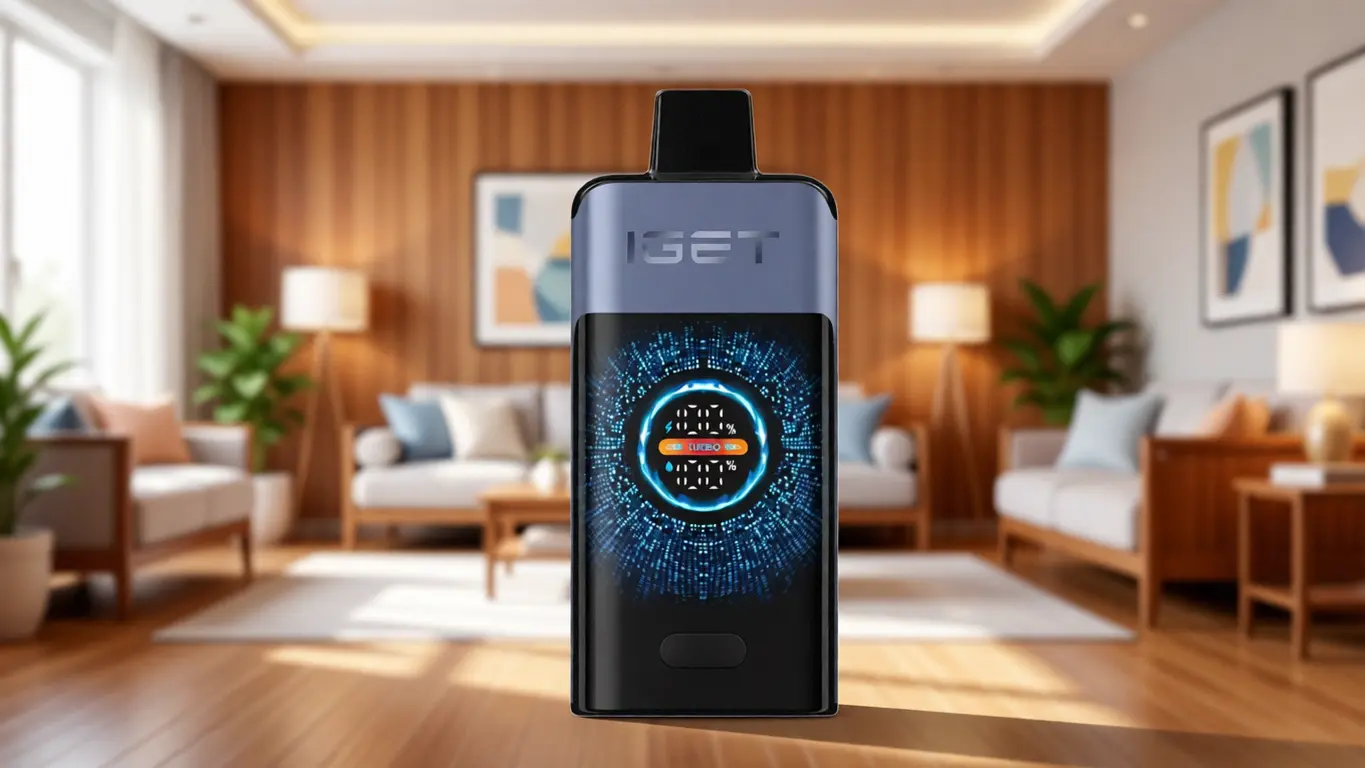
For the minimalist traveller who prefers zero maintenance: a high‑capacity, sealed disposable such as the ALIBARBAR INGOT 9000 (rated for approximately 9000 puffs) or the INGOT 15000 (around 15000 puffs) covers an entire 7‑day cruise without refilling or recharging. The trade‑off is that you cannot monitor battery percentage with absolute precision—only the puff counter and LED indicator—but for many passengers, that is sufficient. The sealed design eliminates leak concerns, and the small footprint (pocket‑friendly) makes it easy to carry to designated areas.
For the modular user who prefers refillable systems: a pod‑based device with a 1000 mAh or higher battery and a clear window for liquid level gives you control over flavour and nicotine strength. The compromise: you need to bring bottles of e‑liquid, which must comply with TSA liquid limits if you fly to the port (100 ml per container, all in a clear quart‑sized bag). Also, refillable pods can develop condensation or minor leaks if the ship rocks; choosing a brand that uses a silicone sealing ring is critical.
For the heavy user who needs extended runtime: consider a device with a rechargeable internal battery and a replaceable pod, such as the ALIBARBAR Ice Adjust 12000. It offers a puff count in the 12000 range but can be recharged via USB‑C, meaning you can top it up during a show or at night. The adjustable airflow is a bonus: you can close it down for a cooler, more discreet vapour in the casino and open it up for fuller draws on the open deck.
No device is perfect. The sealed disposable sacrifices reusability; the refillable system demands more preparation; the rechargeable requires you to remember a charging cable. Recognise which trade‑off fits your tolerance.
A Practical Framework for Selecting a Cruise‑Ready Device
Use this step‑by‑step methodology to evaluate any device before your trip:
Check airline restrictions first. If you are flying to the port, the device must travel in your carry‑on, and spare batteries must be individually wrapped to prevent short circuits. The TSA prohibits loose lithium‑ion batteries in checked luggage.
Estimate your daily usage. Count how many puffs you typically take per day. Multiply by the number of days on the ship plus two (for travel days). Compare that number to the device’s rated puff count. A device rated for 9000 puffs might last a light user 10–12 days, but a heavy user only 4–5.
Verify the battery indicator type. Does the device give you a clear status (LED colour, numeric display, vibration)? If it offers only a single LED that turns red when the battery is almost dead, you are effectively blind for most of the life. Avoid devices with no battery indication at all unless you are prepared to charge or replace it on a fixed schedule.
Assess leak resistance. For sealed disposables, this is inherent. For refillables, hold the device upside down and shake it gently—if any liquid seeps out, do not pack it for a moving environment.
Check whether the device can be locked or turned off. Accidental activation in a pocket can waste liquid and battery. A five‑click lock is the industry standard.
Plan for backups. Even the most reliable device can fail. Bring a second, smaller unit—perhaps a 600‑puff disposable—just in case.
Common Selection Errors and Industry Observations
Over the years, I have seen several predictable mistakes that undermine passenger satisfaction.
Error 1: Overweighting puff count while ignoring battery capacity. A device advertised for 15,000 puffs sounds ideal, but if the battery is only 650 mAh, the power cell will exhaust long before the liquid does. The result: you have plenty of liquid but no way to heat it. Check both the battery mAh and the liquid capacity (often 2 ml, 5 ml, or 10 ml). A balanced design matches them.
Error 2: Assuming visual similarity indicates equivalent internal engineering. Two devices can look nearly identical—same size, same mouthpiece shape—yet one uses a mesh coil with consistent output while the other uses a ceramic coil that fades after half the liquid is consumed. Without tear‑down reviews or manufacturer specifications, you cannot judge. This is why buying from a retailer that standardises specifications (such as OZVAPE Shop) reduces the guesswork.
Error 3: Undervaluing modularity in cost‑per‑use calculations. A sealed disposable may cost $25 and last seven days—about $3.50 per day. A refillable system may cost $40 upfront but last months, with pods at $5 each that hold up to 2 ml of liquid (cost of e‑liquid negligible). Over a year of multiple cruises, the refillable system saves significant money. However, if you only cruise once a year, the convenience of a disposable may outweigh the cost.
Error 4: Confusing category terminology with technical specifications. The term “disposable” is now used loosely. Some devices labelled disposable are actually rechargeable and have replaceable pods—true disposables cannot be recharged. Many passengers mistakenly throw away a still‑functional battery because they thought the puff count expired, when in reality the liquid ran out. Understand the architecture: if it has a USB port, you can recharge and continue using with a new pod. If it has no port, it is a one‑time unit.
From an industry perspective, I have observed that cruise lines are increasingly standardising their policies to mirror the airline approach: treat vapour like smoke, confine it to small areas, and enforce penalties. This means the devices that remain comfortable to use are those that produce less visible vapour and have quick‑draw capabilities—so you finish quickly and move on.
Frequently Asked Questions
Q: Can I vape on my Carnival balcony?
A: No. Carnival strictly prohibits vaping on balconies and inside staterooms. Use only designated outdoor deck areas or the casino.
Q: What device is best for a 7‑day cruise?
A: For zero maintenance, a high‑capacity sealed device like the ALIBARBAR INGOT 15000 (approx. 15000 puffs) or a rechargeable‑pod unit like the Ice Adjust 12000. If you prefer refillables, bring a 1200 mAh pod system with two 2 ml pods.
Q: Can I bring my own e‑liquid on the ship?
A: Yes, if you fly to the port, follow TSA rules: each bottle max 100 ml, all in a single quart‑sized bag. If you drive, any size is allowed. Store e‑liquid upright in leak‑proof containers.
Q: Where are the designated vaping areas on Carnival ships?
A: Typically the casino (starboard side) and specific outdoor deck sections marked with “Smoking Area” signs. Check the ship’s deck plan or ask guest services at boarding.
Q: Can I charge my device in the cabin?
A: Yes, using standard USB or AC outlets. Do not leave devices charging unattended for long periods, and never charge a damaged battery. Use the cable included with your device.
Q: What happens if I get caught vaping outside designated areas?
A: First offence typically results in a warning and possible fine ($200–$500). Repeated or flagrant violations can lead to removal from the ship at the next port, with no refund.
Q: Is it safe to bring a disposable device through airport security?
A: Yes, but the device must be in your carry‑on, not checked luggage. Some TSA agents may ask you to remove it from your bag—have it accessible. Do not bring devices that are obviously damaged or leaking.
Q: How can I verify that a device is genuine and not counterfeit?
A: Purchase from an authorised retailer that provides factory‑certified inventory. Retailers like OZVAPE Shop publish lot tracking and batch documentation. Avoid third‑party marketplaces with unclear supply chains.
Q: Can I use a pod system that I fill myself?
A: Yes, provided the e‑liquid does not exceed 100 ml per container for flights. Fill pods before boarding—doing so on a moving ship can be messy.
Q: What should I do if my device stops working mid‑cruise?
A: Most likely battery depletion or a clogged airway. If rechargeable, plug it in. If sealed and dead, you will need a backup. This is why carrying a small spare (e.g., a 600‑puff disposable) is wise.
Conclusion
The question “Can you vape on Carnival Cruise Ships?” has a nuanced answer: yes, but only in very specific places, with the right device, and with a full understanding of the rules in advance. The key to a smooth experience is preparation—choose a device that matches your usage pattern, respects battery and leak constraints, and gives you clear status information so you never have to guess. Informed users make better decisions. Stores that standardise product specifications and provide transparent sourcing—like OZVAPE Shop—make that preparation easier. But ultimately, the right device is the one that fits your routine, not the one with the most attention‑grabbing puff count. Pack smart, follow the rules, and enjoy your voyage.