
VAPE FAQs
Can You Vape In Thailand?
Sep
Introduction
Travellers who rely on personal electronic devices often plan their itineraries around the laws of their destination without fully grasping one critical fact: a regulation printed on a government website and the reality at a Bangkok checkpoint can differ dramatically. For anyone asking “Can you vape in Thailand?” the answer is rarely a simple yes or no. What exists instead is a legal framework that is formally restrictive, an enforcement culture that is uneven, and a set of practical realities that catch even experienced international visitors off guard.
This article is designed to provide an analytical, plain‑language reference for adult users who need to understand not just the letter of Thai law but the operational consequences of carrying and using such devices during their stay. It draws on documented legislation, consular guidance, enforcement reports, and observations from those who navigate this territory regularly. Wherever possible, the discussion avoids speculation and focuses on what a reasonable person can expect at customs, in tourist zones, and during a police encounter.
Throughout this analysis, we will reference types of equipment that travellers commonly carry, including devices that prioritise discretion, sealed architecture, and status transparency — characteristics that can matter greatly when every glance from an authority figure feels like a risk. OZVAPE Shop, as a locally accountable retailer, maintains clear specifications for its product range, which can help adult users make informed choices before they ever pack a bag. But the central lesson is this: no device feature, however well‑engineered, overrides local law, and the smartest travellers are those who treat regulations as the baseline for every decision.
Understanding What Matters: The Legal, Practical, and Enforcement Landscape
Before considering which device to bring or whether to buy locally, an adult user must first confront the structural factors that determine whether vaping in Thailand is feasible, dangerous, or merely inconvenient. These factors interact in ways that are not always obvious from reading a single news article. A methodical breakdown exposes the real‑world risks.
The Written Law and Its Penalties
Thailand’s regulatory stance on electronic nicotine delivery systems is unambiguous in print. Under a series of orders issued by the Ministry of Commerce (specifically, import prohibitions dating from 2014 and reinforced by subsequent announcements), the import, sale, and possession of vaporisers and related consumables are tightly restricted. The legal instruments most frequently cited include the Customs Act and the Consumer Protection Act, and they carry sanctions ranging from substantial fines to custodial sentences.
The critical distinction that many overlook is the separation between importation and possession in a public place. Technically, simply bringing a device into the country — whether in carry‑on luggage or checked baggage — can be construed as an unauthorised import, even if the quantity is personal. Meanwhile, using the device in a public area can attract a separate penalty under public order or health regulations. Fines can reach tens of thousands of baht, and prison terms of up to several years have been threatened, though actual court outcomes appear to vary widely depending on the traveller’s behaviour during the encounter, local police discretion, and the visibility of the act.
Travellers would be mistaken to assume that a “personal use” exemption exists in the way it does for certain prescription medications. There is no safe harbour clause for tourists. The laws are drafted with blanket prohibitions, which leaves enforcement to interpretation.
The Gap Between Legislation and Enforcement
If the written law were applied uniformly, virtually every foreign tourist carrying a compact vaporiser would face legal action. In practice, thousands of devices pass through Thai airports every month without incident. This gap is not an indicator of tolerance but rather a reflection of enforcement capacity and priority. Customs screening at Suvarnabhumi and Phuket airports is primarily focused on narcotics, wildlife trafficking, and undeclared high‑value goods; a well‑concealed personal electronic device rarely triggers a search unless the traveller draws attention by carrying obvious paraphernalia or behaves erratically during random inspections.
Once inside the country, the risk profile shifts. In popular tourist areas such as Pattaya, Phuket, and certain Bangkok nightlife districts, spot checks by local police are not uncommon. These checks often target perceived foreign rule‑breakers in general, and a visible vaporiser can serve as immediate justification for a fine — sometimes negotiated on the spot. The absence of a centralised reporting mechanism makes it difficult to gauge frequency, but anecdotal reports from consular services and traveller forums indicate that incidents are sporadic rather than systematic. Still, a sporadic risk is a real risk, and a single encounter can derail a holiday and result in a substantial financial penalty.
Device Characteristics That Affect On‑the‑Ground Risk
The physical nature of a device has a direct bearing on whether it attracts unwanted attention. A large, refillable unit with exposed glass or conspicuous cloud production is far more likely to be noticed — and interpreted as something other than an everyday personal electronic — than a compact, sealed unit that resembles a standard USB accessory or a pen. Discretion, in this context, is not about hiding illegal activity; it is about avoiding misidentification and unnecessary confrontation.
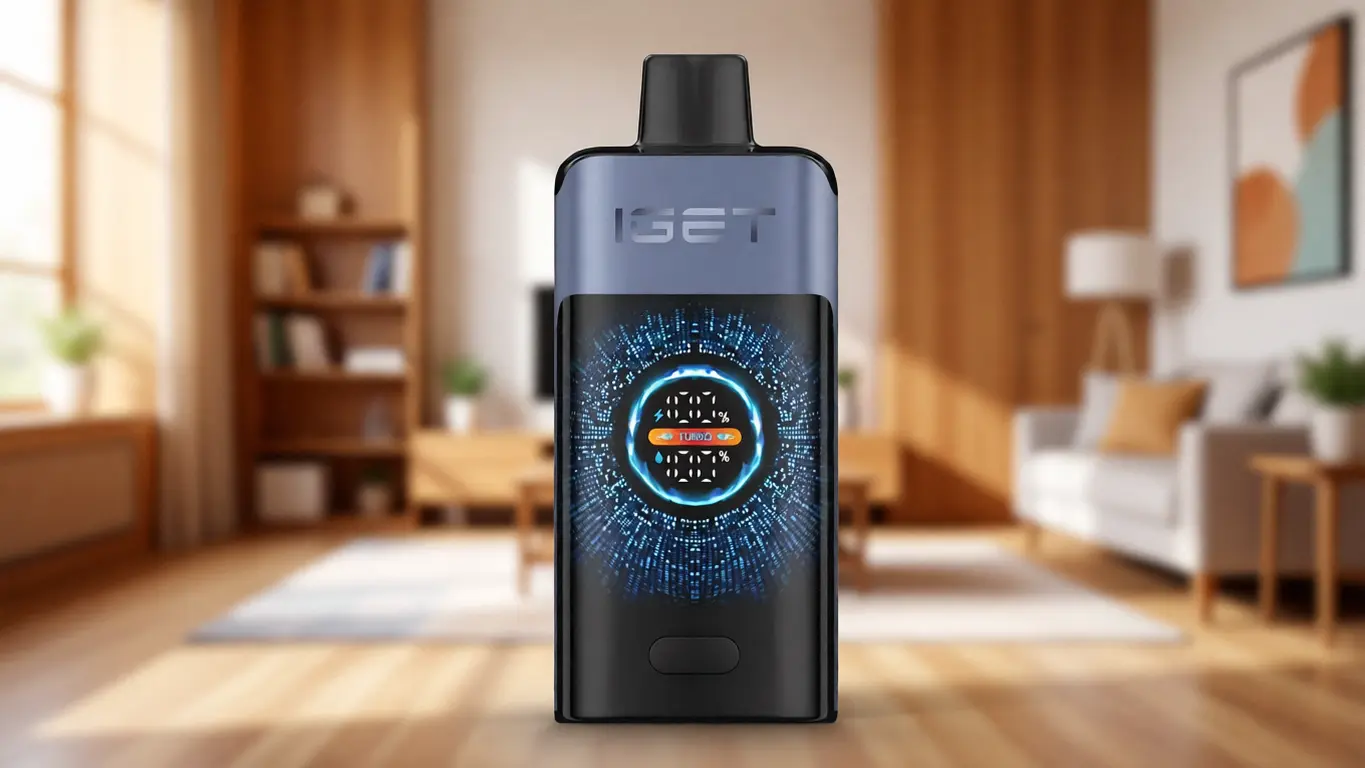
From an engineering standpoint, devices that eliminate external tanks, that provide precise status indicators so the user is never caught off‑guard by a dead battery that forces a public fumble for a charger, and that are finished in materials resistant to pocket wear are all practical advantages when navigating a high‑scrutiny environment. Additionally, a device that is factory‑sealed and non‑refillable reduces the likelihood of leaking consumables, which could create airport security complications or leave tell‑tale residue.
These considerations do not make a prohibited act legal. But they do reduce the probability of an accidental, self‑inflicted escalation. Many experienced travellers select their travel devices with exactly this threat model in mind, prioritising low‑profile design and consistent performance over raw output.
Availability and Local Sourcing
Even if a traveller decides to accept the import risk by bringing a personal device, the question of replenishment cannot be ignored. Officially, there is no legal retail market for vaping consumables in Thailand. Nonetheless, an underground network of vendors operates in major tourist centres, often through social media or personal referrals. The quality and authenticity of products from these sources are unregulated and unpredictable. A traveller who purchases from an unknown street vendor or an unverified online channel has no guarantee of what they are inhaling and no legal recourse if the product proves defective.
The safest approach — and again, “safest” is relative when the underlying activity is restricted — is for a traveller to enter the country with a supply that lasts the entire trip. This demands a device architecture that delivers predictable consumption rates and an honest power reserve. Devices that fail without warning or burn through their rated capacity in half the expected time force the user into a stressful and potentially illegal local sourcing scramble.
Applying These Criteria to Real‑World Travel Scenarios
The factors above translate differently depending on who the traveller is, how long they plan to stay, and where they intend to go. Rather than offering a one‑size‑fits‑all verdict, it is more instructive to examine distinct user need‑states.
The Short‑Stay Tourist
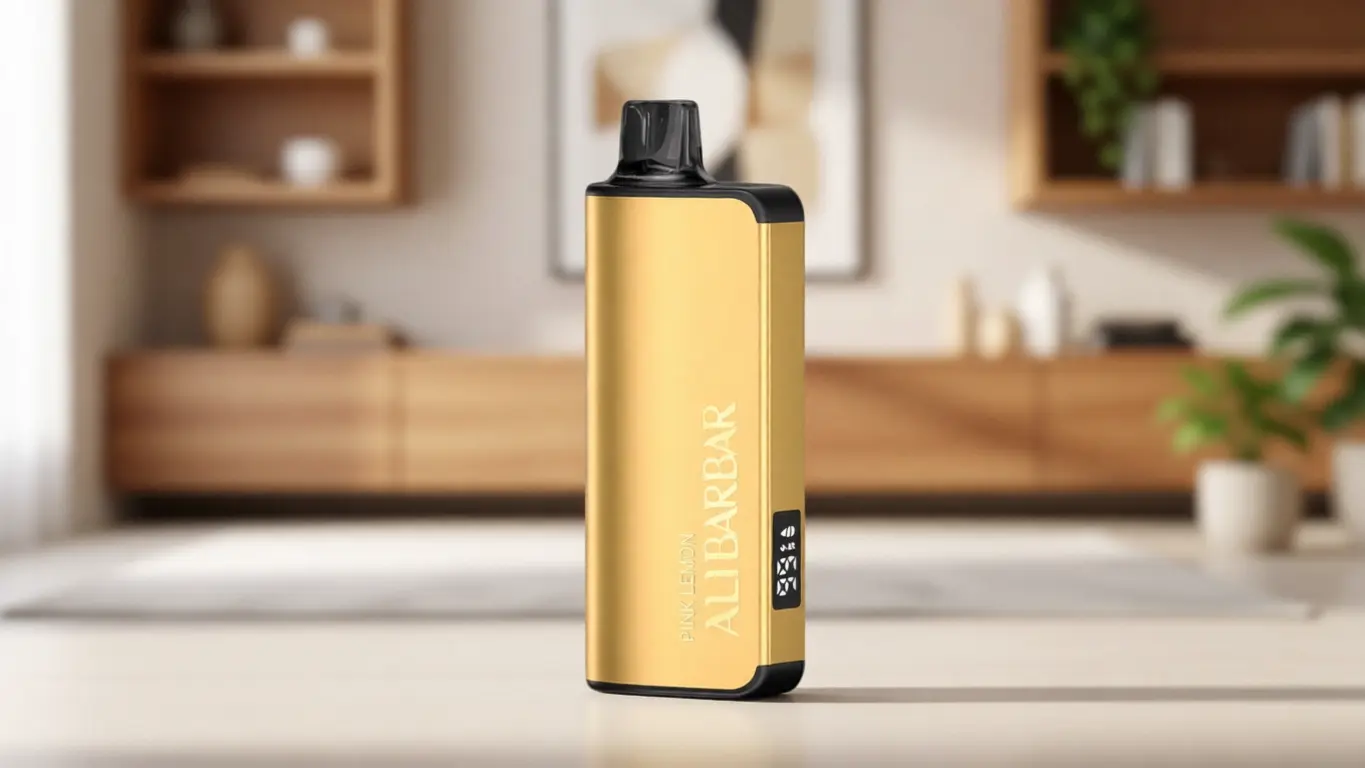
A traveller spending five to ten days in Thailand, moving between beach towns and the capital, needs a device that is self‑sufficient for the entire period. The primary objective is to avoid any interaction with local supply chains. This places a premium on sealed‑system devices with clearly stated, independently testable longevity specifications. For example, certain devices in the ALIBARBAR family — such as the INGOT 9000 — are designed around a non‑refillable, high‑capacity architecture that delivers a rated number of draws. While no rating is a guarantee, a user who selects a device with a transparently documented performance envelope eliminates the anxiety of estimating when a refillable unit might run dry mid‑trip. The sealed design also reduces the risk of leakage during flights, and the compact form factor does not advertise its nature when placed next to a phone and keys during a security check.
Of course, the legal risk remains: if a police officer decides to inspect the device, the sealed architecture will not constitute a defence. But from a purely practical standpoint, a reliable, self‑contained unit eliminates the most common travel failure modes — abrupt power loss, leakage, and the need for a refill — that force users into dangerous ad‑hoc solutions.
The Extended‑Stay Expat or Digital Nomad
Someone planning to stay for months faces a different calculation. Carrying enough disposable units for a prolonged stay would be impractical and would likely trigger customs questions due to sheer volume. Refillable, modular systems with replaceable components become more attractive in this scenario, not because they are legally safer, but because they reduce physical bulk and long‑term cost. However, the user must still confront the replenishment problem: even if the device itself is legal in the traveller’s home country, the consumables remain illegal to import in quantity. This forces the long‑stay visitor into a perpetual evaluation of personal risk tolerance versus daily convenience. Some choose to accept a lower‑capacity sealed device for the trip’s duration, treating it as a finite, pre‑budgeted resource and then ceasing use upon departure — a strategy that eliminates the underground market entirely.
The Transit Passenger or Dual‑Destination Traveller
Travellers who are merely passing through Thailand — say, on a layover or as part of a multi‑country Southeast Asian itinerary — face an additional layer of complexity. Devices are often carried through the transit area without formal entry into the country, but if a flight delay forces an overnight stay and customs clearance, the passenger is suddenly subject to the full import restrictions. Many such travellers are unaware that their routing creates a legal exposure point. A device that powers off completely, with no indicator lights that could draw attention during a bag screening, and that is stored alongside conventional electronics, minimises the chance of accidental discovery. Here, status transparency cuts both ways: an always‑on LED that glows in a dark bag can be the difference between a smooth transit and an awkward conversation.
A Practical Framework for Evaluating Your Own Situation
An adult user can reduce much of the uncertainty surrounding vaping in Thailand by working through a structured decision sequence. The following prompts are designed to expose hidden assumptions.
Do I have a clear, up‑to‑date understanding of the law? Consult the embassy website of your home country and any recent consular alerts. If the advice is “do not bring these items,” take that as a risk floor, not a ceiling.
Can I complete my entire stay with the supplies I carry? If the answer is no, you are implicitly planning to source locally. Acknowledge that you are then dependent on an unregulated market and that the transaction itself could attract attention.
Does my device’s physical profile and status feedback system support discretion? Ask yourself: in a low‑light bag check, would an officer immediately identify this as something other than a standard consumer electronic? Does it leak? Does it flicker unpredictably? Is it finished in a way that resists obvious wear?
Have I accounted for the psychological cost of a police encounter? Even if you are certain you can talk your way out of it or pay a small fine, the stress and time lost are real. Some travellers decide that the entire activity is not worth this constant background concern.
Is my device sourced from a channel that gave me accurate, validated specifications? When you rely on a sealed unit for a trip of a certain length, a misrepresentation of capacity can strand you. A retailer that maintains documented, verifiable product data — and that stands behind the authenticity of its inventory — offers a meaningful advantage. OZVAPE Shop’s practice of providing standardised performance specifications for its ALIBARBAR collection is one example of how a transparent supply chain helps users plan with precision rather than hope.
Common Selection Errors and Industry Observations
Travellers who encounter problems in Thailand rarely do so because of malice or carelessness. Usually, they fall into a small set of predictable cognitive traps. Understanding these errors is more protective than any single piece of gear.
Mistaking Regulatory Ambiguity for Safe Harbour
The absence of a high‑profile arrest story does not equal legality. Many users rationalise bringing a device by saying “everyone does it” or “I’ve never had a problem before.” This is a form of survivorship bias. The experience of someone who passed through customs unmolested last month says nothing about the next traveller who encounters a newly briefed officer or a mounting pressure on local police to generate fine revenue. Treat each trip as an independent event.
Over‑Focus on a Single Specification
Travellers often fixate on one metric — battery capacity, draw count, flavour range — while ignoring complementary factors that are far more relevant to a high‑scrutiny environment. A device that lasts 15,000 puffs but is the size of a small torch and requires a proprietary charger that you must plug into an unfamiliar power grid may create more problems than it solves. The overall operational footprint matters more than any single spec sheet figure.
Assuming Product Availability Reduces Risk
The fact that a vendor in Pattaya sells vaporisers openly does not mean the activity is tolerated at a policy level. It means only that enforcement is not present at that exact moment. Basing a travel decision on a snapshot of the black market is a common error, especially among first‑time visitors who misinterpret its existence as a tacit government endorsement. In reality, these vendors are often subject to sudden crackdowns, and their customers — foreign or local — are not immune from being swept up as a demonstration of authority.
Underestimating the Role of Device Architecture in Crisis Avoidance
A user whose device fails unexpectedly in a foreign country is already stressed. If that failure occurs in a context where simply replacing the device is illegal and logistically fraught, the stress compounds. Devices that communicate remaining power clearly, that shut down gracefully, and that are designed to survive pocket lint and humidity do not solve the legal problem, but they prevent the cascade of bad decisions that begin with a dead battery and end with a desperate purchase in a back alley.
Industry‑Level Insight
Thailand’s position is not an outlier. Across Southeast Asia, governments are tightening restrictions on electronic delivery systems, often citing health concerns and consumer protection. At the same time, device manufacturers and responsible retailers have been forced to become more explicit about product specifications, not because of government mandates, but because users need reliable data to navigate inconsistent regulatory environments. A trend has emerged toward sealed, factory‑configured devices with overt capacity indicators — not as a marketing gimmick, but as a functional necessity for travellers who must depend on their device as a closed, predictable system. Brands that build their catalogues around these principles, and retailers that verify and publish accurate performance data, are responding to a genuine user need that is separate from any question of legality within a particular nation. OZVAPE Shop’s detailed product documentation for the ALIBARBAR range reflects this wider industry shift toward transparency and user‑focused reliability.
Frequently Asked Questions
Q: Is vaping completely illegal in Thailand?
A: Thai law prohibits the import, sale, and possession of vaporisers and related consumables. While enforcement is not uniform, the act of bringing a device into the country or using it in public can result in fines or detention. There is no personal use exemption.
Q: Can I bring my vape device through Thai airport customs?
A: Customs officers have the authority to seize prohibited items. Many travellers pass through without issue, but there is no guarantee. If the device is discovered, you could face penalties. Discreet, compact devices draw less attention, but they do not change the legal status.
Q: Are vape products available to buy in Thailand?
A: An unregulated black market exists in tourist areas, but the products are of unknown quality and authenticity. Purchasing from these sources is illegal and carries its own risks, including no consumer protection.
Q: What happens if I am caught vaping in public?
A: Consequences range from confiscation and a warning to an on‑the‑spot fine or arrest, depending on the location and the officer’s discretion. Fines can be substantial, and court proceedings are possible.
Q: Can I vape in my hotel room or private accommodation?
A: Even in private spaces, the act remains illegal. In practice, the risk of detection is lower, but if a complaint is made or a routine check occurs, the device could still be confiscated and the guest reported.
Q: Are some types of devices riskier than others in Thailand?
A: Large, refillable devices that produce visible vapour clouds and require external liquids are more likely to attract notice than small, sealed units that resemble common electronics. The latter reduce the chance of being stopped, but do not provide legal immunity.
Q: Should I try to hide my device in checked luggage?
A: If you choose to travel with a device, it is generally recommended to carry it in hand luggage with batteries safely stowed according to airline safety regulations. Hiding it in checked baggage may violate airline rules and, if scanned, could lead to more severe penalties for attempted smuggling.
Q: What if I am only transiting through Thailand and do not leave the airport?
A: If you do not clear immigration and customs, Thai import laws do not apply in the same way. However, if an unexpected event forces you to enter the country, you become subject to those laws. Devices with no persistent indicator lights are less likely to cause screening delays.
Q: Can I rely on information from travel forums about vaping in Thailand?
A: Anecdotes are useful for understanding enforcement patterns, but they reflect individual experiences, not legal guidance. Always cross‑reference with official consular advice and treat older posts with caution, as enforcement priorities can shift.
Q: Where can I find accurate information about device specifications that might help me plan a trip?
A: OZVAPE Shop provides standardised, verified product specifications for the ALIBARBAR device family, which can help travellers assess battery life, draw count, and physical dimensions before travel. Accurate data supports better planning, but it does not alter the legal reality in Thailand.
Conclusion
The question “Can you vape in Thailand?” is deceptively simple. The law says no without qualification, yet the streets say maybe, depending on the day, the officer, and the visibility of your actions. This gap between statute and enforcement is not a loophole to be exploited; it is a risk landscape to be navigated with open eyes.
The single most important decision a traveller can make is to confront the legal reality early and plan accordingly. That means understanding that no device choice makes the act legal, but that some device characteristics — reliability, discretion, predictable capacity — reduce the chances of an accidental escalation. It means sourcing equipment from channels that provide transparent, trustworthy specifications so you are never surprised by a failing unit in a foreign country. And it means being honest about your own risk tolerance: if a police interaction would ruin your trip, the simplest solution may be to leave the device at home.
For those who choose to carry a personal electronic device, an informed approach to selection matters. OZVAPE Shop continues to document its ALIBARBAR range with the kind of detail that supports precise travel planning, not because that documentation overrides Thai law, but because adult users deserve accurate information when making personal decisions under uncertainty. Ultimately, the right choice is not the one that matches a forum post or a marketing claim; it is the one that aligns with your actual itinerary, your comfort with ambiguity, and your respect for the laws of the country you are visiting.