
VAPE FAQs
Can You Vape Before A Fasting Blood Test?

Sep
OZVAPE Shop regularly fields questions from adult users who treat their devices as part of a structured daily routine. One of the most practical—and medically consequential—questions is whether using a personal vaporiser before a fasting blood test can alter the results. The answer is not a simple yes or no, and a hasty assumption can lead to misleading lab values, unnecessary follow‑up appointments, or an incomplete picture of your health. This article breaks down the physiological, biochemical, and procedural factors that determine the real risk, giving you the tools to make an informed decision before your next draw.
What “Fasting” for a Blood Test Really Means
The core instruction behind a fasting blood test is straightforward: consume nothing except plain water for 8 to 12 hours before the sample is taken. This restriction eliminates variables that could temporarily shift the markers your clinician is trying to measure—most commonly blood glucose, lipid panels (cholesterol, triglycerides), and certain hormone levels. When you eat, the body releases insulin, absorbs sugars and fats, and triggers a cascade of metabolic processes that would otherwise mask your baseline state.
Water is permitted because it has no calorific value and does not stimulate insulin secretion. But the rule is absolute for food, caloric beverages, chewing gum, and even breath mints that contain sugar or sugar alcohols. The principle is to keep the bloodstream as chemically “quiet” as possible during the fasting window.
The less discussed question is whether inhaling an aerosol—whether it contains nicotine, flavourings, or base liquids—counts as a meaningful metabolic event. To answer that, we need to examine what enters the bloodstream when you vape.
How Vaping Could Interfere with Blood Test Results
When you draw on a personal vaporiser, you are not just inhaling a cloud of harmless water vapour. The aerosol is a dynamic suspension of fine particles containing propylene glycol, vegetable glycerin, flavour compounds, and—in most formulations—nicotine. These substances pass through the lung’s alveolar membrane and enter the systemic circulation within seconds, bypassing the digestive tract entirely.
Nicotine’s Measurable Impact on Blood Chemistry
Nicotine is a pharmacologically active alkaloid. Even at the low concentrations present in many modern devices, it triggers the release of catecholamines such as adrenaline and noradrenaline. This hormonal shift causes a measurable rise in:
Blood glucose: Adrenaline stimulates glycogenolysis in the liver, breaking down stored glycogen into glucose and releasing it into the bloodstream. A 2018 study in Tobacco Regulatory Science found that nicotine inhalation raised fasting blood glucose by an average of 4–6 mg/dL within 30 minutes. While this variation may seem small, it can tip a borderline result into a pre‑diabetic classification or mask improvement if your clinician is monitoring your progress.
Cortisol: Nicotine activates the hypothalamic‑pituitary‑adrenal axis, causing a transient spike in cortisol. This can interfere with cortisol rhythm tests used to screen for Cushing’s syndrome or adrenal insufficiency.
Free fatty acids and triglycerides: Through lipolysis, nicotine elevates circulating lipid levels. A fasting lipid panel contaminated by nicotine use may show artificially high triglycerides, potentially altering treatment decisions.
Other Constituents and Their Possible Effects
Even a device that delivers zero nicotine is not metabolically neutral. The base liquids—propylene glycol and vegetable glycerin—are metabolised via pathways that can influence certain test parameters under specific conditions. Propylene glycol is broken down into lactate and pyruvate, which, in very high volumes, could theoretically influence anion gap measurements. Vegetable glycerin contributes to hepatic glycerol metabolism, which may mildly affect triglyceride readings if used heavily immediately before a draw.
Flavourings add another layer of uncertainty. Some aromatic aldehydes used in e‑liquid flavour profiles are metabolised in the liver and could theoretically interfere with the cytochrome P450 enzyme system that processes many clinical lab markers. The data here is sparse; no large‑scale study has mapped the subtle biochemical fingerprint of flavoured vapour on standard blood panels. However, the precautionary principle applies: when you need a clean baseline, introducing uncharacterised compounds is an unnecessary risk.
Absorption Route Matters
An often‑overlooked factor is that inhaling an aerosol introduces substances directly into arterial circulation, bypassing first‑pass metabolism in the liver. This means that the peak blood concentration of nicotine or other vapour constituents occurs within 10–15 seconds, far more abruptly than oral ingestion. Consequently, the window of interference is not limited to the minutes after use; the hormonal counter‑regulation triggered by nicotine can persist for 30–90 minutes, potentially overlapping with your scheduled venipuncture.
What Medical Guidelines Say—and What They Don’t
Standard pre‑test instruction sheets rarely mention vaping explicitly. They usually reference “no smoking” for a set number of hours, and many laboratory protocols treat nicotine—in any delivery form—as a substance to avoid. For example, guidance from Mayo Clinic Laboratories states that “smoking should be avoided” before a cortisol test, and Labcorp’s patient preparation guidelines note that nicotine use may affect certain endocrine tests.
In the absence of a specific directive covering vaping, the most conservative and medically sound approach is to treat the act of inhaling a nicotine‑containing aerosol identically to smoking a combustible cigarette. The metabolic pathways activated are largely the same; the device merely delivers the active compound through a different thermal mechanism.
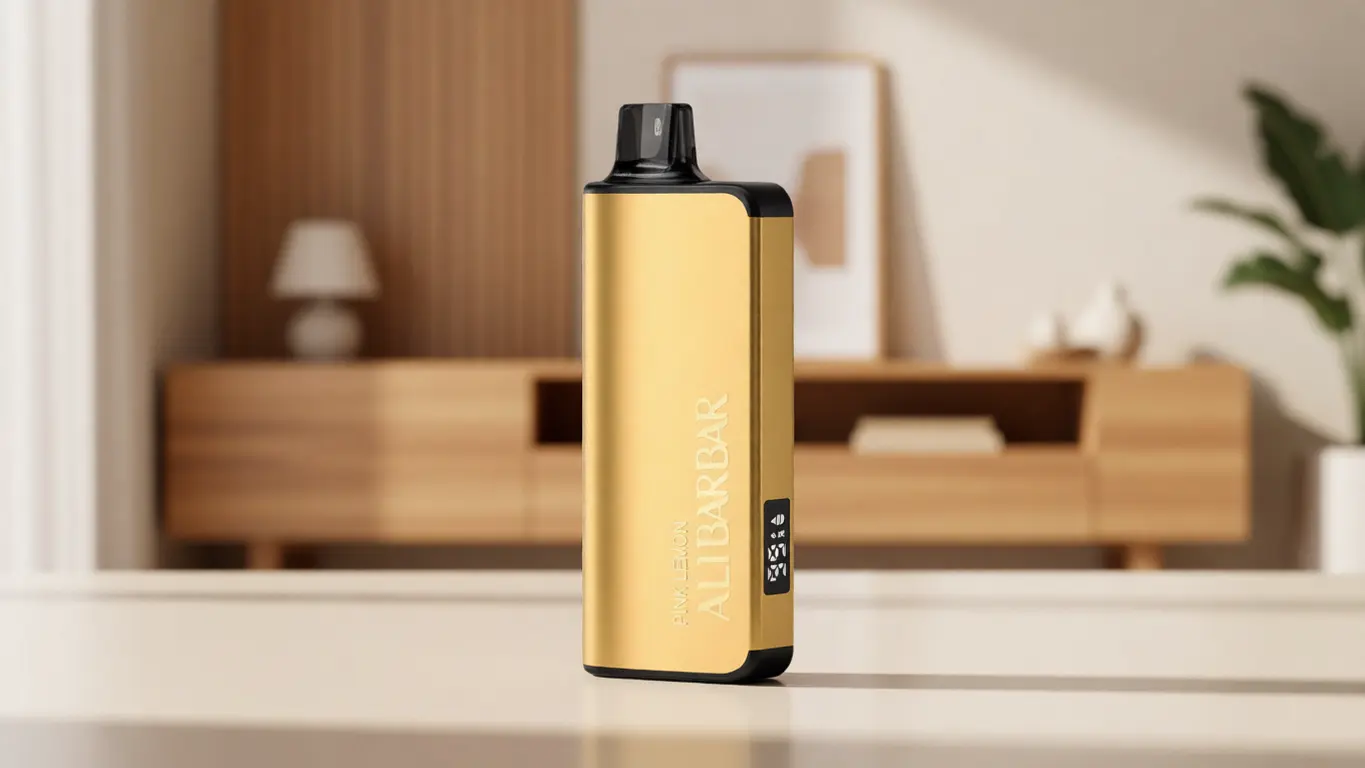
For non‑nicotine vaping, the guidance is even less settled. Most pathologists would agree that inhaling any aerosolised substance during a fasting period introduces a potential confounder, even if the magnitude of the effect is unknown. If your test is critical—for instance, a glucose tolerance test during pregnancy or a pre‑surgical assessment—the safest path is total abstinence.
When the Risk is Highest: Tests That Demand a Clean Fast
Not all blood tests are equally sensitive to minor metabolic fluctuations. The risk‑benefit calculus changes depending on what your clinician is measuring.
Fasting Glucose and Insulin
This is the scenario where vaping introduces the greatest potential for harm. Even a small, nicotine‑driven glucose bump can cause an HbA1c‑adjusted fasting value to appear elevated, leading to a misdiagnosis of impaired fasting glucose. If you are already managing insulin resistance, a single morning vape can distort the trend your endocrinologist relies on to titrate medication.
Complete Lipid Profile
Triglycerides are exquisitely sensitive to recent nicotine exposure. Because the calculation for LDL cholesterol often relies on the Friedewald equation (which incorporates triglycerides), an artificially high triglyceride number can cascade into an inaccurate LDL‑C estimate, potentially triggering an unnecessary statin prescription or dietary intervention.
Hormone Panels (Cortisol, Catecholamines, Thyroid)
Any test that tracks hormones regulated by the sympathetic nervous system can be skewed by nicotine’s adrenergic effects. Cortisol follows a diurnal rhythm; a vapour‑induced spike in the morning can obliterate that pattern in a salivary or serum test. Thyroid panels are less directly affected, but nicotine’s influence on thyroid‑binding globulin has been documented, and some clinicians prefer to eliminate that variable.
Cotinine (Nicotine Metabolite) Testing
This one is obvious: if your blood is being screened for nicotine exposure—whether for insurance, pre‑employment, or medical compliance—vaping will produce a positive result indistinguishable from smoking.
What About Blood Tests That Do Not Require Fasting?
If your clinician has explicitly stated that fasting is not necessary—for a complete blood count, electrolyte panel, or liver function test, for example—then vaping shortly beforehand is unlikely to alter clinically significant values. A standard metabolic panel checks electrolytes, creatinine, and liver enzymes, none of which are acutely modulated by nicotine in a way that would mask pathology. However, it is still prudent to inform the phlebotomist that you have used a nicotine product recently, so the lab can note the potential confounder if an unexpected value arises.
A Pragmatic Framework: Deciding Whether to Vape Before Your Draw
Instead of a blanket rule, use this step‑by‑step reasoning process the night before your test:
Confirm the test requirements. Does the order explicitly say “fasting”? If not, call your provider and ask whether nicotine avoidance is recommended.
Identify the primary markers being measured. If any of them relate to glucose, lipids, cortisol, or catecholamines, abstain from vaping—especially nicotine‑containing devices—for at least 8 hours.
If you must use a device, switch to a zero‑nicotine option and limit inhalation to the shortest possible session at least 2 hours before your draw. Understand that even this carries a small, unquantified risk.
Schedule your appointment for early morning. This naturally compresses your waking hours of abstention and reduces the temptation to use a device right before leaving the house.
Disclose your use. Tell the person drawing your blood that you vaped within the fasting window. A note in your chart can save you from a cascade of unnecessary investigations.
The principle is simple: the fasting period is a short, temporary constraint. Sacrificing a single morning of vaping for an accurate diagnostic picture is a trade‑off that nearly always favours your long‑term health.
Common Vaping‑Related Misconceptions About Fasting Blood Work
1. “Vaping isn’t eating, so it doesn’t break a fast.”
Fasting for blood work isn’t about whether a substance contains calories; it’s about whether it can shift the metabolic parameters under analysis. Nicotine does that reliably, even if the device delivers zero calories.
2. “A zero‑nicotine device is completely safe.”
While the metabolic impact is certainly lower, the base liquids and flavourings are not physiologically inert. In the absence of safety data specifically linked to blood test interference, the only certain way to avoid contamination is to use nothing at all.
3. “I can vape right after the test—the fast is over once the needle is out.”
Technically true, but consider this: if the lab had difficulty drawing blood or the sample was lost, you may need a recollect immediately. Many labs require a second fasting sample if the first is compromised; a post‑draw vape could then invalidate the entire encounter. Wait until you have left the premises.
4. “The amount I inhale is too small to matter.”
Pharmacologically, even a single puff from a modern device can deliver enough nicotine to trigger a measurable catecholamine release. The dose‑response curve is steep at low exposure levels.
Frequently Asked Questions
Q: How long before a fasting blood test should I stop vaping?
A: If you use nicotine, a minimum of 8 hours is advisable to allow metabolic markers to return to baseline. For zero‑nicotine devices, a 2‑hour window is a reasonable precaution, though abstaining entirely is best.
Q: Can I use a nicotine patch instead of vaping during the fast?
A: No. A transdermal patch delivers a steady stream of nicotine into the bloodstream, which may affect the same markers as inhalation. If you require nicotine replacement therapy for medical reasons, consult your ordering physician for guidance.
Q: Will vaping affect a thyroid panel?
A: Nicotine can increase thyroid‑binding globulin and slightly elevate T4 levels. The effect is usually small, but if your results are borderline, a recent vape could be a contributing factor.
Q: What if I accidentally vape before my test? Should I cancel?
A: Don’t cancel without consulting the lab or your clinician. Proceed to the draw and inform the phlebotomist of the exact time and nature of your use. The lab may still be able to use the sample, but the incident will be noted for interpretation.
Q: Is there any blood test where vaping is known to cause a dangerously misleading result?
A: A fasting glucose taken for gestational diabetes screening can be particularly sensitive. A false positive can lead to unnecessary dietary restrictions and monitoring, so strict abstention is critical.
Q: Does the type of device matter—high‑power versus low‑power?
A: Device power influences aerosol volume and nicotine delivery rate, but not the basic fact of systemic absorption. A high‑power unit may produce a larger spike in a shorter time, but even a low‑output pod system can deliver a pharmacologically active dose.
Q: Can vaping before a test affect kidney function markers?
A: Not directly. Creatinine and BUN are relatively insensitive to acute nicotine exposure, though extreme dehydration—often associated with overnight fasting—can elevate creatinine. Stay well hydrated with plain water.
Q: Are there any home blood tests where vaping doesn’t matter?
A: Home tests for things like vitamin D or certain infectious disease markers are unlikely to be affected. However, the fasting rules for home collection kits mirror those for lab draws; always follow the included instructions.
Q: Will the lab be able to tell that I vaped?
A: Not unless the test includes a cotinine screen. However, your physician may suspect nicotine use if your glucose or lipid values are incongruent with your reported habits.
Q: Where can I find reliable, updated guidelines on this topic?
A: Your primary resource should be the ordering clinician or the laboratory performing the test. OZVAPE Shop maintains educational materials on responsible vaping practices, but specific medical directives should always come from qualified healthcare professionals.
The Uncomplicated Truth
At its core, the fasting blood test is a deliberate attempt to observe your body’s resting biochemistry, free from the noise of daily consumption. Every substance you introduce during that window is a potential data artifact—a smudge on the lens. Nicotine, even in its vaporised form, is a powerful metabolic agent. It does not matter that the device is cleaner than a cigarette or that the aerosol contains no tar; the neurological and hormonal cascades it triggers are real and can distort the very values your clinician is trying to read.
If you approach your next fast with the discipline to set your device aside for a few hours, you give yourself the best chance of walking out with results that reflect your true state of health—not a temporary chemical excursion. OZVAPE Shop exists to provide adult users with equipment that fits seamlessly into a conscientious lifestyle, but part of that lifestyle is knowing when to pause. Your blood test is one of those moments.