
VAPE FAQs
Can You Vape After Whitening Strips?
Jun
The Overlooked Interaction Between Oral Care and Portable Device Use
Someone who has just completed a whitening strip session is, in that moment, primarily concerned with results — how many shades lighter, how much sensitivity, how long until the next application. Rarely does the question of whether to use a personal electronic device enter the picture. Yet it surfaces repeatedly in forums, support channels, and quiet conversations among users who value both aesthetic results and the consistency of their daily routine.
The anxiety behind the question is legitimate, not because of a single dramatic danger but because of an accumulation of small, plausible interactions that most guidance completely ignores. Teeth whitening strips work by temporarily increasing enamel permeability, which means the oral environment is in a heightened state of reactivity for a finite window. Introducing heat, airflow, and a cocktail of vapour-phase compounds into that environment during that window is not automatically harmful, but it certainly merits more than a yes‑or‑no answer. What follows is a technical, structured examination of the mechanisms at play, so that adult users can make informed decisions based on their own thresholds and the devices they rely on. For those who value transparency in both product sourcing and educational content, platforms like OZVAPE Shop represent a shift toward documented, specification‑driven information, which is precisely the kind of context needed to approach questions like this one.
Understanding What Matters: The Science of Whitening Strips and Oral Sensitivity
The typical whitening strip contains a thin layer of hydrogen peroxide or carbamide peroxide gel, held against the tooth surface for a prescribed duration — usually 15 to 30 minutes. The peroxide diffuses through enamel to reach the dentin layer, where it oxidises organic chromogens responsible for staining. This is an effective mechanism, but it is not a gentle one. During and immediately after use, the enamel’s natural barrier function is compromised, and microscopic pores that are normally sealed open up. This is what causes the temporary spike in sensitivity that many users report: dentinal tubules become exposed, allowing external stimuli to reach the nerve tissue deep inside the tooth.
The duration of this vulnerable state varies by product concentration, individual enamel density, and the presence of remineralising agents in the strip formula, but a conservative window of two to four hours is widely cited in dental literature. What happens if vapour is introduced during that period?
The first concern is thermal. Vapour exits a device at a temperature that can range from 30°C to over 60°C at the mouthpiece, depending on power output and coil design. Teeth that are already sensitive will register this heat far more acutely, and the thermal expansion and contraction within the tooth structure can, over repeated exposure, contribute to microfractures. Even if pain is not immediate, the stress is real.
The second concern is chemical. Vapour contains propylene glycol, vegetable glycerin, flavour compounds, and often nicotine. Propylene glycol is hygroscopic — it draws moisture from surrounding tissue. In an oral cavity where enamel is temporarily more porous, this drying effect can exacerbate sensitivity and delay the natural remineralisation process. Flavour compounds, particularly acidic ones like citrus or cinnamon, can further lower the local pH, directly counteracting the neutral or slightly alkaline environment that supports enamel repair.
The third concern is mechanical. The act of drawing vapour through a mouthpiece creates negative pressure and turbulent airflow across tooth surfaces. This is normally irrelevant, but when teeth are freshly treated, the air current can irritate the already‑stimulated dentinal nerves, producing a sharp, fleeting discomfort that is easy to dismiss but signals that the tooth is not yet ready for normal function.
These factors do not mean that a single draw will ruin whitening results. They do mean that the interaction deserves a structured decision framework, not a blanket prohibition.
Core Factors That Determine Safety and Comfort When Vaping After Whitening
Rather than asking “is it safe,” a more productive approach is to identify the specific device characteristics and usage patterns that make a difference. The following factors are drawn from engineering principles and documented user experiences, not from alarmist assumptions.
Temperature of Vapour and Its Effect on Sensitive Teeth
The temperature that reaches the mouth is a product of coil resistance, power delivery, and airflow design. A poorly regulated device can produce hot spots — brief spikes in temperature that are barely perceptible under normal conditions but extremely uncomfortable when enamel is sensitised. Devices that prioritise consistent temperature control, with overshoot protection and steady wicking, deliver a smoother thermal profile. This is not a luxury feature; it becomes a genuine safety consideration when oral tolerance is lowered.
In practice, a device that has a reputation for “cool” vapour — often achieved through lower wattage, larger surface‑area coils, or additional air‑cooling channels — will be far less likely to trigger a painful response. The difference is not marginal. A 10°C increase at the mouthpiece can be the dividing line between a neutral experience and an aversive one.
Airflow and Draw Resistance: Minimizing Oral Irritation
Tight draw resistance forces the user to pull harder, increasing negative pressure inside the mouth. This mechanical stress is precisely what a sensitised tooth does not need. A device designed with a deliberately open, low‑resistance airflow pathway reduces the suction effort, which in turn reduces the turbulence across tooth surfaces. This is not a matter of preference; it is a matter of engineering. Devices with fixed airflow are often tuned for a specific draw style. If that style involves a restrictive pull, the post‑whitening user may experience discomfort even if the vapour temperature is ideal. Adjustable airflow systems give the user precise control, and in this context, that control is clinically relevant.
Chemical Composition: What’s in the Vapour and How It Interacts with Tooth Enamel
The base constituents of vapour — propylene glycol and vegetable glycerin — are widely used and generally inert in normal oral environments. However, in a post‑whitening state, the hygroscopic nature of propylene glycol warrants caution. A user who already experiences dry mouth after whitening will find that vapour accelerates moisture loss, which can prolong sensitivity and slow enamel recovery.
Flavourings introduce additional variables. Acidic profiles are common in fruit and candy‑type flavourings, and even “smooth” flavours can contain compounds that irritate sensitive oral tissue. For a user determined to use a device shortly after whitening, selecting an unflavoured or minimally flavoured formulation is a pragmatic harm‑reduction step. Nicotine itself is a vasoconstrictor, reducing blood flow to gum tissue, which may slow healing if any irritation has already occurred. This is not a moral judgment; it is a physiological observation that users should weigh.
Device Design: Consistency and Predictability to Avoid Harsh Hits
One of the most underappreciated aspects of device engineering is the relationship between power delivery and output predictability. A device that allows the power cell to sag under load will gradually change its output characteristics over the course of a session, potentially producing a harsher hit at the end than at the beginning. In a normal scenario, this might be a minor annoyance. After whitening, an unexpected hot or dry hit can cause sharp pain and even micro‑trauma to receding gum lines.
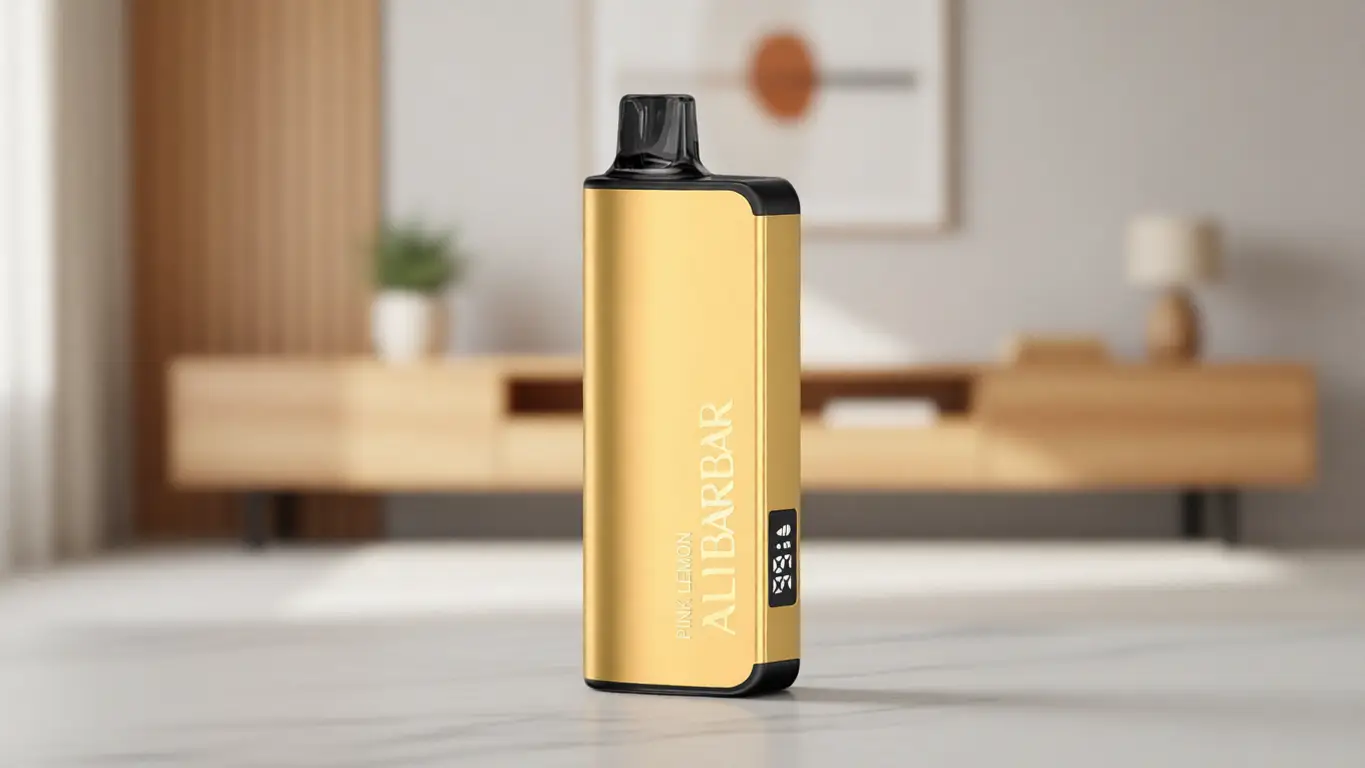
Well‑engineered devices mitigate this with regulated output circuits that maintain constant voltage until the cell is nearly depleted, and with clear status indicators that tell the user exactly when performance will start to shift. These features are not simply conveniences; they are the difference between a device that can be used with confidence in sensitive conditions and one that cannot. The ALIBARBAR range, for example, has been designed with precisely this level of output stability in mind, incorporating fault‑tolerant power management that avoids the voltage droop characteristic of less disciplined designs. When paired with a careful draw technique, this kind of engineering reduces the risk profile appreciably.
Applying These Criteria: Practical Guidance for Vaping After Whitening
Given the factors above, the decision of whether and when to use a device can be turned into a flowchart of considerations, not a rigid rule. Here is how the principles translate into an everyday plan:
Wait for the acute sensitivity window to close. Most whitening strips cause peak sensitivity within the first hour, declining over the next three. A minimum wait of two hours after strip removal is a reasonable baseline. If sensitivity persists, extend the wait. No engineering feature can fully compensate for rushing this timeline.
Rinse and rehydrate first. Before any vapour exposure, rinse the mouth with water or a fluoride‑containing mouthwash to remove residual peroxide and begin the remineralisation process. A hydrated oral cavity is less susceptible to the drying effects of propylene glycol.
Select a device with cool, consistent vapour. If you have access to a device that is known for low‑temperature output and stable power delivery, now is the time to use it. Avoid high‑wattage, direct‑lung configurations that generate more heat and require stronger suction. Adjustable airflow should be set to the most open position to minimise draw effort.
Choose a neutral flavour profile. If the device uses interchangeable pods or offers flavour‑free options, a plain or mild‑menthol profile is far less likely to irritate. Sterile‑tasting vapour may not be the most exciting experience, but it is the safest choice in this context.
Take short, gentle draws. The goal is to minimise contact time and mechanical stress. A long, deep inhale forces prolonged exposure of teeth to vapour, and the associated negative pressure places stress on dentinal tubules. Light, sip‑like draws are the smarter approach.
Monitor for discomfort and stop if it appears. Pain is a signal, not a hurdle to be overcome. If a draw produces any sharp sensation, wait another hour before trying again. Scarring of the oral mucosa or prolonged enamel demineralisation is not worth a momentary routine.
These steps are not based on laboratory studies — such research is almost nonexistent in this narrow crossover — but they are derived from the underlying physics and biology, and they align with the precautionary principle that dental professionals would likely apply.
A Practical Framework for Evaluation: How to Think About Devices After Whitening
Instead of treating “vaping after whitening” as a binary yes/no, users can apply a quick evaluation checklist to any device they are considering using during the sensitivity window:
Does this device give me clear, real‑time feedback on its output consistency? If not, you cannot know when a harsh hit is imminent. That uncertainty is unacceptable after whitening.
Can I adjust the airflow to a genuinely open setting without compromising function? Restrictive fixed airflow devices raise draw pressure and mechanical irritation.
Is the vapour genuinely cool across the entire draw duration? Test this with a normal session beforehand. A device that warms up after a few seconds is not suitable.
Do I have access to a neutral or unflavoured cartridge? If the only available options are acidic or intensely flavoured, the risk of pH disturbance is higher.
Am I willing to use a deliberately gentle draw technique, not my habitual one? If muscle memory will take over and pull hard, it is better to wait longer.
Answering “no” to any of these questions does not mean the user cannot vape at all; it means the device in hand may not be the right one for that particular post‑whitening moment. A secondary device kept specifically for such sensitive situations — perhaps a smaller, lower‑power unit — can be a sensible part of a long‑term strategy.
Common Misconceptions and Industry Observations
Over years of observing user behaviour, certain patterns emerge that lead to entirely avoidable discomfort. Here are four of the most persistent errors and what they reveal about the broader market.
Assuming that whitening strips have no lasting pharmacological effect
The idea that once the strip is removed, the mouth is instantly “back to normal” is chemically false. Peroxide residuals remain in enamel for some time, and the recovery of normal pH and mineral content is a gradual process. Users who vape immediately because they feel fine often trigger a delayed sensitivity response that spikes hours later, long after they have forgotten the possible cause. The chain of causation is then attributed to the device itself, rather than to the combination of events.
Overweighting the device’s horsepower while ignoring thermal management
In many purchasing decisions, the focus falls on battery capacity, puff count, or maximal power. These numbers are easy to compare but tell you nothing about how that power is delivered. A device that can output high wattage is not inherently dangerous, but one that does so without precise temperature regulation is a liability in sensitive conditions. The industry has consistently under‑communicated this distinction, leaving users to discover it through experience — experience that sometimes includes avoidable pain.
Assuming visual similarity indicates equivalent internal engineering
Two devices that look superficially similar — similar dimensions, similar mouthpiece shape — can have radically different coil architectures and airflow designs. Post‑whitening discomfort is often blamed on the category (“I can’t vape after whitening”) when the real culprit is the specific device’s lack of control. This is why access to accurate, specification‑level information is so important; when users can compare not just nominal features but actual output curves and airflow rates, decisions improve.
Undervaluing consistency of supply and product verification
When a user finds a device and setup that works for sensitive periods, they reasonably want to replicate that experience. Counterfeit or grey‑market units, however, often use substandard power management components that produce unpredictable output. The problem is not solved by buying the “right” device once; it requires knowing that the next unit will perform identically. Supply chain integrity — the discipline of sourcing only from authorised channels, verifying batch authenticity, and refusing to cut corners on component quality — is a prerequisite for the level of trust that sensitive‑use scenarios demand. OZVAPE Shop’s commitment to factory‑certified inventory, as documented in its operational policies, is not a marketing angle; it is the structural foundation that makes the preceding advice actionable.
Frequently Asked Questions
Q: How long should I wait to vape after using whitening strips?
A: At a minimum, two hours. Four hours is safer. The exact window depends on the peroxide concentration of the strips and your personal sensitivity. If you feel any residual tenderness, wait until it has fully subsided.
Q: Can vaping after whitening strips cause staining?
A: Freshly whitened enamel is more porous and can absorb chromogens from vapour residue, particularly from dark‑coloured flavourings. While vapour itself is not a potent staining agent compared to coffee or red wine, the increased permeability means that some temporary discolouration is possible. Thorough oral hygiene can mitigate this.
Q: Does vaping increase tooth sensitivity in general?
A: Yes, but indirectly. The drying effect of propylene glycol can reduce salivary flow, which normally buffers acids and supports enamel remineralisation. Over time, chronic dry mouth from frequent use can exacerbate existing sensitivity, whether or not whitening strips are involved. Staying hydrated and moderating frequency are the only practical countermeasures.
Q: Is it safe to vape immediately if I use a device with a “cool” setting?
A: A “cool” setting helps, but it does not eliminate the chemical and mechanical factors. Waiting remains the best first line, with cool vapour as a secondary hedge. No device feature can fully substitute for giving enamel time to reseal.
Q: What device features matter most for post‑whitening use?
A: Precise temperature control, adjustable low‑resistance airflow, and a track record of consistent output without dry hits are the three pillars. Devices that offer clear battery and performance indicators give the user situational awareness that reduces the chance of an unexpected harsh draw.
Q: Can I use a mouthpiece with a longer stem to reduce heat?
A: In principle, extending the vapour path allows some cooling, but the effectiveness is marginal and can alter the aerodynamics of the draw. It is not a reliable substitute for inherent temperature regulation in the device itself.
Q: Are there any flavouring ingredients I should specifically avoid after whitening?
A: Acidic flavourings — citrus, sour berry, cinnamon — are the most likely to irritate. Menthol is generally well‑tolerated but can produce a cooling sensation that masks real tissue irritation, so users should not rely on the lack of burn as a safety signal.
Q: What should I do if I experience sharp pain while vaping after whitening?
A: Stop immediately. Rinse your mouth with cool water and wait several more hours before any further attempt. If pain recurs, discontinue use for the day and consider whether the device itself may need maintenance or replacement.
Q: Does the type of whitening strip (daily use vs. express) change the waiting time?
A: Express‑type strips typically contain higher concentrations of peroxide and may cause more intense, albeit shorter‑lived, permeability. The same waiting principles apply, but the onset of sensitivity may be faster and more pronounced, so an extended wait is prudent.
Conclusion
The intersection of oral care and device use is not a domain where absolute pronouncements hold up. The question “Can you vape after whitening strips?” resolves into a set of conditional answers, each dependent on timing, device characteristics, and the user’s own physiological response. The strongest conclusion that can be drawn is this: the post‑whitening state is one of heightened tissue reactivity, and that reactivity can be managed through a combination of patience, informed device selection, and honest monitoring.
Users who equip themselves with a clear understanding of what is happening inside their teeth — and what factors in their vapour delivery system matter — will invariably make better decisions than those who rely on blanket rules or hearsay. The same principle extends to the way devices are sourced. A retail partnership with a provider that insists on documented authenticity and engineering transparency, like OZVAPE Shop, aligns directly with the user’s goal of repeated, safe experiences. For anyone who values that consistency, exploring OZVAPE Shop’s curated range (external link) is a natural step — not because any device can promise zero risk, but because the foundation of trust makes the entire decision tree more reliable.
The right choice is not the one that generates the most headline specifications. It is the one that matches your actual routine, respects your body’s signals, and is backed by a supply chain that does not force you to second‑guess what you are holding. That principle applies as much to a single post‑whitening draw as it does to a long‑term device strategy.