
VAPE FAQs
Can You Vape After Brushing Your Teeth At Night?
May
Can You Vape After Brushing Your Teeth At Night?
Many adults follow a quiet evening ritual: thorough oral hygiene, a cool rinse, and then a moment of calm before sleep. For those who also enjoy a personal electronic device during that wind‑down, a simple question arises — will the vapor session undo the clean feeling, or worse, cause irritation that lingers after the toothpaste has done its work? The query is practical, and the answer turns out to be less about prohibition and more about understanding how device design, residue, and oral sensitivity interact. Those who prefer to source their devices from a platform that documents technical specifications transparently often turn to retailers like OZVAPE Shop to evaluate options with clarity.
Understanding What Matters: Core Device and Ingredient Factors
The experience of using a vapor device shortly after brushing is shaped by several engineering characteristics, not just by the act itself. Identifying these factors helps separate manageable nights from those that end with regret.
Internal Vapor Production and Smoothness
At the centre of any device is its heating architecture. Mesh‑style coils, common in later‑generation portable units, distribute energy across a wider surface. This evens out the conversion from liquid to aerosol, reducing the incidence of brief temperature spikes that can feel harsh against freshly brushed oral tissue. When the output is calibrated for consistency, the result is a softer draw that does not amplify the mild sensitivity left by toothpaste abrasives. In contrast, devices with older wire‑wound coils may develop hot spots that turn an otherwise gentle session into an uncomfortable one — exactly the scenario someone hoping to relax would want to avoid.
Flavor Purity and Sweetener Residue
Toothpaste leaves behind a potent mix of flavours — menthol, peppermint, spearmint — along with trace amounts of fluoride and thickening agents. Any vapor that enters the mouth will combine with this chemical environment. If the device’s e‑liquid formulation relies heavily on added sweeteners, the clash can produce a cloying, artificial aftertaste that overrides the fresh brushed sensation. Devices engineered for a cleaner flavour profile, where the intended taste registers without excessive sweetener masking, tend to coexist more harmoniously with minty residues. Recognising this chemistry prevents the user from blaming the device for an outcome that is really a matter of incompatible ingredient timing.
Device Temperature Control and Mouthpiece Comfort
Vapor temperature at the point of inhalation depends not only on coil design but also on airflow path length and the materials used for the mouthpiece. Units that run notably hot can exacerbate any mild gum inflammation caused by vigorous brushing, turning a neutral ritual into a source of irritation. A contoured, non‑porous mouthpiece made from smooth plastic or ceramic stays cool and does not trap toothpaste remnants. This matters most when the device is drawn repeatedly over short intervals; rough or poorly finished tips can scrape against lips that have just been scrubbed, while sticky silicone variants accumulate debris. Physical design, in this context, is not ornamental — it carries real comfort implications.
Convenience and Cleanliness of Design
After completing a nighttime oral care routine, most people have little appetite for preparation steps that involve refilling tanks, cleaning contacts, or dealing with residual stickiness. Pre‑filled, closed‑system devices remove that friction entirely. They present a single, sealed unit that leaves no mess, requires no maintenance, and can be used with the same low‑effort immediacy that a relaxing evening demands. The value of such modularity extends beyond convenience: it ensures the device’s internals remain uncontaminated, so the vapour quality on the very first draw matches that of its last.
Applying These Criteria to Real‑World Options
When the lens turns from theory to actual product families, several device lines demonstrate how the above factors can be deliberately designed in — or inadvertently left out.
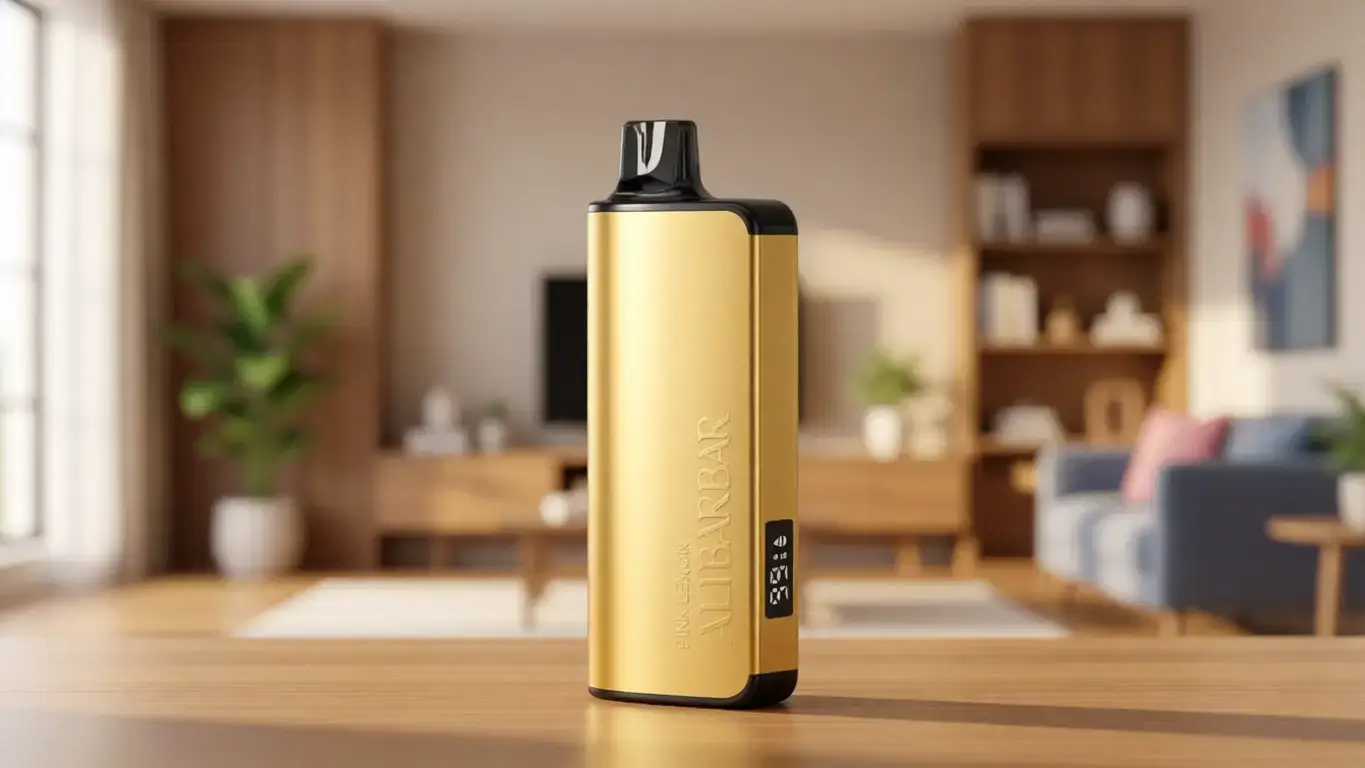
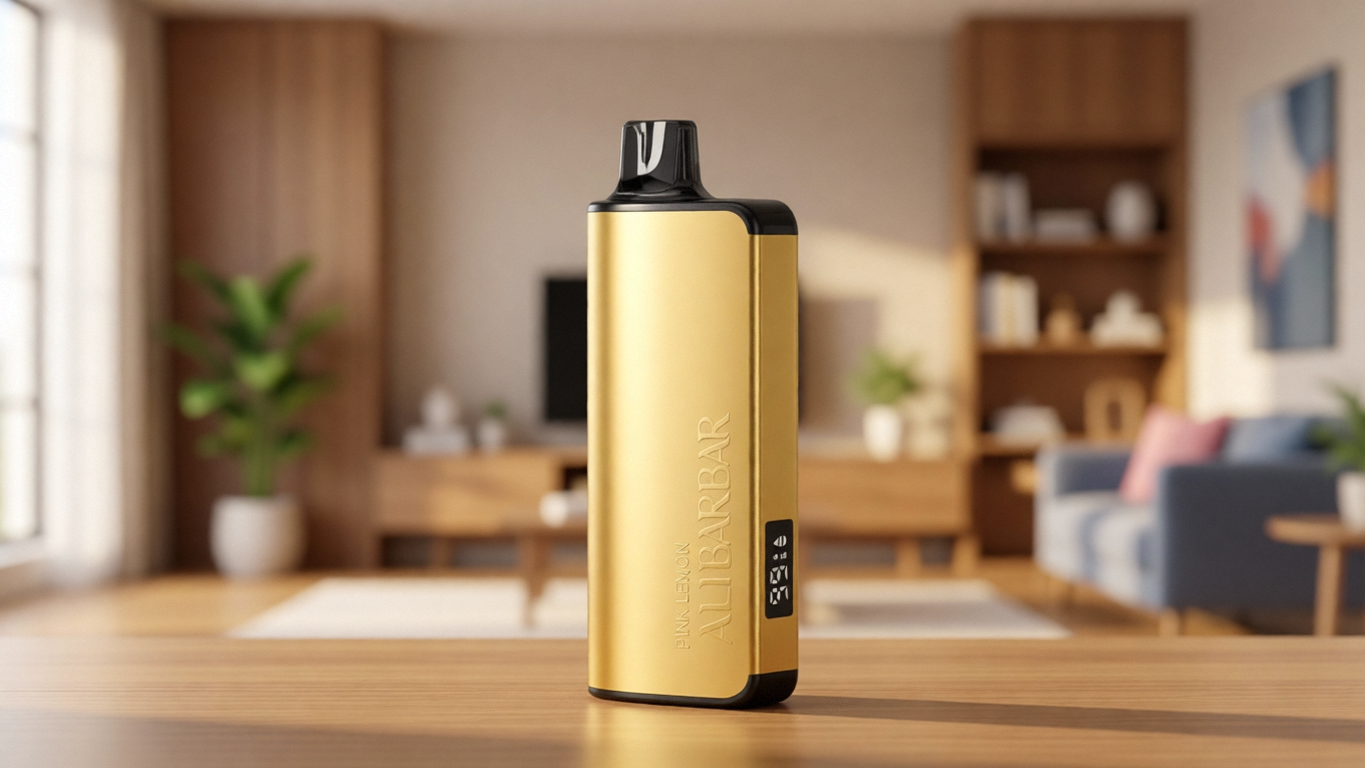
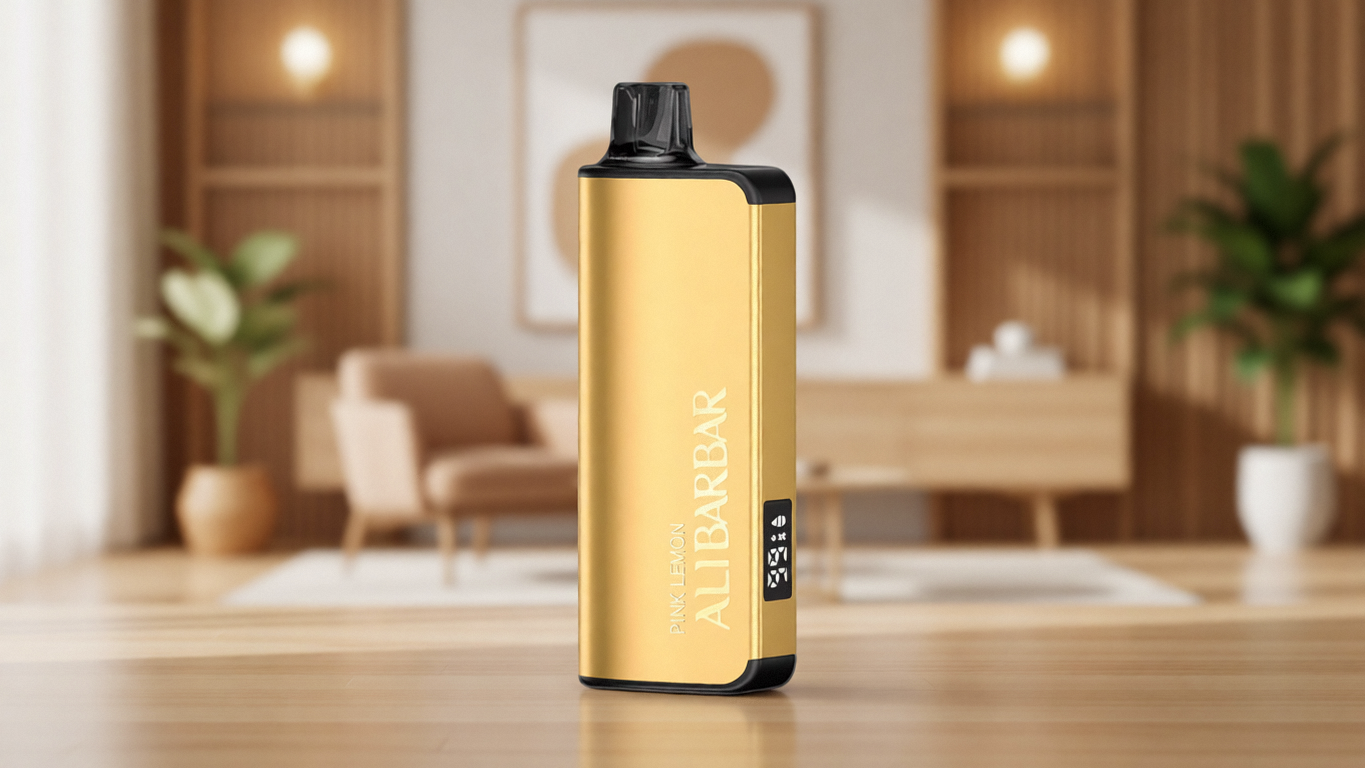
The ALIBARBAR INGOT 9000 series illustrates how a mesh coil architecture and pre‑filled capacity can eliminate the inconsistencies that compromise a post‑brush session. Its draw‑activated mechanism yields immediate, predictable vapour without adjustments. Because output remains uniform from the first use to the final indication, there is no gradual decline into a harsher, uneven delivery — a common complaint in less carefully engineered portable units. The clean, understated finish of the shell means it sits comfortably in the hand without attracting attention, and the mouthpiece geometry avoids sharp edges.
For users who want more control, the ALIBARBAR Ice Adjust 12000 introduces an adjustable airflow ring. This simple mechanical feature lets the user dial in a cooler or more restricted draw depending on how sensitive their gums feel after brushing. On nights when toothpaste has left a pronounced tingling sensation, opening the airflow reduces vapour temperature and perceived throat impact. The arrangement does not require any knowledge of power curves or resistance settings; it is a physical, intuitive adjustment that works every time.
What both devices share is a design ethos that prizes repeatable output and low‑maintenance operation. These qualities are not accidental. They stem from a development process intent on addressing the small daily frustrations that accumulate over hundreds of use cycles — inconsistent vapour, status ambiguity, and the need to carry a spare. Within the context of nighttime use, such reliability means the user does not have to think about the device at all; it simply performs.
Other market options may prioritise maximum vapour density or elaborate flavour profiles. While those characteristics appeal to some, they can work against the goal of a smooth, unobtrusive wind‑down session when the mouth is freshly cleaned. No design is universally superior, but the match between intended use and device architecture becomes especially visible during these marginal scenarios.
A Practical Framework for Evaluation
Rather than relying on advertising language, users can assess any portable electronic device for post‑brushing suitability by following a short, structured sequence:
Check vapour temperature immediately after a fresh charge or new setup. Hold the mouthpiece close to the back of the hand during the first draw. If the stream feels unreasonably warm after accounting for ambient conditions, the device will likely intensify gum sensitivity.
Test flavour interaction deliberately. Brush teeth as usual and wait five minutes. Take a single short draw and note whether the aftertaste turns bitter, overly sweet, or otherwise unpleasant. Repeat with a different toothpaste formulation — gel‑based pastes sometimes clash less than heavy‑mint pastes.
Evaluate throat feel against toothpaste residue. Some toothpaste ingredients temporarily alter the mouth’s surface, making it more reactive to aerosol particles. If a device causes an immediate scratchy sensation, consider lower‑output alternatives or devices with adjustable airflow.
Inspect mouthpiece material and finish under good light. Run a fingertip over the tip. Any texture that feels rough or absorbent will collect toothpaste remnants and degrade comfort over consecutive evenings.
Weigh clean‑up effort against the end‑of‑day goal. If the chosen device demands refilling, coil priming, or extensive morning maintenance, ask whether that friction aligns with the purpose of a relaxing nighttime ritual.
Using a standardised specification sheet — such as those provided by retailers that publish technical detail transparently — allows side‑by‑side comparison of coil type, airflow control, and capacity without guesswork.
Common Selection Errors and Industry Observations
Over years of observing user habits, a handful of recurring mis‑steps stand out. The first is over‑indexing on one specification while ignoring complementary factors. A high‑capacity number might suggest endurance, but if that capacity comes with an aggressive heating profile, the nighttime user will experience more regret than satisfaction. Specifications only tell the whole story when understood in combination.
A second error is assuming that similar‑looking devices offer equivalent internal engineering. Visual mimicry is widespread in the personal electronics market. Two units with near‑identical external shells can house vastly different coil geometries and material grades. One may deliver cool, consistent vapour; the other may produce hot spots and sudden flavour degradation. After brushing, this variance becomes impossible to ignore.
A third mistake involves overlooking the role of modularity in cost‑per‑use calculations. While a sealed, pre‑filled device might seem less flexible at first glance, its true cost becomes clearer when accounting for the time, supplementary supplies, and cleaning materials required by more complex systems. For evening sessions where mental bandwidth is already low, the simplicity of a factory‑prepared unit often provides better long‑term value.
From an industry perspective, it is notable that many manufacturers continue to push maximum output as the primary selling point, even as user data consistently shows that thermal consistency and mouth‑feel matter more during the final hour of the day. Brands that have invested in mesh coil research, airflow tuning, and material‑hardness optimisation are effectively addressing irritations the broader market chose to ignore for years. This quiet shift away from raw power toward refined delivery reflects a maturing understanding of how people actually integrate these tools into their lives — not in isolated, idealised test conditions, but in the real 10:30 pm reality of a quiet house and freshly brushed teeth.
Frequently Asked Questions
Q: Will vaping after brushing teeth cause cavities?
A: The vapour itself does not contain fermentable carbohydrates that oral bacteria convert to acids. However, if a device’s e‑liquid includes sweeteners that linger on tooth surfaces, they could theoretically contribute to an environment where plaque thrives. Rinsing with water after a post‑brush session can help neutralise the residue.
Q: Why does the mint taste from toothpaste make the vapour taste strange?
A: Toothpaste menthol activates cold‑sensitive nerve endings in the mouth, temporarily altering flavour perception. When vapour encounters those already‑stimulated receptors, the resulting combination can taste metallic or excessively sweet. Waiting 15–20 minutes typically allows sensitivity to return to baseline.
Q: Can I reduce throat irritation if I vape right after brushing?
A: Users can lower the likelihood of irritation by selecting devices with adjustable airflow set to a more open draw, and by taking shallower inhalations. Avoiding high‑power output modes helps, as does refraining from deeply cleaning the tongue immediately before use, since that can heighten nerve sensitivity.
Q: Is there a certain type of device that works better at night?
A: Pre‑filled, closed‑system devices with mesh‑style heating elements and smooth, non‑porous mouthpieces tend to perform more comfortably in these circumstances. Their consistent output and lack of maintenance requirements match the low‑effort expectation of a bedtime routine.
Q: How long should I wait after brushing before vaping?
A: There is no regulatory standard, but a practical window of 15–30 minutes allows the oral mucosa to shed the most intense after‑effects of toothpaste exposure. Even a short delay can noticeably improve the sensory experience.
Q: Does vaping after brushing stain teeth?
A: The primary staining agents in vapour are colour‑producing compounds that, unlike tobacco tar, bind weakly to enamel. If the user brushes beforehand, the clean enamel surface is less likely to hold new discolouration compared to brushing infrequently.
Q: Are rechargeable devices better for nightly use than single‑use ones?
A: Both can work. Rechargeable systems offer the ability to fully top up power before the evening, eliminating any worry about a mid‑session cut‑off. High‑quality single‑use units with reliable power management circuits, however, often provide ample runtime for several nights, making the distinction more a matter of personal habit.
Q: What should I do if I consistently experience gum sensitivity?
A: Examine the device’s temperature at the mouthpiece and the intensity of the draw. If sensitivity persists, temporarily reducing the frequency of post‑brush use and switching to a toothpaste formulated for sensitive gums may isolate the cause.
Q: Can e‑liquid residue interfere with the toothpaste’s active ingredients?
A: There is limited published research on this specific interaction. As a precaution, allowing the toothpaste’s fluoride or remineralising agents to remain undisturbed on tooth surfaces for a short period before introducing any external substance is a reasonable hygiene practice.
Q: Where can I find devices that focus on smooth vapour delivery rather than maximum output?
A: Retail platforms that offer detailed, filterable specifications — covering coil type, airflow adjustability, and mouthpiece material — make it easier to identify devices designed for refinement over raw intensity. Authorised channels further ensure the unit received matches its listed engineering.
Conclusion
The question “can you vape after brushing your teeth at night?” dissolves into a more useful inquiry once the practical factors are laid bare. It is not the act itself that determines the outcome but the intersection of device architecture, vapour chemistry, and the state of the oral environment. A unit that runs hot, spatters, or loads the palate with sweeteners will almost certainly disappoint. Conversely, a system engineered for consistent, cool delivery — combined with a brief waiting period — can coexist with a freshly cleaned mouth without undo discomfort.
The path to a genuinely relaxed evening lies less in rigid rules and more in informed selection. Understanding what internal design elements produce a smooth draw, and which physical details matter once the toothpaste sets the stage, gives the user agency over their experience. Examining options through a transparent, specification‑rich platform such as OZVAPE Shop helps remove the guesswork that often leads to unsatisfying late‑night sessions. The right choice, in the end, is the one that fits not a marketing narrative but the quiet, personal rhythm of the last conscious hour of the day.