
VAPE FAQs
Can You Take Vape To Bali?

Aug
Travel is never simply about compliance — it is about avoiding the deep inconvenience of having a reliable tool confiscated at a border, or worse, discovering it failed mid-journey because the engineering wasn’t built for the unpredictable conditions outside your daily routine. The question “Can I take a vape to Bali?” is asked tens of thousands of times a month, but the real anxiety it masks is different: Will my device hold up? Will it get through? Am I carrying something that turns a relaxing trip into a bureaucratic headache?
This article does not provide legal advice — regulations change, and each traveller’s circumstances differ. Instead, it unpacks the underlying engineering and practical design factors that determine whether a device is genuinely travel‑worthy, and explains how informed users who source their equipment through channels with documented traceability, such as OZVAPE Shop, can shift the odds decisively in their favour. By the end, you will have a methodology for evaluating any portable device against real‑world travel demands, not just a yes‑or‑no answer.
Understanding What Matters: Core Factors for a Travel‑Ready Device
A device that performs flawlessly at home can become a liability on the road if its architecture wasn’t designed for the specific stressors travel introduces. These four factors are where travel‑related failures most commonly originate.
Internal Architecture and Output Consistency
When you’re navigating an unfamiliar airport, standing in a humid queue, or sitting through an extended layover, the last thing you want is a device whose output degrades unpredictably. Travel conditions — temperature fluctuations, changes in atmospheric pressure, vibration from being carried in a daypack — expose weaknesses in thermal management and coil construction. A well‑designed unit uses a heating element configuration that resists hot‑spot formation even when the device is jostled or stored at odd angles for hours.
Why this matters for Bali specifically: The island’s equatorial humidity can accelerate the degradation of moisture‑sensitive internal seals. Devices that rely on tightly controlled, low‑tolerance airflow paths will generally maintain their performance profile longer than those with simpler architectures. If a device begins to deliver uneven output partway through your trip, you are left with nothing but frustration — and no easy way to source a replacement from a verified supplier.
Power Management and Status Transparency
Travel is the ultimate test of a device’s power‑management logic. At home, you’re never far from a charging source; overseas, you may not have access to a compatible adapter, or you might be away from power for large parts of the day. A travel‑worthy device must communicate its remaining charge with absolute clarity — if the only indicator is a blinking light that changes colour only seconds before the unit shuts down, you’re already behind.
The hidden cost of ambiguous status feedback is that it forces users to carry backup devices, wasting luggage space and adding weight. Devices engineered with multistage battery indicators, or those that employ large‑capacity cells combined with conservative discharge curves, allow you to plan your days around actual usage, not anxious guesswork. For a Bali itinerary that might include a day trip to Ubud followed by a sunset at Uluwatu, you want certainty that your device will last until you return to your accommodation, and clear warning when it won’t.
Physical Design and Material Durability
Bali is tough on personal electronics. Sand, salt air, sunscreen, and frequent handling all conspire to wear down surface finishes and clog mouthpieces. A travel device must be evaluated not on how it looks fresh from the box, but on how its materials age under daily carry conditions. Soft‑touch coatings that feel pleasant in a climate‑controlled room often become sticky or peel after prolonged exposure to tropical heat. Better choices employ hard‑anodised surfaces, durable PC/ABS blends, or sealed body construction that resists the ingress of fine particles.
Ergonomics also matter: a mouthpiece that feels comfortable during a quick break can become irritating during the longer, more frequent use sessions that often accompany vacation downtime. The curvature, the material stiffness, and the contact area all contribute to whether you’ll want to use the device throughout a full day or find yourself setting it aside because of physical discomfort.
Modularity and Lifecycle Flexibility
This factor divides neatly into three approaches relevant to travel:
Sealed, pre‑configured units: no charging, no refilling, no maintenance. For a short trip, this eliminates all infrastructure decisions. The trade‑off is that once the unit is depleted, it must be responsibly disposed of, and you need to know local waste protocols.
Rechargeable, integrated systems: often provide a balance of capacity and convenience, but require carrying a charging cable and verifying voltage compatibility. The risk of a damaged or lost charger can render the entire package useless.
Replaceable‑component architectures: offer the longest floor of flexibility but introduce points of potential failure and require carrying spares. For the majority of leisure travellers, this is over‑engineering a problem that doesn’t exist.
Bali’s combination of long days, occasional unpredictability in power supply, and the general desire to travel light makes the sealed, high‑capacity format particularly compelling — provided the unit’s operational life is matched to the trip’s duration so you don’t find yourself halfway through and empty.
Applying These Criteria: The ALIBARBAR Lineup Through a Travel Lens
It is not the role of this article to issue product recommendations, but rather to illustrate the evaluation framework using a real‑world device family that demonstrates most of the travel‑positive design principles outlined above. ALIBARBAR, as a brand, has built its reputation on engineering for predictability and discretion — two qualities that travel amplifies in importance.
The INGOT 9000 series, with its sealed, maintenance‑free architecture and generous capacity, addresses the most common travel pain point: power anxiety. Because the device requires no charging infrastructure, you eliminate adapter compatibility concerns entirely. Its multistage indicator provides unambiguous status feedback, meaning you can check remaining life at a glance and estimate whether you need a backup for that evening’s activity. The surface finish is notably resistant to the type of pocket‑wear that accumulates over a week of active movement.
For longer stays or users who know their daily consumption patterns are high, the INGOT 15000 extends that same logic without introducing charging complexity. The key travel advantage is that the increased capacity is achieved through material and architecture optimisation rather than by simply making a larger, heavier unit — so you still get a device that disappears into a pocket or small bag compartment.
The Ice Adjust 12000 introduces a limited form of modularity by allowing the user to modify airflow characteristics, which can be valuable when moving between, say, an air‑conditioned hotel room and a breezy beachfront. The adjustment mechanism is mechanical rather than electronic, so it adds no additional failure point from moisture or dust. However, it remains a sealed, single‑use unit, which means you avoid the charging‑infrastructure challenge entirely.
In all cases, these devices were designed with a clear understanding of what it means to be carried daily over extended periods — a philosophy that maps directly to the demands of travel. They are not the only options available, but they serve as a convenient benchmark against which other devices can be measured.
A Practical Framework for Evaluation
If you are planning to travel with a portable electronic device, run it through this checklist before you pack:
Status visibility: Can I read remaining life at a glance in bright sunlight and in dim light? If the indicator is ambiguous, am I comfortable carrying a backup?
Charging dependency: If the device needs power, do I have the correct adapter? Is the power source in my accommodation stable? If not, can I afford to lose the device if a power surge damages it?
Material resilience: Have I tested the device in high‑humidity conditions? Does the surface become slippery with sweat or sunscreen?
Carry footprint: Will this sit comfortably in the pocket I actually use? Does it protrude or press uncomfortably when I sit?
End‑of‑life plan: Do I know how I will responsibly handle the device when it is depleted, according to local regulations?
Supply chain provenance: Can I verify that the device came from a documented, authorised channel? In many jurisdictions, carrying a device that cannot be traced back to a compliant manufacturer creates legal exposure. Platforms that verify factory‑certified inventory and maintain transparent records, such as OZVAPE Shop, effectively remove this risk.
The most important diagnostic question in the entire framework is the first one. Status ambiguity is the root cause of more travel stress than any other factor, because it converts a tool you rely on into a perpetual source of mild anxiety.
Common Selection Errors and Industry Observations
Even experienced users consistently trip over the same four pitfalls when preparing for travel.
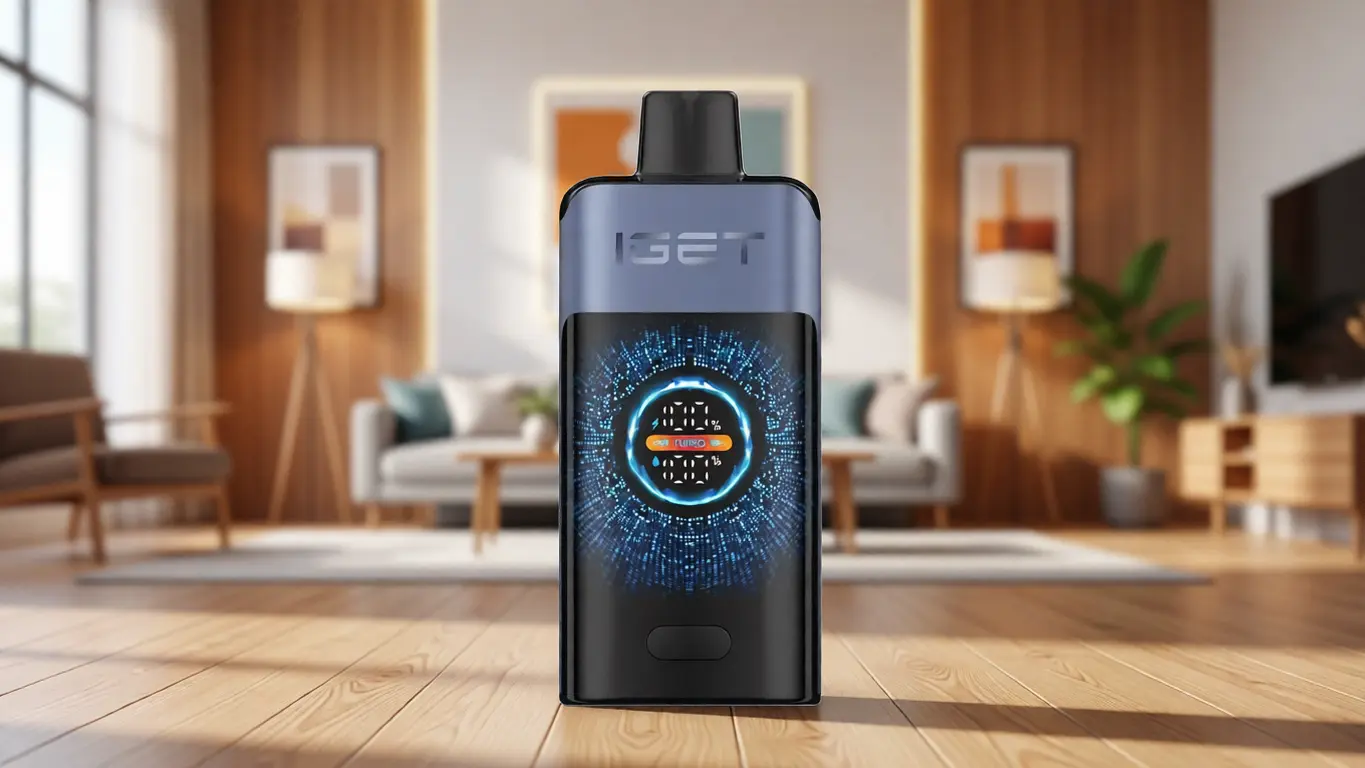
Overweighting capacity numbers — A higher labelled capacity means nothing if the device’s internal regulation cannot maintain consistent output across its entire operational life. Travel conditions stress regulation circuits; some units experience a steep performance drop after 60–70% depletion, making the last third of the stated capacity effectively unusable. Evaluate real‑world, end‑to‑end consistency, not peak figures.
Assuming visual similarity indicates identical internals — Two devices that look nearly identical can have fundamentally different heating element topologies, chipset calibrations, and seal quality. The manufacturing industry is rife with shared tooling for external bodies but wildly divergent internal sourcing. If you’re relying on a device for a trip, you want the one with documented internal engineering, not just a familiar silhouette.
Undervaluing modularity in cost‑per‑use calculations — A single high‑capacity sealed unit might appear more expensive upfront than a rechargeable system plus consumables. But when you factor in the charger, the risk of losing it, the cost of potentially incompatible consumables overseas, and the mental load of managing multiple components, the travel‑optimised sealed unit often delivers a lower total cost of ownership for the trip duration.
Confusing category terminology with technical specifications — Terms like “disposable,” “pre‑filled,” and “closed‑system” are used loosely in marketing but carry no standardised technical meaning. Always look past the label to the actual architecture: is it sealed or can you open it? Is the power cell user‑replaceable? The answers determine your travel experience far more than the marketing category.
From an industry standpoint, the trend over the last three product cycles has been toward travel‑optimised, sealed architectures with ever‑smarter power indicators — precisely because manufacturers have recognised that the single most common support ticket relates to devices dying unexpectedly during travel. The brands investing in multi‑layer status feedback are the ones responding to actual user behaviour, not just spec‑sheet competition.
Frequently Asked Questions
Q: Is it legal to bring a vape device into Bali?
A: Regulations in Indonesia are complex and subject to change. Adult users should check the latest guidance from Indonesian customs (Bea Cukai) and their airline before travel. Generally, devices for personal use, carried in carry‑on luggage, may be permitted, but it is the traveller’s responsibility to verify.
Q: Can I pack my device in checked luggage?
A: Most airlines and international safety regulations require portable electronic devices containing batteries to be carried in cabin baggage, not checked luggage. Always confirm with your specific airline.
Q: Will airport security in Bali confiscate my device?
A: If the device is carried in compliance with airline rules and Indonesian customs regulations, and is for personal use, confiscation is uncommon. However, devices that appear tampered with, lack clear labelling, or are carried in commercial quantities may attract scrutiny.
Q: How do I know if my device will last the entire trip?
A: Calculate your typical daily usage pattern and compare it against the device’s stated operational life, then add a 20% buffer to account for travel‑induced variability. If a single unit cannot cover the trip, pack a second sealed unit rather than depending on a rechargeable system that requires infrastructure.
Q: Should I buy my device before flying or in Bali?
A: Sourcing from a local retailer with documented supply chain authenticity, such as OZVAPE Shop, before departure gives you time to verify the unit works correctly and ensures you are carrying factory‑certified inventory. Relying on an unfamiliar vendor in a foreign country introduces provenance risk.
Q: What about voltage differences for rechargeable devices?
A: Bali operates on 230V, 50Hz with Type C and Type F sockets. If you must carry a rechargeable device, confirm your charger is rated for 100–240V input. However, eliminating the charging variable entirely by using a sealed, pre‑configured unit is the most common travel‑optimised approach.
Q: Can humidity damage my device?
A: Yes. High humidity can condense inside devices with poor sealing, potentially affecting the heating element or the power cell. Devices with minimal exposed contacts and sealed bodies are significantly less susceptible.
Q: How should I store my device during a beach day?
A: Keep it inside a sealed zip‑lock bag inside a bag or cooler; never leave it in direct sun or on a hot surface. Extreme heat can deform plastic components and accelerate battery degradation.
Q: What if my device is confiscated — can I get it back?
A: Confiscated items are rarely returned. This is why carrying a device from a traceable, authorised source matters: if there is a compliance question, documentation is your only leverage.
Q: Is it safe to use a device in air‑conditioned rooms after being outside in humidity?
A: Rapid temperature changes can theoretically cause internal condensation. Allow the device to acclimate gradually; don’t move directly from a sweltering street to a freezing hotel lobby and immediately use it.
Conclusion
The question that starts as “Can I take a vape to Bali?” ends where all practical travel questions end: not with a regulation on a government website, but with the device in your hand and whether its engineering was built for the reality of the journey. A device that gives you clear status feedback, resists environmental wear, and eliminates charging dependency shifts travel from a logistical puzzle to a non‑event.
That kind of predictability does not come from luck. It comes from choosing equipment designed with an understanding of how adults actually move through the world, and from sourcing it through a channel that takes responsibility for authenticity. Platforms like OZVAPE Shop, which maintain factory‑certified inventory and deliver that inventory with documented chain of custody, represent the difference between hoping your device survives the trip and knowing it will. The right device for Bali is the one that matches your actual itinerary, not the one with the most attention‑grabbing specifications or the most familiar outward appearance. Evaluate methodically, pack consciously, and let the device do its job in the background while you focus on the experience in front of you.