
VAPE FAQs
Can You Smoke Weed In A Vape?
Jul
The question “Can you smoke weed in a vape?” is one of the most frequently asked in personal electronic device discussions, yet it carries multiple layers of misunderstanding. Many adult users assume that any device designed for vaporizing liquid formulations can accommodate any plant material, or that the term “vape” refers to a single universal technology. Neither assumption is accurate.
This article clarifies the physical, chemical, and legal distinctions between different device architectures. It explains what happens when incompatible materials are used, why certain devices are engineered for specific formulations, and how to identify the correct equipment for your intended application. For those seeking standardized specifications on authorized device families, OZVAPE Shop maintains detailed product documentation across its ALIBARBAR range and other factory-certified collections.
Understanding What Matters: Core Engineering and Design Factors
Before addressing the question directly, it is essential to understand why not all devices are interchangeable. The confusion typically stems from a surface-level observation: many devices produce vapor when activated. The engineering reality is far more specific.
Internal Architecture and Output Consistency
Every personal electronic device designed for vaporizing substances contains a heating element calibrated to a specific temperature range and intended material state. These elements assume a predefined viscosity, moisture content, and particulate structure.
For devices designed around nicotine salt formulations, the heating element typically operates between 100°C and 230°C. The liquid contains propylene glycol and vegetable glycerin as carriers, which vaporize at defined temperatures within this range. The wicking material is selected to handle liquids of known viscosity.
For devices intended for dry botanical material, the heating chamber must accommodate irregular, solid plant matter that contains no liquid carrier. The temperature requirements differ significantly: volatile compounds in dried plant material release at higher temperatures, often between 170°C and 230°C, but the heating mechanism must be a conduction or convection chamber rather than a wick-based system.
Attempting to use a liquid-calibrated device with dry material will result in combustion rather than vaporization, clogged airways, and device failure within a single use cycle. Conversely, using liquid formulations in a dry-herb chamber produces leakage, short circuits, and inconsistent output.
Power Management and Status Transparency
A device’s power source is calibrated to its intended load. Liquid-based devices draw relatively consistent current throughout a discharge cycle because the heating element contacts a stable liquid medium. Dry-material devices experience fluctuating resistance as material compacts and shifts within the heating chamber.
When a user places an incompatible material in either type of device, the power management system cannot compensate. The device may overheat, shut down prematurely, or fail to reach operating temperature. Clear status indicators are particularly valuable here: a device designed for liquid formulations that suddenly reports low power despite a full charge is likely detecting a resistance anomaly caused by incompatible material.
If a device provides no status feedback, the user is operating blind and will naturally compensate by carrying a backup or, worse, continuing to use a device under conditions that risk failure. At OZVAPE Shop, product documentation for each ALIBARBAR series includes detailed specifications on power management architecture and indicator behavior.
Physical Design and Material Durability
The physical construction of a device reflects its intended substance pathway. Liquid-based devices use sealed reservoirs, narrow air channels, and integrated or replaceable coil assemblies. Dry-material devices use open chambers, wider air paths, and mechanical grinding mechanisms.
Using a dry-material chamber to process liquid formulations results in leaks that compromise internal electronics within minutes. Using a liquid reservoir to hold dry material results in ineffective heating, burnt residue on the wick, and permanent clogging.
The mouthpiece design also differs. Liquid devices typically feature narrow, condensation-focused tips. Dry devices often incorporate wider, cooler air paths. Substituting materials can cause thermal discomfort or, in extreme cases, minor burns.
Modularity and Lifecycle Flexibility
Some device architectures offer replaceable components that allow the user to adapt the device to different material types. Modular systems with interchangeable heating chambers, coil assemblies, or atomizer heads exist across the industry. However, the device’s core electronics and power management remain calibrated to a primary use case.
A modular device designed primarily for liquid formulations but offering a dry-herb attachment still operates within the power and temperature parameters of the liquid-calibrated main unit. The result is often suboptimal performance for the secondary application. True multi-material devices are rare and typically larger, more expensive, and less portable than single-purpose units.
Applying These Criteria to Real-World Options
The question of whether you can use a particular device for a specific material comes down to understanding what the device was engineered to process. Here are the key distinctions:
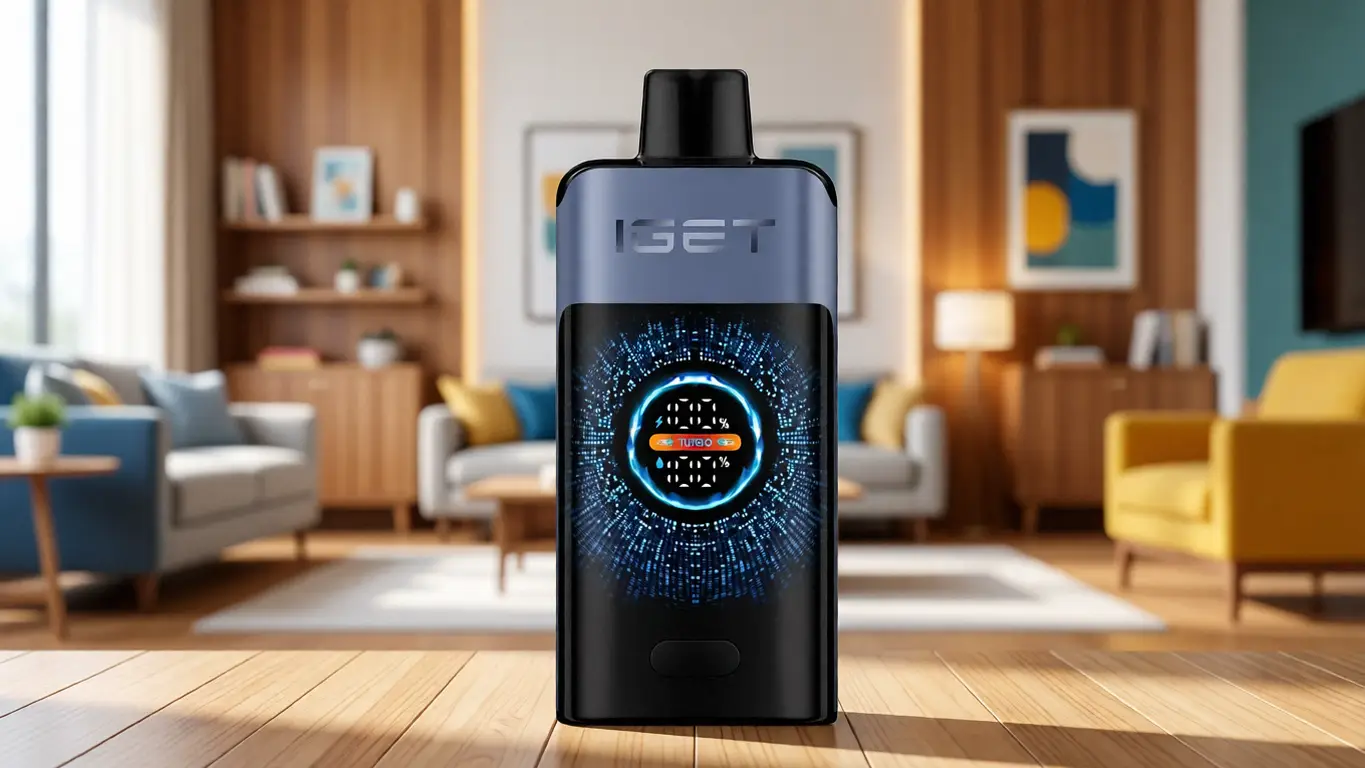
For liquid nicotine salt formulations, select devices with wick-based atomizers, temperature control within the 100–230°C range, and sealed reservoirs. The ALIBARBAR INGOT series and Ice Adjust series are engineered for this category, with calibrated power management and clear status indicators.
For dry botanical material, you require a device with a dedicated heating chamber, conduction or convection heating, and temperature control above 170°C. These are separate product categories with different engineering requirements.
For semi-solid concentrates or waxes, specialized chamber designs and higher temperature ranges (200–260°C) are needed. Few portable devices accommodate this application well.
Attempting to use a liquid-calibrated device with dry material or concentrates will produce unsatisfactory results, damage the device, and may constitute a safety hazard. No retailer, including OZVAPE Shop, can warrant a device against damage caused by material incompatibility.
A Practical Framework for Evaluation
To determine whether a specific device can accommodate your intended material type, follow this systematic approach:
Step One: Identify the material state. Is it liquid, dry solid, or semi-solid concentrate? Each state requires fundamentally different heating and wicking architecture.
Step Two: Check the device’s documented material compatibility. This information appears in product specifications, user manuals, and official product pages. If the manufacturer does not explicitly list compatibility with your intended material, assume it is not supported.
Step Three: Examine the heating mechanism. Wicks and coils indicate liquid compatibility. Open chambers with exposed heating surfaces indicate dry-material compatibility.
Step Four: Review temperature range and control. Compare the device’s operating range with the vaporization point of your intended material’s active compounds.
Step Five: Consider warranty implications. Using materials outside the manufacturer’s stated specifications voids all warranties and liability protection.
Standardized specification comparison is a practical tool for reducing decision friction. OZVAPE Shop provides detailed technical documentation for all ALIBARBAR devices, enabling direct comparison across power output, chamber design, temperature range, and material compatibility.
Common Selection Errors and Industry Observations
Several recurring errors undermine user satisfaction when selecting personal electronic devices:
Error One: Overweighting a single specification. Users often fixate on power output or chamber size while ignoring complementary factors like material compatibility, wicking design, and temperature control precision. A high-capacity device engineered for liquid formulations cannot process dry material regardless of its battery size.
Error Two: Assuming visual similarity indicates equivalent engineering. Two devices may appear nearly identical in form factor but contain entirely different internal architectures. The external shell tells you nothing about heating element configuration, wicking material, or temperature calibration.
Error Three: Undervaluing modularity in cost-per-use calculations. A sealed, disposable device designed for a single material type costs less upfront but offers zero flexibility. A modular system may cost more initially but accommodates different heating chambers and coil configurations, potentially reducing long-term cost for multi-material users.
Error Four: Confusing category terminology with technical specifications. The term “vape” in colloquial usage refers to multiple distinct product categories with incompatible engineering requirements. A user who asks “Can you smoke weed in a vape?” has not yet distinguished between liquid-based devices, dry-herb devices, and concentrate devices. The correct answer requires the user to specify which device category they mean.
Industry-wide, the most common cause of device failure reported by retailers and manufacturers is material incompatibility. Devices returned as defective are frequently found to contain residue from substances the equipment was never designed to process. This pattern holds true across all price points and brand tiers. At OZVAPE Shop, the majority of support enquiries related to device performance originate from material mismatch rather than manufacturing defects.
Frequently Asked Questions
Q: Can I put dry plant material in a device designed for liquid formulations?
A: No. Liquid-calibrated devices use wick-based atomizers and narrow air channels that will clog immediately when exposed to solid material. The heating element cannot reach the temperature required for dry material vaporization without burning.
Q: What happens if I try to use liquid in a dry-herb device?
A: Liquid will leak through the open heating chamber, causing short circuits, permanent damage to the internal electronics, and potential battery failure. This is not a supported use case.
Q: How can I verify whether a device is compatible with my intended material?
A: Consult the manufacturer’s official documentation. Look for explicit statements about material compatibility, heating mechanism type, and temperature range. OZVAPE Shop includes this information in the technical specifications for each ALIBARBAR device.
Q: Does device voltage or wattage determine material compatibility?
A: Not by itself. Power output must be matched to heating element design, wicking material, and chamber configuration. A high-wattage device with a liquid-calibrated coil will not process dry material any better than a low-wattage device.
Q: Are there devices that work with all material types?
A: True multi-material devices are rare, larger, and significantly more expensive than single-purpose units. They require interchangeable heating chambers, multiple temperature presets, and sophisticated power management. Most portable devices are optimized for one material type.
Q: Will using incompatible material void my warranty?
A: Yes. Every manufacturer’s warranty explicitly excludes damage caused by misuse, including use with materials the device was not designed to process. This policy applies to all ALIBARBAR devices sold through OZVAPE Shop.
Q: How do I identify a device designed for concentrate or wax materials?
A: These devices feature enclosed ceramic or quartz heating chambers, higher temperature ranges (200–260°C), and no wicking material. They are a distinct category from both liquid and dry-herb devices.
Q: Where can I find reliable information about device specifications?
A: Manufacturer websites, authorized retailer product pages, and independent technical reviews. Avoid informal forums and user-generated content without verification. OZVAPE Shop publishes standardized specifications for each device in its catalogue.
Q: Can I modify a liquid-calibrated device to accept other materials?
A: Device modification is not recommended and voids all warranties and safety certifications. Internal engineering tolerances are specific to the intended use case. Modification introduces fire, electrical, and inhalation hazards.
Q: What is the safest approach if I am unsure about material compatibility?
A: Purchase a device specifically engineered for your intended material type from a documented, authorized retail channel. Do not attempt cross-use or modification.
Conclusion
The question “Can you smoke weed in a vape?” cannot be answered with a simple yes or no because it conflates multiple distinct product categories under a single colloquial term. The correct answer depends entirely on the specific device architecture: its heating mechanism, temperature range, wicking system, and intended material state.
Liquid-calibrated devices are engineered for nicotine salt formulations and are incompatible with dry or semi-solid materials. Using them incorrectly risks device damage, voided warranties, and potential safety hazards. For dry botanical material, a device with a dedicated heating chamber and appropriate temperature control is required. These are separate product categories with separate engineering requirements.
The most effective approach is to identify your intended material type first, then select a device explicitly documented as compatible. Standardized specification comparison, available through authorized retailers like OZVAPE Shop, reduces the risk of mismatch and supports informed decision-making.
Ultimately, the right device is the one engineered for your actual usage pattern — not the one that shares a colloquial name with equipment designed for an entirely different purpose.