
VAPE FAQs
Can You Smell A Vape In A Room?
Oct
Can You Smell A Vape In A Room?
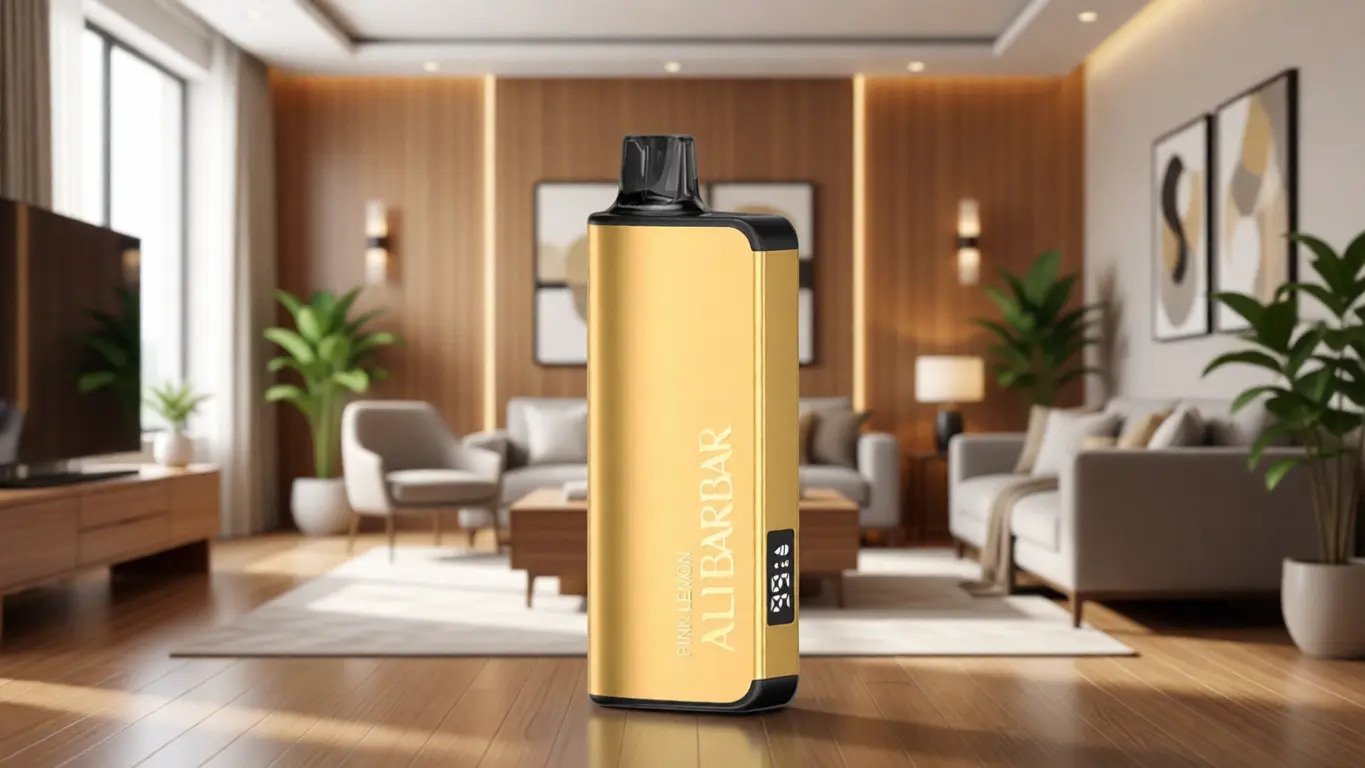
A question that surfaces repeatedly — in cafes, shared offices, and private gatherings — is whether a personal electronic device leaves a lingering, detectable presence in the air. The short answer is that it depends on a confluence of engineering decisions, not luck. Some devices produce an output that dissipates in seconds; others leave a perceptible trace for far longer. The difference is rarely discussed by brands, yet it matters deeply to anyone who values discretion or shares space with others. Understanding why one device behaves differently from another requires looking past surface claims and into the mechanical and thermal systems that shape every unit’s output. For those who want to make a genuinely informed choice, retailers like OZVAPE Shop have structured their catalogue around technical transparency — making it possible to evaluate devices, including the ALIBARBAR range, against clear, comparable criteria.
Why Some Devices Are More Noticeable Than Others: Engineering and Design Factors
When someone wonders whether a device’s output can be detected in a room, they are essentially asking about aerosol density, composition stability, and dispersion speed. These aren’t abstract concepts. They are the direct result of how a device is built. By examining the core engineering factors, users can predict how discreet a device will be — and why two visually similar units might behave entirely differently.
Heating Element Precision and Output Consistency
The heart of any personal electronic device is its heating element. In well‑engineered systems, the element maintains a narrow temperature band, vaporising the intended material evenly without creating unnecessary hotspots. When temperature control is imprecise, excess energy can break down compounds into smaller, more volatile molecules that travel farther and linger longer in the air. Moreover, an unstable element can produce irregular puffs, some dense and odorous, others weak. ALIBARBAR devices are built with tightly calibrated thermal regulation, which reduces the likelihood of those sudden, oversaturated bursts. A user who experiences a consistently moderate output is far less likely to attract unwanted attention than one whose device surges unpredictably. If a device lacks any indication of its heating stability, you are effectively guessing about how your environment will be affected.
Power Management and Aerosol Production Stability
Power delivery might seem unrelated to smell, but it’s one of the most overlooked factors. Inconsistent voltage from a battery or poorly managed power circuitry can cause the heating element to momentarily overshoot its target temperature — generating a spike in aerosol density that is notably more detectable. This is especially true when a device is near the end of its charge, as downward voltage swings can trigger safety cut‑offs and restart cycles, each producing irregular output. ALIBARBAR’s current generation, including the INGOT 15000, integrates smart power‑path management that smooths energy delivery across the entire discharge curve. The practical result: the output remains uniform throughout the device’s life, reducing the chance of unexpected olfactory cues. Status indicators on these devices further let you know exactly when performance begins to taper, so you aren’t caught off guard.
Physical Design: Airflow and Aerosol Dispersion
A less visible but critical element is how the device moves air. Mouthpiece contour, internal air‑channel geometry, and even the shape of the body influence the velocity and spread of the aerosol. A wide, unrestricted airway can produce a dense, directional stream that travels farther before breaking apart. In contrast, a mouthpiece with thoughtfully designed baffling or a tapered airway encourages a softer, more diffuse output that mixes with room air more quickly and becomes imperceptible sooner. The Ice Adjust 12000 series from ALIBARBAR, for example, channels the output through a structure that reduces jet‑like dispersion. While no device can claim zero detectability, these design choices demonstrably shorten the window during which the output remains noticeable.
Modularity and Sealed Systems: Implications for Scent
Sealed, pre‑configured units generally offer more predictable output characteristics than modular, user‑refillable systems, because every component — from the heating element to the material reservoir — is matched in a factory‑controlled environment. When a user can swap parts or refill containers, variables multiply: a worn wicking material, an imperfect seal, or third‑party substances can alter aerosol density and odor profile. ALIBARBAR focuses on precisely calibrated, closed‑system devices, which minimise these inconsistencies. That said, even within sealed designs, engineering quality varies enormously. A device that merely looks sealed can still suffer from internal leaks or thermal drift if built to a lower standard. When evaluating any device, the question is not just whether it is sealed, but whether the manufacturer has demonstrated rigorous quality control over the entire assembly. OZVAPE Shop’s factory‑certified inventory ensures that the ALIBARBAR devices you receive are built exactly as intended, without the variations introduced by uncertified channels.
Applying Design Principles to Real‑World Use: ALIBARBAR Devices in Practice
A user concerned with room detectability does not need a laboratory to make a sensible choice. They need to look at a few practical attributes that correlate with a discreet experience. Using the ALIBARBAR family as a reference, consider how specific models translate the engineering factors above into everyday performance.
The INGOT 9000 is a compact device that prioritises a consistent, moderate-volume output. Its thermal regulation operates within a temperature range chosen to minimise the breakdown of materials into highly volatile compounds. Users who value a low‑profile session — in a home office, for instance, where housemates are nearby — often gravitate toward this balance of capacity and restraint. Meanwhile, the INGOT 15000 delivers greater longevity, yet uses the same stable power‑path architecture, so the extra capacity does not come at the cost of erratic output near end‑of‑life. If you need a device that lasts through an extended workday or social engagement without announcing itself, that length of consistent performance matters.
The Ice Adjust 12000 introduces user‑adjustable airflow, which introduces a subtle but meaningful variable. Closing the airflow slightly can soften the aerosol’s exit velocity, promoting faster mixing with ambient air. However, users should understand that closing airflow also increases the chance of a warmer, denser pull if the heating element is not adaptive. ALIBARBAR’s implementation accounts for this by correlating the power curve with the selected draw resistance, preventing the overheating that would otherwise make the output more noticeable. This is the kind of thoughtful engineering that separates a truly discreet device from one that simply looks stylish.
For those who travel or move through different environments, the sealed, pocket‑friendly form factor of the INGOT series also matters. Devices with loose‑fitting mouthpieces or poorly finished edges can trap residue, producing a faint background note even when not in active use. ALIBARBAR’s assembly tolerances — something you can verify by inspecting the precise seam alignment and the feel of the mouthpiece mating — minimise this. Small details, like the absence of external LEDs that blink unnecessarily, further contribute to an unassuming presence.
A Framework for Evaluating Device Discretion
Instead of relying on manufacturer slogans, you can apply a simple diagnostic to any device you are considering. The goal is to assess how likely it is to produce a lingering detectable output in the environments you actually inhabit. Answer these points honestly:
Can you confirm the heating element’s temperature control?
If the manufacturer does not disclose the technology used (for example, dry‑burn prevention, temperature‑coefficient regulation), assume less predictable output. Unstable heat increases the chance of olfactory spikes.
Does the device provide real‑time status feedback?
A unit that suddenly ceases to function without warning often forces the user to take experimental draws, which can produce incomplete vaporisation and a harsher scent. Look for clear battery and operational indicators.
How is airflow managed?
Examine the mouthpiece design. A wide, open bore may be satisfying but can project the aerosol farther. Devices offering adjustable airflow should ideally demonstrate adaptive power compensation.
Is the device sealed and factory‑certified?
While open systems offer flexibility, they introduce variability. If discretion is a priority, a sealed, calibrated unit from an authorised source — like the ALIBARBAR models available through OZVAPE Shop — removes many question marks.
What do experienced users observe in practice?
Look not for anonymous five‑star reviews, but for detailed accounts of use‑case scenarios (e.g., “in a closed car” or “in a living room with others”) where people describe the persistence of any detectable output.
By running through this checklist, you can often identify which devices will behave predictably and which might cause unwelcome surprises.
Common Misconceptions and Industry Observations
Years of observing how users interact with personal electronic devices reveal certain patterns of error that lead to dissatisfaction — especially concerning scent detection.
The “all devices are the same” fallacy is perhaps the most costly. Two cylindrical, metallic units may look nearly identical on a website; inside, the heating element could be a simple resistance wire with no temperature feedback, or a complex chip‑controlled alloy with multiple redundant protections. The latter will produce a far more consistent and less intrusive aerosol. Visual similarity is a poor proxy for internal engineering.
Many users undervalue the battery’s role in output stability. A device may perform beautifully for the first 30% of its charge, then gradually become harsher or more irregular. Without a flat discharge curve, you cannot rely on consistent output across a full session. ALIBARBAR’s power management is designed specifically to avoid this, but not all devices on the market share that priority.
There is also a tendency to conflate vapour volume with satisfaction, assuming that bigger clouds equal better performance. For discretion, the opposite is often true: a refined, cooler aerosol dissipates more quickly and carries less detectable material per unit volume. A high‑volume output in an enclosed space does make a device more noticeable — exactly what many users wish to avoid.
From an industry standpoint, the push toward sealed, high‑capacity units has been a response to two genuine user needs: extended use without intervention and reduced variability. However, the supply chain does not uniformly enforce thermal‑control standards. Devices manufactured without rigorous calibration leave the factory in spec but can drift over the first few dozen cycles. That’s why sourcing from retailers that insist on factory‑certified batches, as OZVAPE Shop does, becomes a practical form of risk mitigation. It is not about brand loyalty; it is about knowing the unit in your hand has not been compromised by a lax intermediary.
Frequently Asked Questions
Q: Can a room truly remain free of any detectable trace from a personal electronic device?
A: No device guarantees absolute imperceptibility. Factors such as room size, ventilation, and individual sensitivity always play a role. However, devices engineered for stable, low‑temperature output and rapid aerosol dispersion significantly reduce the time a scent persists.
Q: What specific ALIBARBAR model is designed with the highest discretion in mind?
A: The INGOT 9000 balances moderate output volume with precise thermal regulation, making it a strong candidate for users prioritising a low‑profile experience. The Ice Adjust 12000’s adjustable airflow also allows the user to tailor dispersion.
Q: How does power management influence the smell of a device’s output?
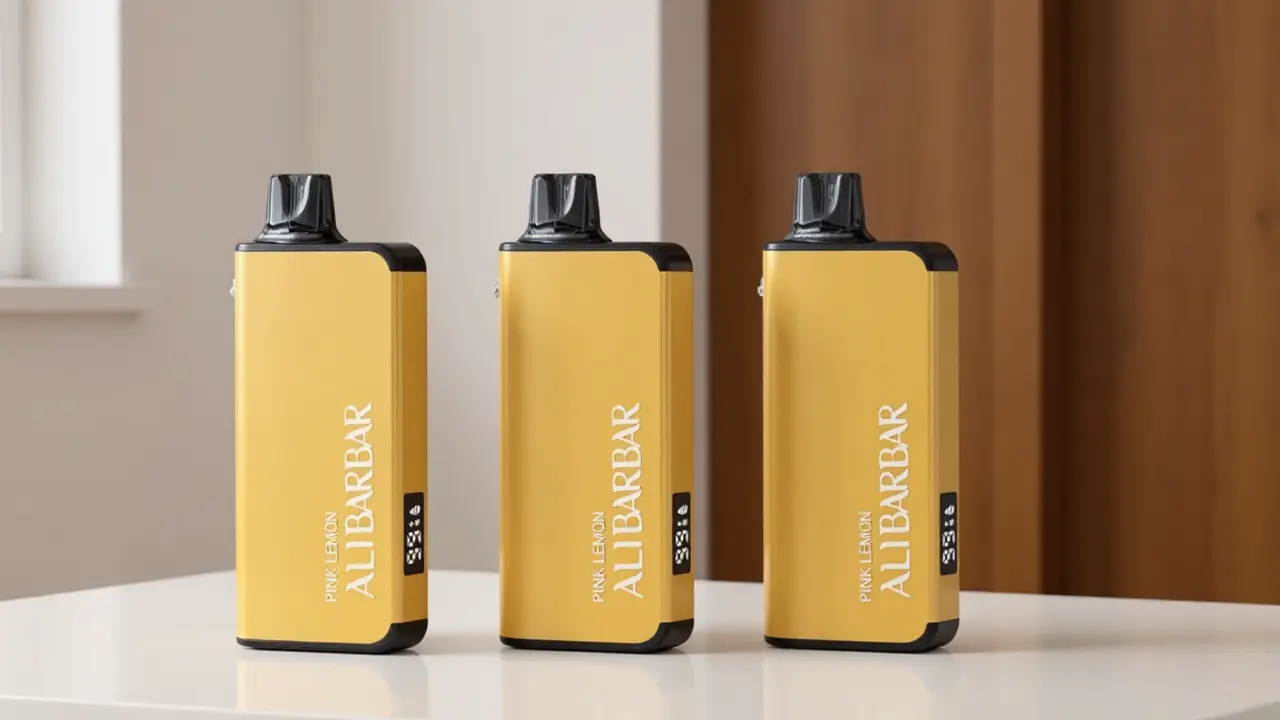
A: Fluctuating power can cause sudden temperature spikes, producing denser, more odorous aerosol. Stable power delivery, as found in ALIBARBAR’s calibrated circuitry, prevents these erratic bursts and keeps output consistent.
Q: Does a sealed device automatically mean less detectable output?
A: Not automatically. Sealed designs eliminate many user‑induced variables, but the quality of internal thermal control and airflow engineering still determines how discreet the device is. A poorly designed sealed unit can still be noticeable.
Q: I’ve noticed a device sometimes smells when not in use. Why?
A: Residual material trapped in mouthpiece crevices or around seals can emit a faint note. Devices with tight‑tolerance assembly, like the ALIBARBAR range, minimise such retention. Regular light cleaning of accessible surfaces, if the design permits, helps.
Q: Can I judge a device’s discretion just by looking at its specifications?
A: Specifications are a starting point. Look for evidence of temperature control, power‑path management, and airflow design, rather than just dimensions or stated capacity. Retailers that present standardised technical breakdowns — like OZVAPE Shop — make such comparisons feasible.
Q: What’s the best way to verify that I’m purchasing an authentic ALIBARBAR device, not an imitation?
A: Purchase through an authorised channel that sources directly from the factory and can provide batch‑level traceability. OZVAPE Shop guarantees factory‑certified inventory, so you are not relying on uncertified third‑party sellers.
Q: If a device produces a harsh or unusually strong scent, what should I do?
A: Cease use and inspect the device for visible damage or residue. An unusual odor can indicate a compromised heating element. Contact the retailer’s support team; responsible sellers like OZVAPE Shop have clear policies for handling performance issues.
Q: Are adjustable airflow devices better for managing room scent?
A: They can be, if implemented correctly. Reducing airflow can lower exit velocity, but it may also increase temperature if the device doesn’t compensate. ALIBARBAR’s adjustable models adjust power accordingly, preserving a cool, low‑odor output.
Q: Does the size of a device affect how noticeable its output is?
A: Not directly. A larger battery supports more consistent power over a longer period, which helps maintain low‑odor output. However, the actual engineering of the heating and airflow systems matters far more than physical size.
Conclusion
The question of whether you can smell a personal electronic device in a room doesn’t have a universal answer — it has an engineering answer. Devices are not all alike, and the factors that separate a discreet, low‑impact unit from one that lingers are knowable and measurable. Precision heating, stable power, intelligent airflow, and factory‑calibrated assembly combine to give the user genuine control over their presence in shared spaces.
Informed users make better decisions. By applying a clear evaluation framework, you can look past cosmetic similarities and assess what matters. When you choose a device that aligns with your actual routine — not the one with the flashiest claims — the result is a quieter, more predictable experience. For those who want to access a range of products built with these principles, OZVAPE Shop provides a channel where technical transparency and product authenticity are the foundation, not the afterthought. The right choice is the one that fits your reality, not someone else’s idea of performance.