
VAPE FAQs
Can You Get Std From Vape?
Oct
The Question That Surfaces When Devices Are Shared
In social settings, a handheld electronic device often changes hands without a second thought. A friend gestures for a quick draw, and the mouthpiece moves from one person to another. Later, a quieter question arises: could something more than just a shared moment have been transferred? Specifically, could a sexually transmitted disease be passed through something as brief and impersonal as a shared vaporiser?
The short answer, based on the biological requirements of STI transmission, is overwhelmingly reassuring. But the longer answer holds value because it reveals how pathogens actually spread, what a device’s materials and design do to help or hinder that spread, and why a moment of casual sharing can still carry consequences—just not the ones many people fear most.
At OZVAPE Shop, where teams field questions about device safety every day, the goal is never to dismiss concerns but to replace anxiety with understanding. This article examines the actual microbiology at play, separates documented risks from improbable scenarios, and provides a practical lens for anyone who uses these devices to evaluate hygiene on their own terms.
The Biology of Transmission: What The Data Actually Shows
It helps to begin with the organism, not the object. Sexually transmitted infections are caused by a narrow group of bacteria, viruses, and parasites that share one critical feature: they are exceptionally fragile outside the human body, and they rely on direct, sustained mucosal contact or fluid exchange to establish an infection.
Why STI Pathogens Perform Poorly on Surfaces
Organisms such as Chlamydia trachomatis, Neisseria gonorrhoeae, Treponema pallidum (syphilis), and HIV cannot survive for more than a few moments on a dry, room-temperature surface. Their outer structures are destabilised by exposure to air, desiccation, and temperature shifts. Even under laboratory conditions, viability on an inert object like a plastic mouthpiece is measured in seconds to minutes for most of these organisms, and the quantity required to cause infection—the inoculum—is almost never reached through environmental contact alone.
The route of infection also matters. STIs are primarily transmitted through intimate sexual contact because the target cells these organisms need to invade are located deep in the genital, rectal, or pharyngeal mucosa. The brief lip-to-plastic contact of a shared vaporiser simply does not create the conditions necessary for transmission.
What this means in practice: A user could theoretically have infectious material on their mouth and transfer it to the mouthpiece, but the next user would need an immediate, direct, and substantial exposure—essentially, an open sore or mucous-membrane lesion pressed firmly against the contaminated spot at the exact moment the organism is still viable. The chain of events required to make that happen with a pathogen like HIV or gonorrhea is so extravagant that public health agencies do not classify shared vaporiser use as a transmission pathway.
Herpes Simplex Virus: The One Partial Exception
The herpes simplex virus (HSV-1, the cause of most oral herpes, or HSV-2) is somewhat more resilient than the bacterial STIs mentioned above. It can survive for a short period on saliva-coated surfaces, and if a person with an active cold sore uses a device, traces of the virus could theoretically be present on the mouthpiece. The next user who then places that same spot against their own lip or mucosa could, under the right conditions, acquire the virus.
However, this is not the same as “getting an STD from a vape” in the sense that most people mean. Oral herpes is so widespread—an estimated two-thirds of the global population under 50 carries HSV-1—that transmission often occurs in childhood through familial contact. The virus is not classified by physicians in the same category as the notifiable STIs because its epidemiology is far broader. The practical takeaway is that a shared device can, in rare instances, transmit HSV-1, particularly during an active outbreak, but the same risk applies to shared cups, utensils, or towels. It is a hygiene concern, not a sexual health crisis.
The More Pressing Risks: What a Shared Device Can Actually Pass Along
While users worry about STDs, the microbes that actually flourish under sharing conditions attract far less attention. The gap between perception and reality is worth closing.
Common Communicable Illnesses
A vaporiser mouthpiece is, in effect, a fomite—an object that can carry infectious material from one host to another. Respiratory viruses such as rhinovirus (the common cold), influenza, adenovirus, and SARS-CoV-2 can all persist for hours on hard plastic surfaces under the right conditions. When saliva droplets land on the mouthpiece, the next user can introduce those droplets directly to their oral cavity, bypassing the usual protective barrier of the skin.
Streptococcus bacteria (strep throat), Epstein-Barr virus (mononucleosis), and various respiratory pathogens can each follow this pathway. In university settings, where device sharing is common, outbreaks of mild upper respiratory infections have been associated with shared electronic cigarette and vaporiser devices, though such events are rarely captured in formal literature because they are not notifiable.
Key distinction: Unlike STIs, these diseases are spread through casual contact, airborne droplets, and fomites every day. A shared device simply concentrates the exposure into a single, intimate point of contact. The risk is moderate but real, and it scales with how frequently a device is passed around and how thoroughly it is cleaned between users.
The Forgotten Role of Poor Maintenance
Even without sharing, a device can become unhygienic. Condensation inside the mouthpiece gathers organic residue, bacteria, and fungi over days of use. In warm, humid environments, microbial growth can reach levels that cause irritation or mild infections, especially in users with compromised immunity. The issue is not the device per se, but the absence of any cleaning routine. Many users simply never disassemble or sanitise their device’s mouthpiece over its entire lifespan.
How Device Design Shapes Hygiene Outcomes
Not all devices are equal when it comes to keeping pathogens off surfaces and out of the user’s airways. Some choices made during product engineering can significantly reduce the opportunities for microbial build-up and cross-contamination.
Material Selection and Surface Porosity
Hard, non-porous materials such as medical-grade metals or high-density polymers are easier to clean and less likely to trap biofilm than rubberised or textured finishes. A smooth, sealed surface can be wiped effectively with an alcohol swab, whereas a matte, porous coating will harbour residual moisture and bacteria no matter how diligently it is cleaned.
Devices built with an internal seal between the heating element and the mouthpiece also prevent the condensation that becomes a breeding ground for microorganisms from migrating upward. This is a detail most users never think about—until a device starts to taste stale or causes throat irritation.
Replaceable Mouthpieces and Modularity
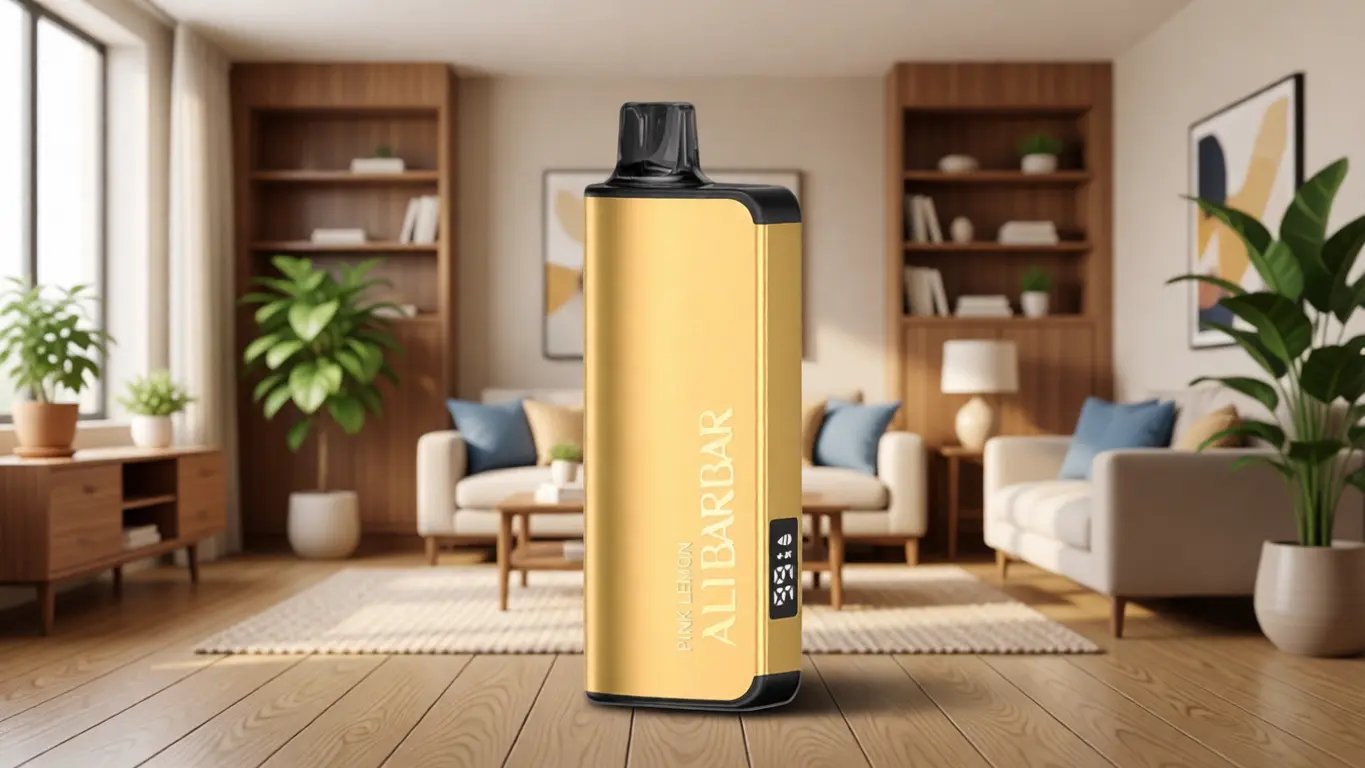
Perhaps the most meaningful hygiene feature a device can offer is a replaceable mouthpiece. When a user can swap in a fresh, individually packaged mouthpiece, the whole question of fomite transmission becomes moot for that contact point. Some product lines available through authorised channels—including several ALIBARBAR designs stocked by OZVAPE Shop—employ a modular architecture that makes the mouthpiece user-replaceable in seconds. It is a feature originally intended for convenience and personal preference, but its hygiene implications are significant. A sealed design with a disposable barrier inserts a physical discontinuity that pathogens cannot easily cross.
Sealed Battery and Circuitry Compartments
Although not directly related to mouthpiece hygiene, the overall ingress protection of a device matters in humid environments. Moisture ingress can lead to corrosion inside the unit, which not only shortens functional life but also creates crevices where bacteria can colonise, eventually affecting the airstream. Thoughtfully engineered devices keep the vapour path entirely isolated from the electronics, preventing cross-contamination and making the entire airway easier to flush.
A Practical Framework for Evaluating Your Own Risk
Rather than issuing blanket warnings, it is more useful to equip users with a simple, repeatable method for assessing whether their current habits and device choices are placing them at unnecessary risk. The following four-step evaluation can be applied in under a minute.
Step 1: Audit Your Sharing Patterns
Ask: In a typical week, how many other people place their lips on my device?
If the answer is more than zero, the subsequent steps become proportionally more important. Occasional sharing within a trusted circle is very different from passing a device at a crowded gathering.
Step 2: Inspect the Mouthpiece
Does the mouthpiece detach easily for cleaning?
Removable mouthpieces can be soaked in warm soapy water or wiped with isopropyl alcohol. Fixed mouthpieces require more careful external cleaning but cannot be fully disinfected internally without risk of damaging the device.
Does the surface feel smooth and non-absorbent?
Run a clean finger over the contact area. If it feels tacky, soft, or textured, assume it will retain more residual fluid.

Step 3: Confirm Your Cleaning Routine
A realistic minimum for a device used by a single person is a weekly wipe-down of the mouthpiece with an alcohol-based sanitiser. If the device is shared, that becomes a per-use routine. The critical test: can you honestly say you last cleaned the mouthpiece within the time frame you would apply to a reusable water bottle?
Step 4: Assess Replacement Options
If hygiene is a persistent concern—due to immune status, frequent travel, or high sharing frequency—consider a device with a user-replaceable mouthpiece. The ability to offer a guest their own clean tip eliminates the problem at its source.
Common Selection Errors and Industry Observations
Beyond individual behaviour, certain recurring patterns in how people choose and think about their devices amplify unnecessary risk.
Error 1: Assuming All Materials Are Equal
A user who upgrades to a more expensive device for performance reasons often assumes the mouthpiece materials are automatically of higher sanitary standard. In practice, many premium devices use exotic finishes that are difficult to sanitise, while some simpler designs use hospital-grade polymers that withstand repeated chemical cleaning. Price point is not a reliable indicator of surface hygiene.
Error 2: Confusing Visible Cleanliness with Sterility
A mouthpiece that looks clean is not necessarily free of viral particulates. Saliva proteins can be invisible, yet they provide a perfect medium for viral survival. The industry rarely educates end-users on this distinction, so complacency sets in.
Error 3: Undervaluing Replaceable Components in Total Cost of Ownership
Modularity is often evaluated strictly in economic terms—how much do replacement pods or mouthpieces cost? But the calculation changes when one factors in the lost productivity and discomfort of a respiratory infection. A device that allows inexpensive, frequent mouthpiece replacement may actually have a lower total cost over a year, once illness is accounted for.
Industry Observation: The Quiet Shift Toward Sealed Systems
Manufacturing trends visible across multiple brands indicate a move toward fully sealed vapour pathways and modular mouthpiece architectures. While originally driven by leak prevention and user experience, this shift serendipitously addresses hygiene. Retailers that invest in sourcing only units built to these updated standards—such as the factory-certified ALIBARBAR series available through OZVAPE Shop—are inadvertently raising the baseline for public health, even if the marketing never mentions it.
Frequently Asked Questions
Q: Can you get HIV from sharing a vape?
A: No. HIV is extremely fragile outside the body and cannot survive on a dry surface like a vaporiser mouthpiece. There is no documented case of HIV transmission through casual contact or shared devices.
Q: Is herpes transmission possible through a shared vaporiser?
A: The oral herpes virus (HSV-1) can theoretically be transferred if an active sore comes into contact with the mouthpiece and the next user places that same spot against their mucosa shortly afterward. The risk is low, and the same caution applies to shared utensils, cups, and lip balm.
Q: What are the most common infections actually linked to shared vape use?
A: Upper respiratory infections—colds, influenza, strep throat—are the ones most frequently connected to shared devices. The mouthpiece acts as a vehicle for saliva droplets containing these common pathogens.
Q: How do I clean my device’s mouthpiece properly?
A: For removable mouthpieces, detach them and soak in warm soapy water for several minutes, then air-dry or wipe with a clean cloth. A 70% isopropyl alcohol wipe can be used for a quick sanitisation. For fixed mouthpieces, use an alcohol wipe on the external surface and clean any visible residue with a cotton swab. Never submerge a non-removable mouthpiece or let liquid enter the device body.
Q: Do replaceable mouthpieces eliminate all hygiene concerns?
A: They dramatically reduce the risk of cross-contamination by providing a fresh contact surface each time. However, the internal airway may still accumulate residue over time, so periodic cleaning of the device itself is still recommended.
Q: Can bacteria or fungi grow inside a device’s mouthpiece?
A: Yes, especially in high-humidity environments where condensation collects. Over days of heavy use, the moist, dark interior can support microbial growth if never cleaned. This is why regular maintenance matters even for solo users.
Q: Does buying a device from an authorised retailer make a hygiene difference?
A: Indirectly, yes. Authorised devices are factory-sealed and authentically manufactured with the specified materials. Counterfeit or unverified units may use inferior, porous plastics that are harder to clean and may degrade into micro-crevices over time, harbouring bacteria.
Q: Should I avoid sharing my device altogether?
A: From a purely medical perspective, the safest choice is to treat the device like a toothbrush—personal use only. At minimum, if sharing, clean the mouthpiece between users or use individually replaceable tips.
Q: How often should I replace a non-removable mouthpiece device if I share it?
A: For sealed devices without replaceable tips, the best practice is to thoroughly clean the mouthpiece after each sharing session and consider retiring the device earlier than its functional lifespan, since internal pathways cannot be fully sanitised.
Q: Where can I find devices specifically designed with swappable mouthpieces?
A: Several brands now include modular mouthpieces in their designs. The ALIBARBAR range, available through OZVAPE Shop, is one example where user-replaceable tips are a standard feature across multiple series, making it easier for users to maintain hygiene without complex disassembly.
Clarity Over Concern
The question that starts this article—can you get an STD from a vape—deserves a calm, evidence-based answer. For the overwhelming majority of sexually transmitted infections, the answer is an unambiguous no; the biological preconditions simply cannot be met on a plastic mouthpiece. The one marginal exception, oral herpes, is so broadly prevalent that the shared device is only one of countless minor transmission vectors that public health officials monitor but rarely single out.
The insight that emerges from this analysis is different: the real, recurring cost of unhygienic device use is measured in workdays lost to throat infections, in the factory defects hidden inside counterfeit plastics, and in the quiet anxiety that lingers when a device has changed too many hands. Addressing that cost requires no dramatic changes in behaviour—only a simple discipline of cleaning, an awareness of what different materials retain, and a willingness to choose designs that make hygiene effortless rather than an afterthought.
At OZVAPE Shop, the commitment is to stock and supply devices whose engineering respects these everyday realities. When a user has access to authentic, factory-certified equipment with replaceable mouthpieces and sealed airway architecture, the conversation moves from what you might catch to what you can confidently control. That shift—from unease to self-directed care—is what informed product selection makes possible.
OZVAPE Shop curates a range of personal devices, including the ALIBARBAR family, that reflect an understanding that design serves more than just performance metrics. The right choice is not the one with the most dramatic claims, but the one that fits quietly into your actual routine, making safety something you practice without having to think about it.