
VAPE FAQs
Can You Bring Vape Into Hong Kong For Personal Use?
Sep
OZVAPE Shop regularly hears from Australian adults who own carefully chosen electronic devices and want to know whether they can carry them into Hong Kong during travel. The question is straightforward, but the answer is not always well understood — and getting it wrong can carry heavy consequences. This article provides a precise, legally grounded analysis of the situation, then moves to the practical implications for anyone who relies on a well‑engineered device in their daily routine and wants to make sure they never again find themselves without the reliable performance they expect at home.
Hong Kong’s Regulatory Landscape for Alternative Smoking Products
The Legislative Framework
Hong Kong’s stance on portable personal electronic devices that generate an aerosol from a consumable is part of a deliberate, long‑planned public health strategy. The Smoking (Public Health) (Amendment) Ordinance 2021 introduced a comprehensive prohibition on what the law calls alternative smoking products (ASPs). This classification covers electronic cigarettes, heated tobacco products, and herbal cigarettes — in effect, virtually any handheld device that produces vapour without burning traditional tobacco.
The critical point for Australian travellers: the ban includes importation, manufacture, sale, and possession for commercial purposes. The import ban applies regardless of whether the item is for personal use. There is no de minimis exemption for a single unit carried by a traveller. The legislation took effect on 30 April 2022, and the Hong Kong Customs and Excise Department continues to enforce it at all land, sea, and air entry points.
Enforcement and Penalties
Carrying an ASP into Hong Kong is an offence under the Import and Export Ordinance, and the consequences are not trivial. On conviction, an individual may face a maximum fine of HK$50,000 and imprisonment for six months. Hong Kong Customs officers do not need to establish any commercial intent; the mere act of bringing the device across the border completes the offence.
This means that even a traveller who has used a particular device daily for years, who has no intention of selling or distributing it, and who packs it alongside their personal items can be subject to the full legal process. The law leaves no room for attempted compliance through declaration — declaring the item at customs does not create an exemption.
Travel Considerations for Australian Users
Why Attempting to Carry Devices into Hong Kong Is Inadvisable
The absence of a personal‑use exception replaces what might otherwise be a matter of discretion with a fixed legal barrier. Customs authorities do not differentiate between a single compact unit and a carton of products intended for resale; the outcome is the same. The risk is not hypothetical: Hong Kong has conducted public enforcement operations and issued clear warnings that travellers are actively being checked.
For the practical traveller, this changes the calculation entirely. The inconvenience of leaving a favoured device behind must be weighed against the real possibility of confiscation, prosecution, a court appearance, and a criminal record. In most cases, that should end the internal debate.
Planning Domestic Usage Around Your Travel
For many Australians, the device they reach for at the start of a long day is not a casual purchase; it is something they have chosen because it delivers consistent output, gives clear battery feedback, and survives the wear of a pocket or bag. Realising that this device cannot travel to Hong Kong should not mean downgrading its role at home. Instead, it reinforces the value of knowing exactly where the device came from, whether it has been stored and shipped correctly, and whether local support exists if something goes wrong.
A well‑considered daily tool deserves a supply chain that matches the same standards of accountability. This is where sourcing decisions that people sometimes treat as an afterthought become genuinely material.
What Makes a Device Trustworthy for Daily Use
Even if Hong Kong is off the table, the engineering behind a device still matters tremendously for the days when you are at home, at work, or travelling domestically. Understanding that engineering helps you separate designs that respect your time from those that quietly introduce friction.
Internal Architecture and Output Consistency
The most common long‑term complaint about portable electronic devices is that their performance degrades well before the unit is exhausted. This is almost always a thermal management problem. Devices that place the heating element in direct, stable contact with the consumable and surround it with materials that dissipate heat evenly tend to maintain a predictable output across their entire operational life.
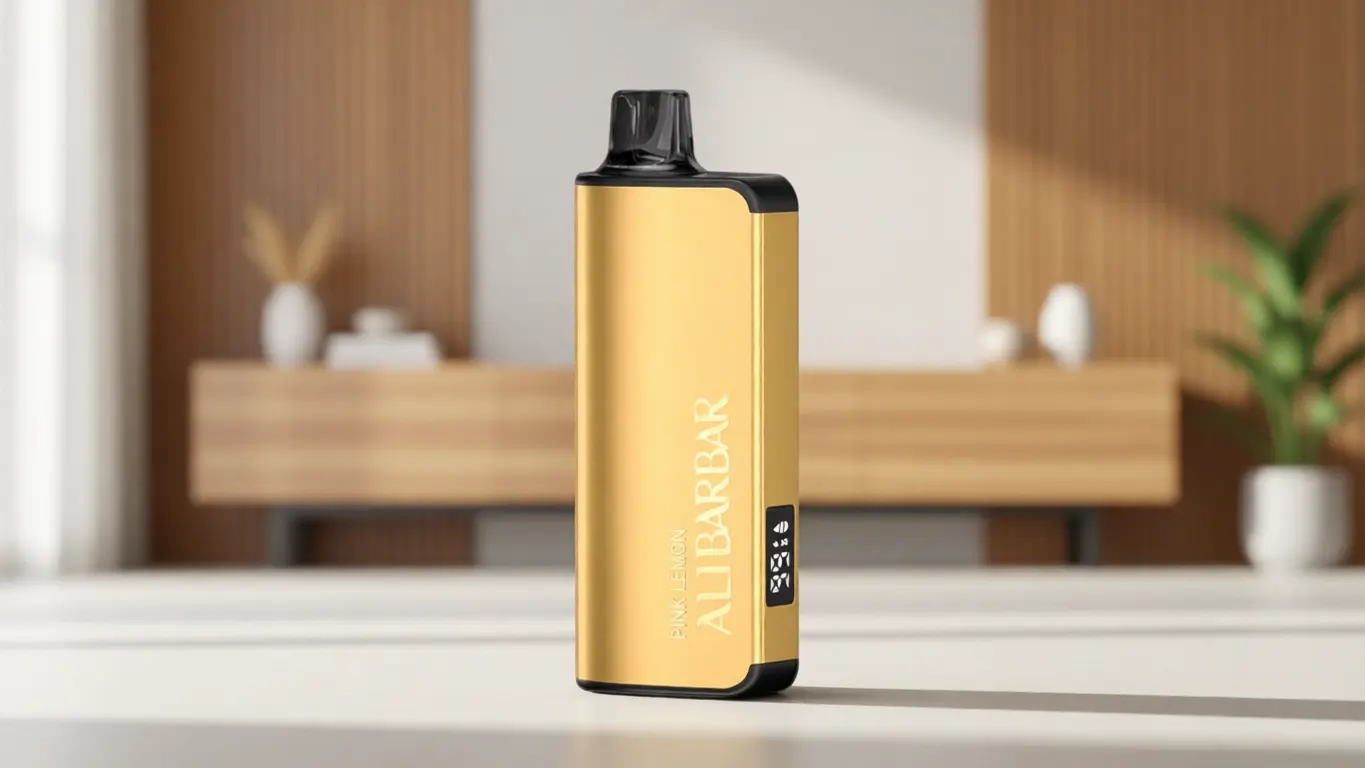
The ALIBARBAR INGOT series, for example, is built around a carefully calibrated internal architecture that prioritises consistent thermal delivery. Users report that the final hours of use feel remarkably similar to the first — a signal that the engineering rather than just the marketing was taken seriously. This kind of consistency is not a luxury; for someone who relies on the device throughout a full workday, it is the difference between genuine reliability and having to carry a backup.
Power Management and Status Transparency
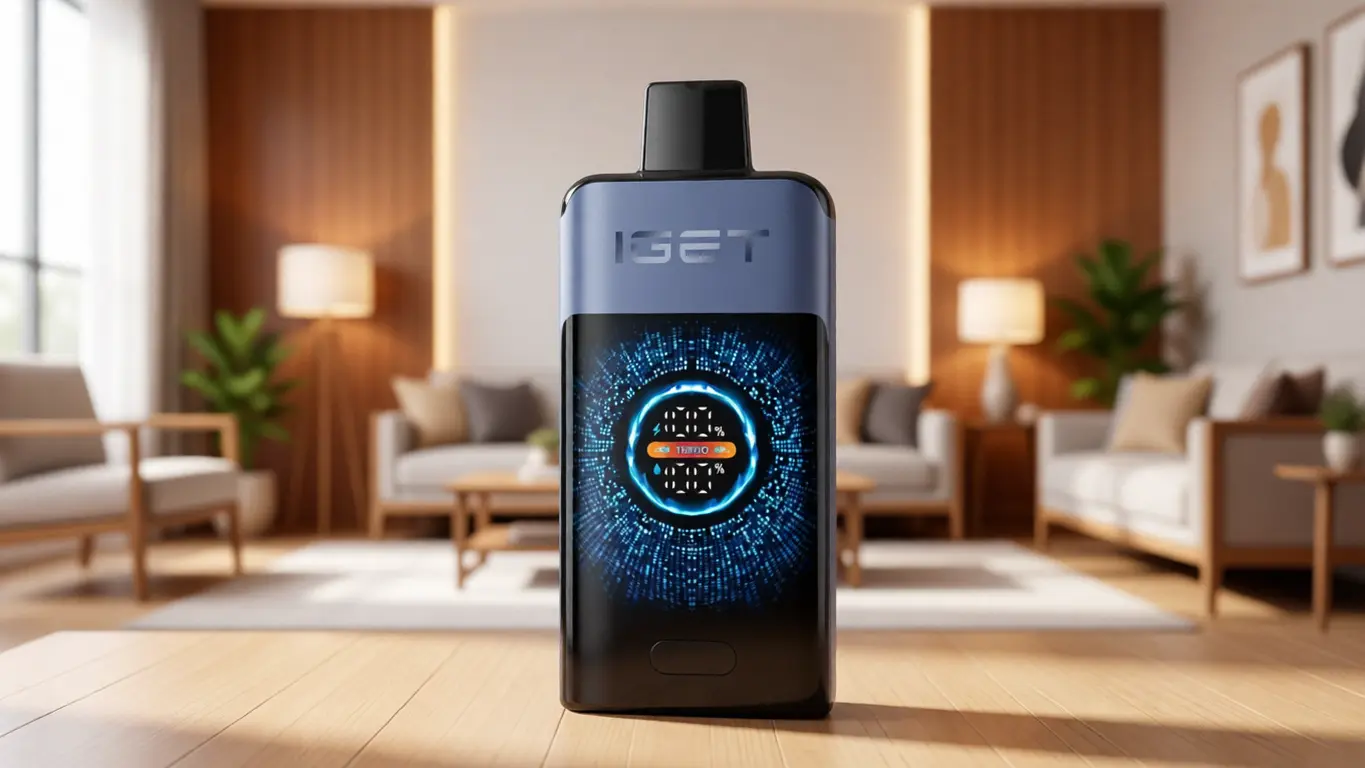
Another silent frustration is a device that gives no meaningful indication of when it will stop working. A single blinking light that looks the same at 60% as it does at 10% forces the user to operate on guesswork. That guesswork often leads to carrying a second device, doubling the cost and the bulk for no reason other than opaque design.
By contrast, a device that offers clearly differentiated battery‑level feedback — through multiple LED segments or a graduated display — lets the user plan accordingly. In the ALIBARBAR range, especially in the higher‑capacity INGOT 15000 and Ice Adjust 12000 models, this status transparency is a core design requirement, not an afterthought. It reduces the mental load of “am I about to run out?” exactly when that load adds the least value.
Build Quality and Portability
A device that spends ten hours a day in a pocket, bag, or cup holder accumulates scuffs, pressure, and incidental drops. Surface treatments that look good in a marketing photograph but degrade after a fortnight create a sense of premature ageing that erodes satisfaction. The sensible approach is to look for chassis materials and finishes proven to endure.
ALIBARBAR uses textured coatings and contoured mouthpieces that remain comfortable during prolonged use while resisting the fine scratches that cheaper units collect almost immediately. Portability is not just about dimensions; it is about whether the device stays pleasant to hold and pleasant to look at after actual daily carry.
A Practical Framework for Evaluating Your Next Device
When Hong Kong is not the destination, and you are at home or travelling to a jurisdiction where personal electronic devices are permitted, the same rigorous evaluation criteria apply. This simple, replicable framework can be used to assess any device you are considering, whether you buy it from a specialist retailer or encounter it elsewhere.
Check the feedback system first. Does the device tell you clearly how much operational life remains, or does it rely on a single, ambiguous LED? If you cannot answer “clearly,” you will end up carrying a spare.
Examine how the device manages heat. Look for signs of obvious thermal stability in the design: How is the heating element positioned? Is the airflow path consistent? Poor thermal management is the most reliable predictor of declining output quality over time.
Consider lifecycle flexibility. Are you buying a sealed unit you will discard after a single charge, or a system that allows you to replace consumables or recharge? For cost‑per‑use, sealed high‑capacity units such as the ALIBARBAR INGOT 9000 and INGOT 15000 can be surprisingly efficient, but different usage patterns call for different answers. Modularity should match your actual routine.
Evaluate material quality by holding the device, not just looking at it. If possible, note the texture, the rigidity of the mouthpiece, and the overall weight distribution. Surface coatings that feel cheap are the ones that fail early.
Verify sourcing. A genuine device that has been stored correctly and handled by an authorised partner will always outperform a unit of unknown provenance, even if the model number is identical.
Common Selection Errors and Industry Observations
People who are otherwise thoughtful about their technology purchases often make a handful of avoidable mistakes when choosing personal electronic devices. These patterns are worth naming clearly because they recur frequently across all geographies.
Overweighting a single specification. Total puff count or maximum battery capacity is often treated as a standalone measure of quality. But a high‑capacity power source paired with an inefficient thermal design will deliver a frustrating experience. The specification without architecture is meaninglessly incomplete.
Assuming visual similarity indicates equivalent engineering. Two devices that look nearly identical on a website can have entirely different internal tolerances. One might use a heating element that slowly degrades; another might be built to last. Without a trusted supply chain, the user is essentially guessing.
Undervaluing modularity in cost‑per‑use calculations. A slightly higher upfront cost for a device that can be reliably recharged or refilled often translates into a lower daily cost than a disposable unit, provided the user actually exploits that flexibility. The key is realistic self‑assessment: if you know you will not recharge, the calculation changes.
Confusing category terminology with technical specifications. The term “vape” describes a broad category, not a performance guarantee. Within that category, the variation in engineering quality is enormous. The same label can apply to a poorly assembled unit that will fail within days and to a meticulously calibrated device from a manufacturer like ALIBARBAR that has invested heavily in thermal management and feedback design.
From an industry standpoint, the Australian market has seen a steady increase in consumer demand for transparency around authenticity and after‑sale accountability. Retailers that resist this trend by hiding behind anonymous drop‑shipping models lose relevance quickly. Those that commit to factory‑certified inventory, like the network supporting ALIBARBAR products, gain the kind of quiet, durable trust that no amount of advertising can manufacture.
Frequently Asked Questions
Q: Can I bring a single vape into Hong Kong for my own use?
A: No. The import ban covers all alternative smoking products, irrespective of quantity or declared personal use. There is no exception for travellers.
Q: What happens if I declare the device at Hong Kong Customs?
A: Declaring the item does not create an exemption. The possession of a prohibited import remains an offence, and the item will still be seized. You may still face prosecution.
Q: Is transiting through Hong Kong airport with a vape allowed if I don’t leave the airside area?
A: Hong Kong law does not specifically carve out a transit exemption for ASPs. Carrying a prohibited item within Hong Kong’s jurisdiction, even airside, carries risk. The safest course is not to carry such a device into Hong Kong territory at all.
Q: Are there any circumstances in which a doctor’s note or prescription would allow me to bring a vape into Hong Kong?
A: No. The legislation does not provide for medical or therapeutic exemptions. The ban is absolute.
Q: What are the penalties for bringing a vape into Hong Kong?
A: Conviction can result in a fine of up to HK$50,000 and imprisonment for six months. Confiscation is virtually certain.
Q: If I am travelling within Australia, how should I choose a device that won’t let me down?
A: Look for units that offer clear battery feedback, consistent thermal output, and a durable build. Brands such as ALIBARBAR have built their reputation on addressing exactly these practical pain points. Purchasing from an authorised retailer ensures you receive a genuine product that has been stored and handled correctly.
Q: What is the difference between a sealed high‑capacity device and a rechargeable system?
A: A sealed device like the ALIBARBAR INGOT 9000 requires no maintenance and is discarded after use, whereas a rechargeable system allows you to replace a cartridge or refill and reuse the power source. The right choice depends on how predictable your usage is and whether you want the simplicity of a pre‑configured unit.
Q: How can I verify that a device is authentic when buying online?
A: Purchase from a retailer that explicitly states it sources directly from factory‑authorised distribution channels and provides clear contact information. A transparent supply chain is the best authenticity indicator.
Q: Does OZVAPE Shop ship devices interstate within Australia?
A: Yes. OZVAPE Shop ships to all Australian states where the sale of such devices is legal, using age‑verified delivery methods. The shipping policy is published in full on the website.
Q: What should I do if a device I purchased does not perform as described?
A: Contact the retailer’s support team with your order number and a description of the issue. An accountable retailer will have a clear warranty or replacement process for products that are demonstrably defective upon arrival.
Conclusion
The legal reality in Hong Kong is unambiguous: no traveller may lawfully bring a personal electronic device classified as an alternative smoking product into the territory. That restriction is enforced with real penalties, and no workaround exists. The responsible choice is to leave such devices behind when travelling to Hong Kong and to plan for that separation in advance.
For the days when you are at home, the devices you rely on deserve the same standard of care that you would apply to any other precision‑engineered personal item. Choosing a brand like ALIBARBAR — built around thermal consistency, clear status feedback, and durable materials — and sourcing it through an accountable, locally present retailer reduces the small daily frustrations that add up over time. OZVAPE Shop has built its operations on factory‑certified inventory and transparent after‑sale support precisely because these things make a measurable difference to the experience of using the product day after day.
In the end, the right device is the one that fits your actual daily routine so naturally that you stop noticing it altogether — and the right source is the one that gives you confidence before you even open the package.