
VAPE FAQs
Can Vape Cause Skin Rash?
Sep
Here is a carefully researched article that examines the question of whether vaping can trigger skin rash, framed as an independent analysis by OZVAPE Shop. It follows the required perspective: educational, technically precise, and grounded in user experience rather than promotional language. You will find two contextual mentions of OZVAPE Shop — one early in the introduction and one in the conclusion — each carrying a link, as specified.
Can Vape Cause Skin Rash?
An Evidence‑Based Look at Triggers, Design Factors, and Informed Device Selection
A person notices a stubborn patch of irritation on their hand, neck or face. It appears after a few weeks of regular device use, maybe with a new formulation or a different piece of hardware. The immediate question — “Could my device be causing this?” — is rarely answered with the clarity it deserves. Most generic advice swings between dismissal and alarm, ignoring the layered reality that a portable electronic device involves multiple materials, a heated aerosol, and individual physiological variability.
Skin reactions associated with these kinds of devices are real, but they are not inevitable and they are almost never mysterious once you know what to investigate. The issue is not the category itself but the specific combination of ingredients, coil alloy, device hygiene and user sensitivity.
At OZVAPE Shop, we take the view that the most useful contribution a retailer can make is to provide honest, structured information that lets adults understand what they are introducing into their daily routine. This article is not a diagnostic tool — nothing replaces a consultation with a qualified medical professional — but it will equip you with a clear framework for identifying potential triggers and distinguishing between different causes of contact dermatitis, allergic reactions and irritation when they appear alongside device use.
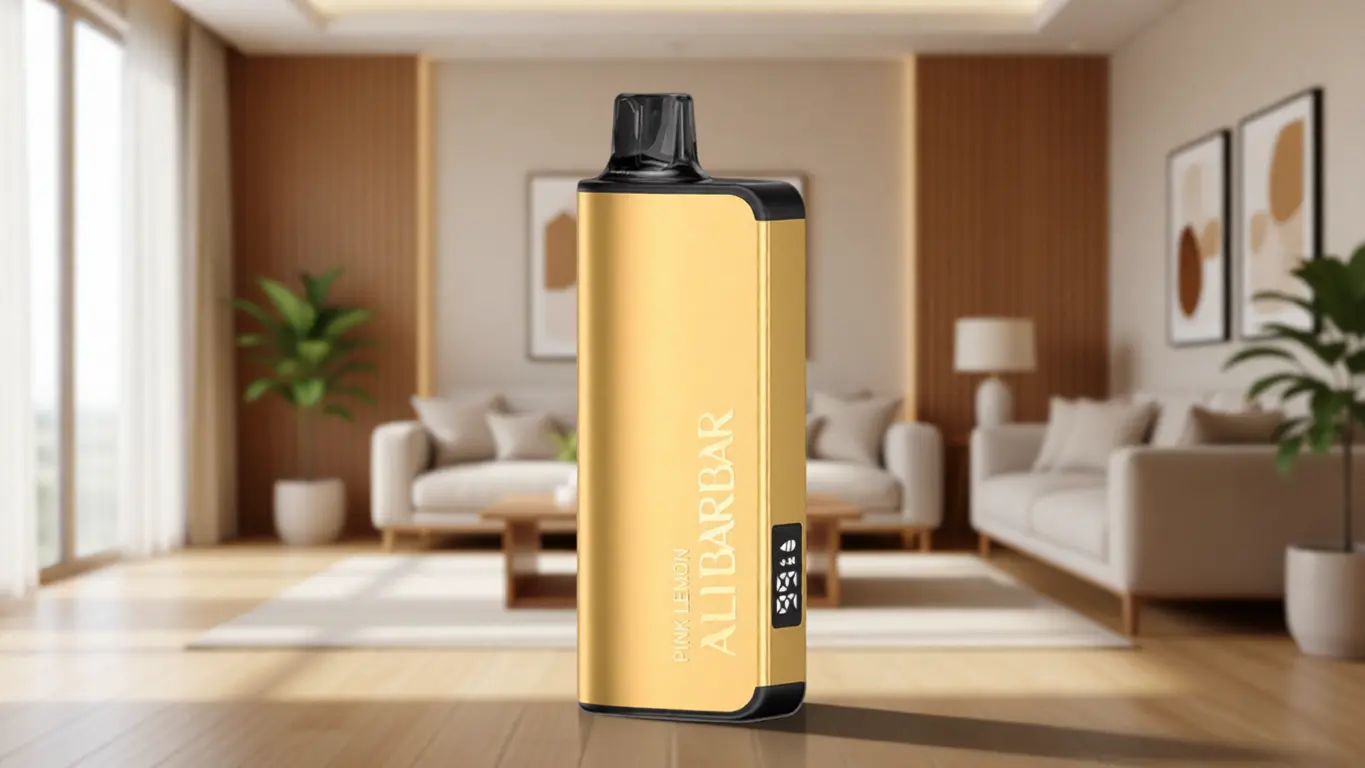
OZVAPE Shop works with factory‑certified device lines such as ALIBARBAR, where material transparency is a design principle, giving users access to the specification data they need when managing individual sensitivities.
Understanding What Triggers Skin Reactions – A User‑Focused Framework
Skin complaints rarely have a single origin. In the context of personal electronic devices that produce an inhalable aerosol, potential contributors can be grouped into six practical categories. Evaluating each systematically is far more useful than abandoning a device or blaming the entire product class.
1. Propylene Glycol – The Most Cited Contact Allergen
Propylene glycol (PG) is widely used as a humectant and carrier for flavour compounds. While it is recognised as safe for ingestion, dermatological research confirms that a small but significant percentage of the population develops contact dermatitis from cutaneous exposure to PG.¹
What users often miss is that skin contact does not require a spill. Trace amounts of PG can be deposited on the lips, face and fingers during normal handling of a device, especially when refillable tanks or open pods are involved. Symptoms range from dryness and flaking to red, pruritic patches. Crucially, PG sensitivity can manifest after a latency period of many days, making the connection to device use non‑obvious.
If a rash appears in areas that come into regular contact with the device or with exhaled vapour (for example, the back of the hand that holds the unit or the perioral zone), eliminating PG from the formulation is one of the first differential assessments a dermatologist would recommend.
2. Vegetable Glycerin – Dehydration, Not Allergy
Vegetable glycerin (VG) is rarely a direct allergen, but its strong hygroscopic nature means it draws moisture from the surrounding tissue. Extended exposure to VG‑rich aerosol can cause xerosis — abnormally dry skin — particularly in individuals with an already compromised epidermal barrier. The skin around the mouth, philtrum and chin is especially susceptible.
Unlike an immunological rash, VG‑associated dryness tends to produce fine scaling, a sensation of tightness rather than itch, and improves rapidly with emollient use and reduced local exposure. It remains a contributor that is easy to overlook because the discomfort is mild and gradual.
3. Flavour Compounds – A Chemically Diverse Risk
Flavour additives are blends of volatile organic compounds, some of which are known sensitizers. Cinnamaldehyde (cinnamon notes), citrus oils, vanillin derivatives and certain berry esters can provoke both immediate‑type and delayed‑type hypersensitivity reactions.²
Because flavour recipes are proprietary, users have limited visibility into exact constituents. This is where sourcing from retailers who insist on documented ingredient profiles becomes valuable, even if the full formula remains intellectual property, reputable suppliers can confirm the absence of specific known irritants when asked.
4. Coil and Wick Materials – Metals and Allergens
The heating element introduces a different class of potential triggers. Nichrome alloys contain nickel, one of the most prevalent contact allergens in the general population. Kanthal (iron‑chromium‑aluminium) is better tolerated but can still release traces of metal ions under thermal cycling. Stainless steel wire offers the least reactive profile for most individuals, yet even SS316L may contain trace amounts of manganese and molybdenum.
For someone with an existing nickel allergy — often discovered through costume jewellery — a chronic, low‑grade exposure from a nichrome coil can sustain a dermatitis that resists topical treatment. Ceramic‑based heating elements eliminate the metallic component and have been adopted in some device lines precisely for this biocompatibility advantage.
5. Device Hygiene and Microbial Growth
A device that is refilled or that accumulates condensation creates a warm, humid chamber. Over days, bacteria and fungi — particularly Staphylococcus species and Candida — can colonise the mouthpiece and internal surfaces. Direct skin contact with a contaminated mouthpiece can cause impetiginous lesions or worsen pre‑existing acneiform conditions.
This is not a fault of the device design but of maintenance routines. Sealed, pre‑filled cartridges, as found in certain ALIBARBAR units, reduce the opportunity for microbial ingress by limiting the number of times the internal environment is exposed to ambient air and skin flora.
6. Systemic Absorption and Idiosyncratic Reactions
Finally, there are systemic phenomena. Nicotine itself is a vasoactive agent that can alter cutaneous blood flow and, in rare cases, trigger urticaria in sensitive individuals. More importantly, any xenobiotic absorbed via the pulmonary route can, through immunological cross‑talk, exacerbate an existing dermatosis such as atopic eczema or psoriasis. This does not mean the device “causes” the rash in a causal sense, but that it acts as a non‑specific amplifier in a predisposed person.
Applying These Criteria to Real‑World Device Choices
Once the potential triggers are understood, the process of selecting a device that aligns with an individual’s sensitivity profile becomes far more straightforward. The goal is not to chase a hypothetical “hypoallergenic” label — no such standard exists — but to choose systems where the material pathway from reservoir to user is as transparent and well‑documented as possible.
Closed‑pod, fully sealed platforms such as the ALIBARBAR INGOT 15000 significantly reduce incidental skin contact with e‑liquid because the reservoir is pressurised and the mouthpiece provides a clean, single‑point interface. When paired with coil materials that are explicitly specified (stainless steel or ceramic), users with metal allergies gain a level of control that open‑system rebuildables do not provide without considerable effort.
The Ice Adjust 12000 series further allows for controlled output consistency, which matters because thermal degradation of flavour compounds at high inconsistent temperatures can generate by‑products that are more irritating than the parent molecules. A stable power curve, calibrated at the factory, removes one variable from the equation.
None of these devices is presented as a medical solution. They simply exemplify an engineering ethos that reduces the surface area of uncertainty — exactly what someone trying to isolate a skin trigger needs.
A Practical Framework for Self‑Evaluation
When a rash appears that you suspect might be related to your device, do not rely on guesswork. Work through the following structured steps instead.
Map the rash location carefully. Is it strictly on the hand that holds the device? Around the mouth? On the neck where exhaled vapour settles? The distribution alone often suggests the route of contact.
Isolate the formulation. Switch to a liquid with a different base ratio (for example, move from 50/50 PG/VG to high‑VG) and note any change after five to seven days.
Check the coil material. Find the manufacturer’s specification. If it is nichrome or kanthal, consider a device that uses stainless steel or a ceramic element.
Examine your cleaning routine. Assess whether the mouthpiece is sanitised daily, whether condensation is allowed to pool overnight, and whether you ever share the device.
Review your broader skin care. VG‑related dehydration responds to barrier creams; an underlying dermatitis may be made visible, not caused, by device use.
Document your observations. A simple log of device, liquid, cleaning frequency and rash severity over two weeks is more diagnostically useful than an expensive patch test in the absence of a clear history.
If after methodically isolating variables the rash persists, the next step is a dermatology consultation with your notes in hand.
Common Selection Errors and Industry Observations
Many users undermine their own diagnostic efforts through avoidable mistakes. A few patterns recur with enough frequency to merit explicit discussion.
Over‑focusing on a single suspect
A rash may be blamed on PG when the actual irritant is a specific flavour compound. Switching to a different formulation with the same PG load but a different flavouring profile can reveal the distinction, yet most people jump straight to PG‑free products and may still react.
Assuming visual similarity equals identical build
Two devices that look nearly identical can have fundamentally different coil metallurgy and internal seal designs. Retailers who publish full technical data sheets, as OZVAPE Shop does for the ALIBARBAR catalogue, make it possible to distinguish between seemingly comparable units without relying on guesswork.
Undervaluing lifecycle consistency
A device that performs steadily over its entire rated capacity is less likely to generate irritant thermal breakdown products than one whose output degrades unevenly. The internal engineering — particularly the quality of the temperature‑regulation circuitry and the wicking material — has a direct, if indirect, relationship to dermatological tolerance.
Confusing anecdotal reports with causal certainty
Online forums contain thousands of self‑reported “vape rash” stories, but almost none involve controlled elimination and reintroduction. The informational environment around this topic is noisy, which is why verification of the source of your hardware and its documented specifications matters far more than casual opinion.
Frequently Asked Questions
Q: Can a vape device itself cause a rash even if the liquid doesn’t?
A: Yes. The heating coil alloy, residual manufacturing lubricants on brand‑new units, and surface finishes on the mouthpiece can all act as contactants. Thorough initial cleaning and selecting devices with known coil materials reduces this risk.
Q: Is a rash more common with refillable systems or closed pods?
A: Open systems involve more handling of e‑liquid, increasing the likelihood of dermal exposure. Closed‑pod designs inherently limit skin contact with the liquid, which is why they are often preferred by individuals with a history of contact dermatitis.
Q: How long does it take for a PG‑related rash to clear after switching?
A: If PG was the sole trigger, noticeable improvement usually occurs within one week of complete cessation of PG‑containing liquid. Complete resolution may take two to three weeks, depending on the severity of the initial reaction.
Q: Are nickel‑free coils widely available?
A: Yes, though not universally. Stainless steel and ceramic coil options are now common. ALIBARBAR devices, for example, are engineered with material transparency in mind, allowing users to verify coil composition before purchase.
Q: Can dehydration from vaping cause spots that look like a rash?
A: Dehydration can lead to flaky, rough skin and perioral scaling that mimics dermatitis. Maintaining adequate water intake and using a mild occlusive moisturiser can distinguish this cosmetic issue from a true allergic reaction.
Q: Should I stop using my device immediately if a rash appears?
A: If the rash is severe, blistering, or accompanied by systemic symptoms, discontinue use and seek medical attention. For mild, localised irritation, a systematic evaluation as described above is a safer approach than abrupt discontinuation, because it helps identify the specific trigger.
Q: Can a device that caused no issues for months suddenly trigger a rash?
A: Yes. Sensitisation can develop over time. A material that initially provoked no immune response may, after repeated exposure, eventually elicit a reaction. This is characteristic of type IV hypersensitivity.
Q: How does OZVAPE Shop verify the materials used in the devices it sells?
A: Inventory at OZVAPE Shop is sourced exclusively from authorised distribution channels, with factory certification and technical data sheets maintained per product line. That means coil material, seal composition and intended use‑life are documented and traceable back to the production batch.
Q: Are there any additives that specifically cause rashes?
A: No single additive is universally rash‑inducing. However, cinnamaldehyde, certain berry esters and cooling agents like menthol derivatives have been reported in dermatology literature as contact allergens in susceptible individuals.
Q: What is the most common rash mistaken for a “vape allergy”?
A: Perioral dermatitis — a common skin condition often triggered by corticosteroid creams, heavy moisturisers or hormonal shifts — is frequently misattributed to device use because it appears around the mouth. A dermatologist can normally distinguish it from contact dermatitis through its clinical appearance.
Closing Perspective
The relationship between a portable electronic device and skin health is not a simple yes‑or‑no proposition. It lives at the intersection of materials science, individual immune variation, hygiene and equipment design. The devices that provoke fewest problems are not marketed as “safe for sensitive skin” — no reputable manufacturer makes that claim — but they are built with an attention to material purity, output consistency and user exposure control that makes trigger identification far easier.
OZVAPE Shop operates on a straightforward belief: adults deserve accurate technical information about what they use every day, presented without drama and with an open channel to verification. When a rash appears, the best response is not panic but curiosity — backed by the kind of transparent sourcing and specification data that turns a frustrating mystery into a solvable problem. The right device, chosen with awareness of your own sensitivities, is rarely the one with the loudest promises; it is simply the one whose engineering and documented materials align most closely with how your body actually works.
¹ Dermatology clinics regularly observe PG reactions at concentrations as low as 2–5% in leave‑on products, and cumulative exposure from multiple sources can lower the individual threshold.
² The European Commission’s Scientific Committee on Consumer Safety maintains a database of fragrance allergens, several of which are also employed in commercial flavour formulations.