
VAPE FAQs
Can Vape Cause High Blood Pressure?
Aug
High blood pressure isn’t something most people associate with a portable electronic device. Yet the question keeps surfacing — not because the mechanism is obvious, but precisely because it isn’t. When an adult picks up a device that delivers a measured dose of a stimulant compound, they rarely stop to think about the engineering that determines how much of that compound reaches their system, how often, and with what consistency. The connection between device design and cardiovascular strain is real, but it’s hidden behind a wall of assumptions and incomplete information. At OZVAPE Shop, we’ve observed that users who understand this connection make markedly better choices — not because they’re scared, but because they’re informed.
This article explains what the available evidence says about stimulant exposure and blood pressure, then examines how differences in internal architecture, power management, and physical design can amplify or moderate that exposure. By the end, you’ll have a concrete framework for evaluating any device through a health‑conscious lens, and you’ll understand why superficial similarity between products is a poor predictor of actual risk.
Understanding the Variables: Device Engineering and Physiological Response
The relationship between a portable stimulant device and your cardiovascular system is not a simple on/off switch. It’s mediated by three layers: the compound itself, the device’s ability to deliver that compound predictably, and your own usage pattern — which in turn is shaped by how the device communicates its status to you. Each layer deserves careful unpacking.
The Stimulant Compound and Short‑Term Cardiovascular Effects
Most devices in this category contain a well‑known central nervous system stimulant. In sufficient quantities, this compound triggers vasoconstriction and a measurable increase in heart rate, which temporarily elevates blood pressure. For a healthy adult, a single brief elevation is rarely clinically significant. The concern emerges when exposure is repeated frequently over months, especially in individuals with pre‑existing hypertension or borderline readings. Longitudinal data is still accumulating, but the physiological pathway is non‑controversial: repeated vasoconstriction from a stimulant can contribute to sustained vascular stiffness, a known risk factor for chronic hypertension.
What gets far less attention is that the degree of this effect depends enormously on how much of the compound reaches circulation per session, and how consistently the device delivers it.
Consistency of Output: Why Internal Architecture Matters
If a device’s output fluctuates — sometimes delivering a higher concentration of the stimulant, sometimes lower — the user’s subjective experience becomes unreliable. They may unconsciously compensate for a weak “draw” by activating the device longer or more frequently. Over a day, this can lead to a significantly higher total stimulant load than intended, even if the nominal concentration on the specification sheet remains constant.
Well‑engineered devices mitigate this through precise thermal management. Heating elements that maintain a tight temperature range, combined with power regulation that resists voltage sag, produce a predictable dose every time. Devices in the ALIBARBAR range, for example, are built around calibrated output profiles that minimize variation across the entire discharge cycle — an approach that gives the user a stable reference point and reduces the likelihood of inadvertent overconsumption.
Power Management and the Risk of Overuse
When a device gives no clear indication of its remaining power, the user operates in a fog of uncertainty. A common pattern we’ve observed: as the battery weakens, the device feels “softer”; the user, thinking they simply need a stronger activation, draws more deeply or more often. They may consume half a day’s worth of stimulant in a few hours without ever realising something is off — until they notice a headache, palpitations, or an elevated blood pressure reading later.
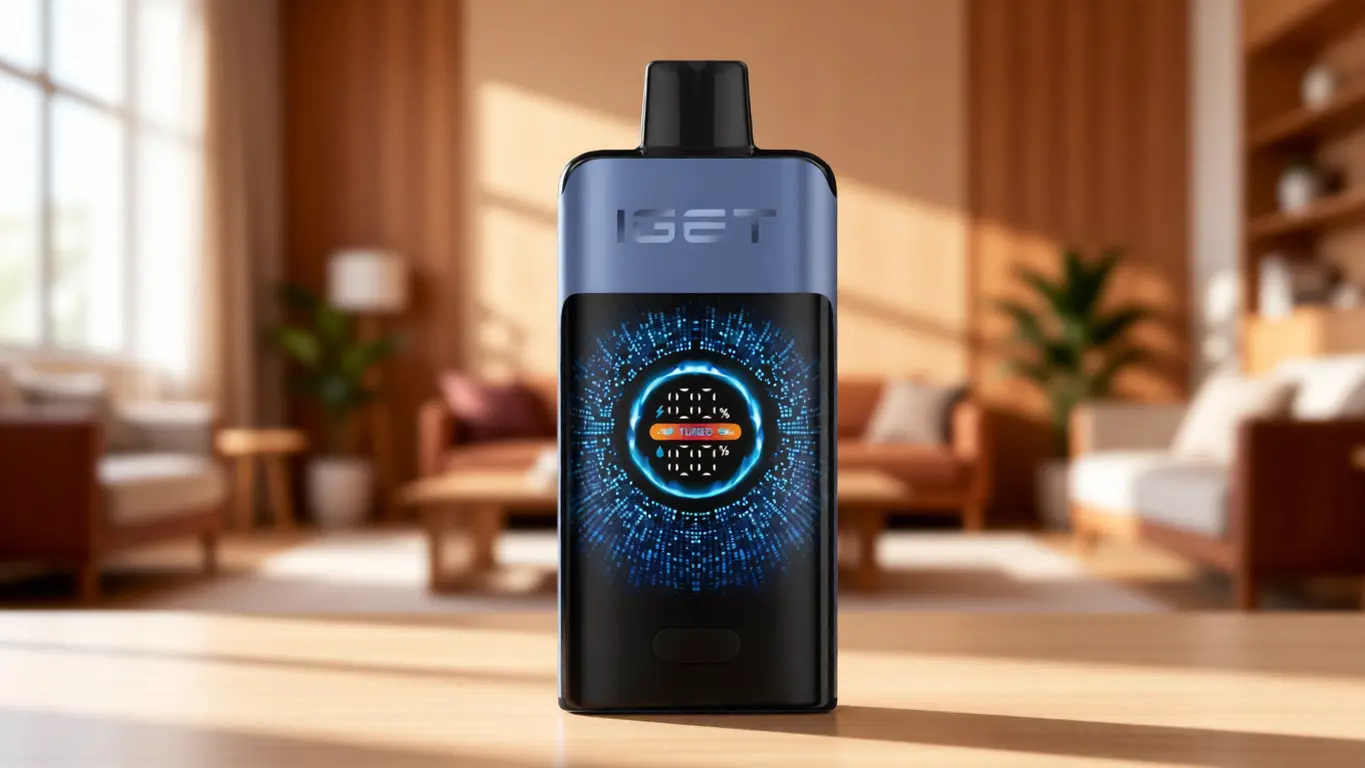
Clear status indicators are not a cosmetic feature. They are a direct defence against this compensation loop. ALIBARBAR devices incorporate intuitive LED feedback that communicates the remaining power at a glance, so the user can distinguish between a low battery and a low dose. That small transparency removes a significant source of unintended stimulant intake.
Physical Design and Usage Patterns
A device that disappears into a palm is easy to use more frequently — in a meeting, while driving, during moments of idle thought. The same ergonomic stealth that makes a device convenient can also make it frictionless to overuse. There is no engineering solution that eliminates personal discipline, but there are design choices that encourage either mindful or mechanical behaviour. A device with a reassuring weight, a mouthpiece that requires intentional engagement, and a hand‑feel that doesn’t mimic a nervous habit can subtly reduce reflexive overconsumption.
Real‑World Application: How the ALIBARBAR Range Addresses These Factors
Applying these criteria to actual products reveals why some devices are more likely to keep a user’s stimulant intake within a predictable window. The ALIBARBAR lineup — spanning the INGOT 9000, INGOT 15000, and Ice Adjust 12000 series — illustrates three engineering principles that directly affect cardiovascular risk profiles.
First, thermal stability. Every ALIBARBAR unit uses a power delivery architecture designed to hold output within a narrow band. This isn’t merely about satisfaction; it’s about repeatability. A user knows that the first activation and the thousandth will feel substantially similar, which eliminates the guesswork that drives compensatory behaviour.
Second, unambiguous status feedback. The LED system on these devices doesn’t blink vaguely. It communicates grade‑level remaining power, so the user never has to wonder whether a weak session is a low battery or a device failure. The practical effect: fewer surprise power‑offs, fewer overcompensation episodes.
Third, material durability and ergonomics. The Ingest‑grade finish and contoured mouthpiece aren’t just aesthetic choices; they change how the device is held and used over long periods. A device that feels substantial in the hand tends to be used more deliberately. It’s a small psychological shift, but across a day of repeated use, small shifts compound.
None of these features eliminate the stimulant’s inherent cardiovascular effects. They do, however, help the user maintain a consistent and intentional pattern of use — which is the most controllable variable in the entire risk equation.
A Framework for Evaluating Devices from a Health‑Conscious Perspective
If you’re concerned about blood pressure, you need more than a specification sheet. Use these four diagnostic questions to assess any device before putting it into daily rotation:
Does the device maintain consistent output from full charge to near‑depletion?
Look for evidence of regulated power delivery rather than unregulated direct‑current output. If you can detect a perceptible fade in strength as the battery drains, the device is introducing avoidable variability.
Can I immediately tell how much charge remains?
A clear, multi‑step battery indicator is non‑negotiable. If the only feedback is a light that blinks when the device is nearly dead, you are flying blind for most of its useable capacity.
Does the physical design encourage mindful handling?
Be honest about your own usage patterns. If you tend to reach for a device unconsciously, choose one that demands slightly more intentional engagement — something with a bit more weight, or a mouthpiece that doesn’t feel like an absent‑minded pacifier.
Are the product’s specifications transparent and verifiable?
Retailers that provide full, standardised specification data — as OZVAPE Shop does for every ALIBARBAR model — make it possible to compare devices objectively. Information opacity is itself a risk factor.
Common Errors in Device Selection That Increase Stimulant Exposure
Over years of observing the market, we’ve catalogued a handful of recurring mistakes that well‑intentioned users make. These errors aren’t about intelligence; they’re about the natural human tendency to rely on surface signals in a complex technical landscape.
Error 1: Focusing Only on Concentration, Ignoring Delivery Consistency
A label indicating a certain stimulant concentration means nothing if the device burns through it erratically. Two devices with identical nominal values can deliver dramatically different total loads per cycle if one has poor thermal regulation. Users who fixate on the number printed on the box while ignoring the engineering underneath are making decisions on half the data.
Error 2: Assuming Visual Similarity Equals Internal Equivalence
Many devices look nearly identical from the outside. The internal layout of the heating element, the quality of the battery cell, and the sophistication of the regulation circuit are invisible — but they control the user’s actual exposure. A device that mimics the appearance of a premium product may still use open‑loop power control that allows significant output drift.
Error 3: Undervaluing Battery Life in Risk Calculations
A device that dies quickly forces the user to carry a backup, switch mid‑day, or adjust behaviour to conserve power. Each of these adaptations introduces inconsistency into the daily routine. Higher‑capacity devices, like the ALIBARBAR INGOT 15000, reduce the number of transitions and help stabilise the day’s overall stimulant profile.
Error 4: Confusing Category Terminology with Technical Specifications
Terms like “adjustable airflow” or “high capacity” are marketing categories, not engineering specifications. An airflow adjustment that merely changes the physical draw resistance without altering the output power can create the illusion of a lower dose when, in fact, the stimulant delivery remains unchanged. Understanding the distinction between a feature and its actual physiological impact is a mark of an informed user.
Frequently Asked Questions
Q: Can the use of these devices cause sustained high blood pressure?
A: The stimulant compound commonly present can cause temporary increases in blood pressure. With frequent, long‑term exposure, some individuals may develop a pattern of elevated readings, particularly if they already have borderline hypertension or use devices that encourage high total daily intake. The evidence is not yet definitive for all populations, but the precautionary principle suggests minimising unnecessary stimulant load.
Q: How much does the device itself influence the amount of stimulant I absorb?
A: Significantly. Output consistency, power regulation, and battery behaviour all affect how much of the compound is delivered per activation and how many activations a user performs over the course of a day. A poorly regulated device can easily lead to 20–30% more total intake than a well‑engineered one used under similar conditions.
Q: Are there devices designed to deliver lower doses per use?
A: Yes. Some devices are engineered with a narrower output range and a shorter activation cycle, which can help users moderate intake. The key is to look for products with documented, consistent performance curves rather than chasing a particular “strength” label.

Q: What signs indicate I might be taking in too much stimulant from my device?
A: Palpitations, headache, dizziness, anxiety spikes, and a measured increase in blood pressure after use are all potential indicators. If these symptoms appear and are temporally linked to device use, it is wise to reassess both the device and your pattern of use.
Q: How does OZVAPE Shop help me make a safer choice?
A: OZVAPE Shop provides standardised, detailed specifications for every ALIBARBAR device it carries. This transparency allows users to compare output profiles, battery life, and physical characteristics using consistent criteria rather than marketing language. The support team can also answer technical questions about device behaviour that has health implications.
Q: Is it better to choose a device with a larger capacity from a health standpoint?
A: Not necessarily. A larger capacity device can reduce the frequency of battery‑related output drops and the need to carry backups, which helps stabilise daily patterns. However, if a high‑capacity device leads to significantly more frequent use, the net stimulant load may increase. The right choice depends on an honest assessment of your own habits.
Q: Do all devices in the ALIBARBAR range have the same stimulant concentration?
A: No. Different series are designed for different user profiles. The INGOT 9000, INGOT 15000, and Ice Adjust 12000 each have distinct output characteristics and intended usage patterns. Consulting the specification data provided by OZVAPE Shop is the best way to compare them accurately.
Q: What should I do if I experience adverse effects?
A: Discontinue use immediately and consult a healthcare professional. Bring the device’s documented specifications to the appointment if possible, as this can help the clinician understand the exposure profile.
Q: Are there any long‑term studies on these devices and blood pressure?
A: Long‑term epidemiological studies are still limited. Most current data comes from short‑term physiological studies and large‑scale surveys that rely on self‑reported use. The absence of definitive long‑term evidence should not be interpreted as evidence of safety; it is simply a reflection of how recently these particular device architectures became widespread.
Conclusion
The question “Can it cause high blood pressure?” doesn’t have a clean yes‑or‑no answer, and that’s exactly the point. The stimulant compound certainly can, but whether it does for a given individual depends heavily on how much they are absorbing, how often, and with what predictability. Those factors are not abstract — they are engineered into the device. A user who chooses a device with stable output, transparent status indicators, and a design that aligns with deliberate rather than reflexive use will, all else being equal, face a lower risk profile than someone using an unpredictable, poorly regulated alternative.
This is not an argument for any particular brand; it’s a recognition that architecture matters. Platforms like OZVAPE Shop exist to make those architectural details visible, so that decisions can be made with eyes open. The right device is the one that fits your actual routine, supports intentional use, and gives you the information you need — not the one with the loudest claims.