
VAPE FAQs
Can People Smell Vape On You?
May
It starts with a quiet worry: you’re standing in a crowd, sitting in a meeting, or walking through a shared hallway, and you wonder whether the device you used minutes ago has left a trail only others can sense. The question “Can people smell vape on you?” isn’t really about curiosity — it’s about discretion, social comfort, and the gap between what a device produces and what the people around you actually perceive.
This article breaks down that gap. It examines the physical properties of aerosol, the engineering inside a device that shapes its scent footprint, and the practical steps you can take to stay in control of your presence. Along the way, references to specific device designs will surface where they help explain a principle, but the focus stays on equipping you to evaluate any piece of hardware through the lens of olfactory detectability. If you explore curated platforms like OZVAPE Shop, the ability to compare specifications side by side becomes a real advantage — but first, understanding what those specifications mean is essential.
Understanding What Matters: Core Engineering and Design Factors
Odour doesn’t happen by accident. It results from a chain of decisions baked into a device’s architecture. Four engineering layers shape how much scent travels from your device to another person’s nose, and each addresses a different user frustration.
Internal Architecture and Vapour Consistency
Heating elements are not created equal. A well‑designed atomiser operates within a calibrated temperature window that vapourises e‑liquid evenly, producing a light, consistent aerosol. When the architecture is cheap or the power delivery overshoots, compounds in the liquid break down partially — this is what creates the acrid, burnt note that lingers far longer than intended.
From a user’s standpoint, the frustration is not knowing when the device will tip from clean output into dry‑hit territory. That unpredictable shift can suddenly amplify your scent profile in public. What to look for: devices that use mesh‑style heating surfaces and maintain a steady resistance curve tend to avoid localised hot spots, meaning fewer partial‑combustion by‑products. In practice, that translates to an aroma that dissipates rather than attaching itself to fabric.
Power Management and Output Stability
The way a device manages its power source determines how reliably it stays inside its optimal thermal range. A battery that delivers sagging voltage near the end of its charge cycle often pushes the processor to compensate, sometimes driving the coil slightly hotter than intended. That brief temperature spike can produce a much heavier aerosol with a stronger scent signature.
Status transparency matters here. If a device gives you no clear warning that power is dropping, you learn to rely on a backup simply because you can’t predict when the output character will change. Devices with real‑time battery indication and regulated output chipsets keep the aerosol profile predictable from first draw to last, which helps you manage your environment more deliberately.
Physical Design and Airflow Dynamics
Smell travels on the vapour plume, and the plume’s behaviour is shaped by mouthpiece geometry and airflow path. A narrow, restrictive draw typically produces a denser, more concentrated aerosol. Wider, more turbulent airflow mixes vapour with ambient air early, reducing droplet size and making the cloud less visible — and often less pungent.
Beyond the plume itself, the materials of the device body can play a quiet role. Some finishes trap residue, developing a faint stale odour after weeks in a warm pocket. Hard‑coated surfaces and smooth, non‑porous exteriors tend to stay neutral longer, avoiding that subtle scent that can betray the presence of a device even when it isn’t in use.
Modularity and Lifecycle Freshness
A sealed, disposable unit builds up residue inside its internal chamber with every session. That residue, once heated again and again, can introduce a background note that wasn’t there on day one. Users often notice an old device smells different — and more noticeable — than a fresh one.
Replaceable‑component architectures, whether pods or coil heads, allow you to reset the internal environment regularly. The vapour stream stays cleaner, and the device itself never has time to develop that oxidized, stale character. For someone whose priority is remaining undetected, the difference between a month‑old sealed unit and a freshly‑serviced modular system is immediately apparent.
Applying These Criteria to Real‑World Options
Different users need different levels of discretion. For some, like those in shared workspaces or long‑distance transit, the benchmark is near‑invisibility: minimal cloud, rapid dissipation, no residual note. For others, the goal is simply to avoid that one burnt hit that announces itself to the entire room.
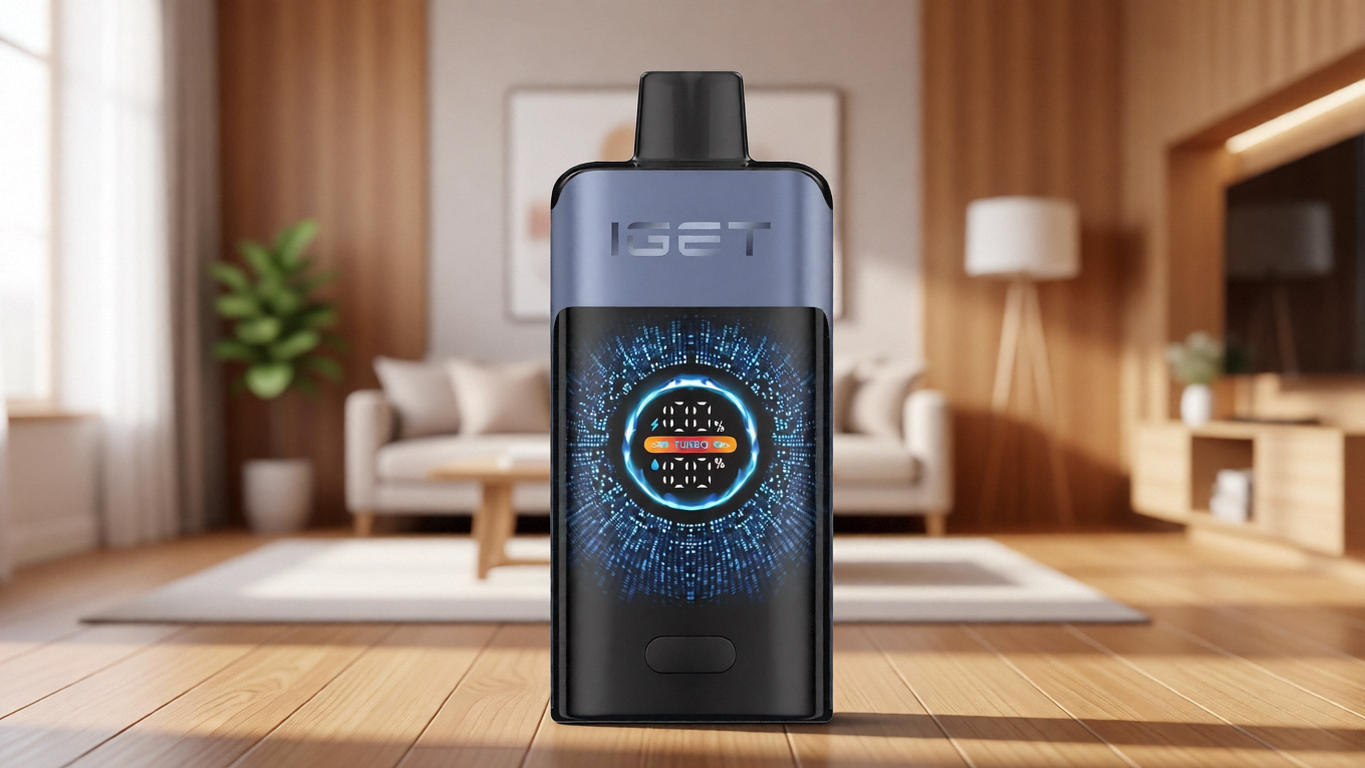
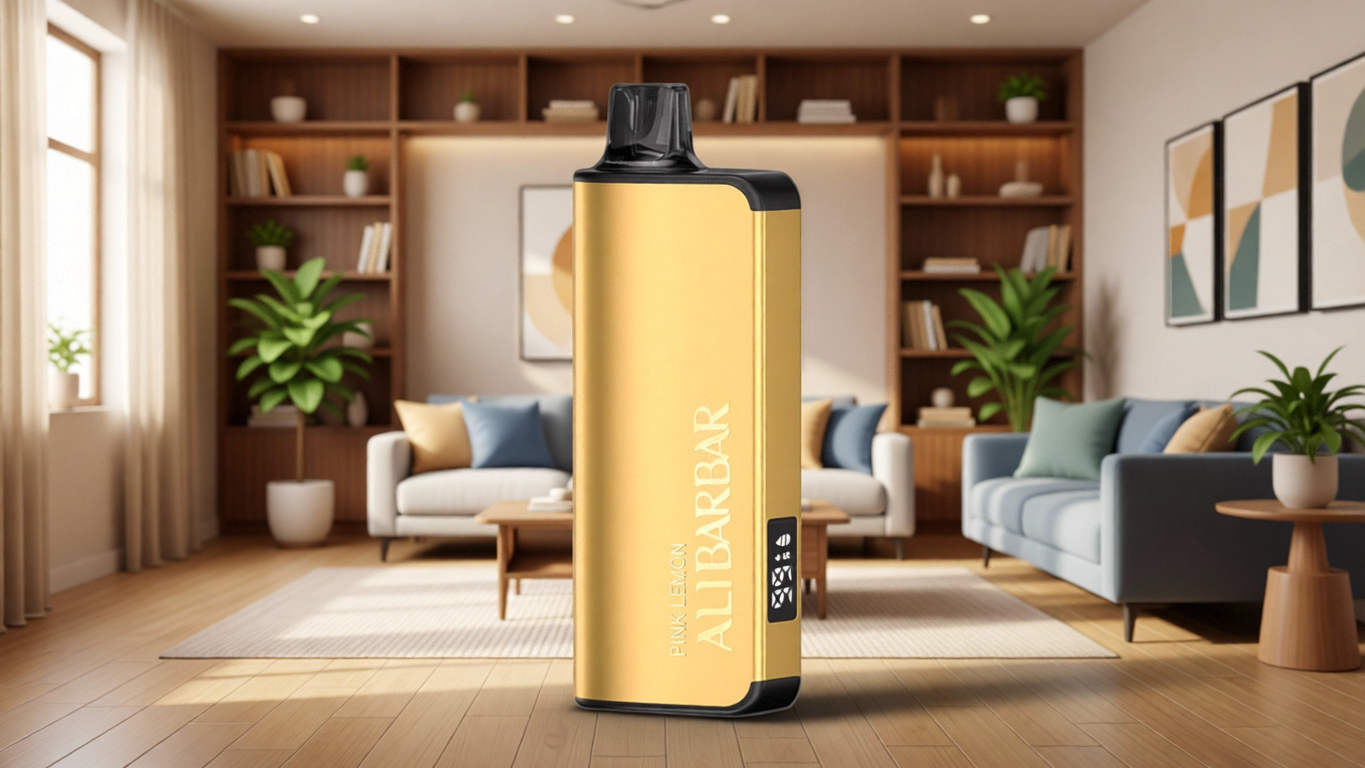
A device family that demonstrates many of the above engineering principles is the ALIBARBAR range. For example, the INGOT series’ integrated power regulation maintains a stable output curve, which drastically reduces the chance of a temperature spike creating a scent you didn’t intend. Meanwhile, units like the Ice Adjust 12000 give the user direct control over airflow, so you can thin the aerosol when you’re indoors and tighten it when you’re outside. These are not magic solutions — no device eliminates odour — but they show how deliberate design can shrink the environmental footprint.
Other common architectures tell the same story from a different angle. A high‑power sub‑ohm tank, popular for cloud production, naturally generates a much larger aerosol volume and correspondingly stronger aroma. That isn’t a failure; it’s a design choice that trades discretion for density. The key is to recognise which design aligns with your daily context and to opt for the one that gives you control over the variables that matter.
A Practical Framework for Evaluation
If you want to assess a device’s scent footprint before you carry it into a sensitive environment, you can apply a simple diagnostic sequence.
Ask about the heating element. Is it mesh or standard wire? Does the manufacturer publish a temperature control range? Devices that run consistently below 230°C tend to produce gentler aerosol.
Inspect the vapour output pattern. Watch a video of the device in use or test it yourself: is the plume dense and slow to dissolve, or does it break up quickly? The latter is usually less lingering.
Check for dry‑hit complaints. Browse user forums or reviews for phrases like “burnt after a few days.” A device prone to dry hits will periodically produce a smell that is far more noticeable than its normal operating state.
Evaluate airflow adjustability. Can you restrict or open the draw? Even a small adjustment can change how far the vapour carries.
Look at lifecycle provisions. Does the device have a replaceable pod or coil? The ability to refresh the atomising chamber is one of the strongest defences against accumulated, stale odour.
If you are comparing options through a standardised catalog — something as straightforward as the specification pages available on OZVAPE Shop — you can run through this checklist quickly, because the architecture details are laid out in a consistent format. That turns what could be guesswork into a repeatable evaluation.
Common Selection Errors and Industry Observations
Users often undermine their own satisfaction by overlooking the relationship between engineering and odour. Four specific errors appear repeatedly.
Overweighting battery life while ignoring output consistency. A device that promises 3,000 draws but delivers unpredictable heating profiles will catch you off guard at the worst moments. A shorter‑lived but precisely regulated unit often proves easier to trust in quiet environments.
Assuming visual similarity means identical internals. Two pens that look the same can have entirely different heating chipsets, wicking materials, and airflow paths. One may operate cleanly throughout its life; the other may produce a sharp, metallic note within a week. The exterior tells you nothing about what happens at the microscopic level.
Undervaluing modularity in cost‑per‑use and scent control. Users often focus on the upfront price of a sealed device versus a pod system, without factoring in that a pod system lets you replace the one component that most influences aroma freshness. Over the course of a month, the sealed unit may start broadcasting subtly, while the modular one remains neutral.
Confusing “discreet” with “odourless.” Marketing language can blur the distinction. A device marketed as discreet may simply be small; it hasn’t necessarily been engineered to limit aerosol output. Reading the actual power specification and coil resistance is more revealing than reading the product name.
From an industry standpoint, the last two years have seen a quiet but significant shift toward “stealth vapour” profiles. Manufacturers are designing for smaller particle size and faster dissipation, recognising that many users value social transparency as much as performance. This isn’t a headline feature — it rarely appears in product names — but it appears in the data sheets of temperature‑controlled and mesh‑coil devices.
Frequently Asked Questions
Q: Does vaping leave a smell on clothes?
A: It can, but to a much lesser extent than tobacco smoke. Aerosol droplets are larger and heavier than smoke particles, so they tend to settle and evaporate more quickly rather than embedding themselves into fibres. However, dense, flavour‑heavy vapour in an enclosed space can leave a faint residue that becomes noticeable over time.
Q: How long does the odour typically last in a room?
A: In a ventilated area, the aroma usually dissipates within a few minutes. High‑PG liquids produce a thinner vapour that vanishes faster, while high‑VG liquids create denser clouds that may hang for ten to fifteen minutes in still air.
Q: Can someone smell it on my breath after I use a device?
A: The primary source of breath aroma is not the aerosol itself but any liquid residue on the tongue and oral surfaces. Staying hydrated and rinsing your mouth reduces it. Devices that generate a clean, dry vapour leave less aftertaste than those that spit or flood slightly.
Q: Does the flavour I choose make a difference to how noticeable the smell is?
A: Absolutely. Fruit and candy profiles often produce a sweet, recognisable scent that people associate with vaping. Tobacco‑blend and unflavoured liquids tend to register less distinctly, and some menthol options carry a clean, fleeting note that is rarely identified as a device.
Q: Can devices be designed to minimise odour?
A: Yes. Lower‑temperature operation, efficient wicking, and precise airflow management all contribute to a leaner aerosol. Mesh coil architectures and adjustable airflow systems are engineering markers that often correspond to a lighter scent footprint.
Q: Will a dead device still emit any smell?
A: A completely discharged device that hasn’t been used recently may still retain a faint odour inside the mouthpiece if residual e‑liquid has been sitting. Keeping the device capped and cleaning the contacts periodically prevents that stale note from developing.
Q: Is it possible to vape indoors without anyone noticing?
A: It depends on the combination of device output, liquid composition, room airflow, and proximity of other people. A low‑power, high‑PG device used near an open window or air purifier can be virtually undetectable. A high‑power, high‑VG device in a sealed room is much harder to hide.
Q: Do certain device materials retain odour more than others?
A: Porous plastics and soft‑touch coatings can absorb aroma over time. Hard anodised metals and smooth, non‑porous surfaces resist this absorption and are easier to wipe clean.
Q: How can I tell if my device is producing a burnt smell before it becomes obvious?
A: The most reliable flag is a change in the throat feel or a subtle shift in flavour from clean to slightly bitter. This is where a device with good power stability gives you notice — the change is gradual rather than abrupt, so you can stop before the burnt compounds fill the air.
Q: If I buy from an authorised source, does that affect odour performance?
A: Not directly, but it ensures the device you receive matches the documented engineering specifications. Counterfeit or mishandled units may have degraded heating elements that run hotter than designed, producing a sharper, more noticeable scent.
Conclusion
The question “Can people smell vape on you?” doesn’t have a binary answer. It resolves into a series of smaller, more useful questions about the device you hold, the liquid inside it, and the environment you inhabit. When you understand how each of those variables operates, you stop hoping for invisibility and start engineering it.
No amount of marketing can override the physics of aerosol production. What you can do is choose tools that give you control — tools where the heating element stays inside its window, where the airflow is adjustable, and where stale residue doesn’t accumulate unchecked. If you approach the decision with this framework, you’re no longer choosing a device based on looks or claims; you’re choosing it based on its likely behaviour in the spaces where you actually spend your time.
For adult users who want to apply that framework methodically, having access to a consistent, well‑documented catalogue removes friction from the comparison process. Platforms such as OZVAPE Shop structure product information around the specifications that matter most, making it easier to match a device to your real‑world threshold for discretion. The right choice isn’t the most powerful or the most talked‑about — it’s the one that fits into your daily routine without announcing itself.