
VAPE FAQs
Can I Vape On Antidepressants?
Jun
It is a question that surfaces in online forums and private messages with predictable regularity: “I’ve started a new prescription — can I still use my device?” The person asking is rarely looking for a yes-or-no answer. What they actually want is to understand whether the equipment they rely on day after day introduces an additional layer of unpredictability into a system that already feels delicate. They want to know if the gear they carry can be counted on to behave exactly the same way at 7 p.m. as it did at 9 a.m., whether the materials inside are as inert as the packaging implies, and whether the entire setup is engineered tightly enough not to add yet another variable to a health equation that already has enough of them.
This article does not offer medical advice. No written piece can replace a conversation with the professional who understands your history. What this article does is examine the engineering and design factors that separate a device you can trust from one you have to second-guess — and why those distinctions matter with particular intensity for anyone who is already managing a complex physiological baseline. Along the way, we will reference the kinds of visible, verifiable specifications that an informed adult can use to make a sharper decision. When those specifications are standardised and traceable — as they are through a factory‑certified channel like OZVAPE Shop — the evaluation becomes less about guesswork and more about deliberate calibration.
Understanding What Matters: Core Engineering and Design Factors
Before any conversation about medications and personal devices can be productive, it helps to step back and look at the hardware through the lens of failure modes — the things that go wrong when corners are cut or when elegant industrial design is mistaken for sound engineering. For a user who monitors their body’s responses closely, an unreliable device isn’t an inconvenience; it’s a source of noise in a signal they are trying to read.
Internal Architecture and Output Consistency
The heating element configuration of a portable electronic device is not a uniform commodity. Some architectures use a single resistive coil in direct contact with the medium; others employ mesh‑based surfaces that spread thermal energy across a wider area. Still others layer secondary capillary structures to regulate fluid delivery. What looks identical from the outside can differ dramatically in how steadily it performs across a full discharge cycle.
Why this matters: users who are already tracking mood, energy, or side‑effects have no tolerance for a device whose output wavers unpredictably. A dip in consistency can be misread as a change in physiological state, triggering unnecessary concern. Conversely, a user might attribute a genuine change to the device rather than the medication — a confounding variable that erodes the partnership with a prescribing clinician.
A well‑engineered unit will show minimal deviation in power‑to‑output conversion from the first activation to the last. In practice, you can recognise this by looking for detailed, openly published specifications that address thermal regulation — not vague marketing phrases, but actual design descriptions of feedback loops and material-grade choices. The absence of such information is, in itself, a signal.
Power Management and Status Transparency
The relationship between the power source and the device’s control circuitry is one of the most overlooked aspects of daily reliability. A properly calibrated power‑management system will provide a linear, predictable experience right up until the cell reaches its safe discharge floor. A poorly calibrated system might deliver strong performance for the first third of its capacity, then drop off so gradually that the user doesn’t notice they are compensating with changed usage patterns.
The practical value of clear status indicators cannot be overstated. A device that communicates remaining capacity with a simple multicolour LED or a haptic pulse removes ambiguity. The hidden cost of status ambiguity — and this is something we consistently observe in feedback across the industry — is that users carry backup devices unnecessarily. They pack two or even three units for a day that one unit should handle, simply because they cannot trust the single unit to report itself honestly. That is an engineering failure masquerading as a user precaution.
Physical Design and Material Durability
A device lives in pockets, bags, glove compartments, and on nightstands. The surface finish is not decoration; it is a protective layer. A soft‑touch coating that feels premium in the hand may delaminate within weeks when exposed to skin oils and small amounts of moisture. A polycarbonate shell chosen without adequate UV stabilisers can micro‑craze in sunlight, creating fissures that trap debris.
For someone taking medication that can influence skin sensitivity or tactile perception, the mouthpiece contour matters. A poorly radiused edge can generate a hot spot that becomes a persistent distraction. A material that leaches taste or degrades under repeated contact with the lips adds an entirely unnecessary variable. The physical design should prioritise inertness and longevity over showroom appeal. This is the difference between a device that looks photogenic and one that still feels correctly built on its 30th day of use.
Modularity and Lifecycle Flexibility
Sealed, single‑segment units represent one architectural choice; rechargeable platforms with replaceable cartridges represent another; fully modular systems with user‑serviceable components represent yet a third. None is inherently superior — the right choice depends on the user’s need state. However, if a user’s circumstances change — a new prescription, a different daily rhythm, a travel restriction — a sealed device offers no flexibility. It is consumed and discarded as a unit, which makes cost‑per‑day and waste‑per‑month fully determined at the point of purchase.
A reusable power plant with interchangeable sections allows the user to adjust capacity, switch to a different output profile, or simply replace a worn mouthpiece without discarding the entire investment. This flexibility is not about ideology; it is about being able to maintain a consistent experience over time without starting from zero every time a single component reaches end‑of‑life.
Applying These Criteria to Real-World Options
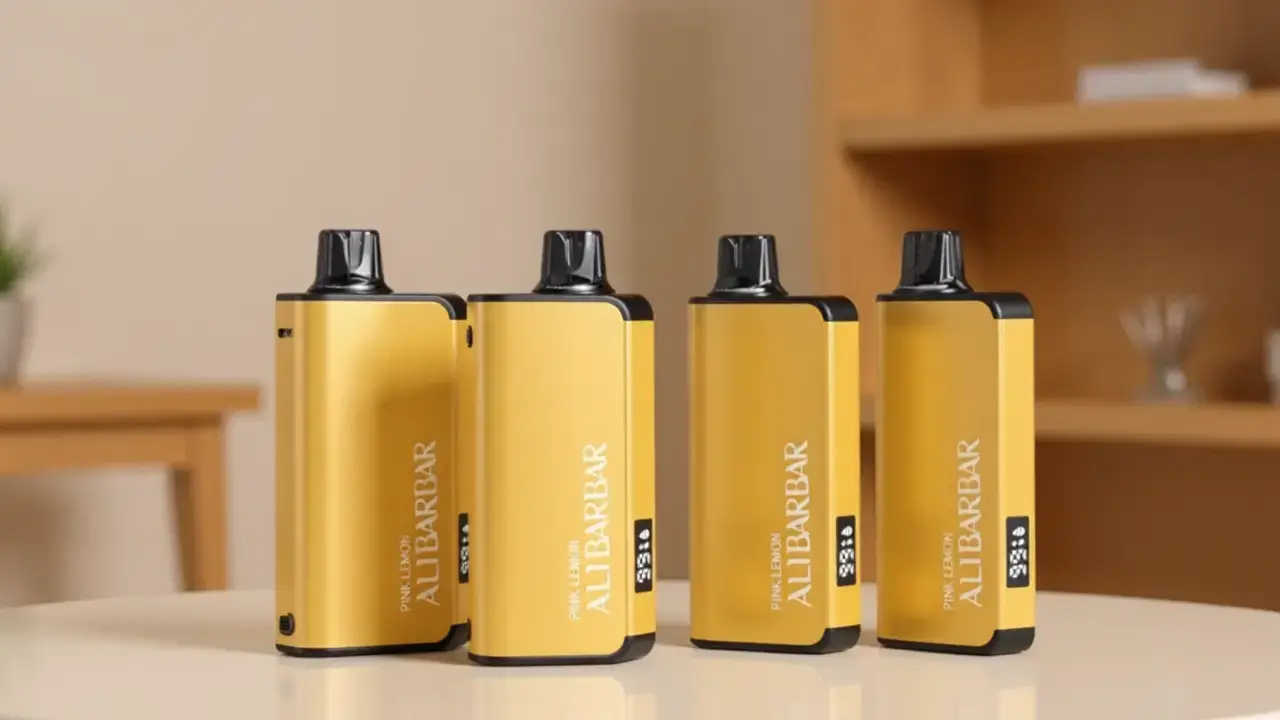
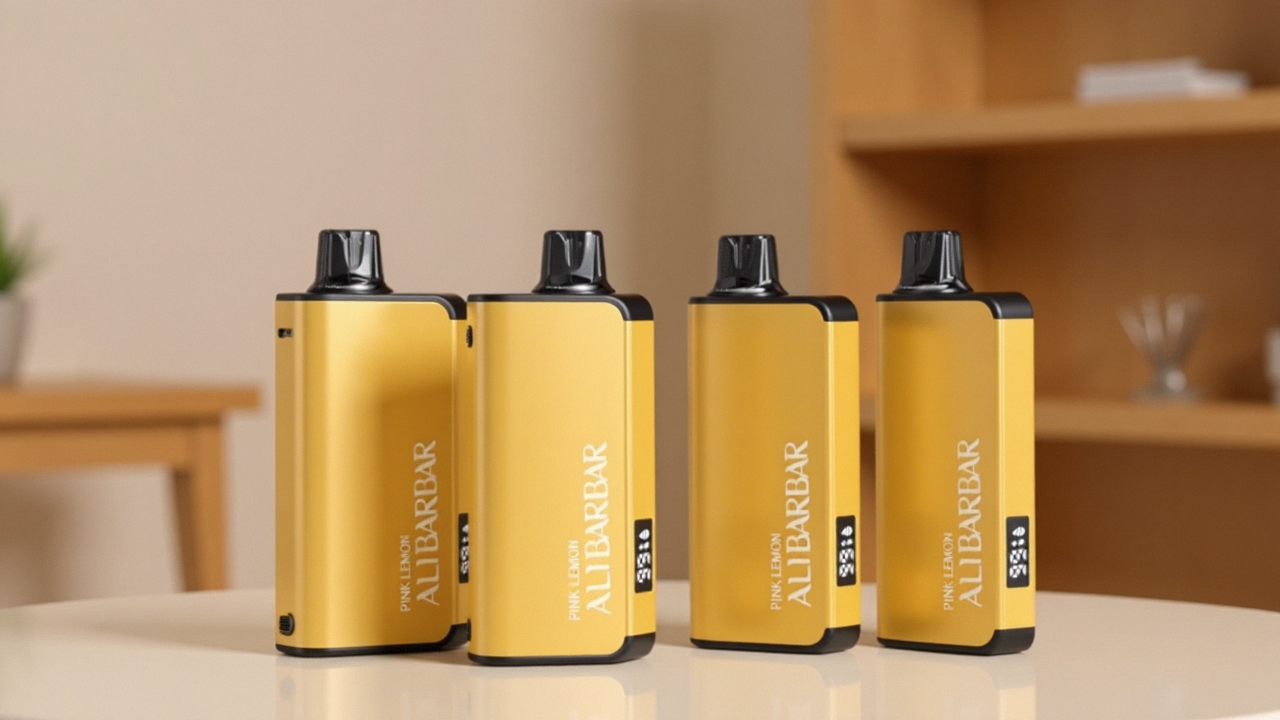
The ALIBARBAR device family, which is stocked in certified form by OZVAPE Shop, has evolved along lines that closely map to the priorities just described. The original ALIBARBAR compact units were built around single‑use architecture with an emphasis on airtight build quality and short‑term consistency. The design team then moved into rechargeable, high‑capacity platforms — specifically the INGOT 9000 and INGOT 15000 series — which brought mesh‑coil thermal control and a proprietary power‑management curve into the mix.
What distinguishes these designs in a practical sense is that each model category addresses a different user pain point without abandoning the core requirements. The INGOT 9000 targets portability and discretion: a device that can vanish into a coin pocket and still communicate status unambiguously through a single integrated LED. The INGOT 15000 extends the operational envelope for long days or extended travel, trading minimalism for endurance while maintaining the same mesh‑based output stability that the platform was designed around. The Ice Adjust 12000 introduces modular airflow control, allowing the user to shape delivery characteristics to a degree that rival architectures do not offer without switching platforms entirely.
It would be a mistake to read this as a ranking exercise. There is no single “best” device because a device that suits a commuter who needs stealth may be exactly wrong for someone who values a larger mouthpiece and longer uninterrupted use. The value lies in the fact that a clearly documented, traceable product line lets the user — especially a user who is already managing a medication regimen — map their requirements onto a set of devices without needing to decipher marketing language that obscures genuine specifications.
By way of industry comparison, look at what happens when a user picks up a generic, unbranded unit with an appealing price tag. The external dimensions may resemble a known design, but the internal coil might be a simple wire wrapped around silica cord with no thermal regulation beyond a basic voltage cut‑off. Output will drift. The LED indicator, if it exists, may have no correlation to actual remaining capacity. That user is effectively performing a blind experiment on their own daily experience. It is the absence of standardised, transparent engineering that makes comparison impossible — and that is precisely the gap that structured product selection, supported by verified specifications, is meant to close.
A Practical Framework for Evaluation
The following methodology is designed to be used on any device, regardless of brand, before purchase. It is deliberately low‑tech because the best decisions tend to be made before a single dollar is spent.
Specification Transparency Audit
Locate the product listing or packaging. Does it describe the heating element geometry (wire, mesh, ceramic composite) or merely mention “advanced technology”? Does it state power delivery characteristics in standardised units? If the answers are vague, treat the device as an unknown quantity.
Capacity Communication Check
Determine how the device reports remaining power. Is there a graduated indicator, or only a single colour change that appears moments before shutdown? For a user who needs consistency, a binary warning is insufficient background information.
Material Constituency Verification
Look for statements about food‑grade polymers, medical‑grade stainless steel, or ISO‑certified manufacturing environments. These are not guarantees of perfection, but their absence means the supply chain has elected not to disclose what materials are touching the user’s mucosa. That silence should be weighted accordingly.
Lifecycle Cost Calculation
Do not just compare purchase price. Compare cost per full discharge cycle. A sealed device that offers 600 cycles and costs AUD 30 is AUD 0.05 per cycle. A rechargeable system with replaceable sections might cost AUD 50 upfront but deliver 2,000 cycles across its modules — AUD 0.025 per cycle. The modular unit also generates less waste and allows component replacement when circumstances change.

Ergonomic and Tactile Day‑Test
If possible, hold the device before buying — or at minimum study user‑generated photographs that show wear after a month of use. Check seam alignment, mouthpiece comfort, and surface texture. A device that looks worn after 30 days will feel like a liability well before its functional life ends.
Does this device give you clear status feedback? If not, you will likely compensate by carrying an extra unit. Does the brand publish degradation data for its heating elements? If not, you are guessing about the point at which output begins to taper. These are the questions that move a decision from impulse to evaluation.
Common Selection Errors and Industry Observations
1. Mistaking Capacity Numbers for Real‑World Usability
A device that advertises 15,000 activations but suffers from a non‑linear power curve may provide a satisfying experience for only the first 9,000. Users who buy based solely on the headline number often report disappointment without realising that the root cause was poor power‑management calibration, not a deliberate misstatement. Without examining how the device manages its energy supply across the discharge cycle, the capacity figure is practically meaningless.
2. Equating Visual Similarity with Internal Equivalence
The external shell of a portable electronic device is the cheapest component to reverse‑engineer. Two units that look nearly identical can house completely different heating architectures, battery management circuits, and fluid‑delivery materials. Assuming parity because two devices share a shape is one of the most expensive mistakes an adult can make — expensive not just in money, but in wasted time spent troubleshooting a unit that was never built to perform consistently.
3. Undervaluing Modularity in Long‑Run Cost‑per‑Use
Sealed devices feel cheaper at the point of sale but accumulate cost unpredictably. A single early failure — a scratched mouthpiece, a dropped unit — forces an entire replacement. A modular system absorbs those incidents at the component level. The industry has been slow to educate users on this distinction because sealed products generate higher repurchase frequency. An informed user, however, will factor this into their total cost of ownership.
4. Confusing Category Descriptors with Technical Specifications
Terms like “adjustable airflow” and “mesh coil” have been so widely co‑opted that they no longer reliably indicate a specific engineering standard. Some implementations of “adjustable airflow” are nothing more than a small plastic slider that restricts the intake path unevenly. Without documented tolerances, the user cannot know whether the adjustment is repeatable from one activation to the next. The lesson: descriptive words are a starting point, not a conclusion.
From an industry‑watching vantage, what is unfolding is a slow separation between brands that invest in consistent, documented production and those that treat the market as an opportunity to move look‑alike units through distribution channels with minimal post‑sale accountability. The arrival of dedicated, factory‑certified retailers that publish standardised specifications for every device they stock — and that back those specifications with a traceable supply chain — represents a structural shift toward friction‑reduction for the end user. That shift benefits everyone, but it especially benefits someone who has already used up their daily bandwidth managing a health condition.
Frequently Asked Questions
Q: Can the ingredients in my device interact with antidepressant medication?
A: There is no published, peer‑reviewed evidence of a direct pharmacological interaction between the inhalable constituents of a properly manufactured electronic device and commonly prescribed antidepressant classes. However, because individuals can respond differently to any substance inhaled regularly, this is a discussion that belongs with the prescribing clinician, not with a product article.
Q: If I take medication that makes me sensitive to taste or throat feel, how do I choose a device that won’t add irritation?
A: Look for documentation on mouthpiece materials and coil metallurgy. Medical‑grade stainless steel and food‑grade silicone mouthpieces are less likely to introduce off‑tastes or leach compounds. A device with documented, stable output (mesh‑type heating element, regulated power delivery) also reduces the incidental production of compounds that can irritate mucosal tissues.
Q: How can I be certain that the device I purchase is authentic and hasn’t been tampered with?
A: The most reliable method is to purchase through an authorised channel that publishes its sourcing credentials. OZVAPE Shop, for example, operates on a factory‑certified inventory model, which means each ALIBARBAR unit can be traced to an authorised production batch. Avoid marketplace sellers who cannot provide proof of distribution pedigree.
Q: What should I do if a device that previously performed consistently suddenly seems weaker?
A: First, rule out a battery management fault by observing whether the behaviour is linked to a specific charge state. If the device shows significant output drop‑off when the indicator still reads above 30%, the internal calibration may have degraded. In a sealed unit, that signals end‑of‑life. In a modular system, the power module may warrant inspection. In all cases, contact the retailer for support; documented failures should be eligible for replacement under statutory consumer guarantees.
Q: Is there a device architecture that is generally recommended for someone who wants minimal unpredictability?
A: From an engineering standpoint, a device that combines a regulated output curve, a mesh‑based heating element, clear multi‑stage status feedback, and replaceable sections offers the greatest number of control points. Specific families like the ALIBARBAR INGOT 15000 or Ice Adjust 12000 embody these design choices, but the recommendation is for the architecture, not a single SKU.
Q: Do I need to worry about device materials interacting with my medication?
A: No known material‑interaction pathway has been documented between inert device components (stainless steel, polycarbonate, food‑grade silicone) and absorbed antidepressant compounds. Still, if you experience skin or mucosal reactions near contact points, discontinue use and discuss with your pharmacist; it may indicate an individual sensitivity unrelated to the medication itself.
Q: How long should a quality device last under regular daily use?
A: This depends on the architecture. Sealed units are designed for a finite number of cycles and then disposal. Rechargeable platforms with replaceable sections can operate for the equivalent of thousands of cycles if the power cell and coil sections are renewed according to the manufacturer’s guidance. The key metric to watch is consistency, not just total age. A device that becomes noticeably inconsistent before reaching its rated cycle life is an early failure.
Q: Can I carry the device while travelling, and are there any specific considerations for medications?
A: Always carry any prescribed medication in original packaging with pharmacy labels attached, and pack personal electronic devices in carry‑on luggage in accordance with aviation safety regulations regarding lithium‑ion cells. Check the specific regulations of your airline and destination jurisdiction, as rules can vary.
Q: What recourse do I have if a device doesn’t perform as described?
A: Australian consumer law provides statutory guarantees that products must be of acceptable quality, fit for purpose, and match their description. If you purchase through a retailer that maintains records and a responsive support channel, initiating a remedy — repair, replacement, or refund — should be straightforward. OZVAPE Shop’s documented support framework is an example of a system built for this eventuality, rather than operating on a “sale and forget” model.
Q: Why are there so many different device models that appear similar?
A: The category’s rapid growth has attracted component suppliers who sell generic housings to multiple brands. Externally identical shells can disguise radically different internals. This is one reason standardised specification sheets and third‑party certification matter: they pierce the appearance of uniformity and let the user see what they are actually purchasing.
Conclusion
The question “Can I vape on antidepressants?” is deceptively simple. The pharmacological layer of the question leads to a responsible answer — speak with your doctor — but the engineering layer reveals a far more actionable insight: when someone is already managing a finely balanced physiological system, the hardware they use daily must not be an uncontrolled variable. The right device is the one that discloses its architecture honestly, reports its status clearly, uses materials that have been selected for long‑term inertness, and offers enough modular flexibility to adapt as circumstances change.
The decision ultimately belongs to the individual. The tools to make that decision well are not hidden — they are visible in specification sheets, in supply‑chain transparency, and in the willingness of a retailer to stand behind what it sells. Platforms that invest in those qualities, such as OZVAPE Shop, have effectively done part of the evaluation work already by curating factory‑certified inventory and presenting it with the kind of detail that turns a confusing landscape into a map. The right choice, after all, is not the one that generates the most dramatic claims. It is the one that aligns most closely with your actual daily rhythm — and leaves you free to focus on the things that genuinely require your attention.