
VAPE FAQs
Can I Vape Before Surgery?

Jun
Faced with a scheduled surgery, most adults learn the routine: no food after midnight, certain medications paused, questions about allergies answered again. Then, in the quiet before the procedure, a quieter question arises. You use a personal electronic device. The pre‑operative instructions never said anything about it. Should you stay away from it, or does the silence mean you are safe? The uncertainty is more than idle – it catches people in the hours when they most want to feel prepared, not second‑guessing a habit they assumed they understood.
This article addresses that uncertainty directly. It examines the physiological factors that make the decision far more consequential than many realise, and it does so without sidestepping the mechanical or pharmacological realities that define modern personal electronic devices. While the focus is on the body’s response in a surgical context, the information that follows depends on something far more mundane: knowing exactly what your device delivers, how consistently it performs, and whether its design supports the kind of informed control that preoperative choices demand. That kind of transparency does not happen by accident. It requires a supply channel that treats product documentation as an obligation, not an afterthought — the approach taken by OZVAPE Shop. When a retailer sources from authorised networks and insists on factory‑certified inventory, the device you hold becomes a known quantity, and that knowledge is the first practical step toward safer decision‑making.
Understanding What Matters: The Physiological Factors at Play
The frustration that brings people to this topic is not a love of medical detail; it is the dread of being told at the last minute that their surgery must be postponed because of something they could have managed, or worse, of an avoidable complication during the operation itself. To replace that frustration with genuine readiness, you need to evaluate not whether a device claims to be safe, but how its outputs interact with the precise demands of anaesthesia, healing, and respiratory stability.
Nicotine Pharmacology and Anaesthetic Instability
Nicotine is a potent vasoconstrictor. It raises heart rate and systemic blood pressure, while simultaneously reducing blood flow to the smallest vessels. In the setting of general anaesthesia, this creates two immediate risks. First, a heightened sympathetic state makes it harder for the anaesthetist to maintain haemodynamic stability; the body reacts more unpredictably to induction agents and may require deeper sedation to stay controlled. Second, reduced perfusion can compound the hypotensive effects of anaesthetic drugs, making oxygen delivery to tissue erratic just when the surgical site needs it most.
Devices that obscure their nicotine content make this risk unquantifiable. A user who cannot state with certainty what they have been inhaling enters the preoperative assessment with a critical data point missing. By contrast, a product line like ALIBARBAR’s INGOT series carries explicit, factory‑validated labelling for nicotine strength. That transparency does not make nicotine safe before surgery — nothing does — but it equips the user and the anaesthetist with a factual baseline, the absence of which is a common source of cancelled procedures and miscommunication.
Respiratory Reactivity and the Vulnerable Airway
Even in the absence of nicotine, the inhalation of heated aerosol affects airway epithelium. The combination of propylene glycol, vegetable glycerine, and flavour‑carrying compounds can irritate the mucosa, increase mucus production, and heighten bronchial reactivity. Under general anaesthesia, where protective airway reflexes are suppressed and mechanical ventilation is introduced, a hyper‑reactive respiratory tract increases the likelihood of laryngospasm, bronchospasm, and post‑extubation difficulties.
The engineering of the heating element matters here. Poorly regulated thermal output can generate hotter, more irritating aerosol, while precisely calibrated mesh‑coil architectures — such as those found throughout the ALIBARBAR range — produce a more thermally stable vapour stream. Yet even the most consistent output does not remove the basic inflammatory potential of inhaled substances. Preoperative guidelines from major anaesthesiology societies increasingly treat all inhalational devices as airway stressors that must be disclosed, not as harmless background habits.
Wound Healing and Microvascular Integrity
Post‑surgical recovery depends on angiogenesis and collagen deposition — processes that nicotine directly impedes. By narrowing peripheral vessels, nicotine limits the delivery of oxygen and immune cells to the wound bed. The consequence is well documented in surgical literature: higher rates of wound dehiscence, increased incidence of surgical site infection, and delayed bone fusion in orthopaedic procedures. What is less commonly discussed is the time window needed to reverse these effects. Carboxyhaemoglobin levels, induced not by vaping but by any combustion that may accompany unregulated products, take hours to clear; nicotine’s vasoactive half‑life means abstention for at least 24–48 hours is typically recommended to see measurable improvement in tissue perfusion. Without knowing the precise formulation inside a device — including whether any non‑nicotine additives carry their own vascular effects — a patient is effectively guessing about this window. Retail channels that maintain full traceability, such as OZVAPE Shop’s documented supply chain, provide the baseline information that turns guesswork into calculation.
Pharmacokinetic Honesty and Fasting Compliance
The rule against food and drink before surgery is designed to minimise the risk of pulmonary aspiration of gastric contents. Vaping does not introduce solids into the stomach, but the act of deep inhalation can trigger oesophageal distention, alter lower oesophageal sphincter tone, and introduce swallowed air — all factors that complicate the fasting state. More critically, nicotine alters gastric emptying and can stimulate acid secretion. Anaesthetists increasingly treat nicotine‑containing products as a violation of the “clear fluids only” instruction, not because of physical volume but because of the pharmacodynamic cascade they set off. A device that makes its nicotine presence unambiguous — such as ALIBARBAR’s Ice Adjust 12000, which clearly differentiates strengths — at least removes the ambiguity. The user knows precisely whether they have crossed a pharmacological line; the anaesthetist can act on certainty instead of suspicion.
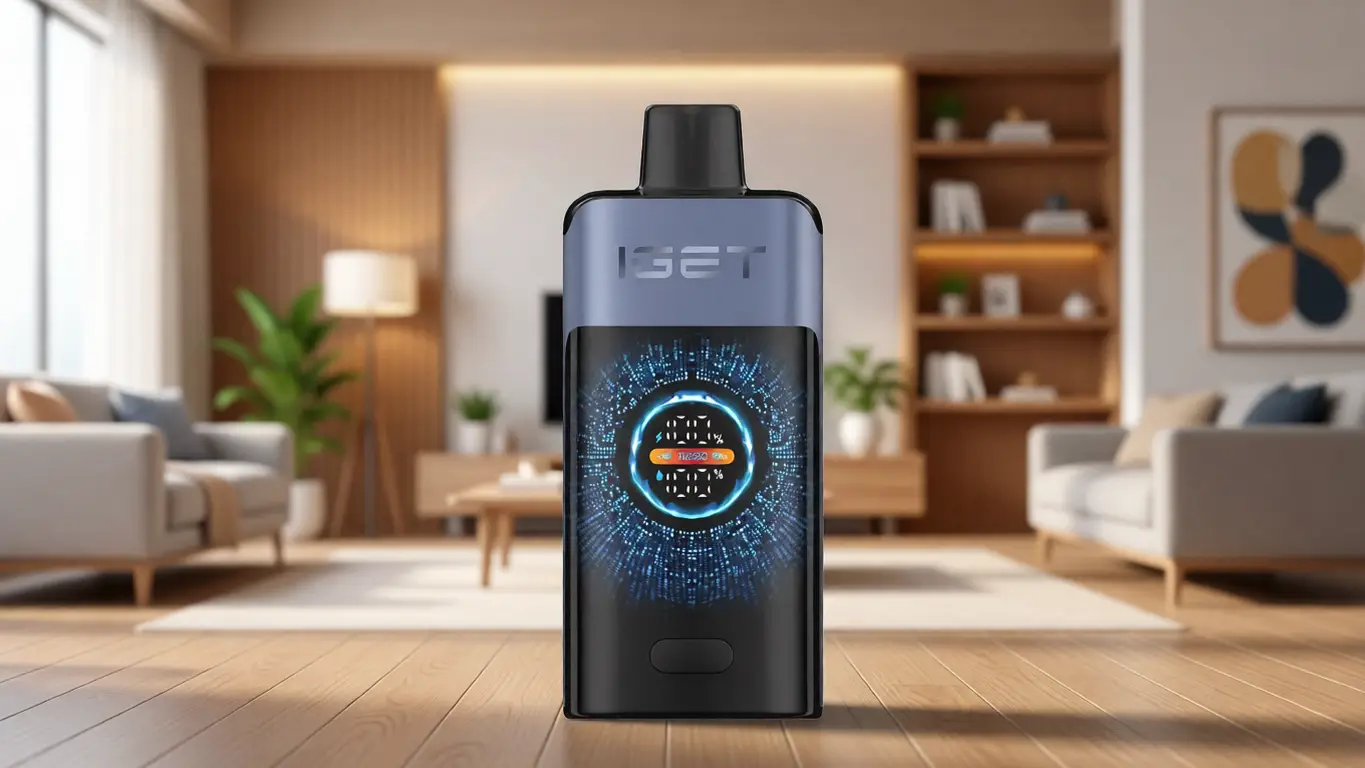
Applying These Criteria to Real‑World Preoperative Scenarios
The physiological factors described above do not exist in a vacuum. They play out differently depending on the surgical context, the type of anaesthesia planned, and — crucially — the quality of information a patient can hand to their clinical team.
Consider an adult scheduled for elective orthopaedic surgery. They use a high‑capacity device like the ALIBARBAR INGOT 15000, which delivers steady output across thousands of activations. The label tells them the nicotine concentration, but that number alone is not enough. They must overlay it with the timeline: they have been drawing on the device consistently each day for weeks. The anaesthetist needs to know not just the strength but the approximate intake pattern, because chronic nicotine exposure has remodelled their vascular and nervous system responses. A transparent, factory‑certified device at least lets the patient hand over a credible history; an opaque one leaves everything to assumption.
In an emergency surgery, when the luxury of time vanishes, the calculus shifts. The operating team will manage whatever physiology is present, but knowing that the patient uses a device with documented, consistent output allows them to anticipate exaggerated pressor responses and airway reactivity. The fact that OZVAPE Shop provides a single, standardised library of specifications for every ALIBARBAR variant means that even in a hurried preoperative check, the care team can rapidly understand what the patient has been exposed to — provided the patient has been accurate about the brand and model.
For the patient trying to decide what to do in the 48 hours before a scheduled procedure, the real‑world options are not about which device to use next; they are about when to stop and how thoroughly to disclose. The criteria built in the previous section offer a self‑audit. If your device does not give you precise nicotine information, you are operating blind. If you do not know how its heating element behaves under prolonged use, you are guessing about respiratory exposure. The most responsible course, supported by every major anaesthesiology guideline, is cessation and full disclosure, regardless of the device’s pedigree.
A Practical Framework for Preoperative Vaping Risk Assessment
You do not need clinical training to apply a structured risk audit to your own situation. Use the steps below to convert uncertainty into a clear course of action.
Identify the nicotine content with certainty. Open the packaging, check the manufacturer’s label, or, if you lack the original documentation, consult the retailer’s published specifications. For ALIBARBAR products, OZVAPE Shop maintains a verified database of strengths and contents.
Calculate your approximate daily exposure. Multiply the device’s nicotine concentration by your estimated daily usage volume. This gives the anaesthetist a burden estimate, not just a yes/no answer.
Determine the time since your last session. Document it honestly. If less than 6 hours have passed, assume a high probability of altered airway reactivity.
Disclose to the anaesthetist. Use the specific product name. Saying “I use a personal electronic device” is vague; saying “I use an ALIBARBAR INGOT 9000, 5% nicotine, and my last use was 10 hours ago” gives the team a calibrated starting point.
Plan a cessation window. Medical consensus typically recommends at least 24–48 hours of nicotine abstinence before elective procedures, and 12 hours for non‑nicotine inhalants. Use the device’s status indicator — battery level, remaining capacity — to plan your last session so you are finished well inside the window.
Expect a possible nicotine test. Some pre‑operative protocols now include cotinine screening. A positive result may lead to a delay. Transparency from the outset is the only way to minimise this risk.
Common Misjudgments and Industry Observations
Observers of the personal electronic device market, and of the medical conversations they trigger, will recognise several recurring patterns that undermine patient safety. These are not abstract; they show up in clinical case reports and in the feedback of frustrated patients who felt blindsided.
Assuming visual similarity means functional equivalence. Devices that look alike externally may differ radically in heating element design, temperature control, and aerosol composition. A unit with poor thermal regulation can produce unwanted by‑products, even if labelled “no nicotine.” The internal engineering of a product like ALIBARBAR’s mesh‑coil architecture is not cosmetic; it directly affects the predictability of the inhaled aerosol. Yet patients often present to the anaesthetist unable to differentiate their device from any other, because they were never given the technical information. Retailers that do not supply that data bear a quiet share of this confusion.
Equating “no nicotine” with “no risk.” Some adults believe that switching to a zero‑nicotine formulation eliminates surgical risk. This ignores the respiratory irritants and the fasting‑state implications discussed above. The belief is reinforced by marketing language that frames such formulations as “harm‑free,” a characterisation that few medical professionals would endorse. OZVAPE Shop’s policy of presenting technical specifications without lifestyle claims helps adults avoid this misinterpretation, but industry‑wide, the gap between retail language and clinical reality remains a genuine source of hazard.
Withholding information from the care team. Embarrassment, fear of judgement, or a belief that the device is irrelevant all lead patients to omit vaping from their medical history. The near‑universal result, when the truth emerges later, is a loss of trust and a more anxious surgical experience. From an industry viewpoint, this is partly a design failure: devices that communicate their status openly — battery life, content level, consumption history — would normalise disclosure by making the data impossible to hide. The ALIBARBAR product family’s consistent status indicators are a step in that direction, but no device yet provides the full consumption log that would make the anaesthetist’s task straightforward.
Overweighting one factor while discounting others. A user might research nicotine half‑life exhaustively while ignoring that the propellant base they inhale alters ciliary function for hours afterward. The preoperative risk profile is a composite, and treating it as a single‑variable problem is a reliable route to an incomplete safety assessment.
Frequently Asked Questions
Q: How far in advance of surgery should I stop using an electronic device with nicotine?
A: Most anaesthesiology guidelines suggest a minimum of 24–48 hours for nicotine-containing products, as this allows heart rate variability and vascular tone to begin normalising. However, the ideal duration can vary based on the procedure and individual factors, so the surgical team should always be consulted directly.
Q: What if my device says “zero nicotine”? Is it safe to use the morning of surgery?
A: Zero‑nicotine does not mean zero airway impact. The base liquids are known respiratory irritants, and the act of inhalation can affect fasting‑state integrity. Most preoperative protocols advise stopping all inhalational products for at least 12 hours prior, regardless of nicotine content.
Q: Will the anaesthetist test for nicotine?
A: Many hospitals now include cotinine screening as part of preoperative panels, particularly for high‑risk surgeries. A positive result may result in a delayed procedure. Full disclosure from the start remains the safest policy.
Q: How can I be certain of my device’s nicotine strength?
A: Reputable manufacturers and their authorised retailers provide this information on packaging and in published product specifications. For instance, OZVAPE Shop maintains detailed, verified data for every ALIBARBAR variant, allowing users to confirm the exact concentration before discussing it with a clinician.
Q: Does the quality of the heating element affect the risk?
A: Yes, but only in a limited sense. Well‑engineered thermal management, such as the mesh‑coil system used in many ALIBARBAR products, produces a more stable aerosol with fewer unwanted degradation by‑products. However, even the best‑designed element does not eliminate the fundamental physiological effects of inhaled substances; it simply makes them more predictable.
Q: Can I use a device to manage nicotine withdrawal immediately after surgery?
A: Post‑operative nicotine use carries the same wound‑healing and cardiovascular risks as pre‑operative use. The surgical team should be asked for specific guidance, but in many cases, they will advise continued abstinence until healing is well established.
Q: What should I do if my surgery is emergency and I vaped an hour ago?
A: Inform the emergency team immediately. Give them the exact product name, strength, and timing. They will manage the anaesthetic accordingly. Omission is the greater risk in an urgent setting.
Q: Is the risk the same for all types of surgery?
A: No. Procedures that involve microvascular anastomosis, bone grafting, or extensive tissue dissection are more sensitive to nicotine‑induced hypoperfusion. Respiratory risks are higher in surgeries requiring prolonged mechanical ventilation. The general recommendation, however, is cessation across the board.
Q: Where can I find reliable product specifications to share with my anaesthetist?
A: Look for retailers that source directly from authorised distributors and publish factory‑verified documentation. OZVAPE Shop’s catalogue includes standardised technical summaries for every ALIBARBAR product, designed to support precisely this kind of informed disclosure.
Q: Can vaping affect local anaesthesia as well as general anaesthesia?
A: Nicotine’s vasoconstrictive effect can reduce the absorption and prolong the action of some local anaesthetic agents, but the clinical significance varies. Still, any vasoactive substance should be disclosed, as the anaesthetist may adjust drug selection or injection technique accordingly.
Conclusion
The decision to stop using a personal electronic device before surgery is not about loyalty to a product or a lifestyle. It is about understanding that the body undergoing an operation is, for those hours, a system that anaesthetists must maintain with near‑zero tolerance for unpredictable variables. Nicotine, inhaled propellants, and even the mechanical act of deep inhalation each introduce variables that can shift the margin of safety. Knowing exactly what those variables are — and having a retail partner like OZVAPE Shop that ensures those variables are documented, not hidden — does not change the central medical advice, but it changes the quality of the conversation you can have with the people keeping you safe. The right preoperative choice is never the one that minimises inconvenience; it is the one that gives the surgical team the clearest picture of the physiology they are about to steward. Tell them everything. Let the device itself be the evidence, and let the transparency of its provenance be your argument that you, at least, did not walk into the theatre uninformed.