
VAPE FAQs
Can I Vape After Filling?
May
You just filled your tank or pod with a fresh supply of e-liquid. The device is back together, sitting in your hand, and the immediate instinct is to pick it up and use it. But a second thought stops you: Should I wait? How long? Could I damage something by not waiting?
This hesitation exists because, at some point, almost every adult user has experienced a harsh, acrid draw that scorches the throat and ruins a coil’s performance for good. That moment is rarely forgotten, and avoiding it becomes a priority. The question “Can I vape after filling?” is not trivial — it is the difference between a coil that lasts two weeks and one that is destined for the bin within two hours.
At OZVAPE Shop{target=”_blank”}, we see a steady stream of enquiries that, when traced back, share a common root: the user was not given a clear, technically sound explanation of what happens inside the device during those first few minutes after a refill. This article provides that explanation. It is built from observation, engineering fundamentals, and a respect for the fact that a well-informed user makes better decisions and gets more value from their equipment.
Understanding Why Waiting Matters: The Science of Coil Saturation
Before addressing how long to wait, it helps to understand what is actually happening inside the atomizer head. A coil is not a dry heating element that simply touches liquid; it is a system that relies on the slow, capillary movement of fluid through a porous wicking material.
How a Wick and Coil Work Together
A fresh coil contains cotton, or sometimes a cotton‑blend wick, wrapped around or threaded through a metal heating element. When power is applied, the coil heats rapidly — often reaching temperatures in excess of 200°C within a fraction of a second. If the cotton surrounding that coil is fully saturated, the heat is transferred efficiently to the liquid, which vaporises. The cotton remains damp and below its scorching point. If the cotton is dry, a very different event takes place: the coil glows red, the cotton fibres thermally decompose, and the user inhales a cocktail of singed organic material. The taste is unmistakably burnt, and no amount of subsequent soaking will restore the wick.
Capillary action is the engine that replenishes liquid around the coil. E‑liquid travels from the tank reservoir through small wicking ports and into the cotton’s internal structure. This process is not instantaneous. It depends on fibre density, channel geometry, and the viscosity of the liquid being used. In a completely dry, brand‑new coil, the cotton must become saturated from the inside‑out before the first firing is safe.
The Consequences of Impatience: Dry Hits and Burnt Coils
A “dry hit” is not merely unpleasant. It permanently alters the chemical structure of the wicking material at the point of contact with the heating element. Once burnt, that section of cotton loses its ability to transport liquid efficiently. Even if the rest of the coil remains functional, the user will detect a lingering burnt note that taints every draw. The coil is, for all practical purposes, ruined.
From a health perspective, inhaling pyrolysis byproducts from singed cotton is never a good idea. While the acute risk is low, the chronic irritation it causes to the throat and respiratory tract is well documented. Avoiding dry hits is therefore both a matter of coil economics and personal comfort.
Variables That Affect Wicking Speed
Not all coils saturate at the same rate. Three variables are routinely underestimated:
E‑liquid Viscosity: Higher vegetable glycerin (VG) content makes a liquid thicker. At 70% VG or above, wicking can be noticeably slower, particularly in coils with tightly packed cotton and small juice ports. A 50/50 propylene glycol (PG)/VG blend will saturate far more quickly.
Coil Architecture: Mesh coils, with their larger surface area and more even heat distribution, often wick more efficiently than traditional round‑wire builds — provided the cotton density is correctly matched. Undersized juice inlets can create a bottleneck regardless of the heating element design.
Ambient Temperature and Tank Pressure: Cold e‑liquid is more viscous. Filling a tank in a cold room and immediately trying to vape it can lead to a dry hit that would not occur twenty minutes later. Similarly, vacuum‑locked tanks (caused by over‑tightening) inhibit juice flow, mimicking the behaviour of a dry wick.
Applying Knowledge to Different Device Architectures
The “waiting period” is not a single number. It shifts depending on the category of device in your hand. Understanding the architecture of what you are using will spare you from both unnecessary wait times and premature coil destruction.
Pre‑Built Coil Tanks (Sub‑Ohm and MTL)
Most threaded coil heads found in sub‑ohm tanks and modern mouth‑to‑lung (MTL) clearomisers require a deliberate priming and soaking procedure. The best practice looks like this:
Before installation, place a few drops of e‑liquid directly onto the exposed cotton wicking ports and, if accessible, down the centre chimney onto the interior cotton. Watch the liquid absorb before adding more.
Install the primed coil into the tank, fill the reservoir, and close the system.
Let the filled tank rest for a minimum of five minutes. For high‑VG liquids (above 70%), ten to fifteen minutes is safer.
Start vaping at a wattage significantly below the coil’s recommended minimum, and increase in 5‑watt increments over the first fifteen to twenty draws.
Many of the tanks and coil lines available through OZVAPE Shop{target=”_blank”} use a specific grade of Japanese organic cotton that, once primed, requires less soak time than budget alternatives. This is not a matter of marketing but of fibre structure: higher‑quality long‑fibre cotton does not compact as severely during manufacturing, leaving clearer micro‑channels for fluid ingress.
Pod Systems and Pre‑Filled Devices
Pod systems with replaceable cartridges often have smaller wicks and shorter travel distances for the liquid. This means they can saturate more quickly. However, the same rule applies: a completely dry pod needs a few minutes of standing time. Many users get away with waiting only sixty to ninety seconds, but this is a gamble. The safest approach is to wait until the visible cotton in the juice ports appears translucent rather than opaque white.
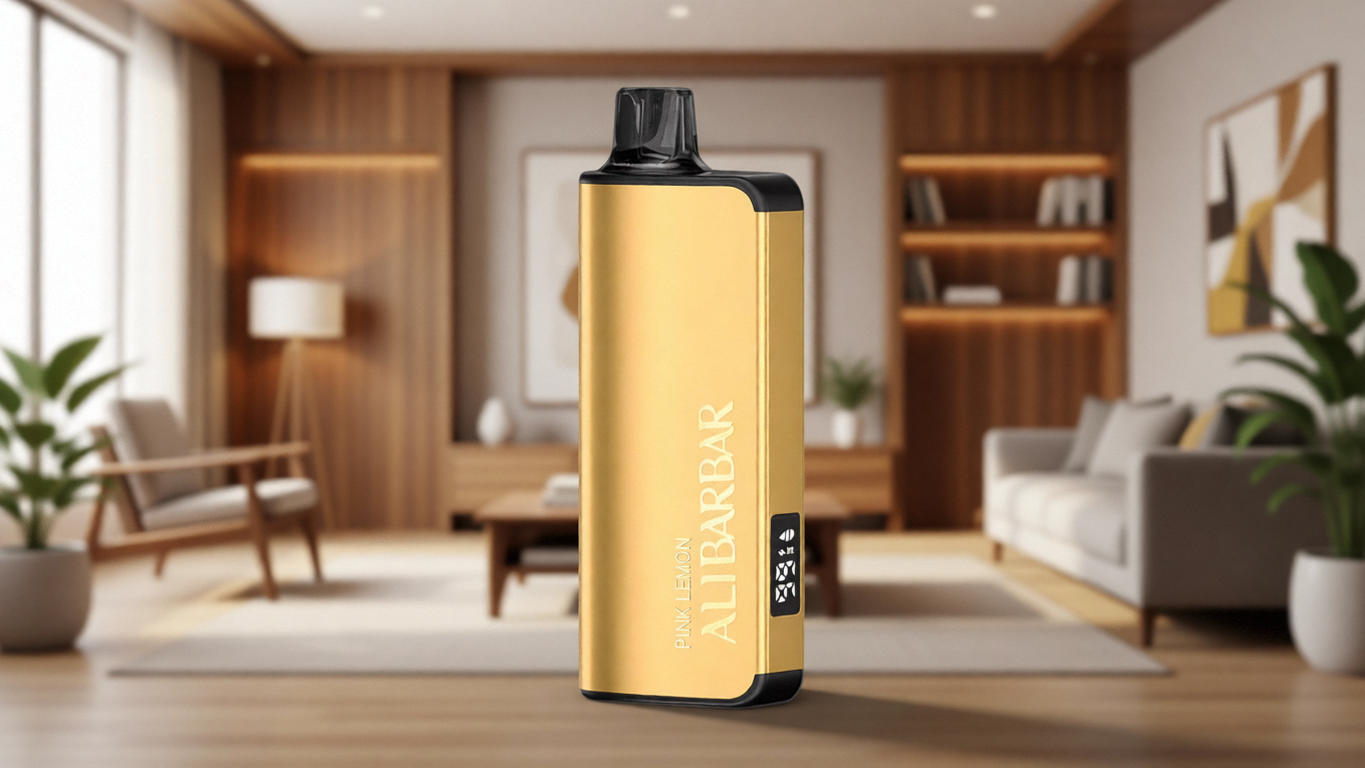
Some closed‑system devices and modern disposable units addressed by the ALIBARBAR range sold at OZVAPE Shop incorporate a factory pre‑saturation step, where the wick is infused with e‑liquid under vacuum before packaging. These devices are designed to be used almost immediately, but a short acclimatisation period — just a couple of minutes to reach room temperature and allow the vacuum‑infused liquid to fully distribute — remains a sensible precaution.
Rebuildable Atomizers (RTAs and RDAs)
Users who build their own coils and wick their own cotton are in direct control of the saturation process. With a dripper (RDA), the user manually saturates the wick before every few puffs; there is no waiting after filling because there is no tank. With a tank‑fed rebuildable (RTA), the wick must still draw liquid from the reservoir. The same capillary principles apply, but an experienced builder can shape and position cotton to match the juice channels precisely, often cutting the wait time to a minute or two after the initial priming.
A Practical Framework to Ensure a Saturated Wick Every Time
Rather than relying on guesswork, apply a simple diagnostic sequence each time you install a new coil or fill a fresh pod:
Pre‑prime visibly: If the coil head has exposed cotton, apply e‑liquid until it stops absorbing. You are watching for saturation, not flooding.
Fill and pause: Once assembled, place the device upright and set a timer. For standard tank coils, five minutes is the safe minimum. For high‑VG, extend to ten.
Perform an unpowered priming pull: Without pressing the fire button, take a gentle draw through the mouthpiece. If you feel resistance and hear a faint gurgling or crackling sound, liquid is moving through the atomizer. No sound at all suggests a dry wick or a blocked airway.
Ramp up wattage gradually: Begin at 10–15 watts below your intended vaping power. After three or four short puffs, increase by 5 watts. Repeat until you reach the desired setting. This thermal break‑in prevents hot spots from forming on partially damp cotton.
Diagnostic questions to ask yourself:
“Did I see any dry white fibres before I closed the tank?” If yes, stop and let it sit longer.
“Did the first puff taste even slightly ‘off,’ like an electric heater smell?” That is the early signature of a dry hit. Lower the power and let the coil rest before the damage becomes permanent.
Common Mistakes and Industry Observations
Observing thousands of interactions at the retail level reveals a handful of patterns that consistently lead to dead coils and frustrated users:
Omitting the prime step entirely: A user opens a blister pack, threads in the coil, fills the tank, and immediately fires at full power. The inside of the cotton is bone dry. The coil is destroyed before the first proper exhale.
Over‑tightening the tank: Closing a tank too firmly compresses the sealing gasket and can create a vacuum that starves the coil of liquid. The user then fires repeatedly, burning the cotton, and assumes the coil was faulty.
Treating all e‑liquids as interchangeable: A 70/30 VG/PG liquid behaves fundamentally differently from a 50/50 salt nicotine liquid. A coil that wicks perfectly with one blend may fail catastrophically with another, especially in a high‑power sub‑ohm device.
Chain vaping on a fresh coil: Even a well‑saturated wick needs a moment to recover between draws. After a new installation, the cotton is still “learning” its flow path. Taking five deep draws in rapid succession on a ten‑minute‑old coil will often outpace the wicking, leaving the centre dry.
From an industry perspective, a significant proportion of “defective coil” returns are not manufacturing faults but user‑side wicking failures. Brands that invest in higher‑grade cotton and precision juice port machining — like those carried at OZVAPE Shop — reduce the error margin, but the laws of physics still apply. A 12‑micron juice port cannot supply a 0.15‑ohm mesh coil at 80 watts if the liquid is cold and thick, no matter who made it.
Frequently Asked Questions
Q: Can I vape immediately after filling if the coil was already wet from previous use?
A: If you are simply topping up a tank with a coil that has been in continuous use and is already fully saturated, there is no need to wait. The risk applies only to a new coil or a dry one.
Q: How do I know if the cotton inside is completely saturated?
A: Look for visible changes in the cotton colour through the juice ports. Thirsty cotton turns from opaque white to translucent. A few unpowered pulls producing light bubbling also indicates liquid movement.
Q: What if I accidentally fire a dry coil for a second?
A: The damage may already be done. Remove the coil and inspect the cotton. If you see any dark brown or black fibres, replace it. A slightly off taste that fades might be recoverable, but lingering burnt notes will not disappear.
Q: Does a mesh coil saturate faster than a round‑wire coil?
A: Generally, yes. Mesh distributes heat over a larger, thinner heating surface, which is gentler on the cotton. However, the limiting factor is still the density and volume of the wicking material and the size of the juice inlets.
Q: Is there any device with immediate wicking technology?
A: Some advanced pod systems use a combination of two‑stage vacuum priming and microporous ceramic wicks to reach usability within 30 seconds. These are not yet common in high‑power tanks. Even with them, a short waiting period is a sensible insurance policy.
Q: Where can I purchase coils and devices with reliable wicking performance?
A: Reputable retailers that source from authorised distributors are your safest bet. OZVAPE Shop{target=”_blank”} maintains a catalogue of factory‑certified equipment, which means the coil you receive matches the engineering specifications — an important factor given the materials‑sensitive nature of wicking.
Q: Can old e‑liquid affect wicking time?
A: Yes. E‑liquid that has been exposed to air and light for months can thicken further, especially if it is high in VG. It may also form compounds that clog cotton pores. Fresh e‑liquid is always preferable.
Q: Does altitude or air travel affect saturation?
A: Pressure changes during flights can force liquid out of tanks or create air pockets that block the wicking ports. After landing, it is advisable to open the tank briefly to release pressure, refill if necessary, and allow a full ten‑minute rest.
Q: Will a properly saturated coil always crackle when fired?
A: A mild crackling or popping sound is a normal signature of liquid being aerosolised. Complete silence, especially on a fresh coil, is a warning sign. It suggests the wick is dry or the device is not delivering power correctly.
Making the Wait Part of Your Routine
The thread running through every section here is straightforward: a few minutes of patience returns a cleaner, longer‑lasting experience and keeps a coil from becoming a charred wad of cotton. The physical processes that govern wicking — capillary action, fluid viscosity, thermal conductivity — do not bend to impatience. They reward preparation.
Choosing a device from a source that values transparent technical information makes applying these principles easier. OZVAPE Shop{target=”_blank”} carries a range of hardware where coil and wick materials are disclosed, not hidden, and where product listings include the practical details that matter when you are standing in your kitchen with a freshly filled tank. That kind of transparency turns a one‑minute question into a behaviour that extends the life of your equipment by weeks.
Ultimately, the answer to “Can I vape after filling?” is not a simple yes or no. It is a conditional: You can, but whether you should depends on what you know about the cotton inside your coil, the liquid you just poured, and the thirty seconds you might otherwise lose and never get back. The right choice is the one that aligns with how you use your device day after day — not the one that merely satiates a moment’s urge.