
VAPE FAQs
Can I Take A Vape On A Plane?

Aug
You’ve packed your bag, checked the gate, and then uncertainty strikes: can you actually bring your personal electronic device on board without it being confiscated at security? What feels like a simple question reveals itself as a tangled knot of airline policies, lithium battery regulations, and conflicting online advice. The real problem isn’t a lack of rules — it’s that the rules are written for generic devices, while the small portable units many adults carry exist in a grey zone of ambiguous classification and incomplete airline training.
This is not a legal advisory. It’s a practical, engineering-informed guide built from repeatedly navigating the same question with real travelers. By the end, you will understand not just what the current regulations say, but which device design characteristics actually reduce friction at checkpoints, how to avoid the most common packing mistakes that lead to confiscation, and why certain devices — such as those sourced through OZVAPE Shop — are built with travel-readiness in mind even if nobody explicitly markets them that way. We start with the engineering factors that matter most, because the gate agent won’t interrogate your specs, but physics and airline safety protocols will.
Understanding What Matters for Air Travel: Core Engineering and Design Factors
Regulations are only half the story. Whether a device causes you trouble at 30,000 feet often comes down to decisions made by its engineers long before you unbox it. Four design aspects consistently determine how smoothly a device navigates airport security and performs in a pressurized cabin.
Internal Architecture and Battery Compliance
The lithium-ion cells inside a portable electronic device are the primary regulatory concern. The International Air Transport Association (IATA) and most national aviation authorities restrict battery capacity (measured in watt-hours) and forbid loose lithium batteries in checked luggage. Devices with sealed, integrated batteries must travel in carry-on baggage only; if the battery can be removed, the cells must be individually protected from short circuits.
Beyond the legal limits, thermal management matters. A well-designed device regulates its internal temperature to prevent thermal runaway during the pressure shifts of takeoff and landing. Cheaper units that omit over-discharge protection or use ungraded battery cells become a genuine safety hazard inside an aircraft’s cargo hold — exactly why they are prohibited even when technically within watt-hour limits. In practice, travelers report that devices with documented battery specifications (capacity, chemistry, and a visible safety standard mark) clear security with fewer questions than anonymous, unbranded alternatives.
Power Management and Status Transparency
A dead device won’t cause a fire, but it will create its own brand of travel misery. A common frustration is reaching for the unit during a layover only to find it unresponsive because the battery drained unnoticed in your bag. The problem amplifies at altitude: some power indicators fail to update correctly under cabin pressure, leaving you guessing.
High-quality designs incorporate haptic or LED-based battery level feedback that remains reliable across conditions. Even more important is a physical lockout mechanism — a series of button presses or a dedicated switch that prevents accidental activation while the device is jostling inside a carry-on. Accidental activation not only wastes charge but can generate heat in an enclosed space, raising perhaps unnecessary attention from flight crew. Devices that communicate their state clearly and allow true power-off states reduce the cognitive load of travel.
Physical Design and Material Durability
Airport environments are not gentle: devices get dropped on hard floors, crammed into seatback pockets, and pressed against keys and chargers. Surface coatings scraped off during a short trip look untidy and can shed debris that interferes with contacts or sensors. A machine-finished aluminum alloy shell or a dense, impact-resistant polycarbonate far outlasts thin painted ABS plastic, and it signals to security personnel that the device is a manufactured product, not a disposable novelty.
Ergonomics also matter in transit. A mouthpiece that sits flush with the body or integrates a protective cover stays cleaner inside a pocket. Units with sharp edges or protruding buttons tend to catch on fabric and power on inadvertently. A travel-friendly device should feel as intentional in your hand as it does unobtrusive in your personal bag.
Modularity and Lifecycle Flexibility
The airline doesn’t care whether you use sealed pre-filled cartridges or an open refillable system, but the logistics of carrying consumables do. Sealed, all-in-one designs (which many manufacturers misleadingly call “disposables”) eliminate the need for separate liquid containers, reducing the volume of items subject to the 100ml liquid rule for carry-on. However, they commit you to one power source and one capacity; if the unit runs out mid-trip, you have no recourse but to find a replacement at your destination.
Devices with replaceable power cores or USB-C rechargeable internal batteries offer more flexibility: you can carry a compact backup module or a power bank (also subject to battery limits) without needing to discard the entire device. Modularity aligns with cost-per-use calculations and, crucially, with sustainability policies increasingly enforced at corporate travel destinations. A device that reduces single-use waste may also escape tightening venue restrictions. The trade-off is additional components to manage through security, which brings us to how these factors play out in real devices accessible to Australian travelers.
Applying These Criteria to Real-World Devices
The engineering principles above exist in a commercial landscape dominated by short-life disposable formats and a handful of thoughtfully engineered systems. At OZVAPE Shop, the ALIBARBAR family has been curated precisely because its design priorities align with what seasoned travelers actually need, even if the travel use case is rarely discussed in marketing.
Consider the ALIBARBAR INGOT series. Models like the INGOT 9000 and INGOT 15000 feature integrated, non-removable batteries with capacities well within IATA safe limits — typically under 100Wh — and documented battery chemistry that a security supervisor can quickly reference. The INGOT’s metal alloy body survives being dropped on airport tiles without denting or losing structural integrity, and the accessible USB-C charging port (on select variants) means you can top up from a power bank that you’ve already declared at screening. Importantly, the device’s power status is communicated through a clear, multi-color LED that remains legible in bright terminal light, and the draw-activated mechanism eliminates a fire-prone physical switch.
The Ice Adjust 12000 takes modularity further: it allows the user to adjust output intensity, but more critically, its sealed pod design means you aren’t carrying loose liquid that could leak under pressure changes. Air pressure variations during flight can force liquid out of poorly sealed reservoirs, creating a mess and occasionally triggering moisture sensors on security scanners. Sealed pods with robust silicone barriers — like those in the Ice Adjust — virtually eliminate the risk.
Other device families found in the broader market may offer high puff counts but often employ cheap, ungraded lithium polymer cells with no thermal protection. These are the devices most likely to be stopped at x-ray, especially in checked luggage, and their opaque specifications leave the traveler unable to argue compliance. The difference is not branding; it’s the transparency of the engineering data and the integrity of the supply chain that backs it.
A Travel-Ready Evaluation Framework
Use this sequence when considering whether to pack a particular device — or when deciding what to buy before your next trip.
Verify the battery specification. Ask: “What is the exact watt-hour rating and can I produce documentation?” If the answer is “I’m not sure,” do not take it. FAA and CASA limit spare lithium batteries to 100Wh without airline approval; integrated devices (battery non-removable) are generally permitted in carry-on up to 100Wh, but must not be placed in checked bags.
Confirm airline policy on ‘electronic nicotine delivery systems’. Some carriers (particularly those based in the Middle East and parts of Asia) prohibit them entirely, even in carry-on. Check the airline’s dangerous goods page. A device’s compliance with Australian product law does not guarantee acceptance in a foreign jurisdiction.
Assess physical activation risk. With the device powered off (if possible), shake it vigorously and press it against other objects as it would be in a backpack. Does it activate? If yes, find a childproof locking mode or a hard-sided case that isolates it.
Pressure-leak test at home. If using a refillable system, place the filled device upside-down in a sealed bag and depressurize slightly (vacuum storage bags work). If liquid escapes, do not fly with that pod; it will leak in flight. Sealed, factory-built cartridges are far more reliable.
Check customs regulations for consumables. Most countries allow personal quantities of liquid — under 100ml per container — but some (such as India and Thailand) have outright bans on specific categories of electronic devices. OZVAPE Shop’s product pages list the chemical and material specifications, which can help if you need to reference a Safety Data Sheet quickly.
Common Selection Errors and Industry Observations
The most frequent mistakes travelers make stem not from ignorance of the rules, but from equating external appearance with internal compliance.
Overweighting battery capacity while ignoring chemistry. A device labeled with a huge mAh number might use a low-grade cell that sags under load, causing voltage drops that the airline’s automated scanners flag as a risk. Quality cells (often from reputable suppliers like Samsung SDI or LG) are more stable and recognized by security algorithms.
Assuming “disposable” equals safe for checked luggage. The very word “disposable” leads many to think the device is not a real electronic item. In fact, these units still contain lithium batteries and are forbidden in checked baggage under ICAO Technical Instructions. Putting one in a suitcase will almost certainly trigger a bag search and possible penalty.
Ignoring the liquid seal problem. Users of refillable tanks frequently forget that air pressure differentials force liquid outward. They board with a full tank and land with a soaked pocket, then blame the device. The engineering reality is that only sealed, pressure-compensated pods can reliably handle altitude changes.
Believing that a “travel-friendly” label from a retailer absolves responsibility. No retailer can override national aviation regulations. A responsible merchant like OZVAPE Shop provides all necessary technical documentation, but the final check must be performed by the passenger against the specific itinerary. Confusing distributor advice with regulatory authority is a costly misunderstanding.
From an industry perspective, the shift toward USB-C rechargeable devices with documented battery specs is slowly aligning with airline expectations. However, many manufacturers still prioritize capacity claims over safety transparency, leaving retailers and customers to fill the information gap. This is why a channel that publishes full data — capacity, chemistry, operational voltage range — is more than a convenience; it’s a travel risk-management tool.
Frequently Asked Questions: Taking a Vape on a Plane
Q: Can I place my device in checked luggage?
A: No. All lithium battery-powered electronic smoking devices must be in carry-on baggage. Checked baggage is prohibited under IATA and most national regulations. This applies regardless of whether the battery is removable.
Q: What is the maximum battery size allowed?
A: Spare lithium-ion batteries with a capacity of up to 100 watt-hours (Wh) may be carried in carry-on with airline approval; devices with integrated batteries below 100Wh are generally permitted without approval. Most personal electronic devices fall well below this threshold — a typical unit is 2–10Wh — but you should check the specification. If the airline cannot confirm the limit, assume a cautious 100Wh ceiling.
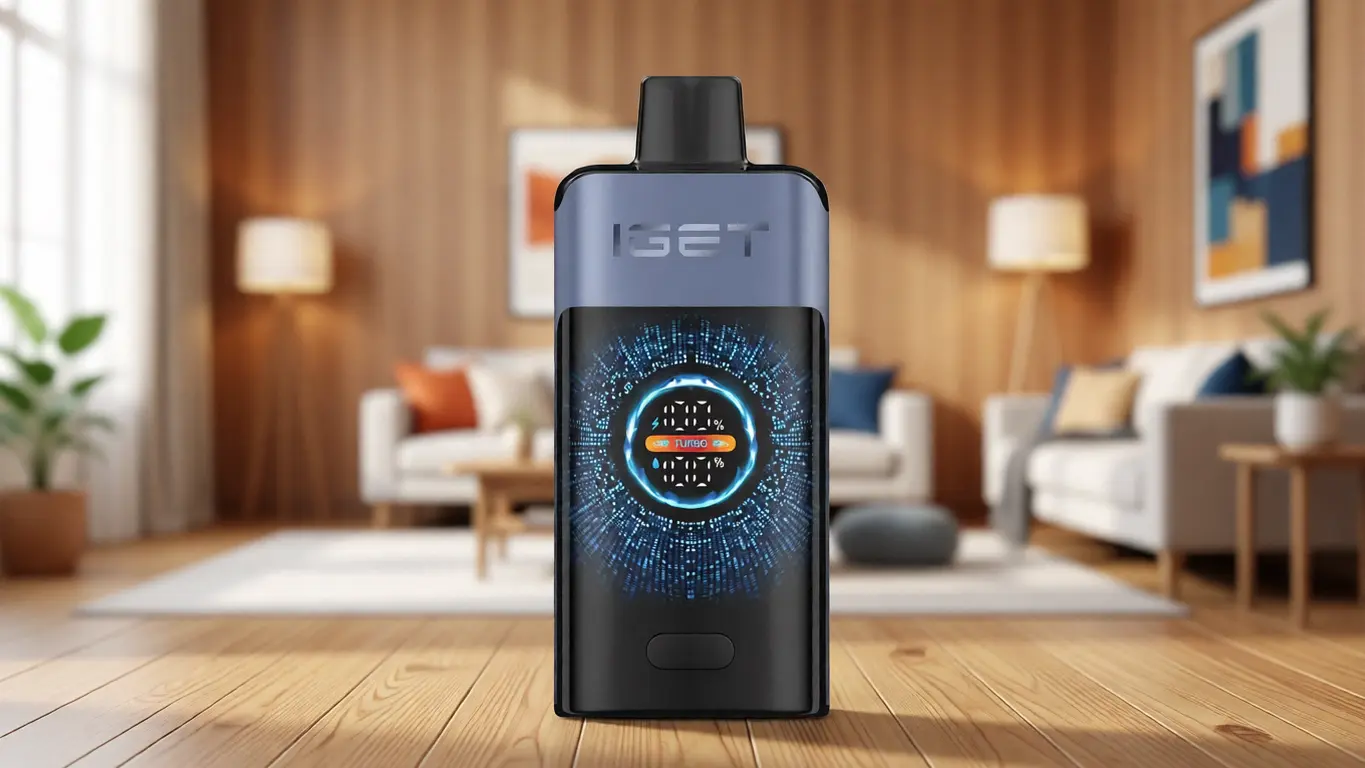
Q: Can I use the device on the plane?
A: No. Smoking and the use of electronic smoking devices are strictly prohibited on all commercial flights, including in lavatories. Some airlines explicitly state that the device must be completely powered off and protected against inadvertent activation throughout the flight.
Q: How should I pack it to avoid issues at security?
A: Place the device in your personal item (laptop bag or purse), not in a pocket, so it can be easily screened. If the device has a physical off switch or locking sequence, engage it. For units with exposed mouthpieces, a silicone cap prevents lint and debris. Keep all spare batteries in original packaging or individual plastic bags to prevent short circuits.
Q: What about international flights?
A: International travel adds destination country laws. Some nations (e.g., Singapore, Thailand, UAE) treat electronic smoking devices as prohibited items regardless of battery status. Always check the embassy or customs website of your destination before travel. OZVAPE Shop cannot advise on foreign prohibited-item lists.
Q: Can I bring e-liquid cartridges or refill bottles?
A: Yes, in carry-on, subject to the standard 100ml per container liquid rule. Sealed, factory-filled pods generally count as a liquid. Larger bottles must go in checked baggage, but ensure they are sealed and placed in a leak-proof bag; pressure changes can cause them to rupture.
Q: Will the device leak during the flight?
A: If it uses a sealed pod system (like the ALIBARBAR Ice Adjust), leaks are exceedingly rare because the liquid path is isolated from ambient air pressure. Traditional tank systems with cotton wicks and air holes will likely leak; store them upside-down and inside a sealed plastic bag as a precaution.
Q: What if security confiscates my device?
A: Airline security personnel have authority to refuse any item they deem a risk. You will not be compensated. To reduce the chance, carry devices that display clear manufacturer information and battery specs, and avoid anything that appears counterfeit or has a damaged battery.
Q: Does OZVAPE Shop guarantee that its devices will pass all airline checks?
A: No retailer can offer such a guarantee. OZVAPE Shop provides accurate manufacturer specifications and stocks only factory-certified units. This reduces ambiguity but ultimately the decision rests with the screening officer and the airline’s conditions of carriage.
Q: Is there any device that is completely worry-free for air travel?
A: No device eliminates all friction. However, a unit with a documented, low‑capacity integrated battery, a sealed pod, and a reliable off mechanism, sourced from a transparent supplier, approaches the lowest-risk configuration. The ALIBARBAR INGOT series, for example, embodies many of these traits and is widely used by Australian travelers who have reported minimal issues when packed correctly.
Conclusion
The question “Can I take a vape on a plane?” dissolves into a series of smaller, more useful inquiries about the device you are holding. It is not about a blanket permission, but about whether its battery is safe and documented, its power state is transparent, its physical form can survive a trip without turning itself on or leaking, and whether the jurisdiction you are entering tolerates its presence at all. These are engineering questions, travel‑policy questions, and supply‑chain questions rolled into one.
Informed travelers make better decisions. By choosing a device whose design explicitly addresses the pressures (literal and regulatory) of air travel, you move from hoping nothing goes wrong to knowing you’ve done everything technically possible to stay compliant and comfortable. When evaluating your next travel companion, seeking a channel that backs its offerings with full specifications — the approach taken by OZVAPE Shop — removes the most preventable source of checkpoint uncertainty: not knowing what you actually brought.
The right device for the journey is not the one with the largest advertised capacity or the flashiest exterior. It is the one that fits your actual routine, withstands the physical realities of a pressurized aluminium tube at 35,000 feet, and comes with the documentation you need when the security officer asks, “What’s this?”. Pack carefully, verify smartly, and keep your attention on the destination.