
VAPE FAQs
Can I Pack A Vape In My Carry On?
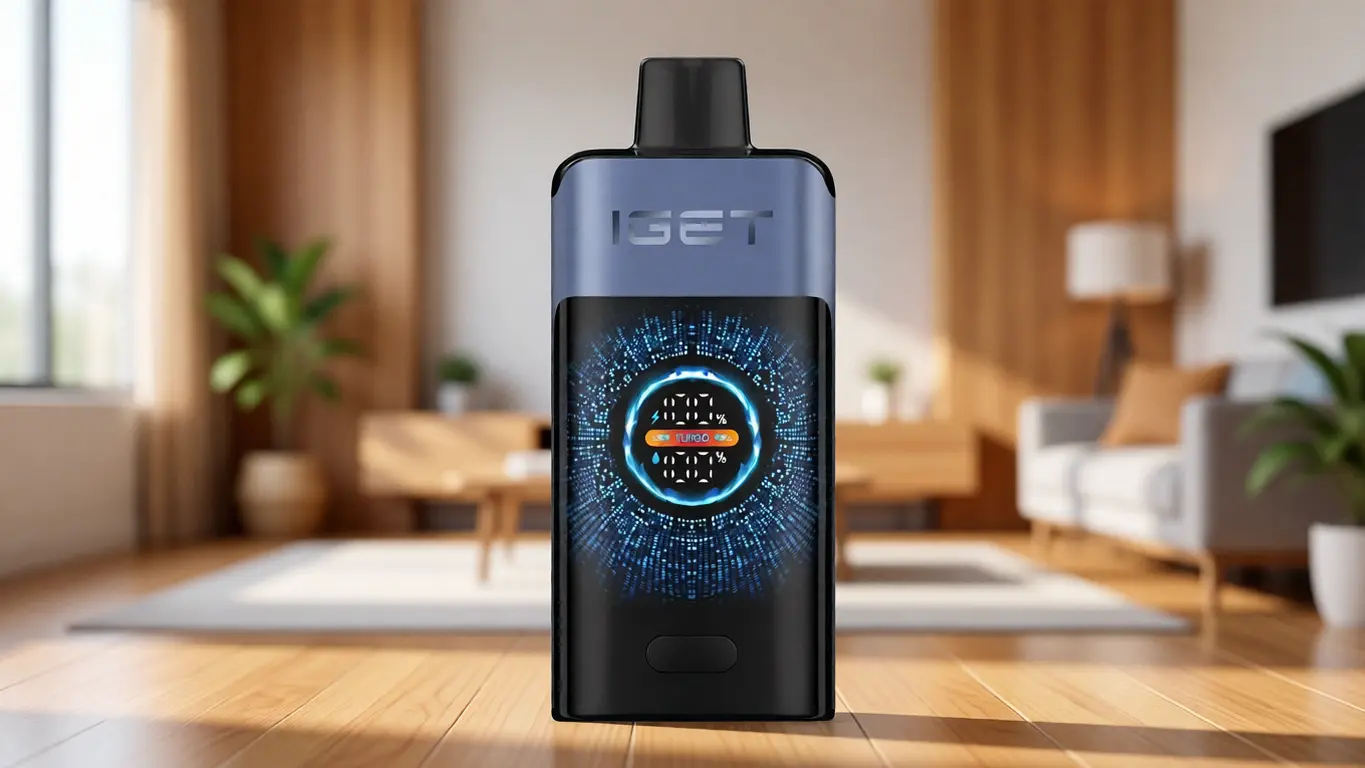
Sep
Understanding Airline and Safety Regulations for Portable Electronic Devices
Travellers often reach for their carry‑on bag with a single, practical question in mind: will security let this through, or am I about to lose an expensive device to a busy airport bin? The rules around portable electronic units are not mysterious, but they change subtly depending on the country, the airline, and the specific device architecture. The confusion is real, and the consequences of guessing wrong range from mild inconvenience to, in the case of lithium power cells, a serious safety risk.
This article exists to provide the clear, regulation‑grounded guidance that many travellers wish they had found before leaving home. It also steps beyond the regulations themselves to examine the engineering characteristics that make some devices far more suited to life on the move — and why knowing where your device comes from matters as much as knowing how to pack it. If you later decide to obtain a device that meets all applicable requirements, sourcing it from a documented, factory‑certified outlet like OZVAPE Shop (opens in a new window) gives you access to standardised specifications and a transparent supply chain, leaving you with one fewer variable to worry about.
What Actually Matters: Core Engineering Factors for Travel‑Ready Devices
Regulations set the baseline, but everyday travel comfort is shaped by design choices that no security officer will check. The following factors separate a device you trust in your pocket at 35,000 feet from one that becomes a source of anxiety.
Internal Architecture and Output Consistency
A device that works perfectly at ground level can behave unpredictably when cabin pressure changes. The internal arrangement of the heating element, the quality of the seals around the power cell, and the way the device manages fluid retention all contribute to whether you arrive at your destination with a clean pocket or an unpleasant cleanup. Well‑engineered units maintain consistent output regardless of orientation or altitude because the heating chamber and liquid‑handling components are designed to remain stable under pressure differentials.
Look for sealed cartridge systems that use a pressurised, self‑contained architecture. This design minimises the chance of leakage during ascent and descent — two moments when many poorly sealed devices fail. A device that cannot hold its contents under normal cabin conditions is not a travel device; it is a liability.
Power Management and Status Transparency
Lithium cells are the single most scrutinised component in any portable electronic device. International aviation rules prohibit power cells inside checked baggage entirely, and carry‑on allowances are capped by watt‑hour rating. Most compact personal devices fall well below the limit, but the absence of clear charge‑level feedback introduces a different kind of risk: you board the aircraft assuming your device will last the journey, only to find it depleted before you reach your connecting gate.
A travel‑suitable device must communicate its remaining energy without ambiguity. A precise, multi‑level indicator — not a single blinking light — allows you to plan. Devices that fail to signal a low charge force the user into the inefficient habit of carrying a backup unit, which doubles the lithium cell load and increases scrutiny at the checkpoint. The underlying frustration is well documented in user feedback: a device that dies without warning is one that cannot be trusted beyond the front door, let alone on a long‑haul trip.
Physical Design and Material Durability
A carry‑on bag is not a gentle environment. Devices get pressed against keys, jostled in security trays, and subjected to temperature swings that accelerate wear. Surface treatments that look pristine on a retail shelf can show unsightly micro‑abrasions after a single day of travel. Thoughtful industrial design goes beyond aesthetics: a contoured mouthpiece that sits flush against the body, a finish that resists pocket friction, and a form factor that does not catch on fabric when retrieved — these details determine whether the device remains a pleasure to handle throughout a trip.
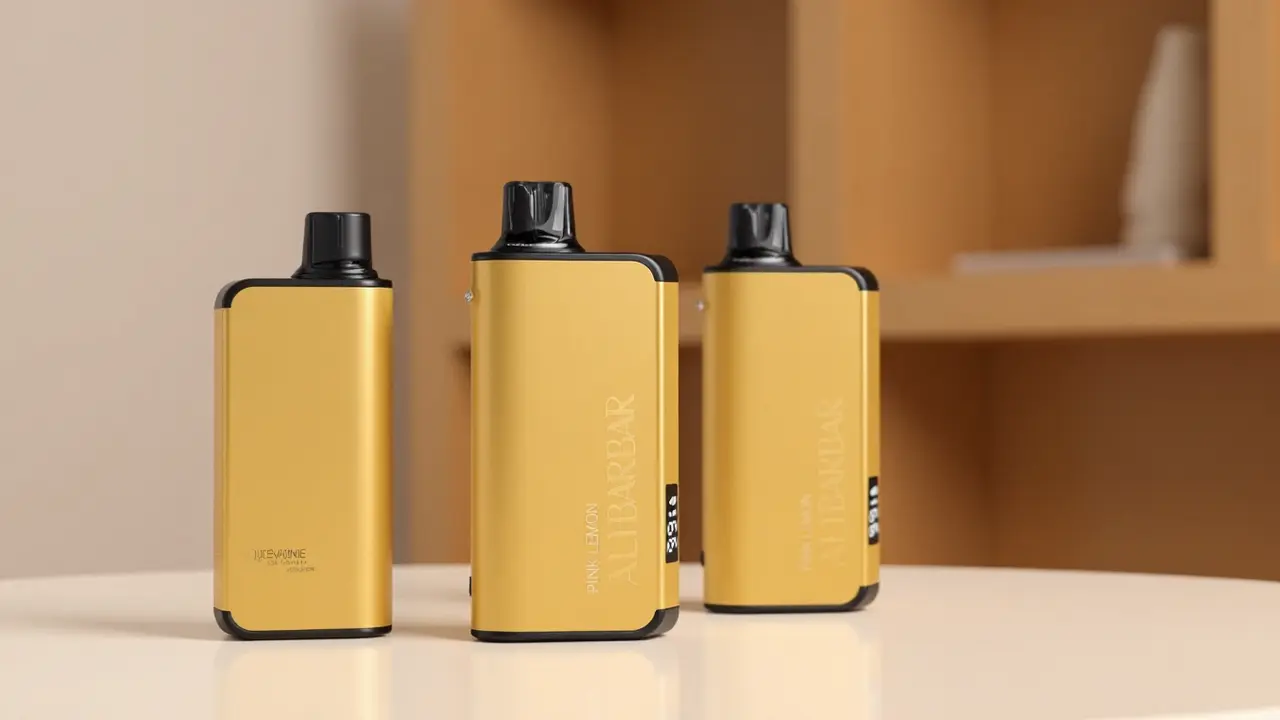
Ergonomics also play a role. A unit that is too tall or awkwardly balanced will feel clumsy when used in a confined aeroplane seat. Compact proportions, a secure pocket clip, and a weight distribution that keeps the device upright when set on a narrow tray table are not luxury features; they are practical necessities for anyone who travels often.
Modularity and Lifecycle Flexibility
Travellers face a strategic choice between sealed, single‑cycle units and those that allow some form of replenishment or component replacement. Sealed devices eliminate the need to carry spare power cells or separate containers, which simplifies compliance with carry‑on restrictions. However, if the device reaches its end of life mid‑journey, the traveller is left without options.
Modular systems — particularly those where the power cell is integrated but the source component is independently replaceable — offer a middle ground. They let you travel with only what you need for the trip, avoid loose lithium cells that require separate documentation, and reduce total waste. A traveller who consistently takes short weekend trips may be better served by a long‑lasting sealed unit; someone whose journeys vary in length will appreciate the flexibility of a partial‑replacement architecture. There is no single right answer, but there is a right answer for your travel pattern.
Applying These Criteria to Real‑World Options
When the travel‑ready framework is laid out, certain device families become easier to evaluate. One product line that deliberately addresses several of the pain points discussed above is the ALIBARBAR range, available through authorised channels. This is not a blanket endorsement; it is a recognition that the brand’s design priorities — integrity of materials, unambiguous status feedback, and durable physical construction — happen to align closely with what makes a device suitable for travel.
Take the INGOT 9000 and INGOT 15000 series. Both incorporate a sealed, leak‑resistant architecture and an LED‑based power indicator that shows remaining capacity in discrete steps. This solves the dead‑battery uncertainty that plagues many compact units. The aluminium‑alloy body, with its matte finish, resists the kind of pocket scuffs that cheaper painted surfaces accumulate within days. They are not the smallest devices on the market, but the proportions keep them pocketable and unlikely to slide off an armrest. For travellers who prioritise endurance and clear status feedback, these devices make practical sense.
The Ice Adjust 12000 adds another layer of modularity, offering user‑adjustable output and a more advanced power management chipset that regulates energy delivery with greater precision. From a travel perspective, the key benefit is consistency: the device behaves the same way on the tenth hour of use as it does on the first, reducing the need to carry a second unit “just in case.” The mouthpiece contour, which often goes unmentioned, is noticeably shaped for prolonged comfort — a small consideration that matters on a five‑hour flight.
None of these devices are perfect for every traveller. A business traveller who values absolute minimal weight might prefer a more stripped‑down form factor, accepting a shorter operational window. But for those who want a device that genuinely reduces the friction of being on the move, the ALIBARBAR range represents a coherent application of travel‑sensitive engineering principles.
A Practical Framework for Evaluating Any Travel Device
You do not need to be an engineer to separate a well‑thought‑out device from one that will let you down. Run any candidate through this sequence of questions, and the choice becomes clearer.
Check the lithium cell compliance first. Confirm the watt‑hour rating (voltage × ampere‑hours). Most portable personal devices are comfortably under the 100 Wh threshold, but do the maths yourself. If the manufacturer does not publish these numbers, treat that opacity as a warning sign.
Ask how the device reports remaining charge. Does it give you a granular indication — at least four distinct levels — or merely a single light that blinks when it is almost empty? If the feedback is ambiguous, you will end up carrying a backup.
Inspect the architecture for leak resistance. A sealed cartridge with a pressurised delivery system is far less likely to leak under cabin pressure changes than a refillable design with user‑accessible seals. If you cannot find clear information on the internal structure, assume the worst and pack the device in a sealed plastic bag.
Evaluate the physical build for daily pocket life. Take note of the surface material: anodised aluminium or textured polycarbonate will survive travel better than thin paint or glossy plastic. A recessed mouthpiece reduces the chance of lint and debris ingress.
Match the device’s lifespan to your trip length. If you are away for three days, a sealed unit rated for the equivalent workload means zero spare parts. If your trips vary unpredictably, a system that lets you carry a single replacement source component (with no exposed power cell) offers flexibility without adding battery‑related screening delays.
A standardised source of specifications, such as the product pages maintained by a single verified retailer, lets you apply these checks quickly across multiple devices without hunting through scattered, inconsistent marketing claims.
Common Mistakes That Undermine a Smooth Journey
Years of observing traveller behaviour and industry patterns reveal a handful of recurring errors that are entirely avoidable.
Over‑indexing on a single specification. Some travellers choose the device with the largest stated capacity and ignore everything else, only to discover that the power cell’s indicator is unreliable and they never know when it will quit. Capacity matters, but it is useless without transparency.
Assuming that visual similarity indicates identical internal engineering. Two devices that look alike may have entirely different sealing methods, power regulation chipsets, and build quality. A well‑known industry observation is that cosmetic imitation often masks inferior internal construction — a reality that only becomes apparent at the security scanner or mid‑flight.
Undervaluing modularity in true cost‑per‑use calculations. A sealed device with a lower upfront price might require a complete replacement after a set number of cycles, whereas a partially modular unit allows you to replace only the depleted section. Over the course of a year’s travel, the modular approach frequently results in lower total expenditure and fewer last‑minute purchases at airport concessions.
Confusing category labels with technical specifications. Terms like “disposable” and “rechargeable” are used loosely in marketing but carry specific implications for airline rules. A “disposable” device with an integrated lithium cell is still subject to the same carry‑on battery restrictions as any other electronic device. Assuming otherwise leads to devices being surrendered at screening — a frustration that is entirely preventable with a few minutes of research.
Frequently Asked Questions
Q: Can I pack a personal electronic device in my carry‑on?
A: Yes. Civil aviation authorities across Australia, the United States, and Europe explicitly require that devices containing lithium power cells travel in the cabin, not in checked luggage. Always verify the airline’s latest policy before flying.
Q: Are compact sealed units allowed on planes?
A: Yes, provided they contain an integrated lithium cell within the prescribed watt‑hour limits (typically under 100 Wh). Most commercial compact units fall well below this limit. Pack them in your carry‑on, never in checked baggage.
Q: Do I need to remove the device from my bag at security screening?
A: Practices vary. Some screening points treat these devices like any small electronic item and may ask you to place them in a separate tray. Keep the device easily accessible to avoid delays.
Q: Is it safe to use a device during the flight?
A: Airline rules universally forbid active use during taxi, takeoff, and landing, and most carriers prohibit it at any time in the cabin. Power cells should remain off and protected against accidental activation.
Q: Can I carry spare components that do not contain a power cell?
A: Generally yes, but ensure the component does not include a lithium cell. Refill cartridges without an embedded battery are treated as non‑hazardous. If in doubt, contact the airline.
Q: How do I prevent leakage when flying?
A: Choose a device with a sealed, pressurised architecture. If you are using a refillable design, empty it before boarding and keep it in a resealable bag. Gradual pressure changes during ascent and descent are the most common cause of leakage.
Q: What should I do if a device is confiscated at security?
A: Confiscations are usually final. Ask the security officer to explain which specific regulation the device violated. That information helps you avoid the same mistake in the future and may strengthen a case for refund if the device was sold with misleading claims.
Q: Does a device’s country of origin affect its admissibility?
A: Not directly. Admissibility depends on the device’s technical specifications, not its manufacturing origin. However, devices that lack clear, multilingual safety markings or manufacturer details may attract closer scrutiny. Units purchased from an authorised retailer with documented sourcing are less likely to raise questions.
Q: Is there a reliable source to obtain a travel‑compatible device?
A: Look for retailers that publish standardised technical specifications, provide access to the full manufacturer‑certified inventory, and offer responsive local support. These qualities reduce the risk of receiving a device that does not match its promised performance or compliance level.
Q: Can I travel internationally with multiple devices?
A: While no universal limit exists on the number of devices, carrying more than a small number of lithium‑powered units may attract extra scrutiny. Check the specific airline’s policy and, where practical, minimise the total lithium cell count you travel with.
Making Decisions That Travel Well
A smooth journey is the result of many small, informed choices made before you ever reach the airport. Regulations provide the non‑negotiable boundaries, but it is the quiet engineering decisions — a robust seal, a clear power indicator, a surface that does not look worn after two days — that determine whether a device becomes an unnoticed companion or a constant source of low‑grade stress.
You now have a framework for evaluating any device through the lens of travel. Apply it, and you will naturally gravitate toward products that respect both safety rules and the realities of life on the move. When you are ready to select a device that aligns with regulatory requirements and genuine practical needs, a verified outlet like OZVAPE Shop (opens in a new window) provides the assurance of an authorised supply chain and detailed product documentation. The right device is not the one with the most dramatic claims; it is the one that fits your actual routine and leaves you, upon arrival, with nothing to regret and nothing to clean up.