
VAPE FAQs
Can I Buy A Disposable Vape?

Jul
Introduction
The question seems simple: “Can I buy a disposable vape?” In Australia, the practical answer depends less on a yes‑or‑no than on understanding a landscape where regulations, device quality, and retail reliability intersect. Adults searching for a compact, ready‑to‑use personal electronic device frequently encounter conflicting advice—some outlets claim widespread availability, others imply strict prohibitions. At the same time, the market has matured to the point where engineering differences between products directly affect whether the experience is satisfying or frustrating.
What follows is a structured walk‑through of the legal, technical, and practical dimensions that turn a casual inquiry into an informed decision. We will examine what to look for inside a device, how to recognise trustworthy sourcing, and why some units consistently outperform others in daily use. OZVAPE Shop enters the conversation not as a pitch, but as an example of a retailer that has built its operations around documented authenticity and technical transparency—resources that make genuine evaluation possible.
Understanding What Matters: Core Engineering and Design Factors
Before searching for a specific product, it helps to hold a framework that separates meaningful design choices from cosmetic differences. A well‑engineered disposable device solves specific user frustrations; a poorly thought‑out one compounds them. The following factors matter across all portable electronic devices, whether sealed or modular, and using them as a filter will consistently lead to better outcomes.
Internal Architecture and Output Consistency
At the heart of any device is its heating element and the way it manages energy delivery. In the ALIBARBAR range, for instance, the INGOT and Ice Adjust series utilise mesh‑architecture heating assemblies. This is not a trivial detail. Compared to traditional wire‑coil designs, mesh elements provide a larger, more uniform surface area, which directly reduces hot spots and the progressive degradation in performance that users often notice in the latter half of a device’s operational life.
Why this matters: One of the most frequently reported irritations is that a device performs admirably for the first few hundred cycles, then gradually delivers weaker, less consistent output. A well‑engineered heating system, paired with proper wicking, delays that decline significantly. When evaluating a disposable, look for specifications that mention mesh‑type heating and for independent commentary on whether the performance remains stable from the first activation to the last.
Power Management and Status Transparency
Disposable devices are, by definition, self‑contained power systems. The battery must be sized appropriately for the rated volume of consumable medium, and—critically—the device should communicate its remaining charge unambiguously. Many budget‑oriented designs omit any form of status indicator, forcing the user to guess when the unit will become a dead weight.
In practice, ambiguity carries a hidden cost: users learn to carry a backup “just in case,” which defeats the purpose of a compact, single‑unit solution. Devices that incorporate clear LED feedback—blinking patterns, colour changes, or a simple battery‑life indicator—remove that uncertainty. When examining specifications, note whether the battery capacity is stated in milliampere‑hours and whether a low‑charge alert is part of the design. A device that fails to communicate its status is one you will inevitably distrust.
Physical Design and Material Durability
A device that spends eight hours in a pocket, a bag, or a centre console needs more than a visually appealing shell. Surface finishes matter. Soft‑touch coatings may feel pleasant on day one, but they often show wear after repeated abrasion against keys or coins. Hard‑anodised or bead‑blasted metallic exteriors tend to hold up longer, though they may add weight.
Mouthpiece geometry is another overlooked factor. A contour that feels natural for the first five minutes can become irritating during extended use. The ALIBARBAR family, for example, uses an ergonomically tapered mouthpiece profile across its INGOT series—an engineering decision that reduces hot‑spot concentration on the lips and improves comfort over longer sessions. When handling a device in a retail setting or examining product photography, pay attention to the transition between the body and the mouthpiece. Sharp angles or thin‑walled plastic in that zone often correlate with discomfort and reduced durability.
Modularity and Lifecycle Flexibility
At first glance, a disposable device appears to offer no modularity at all—it is sealed and discarded when spent. Yet even within the category, design choices create different lifecycle profiles. A device with a 9,000‑activation rating represents a very different value proposition from a 1,200‑activation unit, not just because it lasts longer, but because it changes the user’s replenishment rhythm. Higher‑capacity units reduce the frequency of purchase decisions and the associated shipping or travel costs.
Some designs, while technically sealed, incorporate a rechargeable power cell with a USB‑C port, separating the electrical lifespan from the consumable medium’s capacity. This partial modularity can significantly lower the total cost per use over time, because you are not discarding a still‑functional battery along with an exhausted consumable. When comparing disposable devices, check whether a rechargeable battery is present and whether the charge‑cycle endurance is documented. A device that allows you to use 100% of its consumable medium before disposal represents better engineering—and better value—than one that leaves 15–20% stranded because the battery fails first.
Applying These Criteria to Real-World Options
ALIBARBAR’s current catalogue illustrates how these principles translate into tangible products. The range is built around three distinct user need‑states: the person who wants the longest interval between purchases, the person who prioritises pocket‑ability and discretion, and the person who wants adjustable output control within a sealed format.
The INGOT 9000 is the entry point into high‑capacity design. With a 9,000‑activation rating, mesh heating, and a rechargeable 850 mAh battery, it addresses the power‑transparency and lifecycle‑flexibility criteria directly. The LED indicator communicates remaining charge, and the USB‑C port means you can recover full performance right up to the last fraction of consumable medium. The trade‑off: the device is slightly larger than ultra‑compact alternatives, which may matter if absolute pocket space is at a premium.
The INGOT 15000 extends the same architecture to a 15,000‑activation rating, matching a 950 mAh rechargeable cell with a correspondingly larger consumable reservoir. This device is designed for users who measure their device’s adequacy in weeks rather than days. The physical size is naturally greater, but the durability of the bead‑blasted alloy shell and the contoured mouthpiece remain consistent with the rest of the family. For someone who travels frequently or works long shifts, the elimination of a mid‑week purchase trip represents a meaningful quality‑of‑life improvement.
The Ice Adjust 12000 introduces a feature not commonly found in sealed units: a variable output control that allows the user to adjust intensity without changing device chemistry. This addresses a genuine frustration—the desire for a different experience at different times of day, without carrying multiple units. Internally, it uses the same mesh‑heating architecture as the INGOT line, so output consistency is preserved across the adjustment range. The design incorporates a visible adjustment dial and intuitive status feedback, reducing ambiguity further. The trade‑off is a slightly more complex user interface, which may require a brief acclimatisation period.
In broader market context, other device families may offer higher puff‑count claims or lower upfront cost. However, it is worth scrutinising whether those devices include the power‑management features and status transparency that prevent the “dead battery with unused medium” scenario. ALIBARBAR’s emphasis on rechargeability across its higher‑capacity units reflects a design philosophy that respects the user’s investment: you should get every fraction of performance you paid for.
A Practical Framework for Evaluation
When considering a disposable device—whether from ALIBARBAR or any other source—you can apply a simple, repeatable framework that will surface the right choice for your routine.
Check the activation rating against your typical weekly usage. If you activate a device approximately 200 times per week, a 9,000‑activation unit will last roughly 45 weeks, while a 1,200‑activation unit may last less than two. However, these ratings assume ideal conditions; consider a 15–20% derating for real‑world variability.
Look for rechargeability in devices with higher ratings. If a unit claims 9,000+ activations but has no charging port, ask whether the battery is sized to outlast the consumable medium. Many are not.
Verify status‑feedback mechanisms. Does the device have an LED indicator that changes behaviour as charge drops? If not, you will inevitably carry a backup, doubling your effective cost.
Examine the mouthpiece and surface finish. Are there visible seams or sharp edges where the mouthpiece meets the body? Does the finish look like it will survive continuous contact with keys, coins, or other pocket debris? If you cannot inspect the device physically, look for product photography that shows these details at high resolution.
Check retailer sourcing policies. An authorised reseller will explicitly state that its inventory comes from factory‑certified distribution channels. If that information is absent or vague, the risk of counterfeit or grey‑market product rises substantially.
This framework does not require expert knowledge. It requires only that you ask the device—and the seller—the right questions before money changes hands.
Common Selection Errors and Industry Observations
Observing how users choose disposable devices over time reveals several recurring errors, most of which are avoidable with a modest shift in evaluation habits.
Overweighting Puff Count Alone
A high activation number looks compelling on a product listing, but without corroborating information about battery capacity and status feedback, it can be misleading. A 15,000‑activation device with a non‑rechargeable battery that dies after 9,000 activations is functionally a 9,000‑activation device, and the user has paid for unused potential. Always cross‑reference the puff rating with the power source.
Assuming Visual Similarity Indicates Equivalent Internals
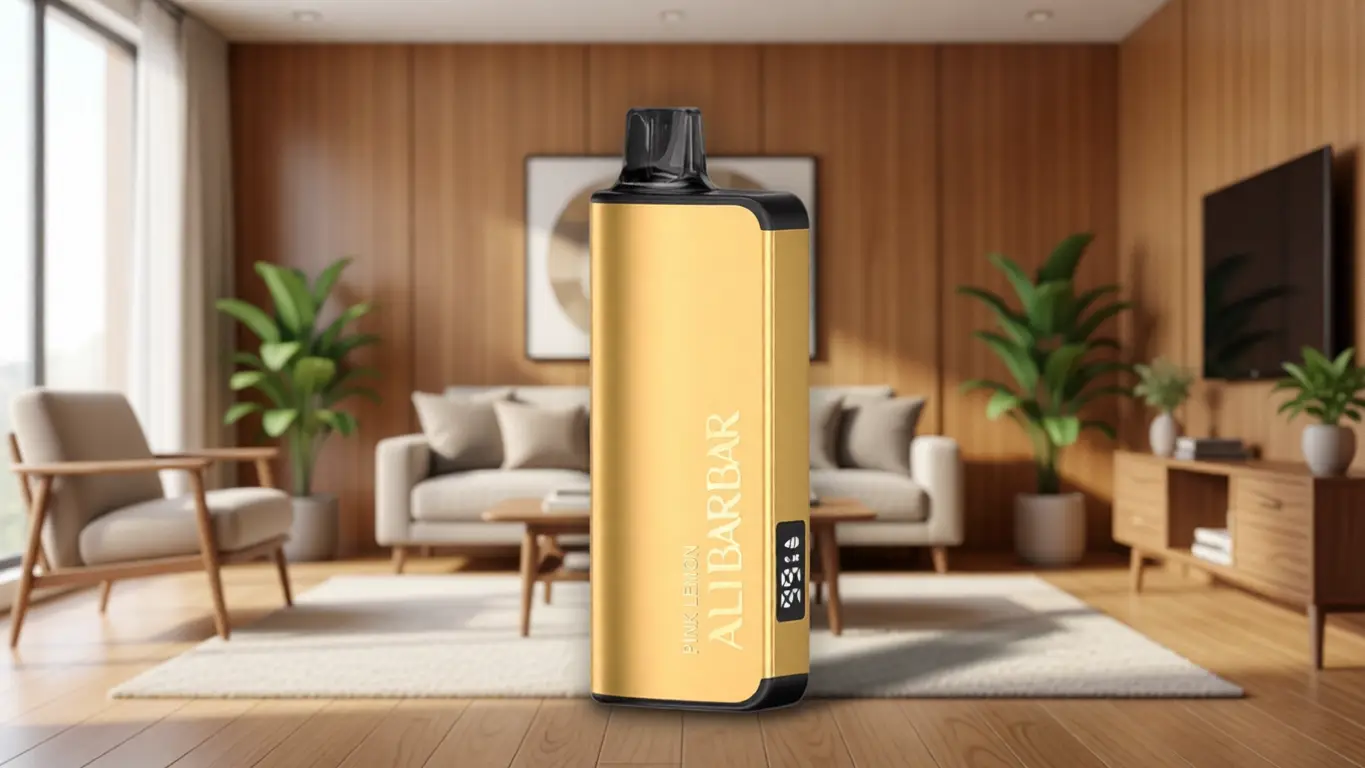
Two stainless‑steel cylinders from different brands may appear nearly identical in an online photograph. Internally, one may use a precision mesh heating element with redundant wicking layers, while the other uses a basic round‑wire coil that produces inconsistent output after moderate use. Price often correlates with internal engineering quality, but only a retailer that discloses its sourcing criteria gives you confidence.
Undervaluing Modularity in Cost‑Per‑Use Calculations
A rechargeable, high‑capacity device may carry a higher upfront price than a smaller sealed unit. However, if you calculate total cost over a three‑month period—including shipping, trips to physical outlets, and the hassle of unexpected depletion—the rechargeable unit frequently comes out ahead. Many users overlook this because they focus on the sticker price rather than the lifecycle cost.
Confusing Category Terminology with Technical Specifications
Terms like “mesh coil” or “adjustable airflow” are sometimes used loosely in marketing copy. A genuine mesh element is a flat, etched sheet; a cheap imitation may be a wire coil arranged in a grid pattern. Unless you can verify the construction—through detailed product descriptions, teardown‑style reviews, or a trusted retailer’s documentation—you are relying on a label that may not reflect reality.
At an industry level, these patterns reflect a supply chain where contract manufacturers offer a menu of internal components, and brands select different combinations to hit price points. The difference between a device that maintains consistent performance across its entire lifespan and one that fades after a few days is often the difference between a brand that audits its factory partners and one that prioritises minimum unit cost. This is not a consumer‑facing distinction, but it shows up reliably in the daily experience of the person holding the device.
Frequently Asked Questions
Q: Is it legal to buy a disposable vape in Australia?
A: Regulations vary by state and territory. In all cases, the purchaser must be at least 18 years old. Some jurisdictions have additional restrictions on certain formulations. Always check the current laws in your location, and ensure the device will be used in a setting that complies with local public‑space rules.
Q: How can I verify that my device is authentic and not a counterfeit?
A: Purchase from a retailer that explicitly states it sources inventory from factory‑certified distribution channels. Look for physical authentication markers on the packaging—serial numbers, QR codes, or tamper‑evident seals—that trace back to the manufacturer. Avoid marketplaces where individual sellers are not vetted.
Q: What does “9,000 puffs” actually mean in practical terms?
A: The rating is based on laboratory testing under controlled conditions—typically a fixed activation duration and interval. In real‑world use, activation length varies, and the actual number of cycles before the consumable medium is depleted may be 10–20% lower. Think of the rating as a comparative benchmark rather than an absolute guarantee.
Q: Why do some high‑capacity devices include a rechargeable battery?
A: Because the consumable medium often outlasts a single battery charge. A rechargeable design ensures that you can use the entire reservoir, rather than discarding the device when the battery dies prematurely. It also reduces electronic waste relative to a fully sealed unit of equivalent capacity.
Q: How should I store a device when not in use?
A: Keep it in a cool, dry environment away from direct sunlight and extreme temperatures. Prolonged exposure to heat—such as inside a car on a summer day—can degrade both the battery and the consumable medium. A padded case or dedicated pocket reduces the risk of physical damage to the mouthpiece or body.
Q: What should I do if a device stops working before the stated activation count?
A: First check whether the battery is depleted and, if the device is rechargeable, attempt a charge cycle. If the device remains non‑functional, contact the retailer. A reputable seller will have a documented returns or warranty process. Keep your purchase receipt and any original packaging.
Q: Is there any ongoing maintenance required for a disposable device?
A: Sealed devices require no user‑serviceable maintenance. However, if the device has a USB‑C port, keep it clean and dry. Never attempt to open or disassemble a sealed unit; doing so can damage the internal circuitry and create safety risks.
Q: How quickly will I receive my order from an online retailer?
A: Shipping times depend on the carrier and your location. Many Australian‑based retailers ship within 24–48 hours of order confirmation for in‑stock items, with transit times of 2–7 business days for standard delivery. Check the retailer’s stated processing time and whether they offer tracking.
Q: Can I take a device with me when travelling domestically or internationally?
A: Domestic travel is generally straightforward, but airline and public‑transport guidelines may restrict the carrying of certain electronic devices. International travel adds customs considerations; some countries prohibit the import of personal electronic devices entirely. Always research the regulations of your destination before departure.
Q: What differentiates a high‑quality disposable device from a basic one?
A: The key differentiators are heating‑element architecture (mesh vs. traditional coil), power management (rechargeable battery, charge indicators), build materials (durable shell finishes, ergonomic mouthpiece), and consistency of output across the device’s rated lifespan. A lower‑cost unit may omit several of these features, leading to early performance drop‑off.
Conclusion
The ability to buy a disposable vape in Australia is not in question. The more important inquiry is whether the device you select will meet your expectations across the days, weeks, and months that you rely on it. Engineering decisions—mesh heating, rechargeable power architecture, transparent status feedback—separate a device that fades after the first few days from one that delivers exactly what is on the label.
Informed users make better decisions, and better decisions start with better information. Retailers that invest in documentation, authorised sourcing, and clear communication become genuine tools in that process. OZVAPE Shop has structured its platform around these principles, offering a route to the ALIBARBAR range that prioritises product authenticity and technical clarity above salesmanship. The right choice is not the one with the loudest claims; it is the one that fits your actual daily routine, communicates its status honestly, and stands behind its design with verifiable integrity.