
VAPE FAQs
Can 13 Year Olds Vape?
May
In recent years, a single question has surfaced with troubling regularity in online forums, search queries, and even casual conversation: Can 13 year olds vape?
The direct, unambiguous answer is no. In Australia, it is illegal for anyone under the age of 18 to purchase, possess, or use vaping products. Beyond the legal barrier, the developing adolescent brain and body are uniquely vulnerable to the effects of nicotine and other chemicals. This article examines not only the clear-cut legal and health realities, but also why the question persists and how responsible information sources—and responsible retailers—play a role in reducing harm.
At the centre of this discussion is a commitment to factual accuracy and age-appropriate boundaries. As a brand that deals exclusively with adult consumers, OZVAPE Shop actively enforces these boundaries every day through rigorous age verification, transparent sourcing, and educational content that never blurs the line between informed choice and underage access.
Understanding What Matters: Why Age Restrictions Exist and What They Protect
The minimum age for purchasing and using vaping devices is not an arbitrary line drawn by lawmakers. It reflects a convergence of medical research, public health policy, and the observable consequences of early exposure. To understand why the answer to “can 13 year olds vape?” must remain a firm no, we need to examine the layered reasoning behind age-gating.
1. Neurological Development and Addiction Risk
Adolescence is a period of rapid brain development, particularly in the prefrontal cortex—the region responsible for impulse control, decision-making, and risk assessment. Nicotine exposure during this window disrupts the formation of neural pathways, leading to measurable deficits in attention, learning, and mood regulation. Crucially, the earlier a person is exposed to nicotine, the higher the likelihood of developing a lifelong dependency, whether on vaping products or other nicotine delivery systems.
2. Gateway Behaviour and Social Normalisation
Public health data consistently shows that children who experiment with vaping are more likely to transition to combustible tobacco use later in life. This is not merely a matter of chemical addiction; it is also a behavioural pattern. When a 13-year-old sees peers handling a device that mimics the hand-to-mouth ritual of smoking, the psychological barrier to trying other products erodes. Age restrictions interrupt this normalisation cycle by making the products legally invisible to minors.
3. Retailer Accountability and Supply Chain Integrity
A legal purchase age is only as effective as the retailers who enforce it. When a vendor knowingly or negligently sells to a minor, they compromise the entire regulatory framework. Responsible operators implement layered verification systems: digital age gates on websites, ID checks at point of delivery, and clear terms of service that void transactions for underage attempts. For adult consumers, buying from a source that takes these steps is not just a matter of legality; it is a signal that the products themselves are genuine, factory-certified, and handled with care.
Applying These Criteria to Real-World Situations
The question “can 13 year olds vape?” often arises not from malicious intent but from genuine confusion—especially among young people who are exposed to contradictory messages online. Here is how the principles above apply in practical, everyday scenarios.
When a Minor Sees a Vaping Device Online
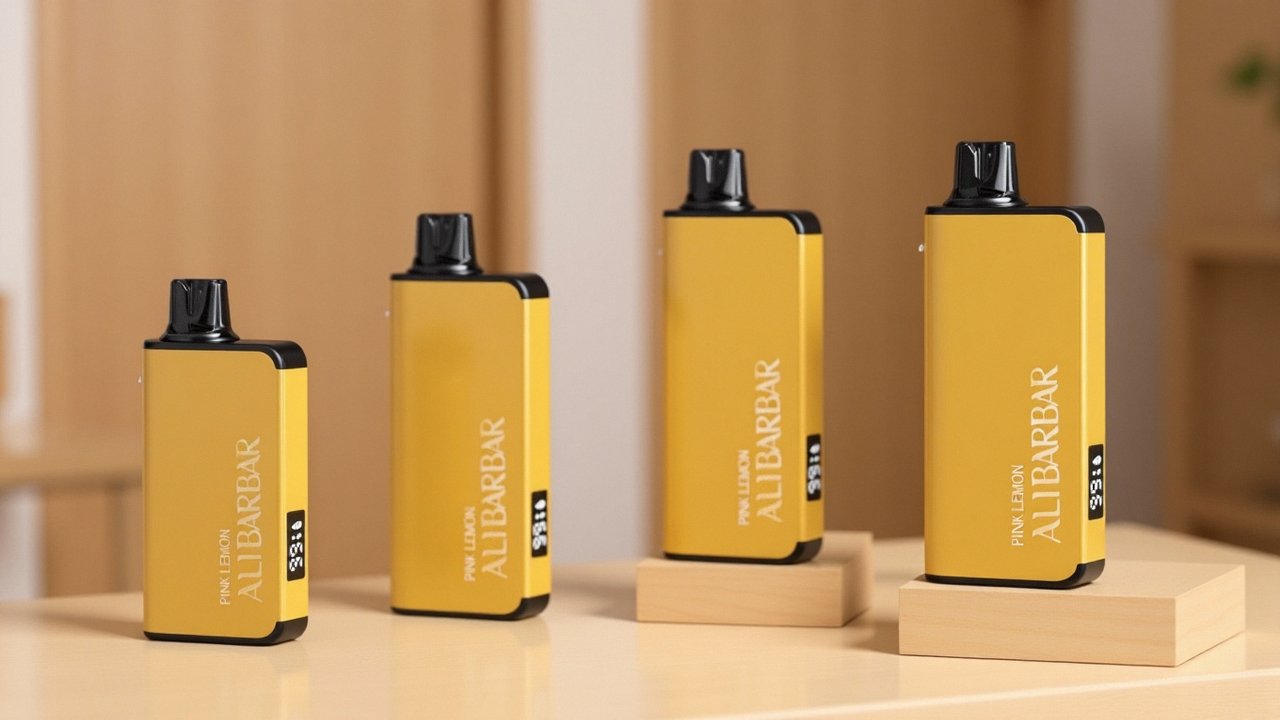
A social media post or an unboxing video may make a device look like a harmless gadget. Without context, a 13-year-old might not differentiate between a high-capacity personal electronic device like the ALIBARBAR INGOT series and a toy. This is why responsible branding matters: clear adult-oriented packaging, no candy-like flavour names, and marketing that avoids imagery appealing to youth. It is also why adult users should store devices securely, out of reach of children.
When a Retailer Fails to Verify Age
A minor who attempts to purchase from an unregulated marketplace or a physical store with lax enforcement may succeed. Every successful underage sale fuels the persistent myth that “everyone is doing it.” In contrast, when a retailer like OZVAPE Shop rejects a transaction because ID cannot be verified, it protects not only the individual minor but the integrity of the entire product category.
When an Adult Chooses a Device
For adults who have made an informed decision to use vaping products, the choice of where to buy is as important as the choice of device itself. A shop that enforces age restrictions strictly is also more likely to stock authentic products, provide accurate specifications, and offer post-purchase support. This is not a coincidence; attention to compliance in one area correlates with attention to quality in others.
A Practical Framework for Evaluating Any Source or Product
If you are an adult looking to make safe and informed decisions, the same scrutiny should apply whether you are evaluating a device or the shop that sells it. Use the following checklist as a tool to separate trustworthy sources from those that cut corners.
Age verification transparency: Does the website clearly state its age verification process? Is there a pop-up gate before you can browse products? If not, the retailer may not be prioritising compliance.
Product authenticity guarantees: Look for language like “factory-certified inventory” or “direct from authorised distributors.” Vague phrases such as “premium quality” without a chain-of-custody statement are a red flag.
Technical documentation: A legitimate source will publish standardised specifications—capacity, internal architecture, status indicators—so you can compare devices on objective grounds.
Customer support accessibility: Can you reach a human being if something goes wrong? A dedicated support team, especially one based in Australia like that at OZVAPE Shop, indicates an operation that expects to be held accountable.
Educational content: A shop that invests in explanatory articles, usage guidelines, and care instructions is treating its customers as adults capable of understanding nuance. This is a strong trust signal.
Common Selection Errors and Industry Observations
Even experienced adult users sometimes make mistakes that undermine their own satisfaction—or worse, inadvertently normalise access for minors. Here are four recurring patterns observed across the wider market.
Mistake 1: Equating Availability with Legitimacy
The fact that a device is easy to find online does not mean it is safe, authentic, or sold by a responsible party. Counterfeit products flood unregulated channels, often with no age verification and no performance consistency. Purchasing from a source that does not verify age is not just a legal risk; it is a gamble on product quality.
Mistake 2: Ignoring the Role of Modularity in Long-Term Cost
Many first-time buyers fixate on initial price and overlook lifecycle costs. A device with a sealed, non-replaceable power cell may seem cheaper, but when the cell degrades, the entire unit becomes waste. Modular designs like those in the ALIBARBAR INGOT 15000 allow users to replace components, reducing long-term expense and environmental footprint. This design philosophy also reflects a manufacturer’s confidence in sustained adult use—not a single impulsive purchase.
Mistake 3: Assuming Visual Similarity Means Equivalent Engineering
Two devices that look nearly identical can have vastly different internal architectures. Without a retailer that provides standardised specifications, you may end up with a unit that delivers inconsistent output, dies prematurely, or lacks the status transparency that prevents carrying unnecessary backups.
Mistake 4: Underestimating the Covert Influence of Packaging
Packaging that appeals to a youthful aesthetic—vibrant cartoons, exaggerated flavour imagery, or sleek “gadget” styling—can inadvertently attract underage curiosity. Mature design language is not just about brand tone; it is a harm-reduction strategy. When evaluating a product line, observe whether the visual identity respects the adult-only nature of the category.
Frequently Asked Questions
Q: Is it actually illegal for a 13-year-old to vape in Australia?
A: Yes. Federal and state laws prohibit the sale of vaping products to anyone under 18. In most jurisdictions, possession by a minor is also subject to penalties, including confiscation and fines.
Q: What happens if a 13-year-old is caught using a vaping device?
A: Consequences vary by state, but typically the device is seized, parents or guardians are notified, and formal cautions or fines may be issued. Schools often have additional disciplinary measures.
Q: Can a 13-year-old order vaping products online from overseas?
A: No. Australian customs regulations require that imported vaping products meet the same age restrictions. Online stores that sell without age verification are operating unlawfully, and shipments can be stopped at the border.
Q: How does OZVAPE Shop prevent underage purchases?
A: OZVAPE Shop employs a multi-layered system: a digital age gate before browsing, third-party identity verification at checkout, and delivery procedures that mandate an adult signature upon receipt. Any attempt to bypass these safeguards results in order cancellation.
Q: Why would a shop care so much about age verification?
A: Beyond legal obligation, age verification is a measure of integrity. A retailer that enforces it demonstrates respect for public health, regulatory compliance, and the long-term viability of the category for responsible adult use.
Q: Are there any health risks specifically for 13-year-olds who vape?
A: Absolutely. Nicotine exposure during early adolescence can impair memory, concentration, and emotional regulation. The lungs are still developing, and inhaling aerosolised chemicals—even without nicotine—introduces unnecessary risk. The safest choice for anyone under 18 is to never start.
Q: If a device is labelled “0% nicotine,” is it safe for teens?
A: No. Even zero-nicotine formulations contain propylene glycol, vegetable glycerin, and flavourings that are not approved for inhalation by developing lungs. Legally, these products are still restricted to adult use.
Q: What should a concerned parent do if they discover their child is vaping?
A: Approach the situation with calm, factual conversation. Many young people have been misinformed about the risks. Resources such as school counsellors, GPs, and youth health services can provide accurate information and cessation support if needed.
Q: Where can adults find reliable, age-restricted products?
A: Adults seeking factory-certified devices should look for authorised retailers with transparent sourcing. OZVAPE Shop is one example—a platform that carries the full ALIBARBAR range and publishes standardised specifications to enable informed comparison.
Q: Does buying from a compliant retailer really make a difference?
A: Yes. It directly supports a supply chain that refuses to serve minors, reduces the circulation of counterfeit goods, and reinforces the norm that vaping products are for adults only. Every purchase from a responsible source is a vote for a safer market.
Conclusion
The question “can 13 year olds vape?” is not complicated. The answer, grounded in law, science, and basic responsibility, is unequivocally no. However, the fact that the question continues to circulate highlights a gap in education and enforcement. Closing that gap requires consistent messaging from every corner: parents, educators, policymakers, and the retailers who control access to the products themselves.
For adults who remain entitled to make their own choices, the path forward is equally clear. Support businesses that uphold age restrictions, demand evidence of authenticity, and value transparency. A shop that treats compliance as a non-negotiable standard is also the shop most likely to deliver a product that performs reliably and safely. This is the principle at the heart of OZVAPE Shop—a recognition that trust is built not through marketing slogans, but through the daily, unglamorous work of verifying who is on the other side of the screen.
Ultimately, the right choice is the one that respects both your own routine and the boundaries that protect those who are not yet ready to navigate such decisions. Informed adult users, armed with accurate information, naturally steer toward sources that honour that same commitment.