
VAPE FAQs
Are You Supposed To Inhale Vape?
Jul
A significant number of adults who pick up a portable vapor device for the first time pause before their initial draw with the same basic question: am I actually supposed to inhale this into my lungs? The confusion is entirely understandable. These devices sit at an awkward intersection of consumer familiarity — they resemble a USB stick or a pen — and an action that, for many, carries deep cultural and physiological baggage. The question is rarely addressed with the direct, technical clarity it deserves, and the resulting uncertainty leads to poor first experiences: coughing, throat irritation, a device that seems to do nothing, or a very expensive piece of electronics that ends up unused in a drawer.
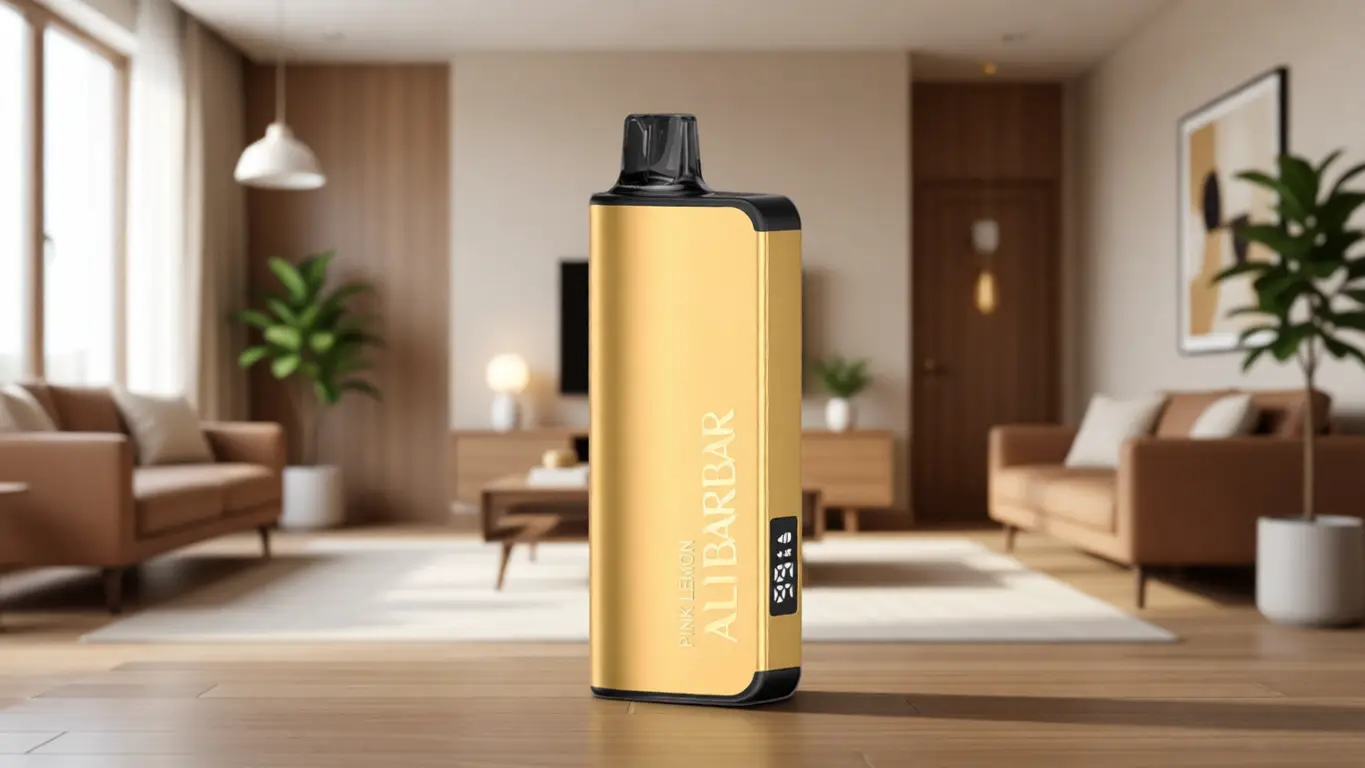
At OZVAPE Shop, we see this question surface not only from newcomers but also from experienced users switching between device architectures. The answer is not a simple yes or no; it depends entirely on the engineering of the device in your hand. What follows is a detailed, anatomy‑of‑the‑device breakdown that explains why inhalation technique matters, how the internal design of modern systems like the ALIBARBAR range shapes the expected draw, and how a methodical understanding of your equipment can eliminate the trial‑and‑error discomfort that too many users accept as normal.
Understanding What Matters: Core Engineering and How It Shapes Inhalation
Every personal vapor device is a system of interdependent components. The way air moves through that system, the temperature at which the heating element operates, and the feedback the device gives you all determine whether a lung‑inhale feels smooth and predictable or harsh and discouraging. To answer the inhalation question properly, we need to examine the engineering layers that govern the experience.
Internal Architecture and Airflow Dynamics
The heating element inside a device is not simply an on‑or‑off switch. It sits within a chamber that has a defined airflow path, and the ratio of air to generated aerosol changes dramatically depending on how hard and for how long you draw. Devices engineered for mouth‑to‑lung (MTL) inhalation use a tighter airflow, mimicking the draw resistance many adults already associate with certain traditional rituals. They produce a smaller volume of cooler, denser aerosol that is designed to be held momentarily in the mouth before being optionally taken into the lungs.
Direct‑to‑lung (DTL) devices, by contrast, have wider airflow channels and often larger heating element surfaces. They generate substantial vapor volume at warmer temperatures, intended for a steady, direct lung inhale — much like breathing in deeply. Attempting a tight, cigarette‑style draw on a DTL device will feel stifling and produce almost no output; trying a deep lung inhale on an MTL device will result in a thin, hot, and sometimes acrid sensation because the coil is not being cooled sufficiently by the increased airflow you’re attempting to force.
ALIBARBAR’s product engineers have consistently prioritised airflow consistency across their range. The internal ducting in devices like the INGOT series is calibrated to deliver a defined draw resistance that does not shift as the device drains its power supply. This predictability is what allows a user to develop a repeatable, comfortable inhalation pattern without constantly readjusting their technique mid‑session.
Power Delivery and Status Communication
A less obvious but equally critical factor is how the device manages its power source and communicates that status to you. A heating element that receives stable, calibrated power will produce aerosol at a consistent temperature from the first draw to the last. If the power delivery degrades — something common in devices with basic voltage regulation — the temperature drops, the aerosol becomes thin and wet, and the user instinctively compensates by drawing harder or longer, which overheats the residual power circuit and leads to the burnt, metallic taste that is one of the most frequently reported complaints in the category.
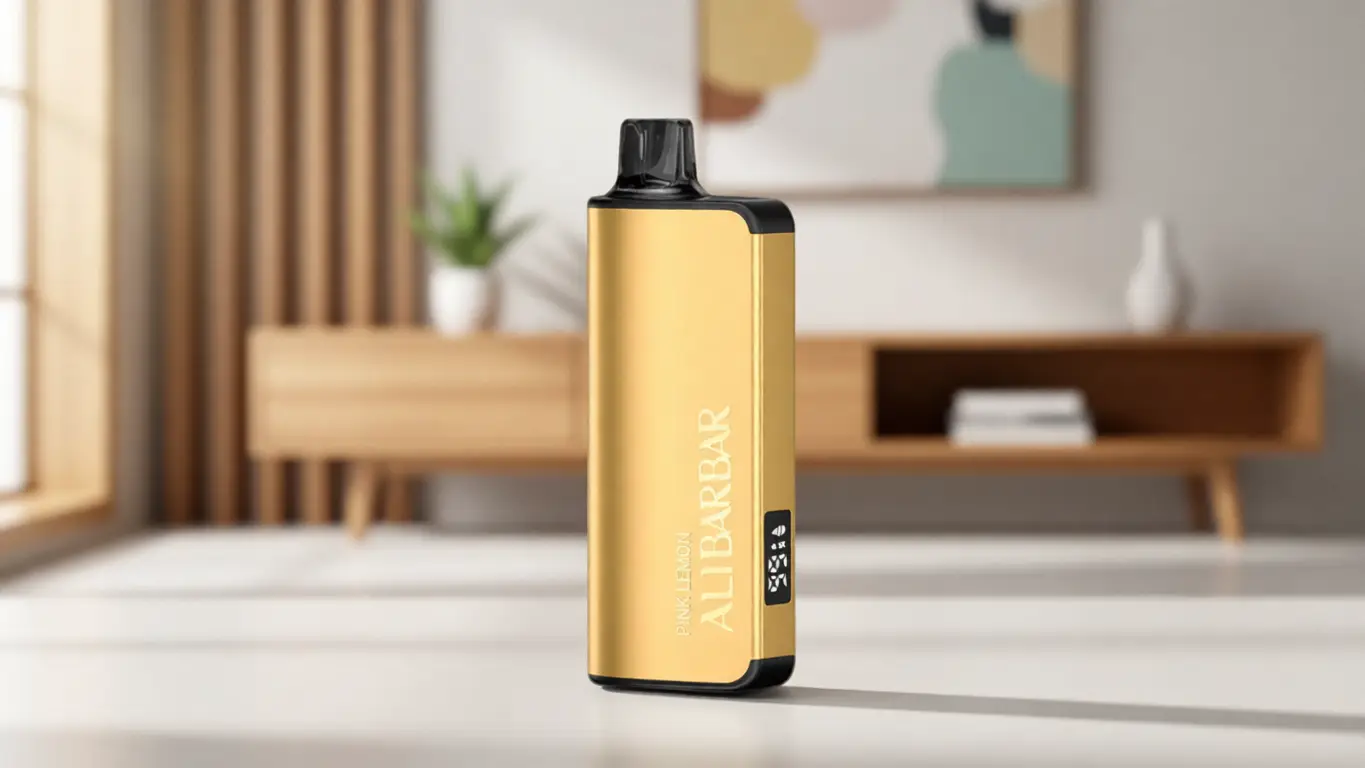
Status ambiguity compounds this. If a device gives no clear indication of its remaining charge, the user will be caught mid‑inhale by a sudden shut‑off or a weak, sputtering delivery. The coughing that follows is not a sign of incorrect inhalation; it is a mechanical failure to maintain the expected output. ALIBARBAR devices carry a pragmatic philosophy here: every unit includes a visible, unambiguous indicator. You know before you bring the device to your lips whether it is ready to perform. That transparency removes a major source of inhalation‑related distress.
Physical Design and Mouthpiece Contour
The mouthpiece is the only part of the device that remains in prolonged physical contact with the user, and its shape, material, and thermal properties directly affect comfort during repeated draws. A narrow, hard‑edged mouthpiece concentrates the aerosol stream and can feel sharp against the lips after ten minutes of use; a wider, softly contoured design distributes the flow more evenly and reduces the localised heat sensation that many users misinterpret as harshness.
The surface finish also matters. Certain glossy plastics can become slippery with condensation, breaking the lip seal and causing an inconsistent draw. ALIBARBAR uses a matte‑textured finish on mouthpiece areas, a detail that appears cosmetic in photographs but translates, in daily use, to a noticeably more secure and stable inhalation posture.
Modularity and Lifecycle Flexibility
In the context of inhalation, modularity might seem like a supply‑chain consideration, but it has direct user‑facing implications. A sealed, disposable device locks you into whatever airflow and coil configuration was set at the factory. With a modular or rechargeable system that supports replaceable cartridges, you may be able to choose between different resistance options that alter the warmth and density of the aerosol, allowing you to tune the inhalation experience to your preference without abandoning the device itself.
While ALIBARBAR’s current catalogue is oriented toward high‑capacity, self‑contained units that eliminate maintenance variables, the design philosophy of predictable, consistent output functions as a substitute for manual adjustability. The user does not need to tweak settings because the device has been engineered to deliver the same calibrated draw every time, provided it is used as intended.
Applying These Criteria to Real‑World Options
How does this translate into the specific devices an adult in Australia might encounter? Let us look at the ALIBARBAR range not as a collection of products to be ranked, but as a set of engineering responses to different user need‑states — each offering a defined inhalation signature.
The INGOT 9000 is a slim, lightweight unit that prioritises pocketability and a restrained MTL draw. Its airflow is shaped for a gentle, gradual intake. Users who have tried deep DTL inhales on this device report a feeling of emptiness and an urge to pull harder, which only stresses the battery. Used correctly, with a relaxed mouth‑to‑lung pattern, it delivers a cool, consistent aerosol that fades cleanly — exactly what its internal architecture was designed to produce.
The INGOT 15000 expands both capacity and airflow volume. The draw is slightly looser, accommodating a more open MTL or a very restricted DTL depending on the user’s cadence. The larger battery ensures that temperature remains stable across a prolonged day, which means the inhalation experience at 3 PM is perceptibly identical to the one at 9 AM. That consistency is not accidental; it is the result of a power‑management IC that actively compensates as the cell voltage declines.
The Ice Adjust 12000 introduces a user‑controllable element: a rotary airflow adjustment ring. For the first time in the lineup, the user can intentionally shift the draw resistance from a tight, cigarette‑like MTL to a more airy, restrictive‑direct‑lung feel. The inhalation technique should shift accordingly — a tighter setting expects a slower, more deliberate draw; the open setting can handle a steadier, slightly deeper inhale without the temperature spiking. This model educates the user through feedback: set it wrong for your preferred style, and the sensation will immediately tell you.
Across all three, the common thread is that the manufacturer has made the inhalation expectations as legible as possible. There is no hidden menu, no required voodoo of “puff twice and wait three seconds.” You draw, the device activates, and the sensory result matches the specification sheet.
A Practical Framework for Evaluating Inhalation Comfort
When you hold an unfamiliar device — whether an ALIBARBAR or something else — you can apply a quick diagnostic sequence that will save you the discomfort of an experimental first inhale:
Identify the activation method. Is it draw‑activated (you simply pull), or does it require a button press? If it is button‑activated, you have more control over when power is applied. Start your draw a split second before pressing the button, and release the button while continuing to draw for a moment to clear residual aerosol from the chamber. This prevents the “dry‑hit” spike in temperature that occurs when the coil is powered without airflow.
Assess the mouthpiece geometry. Place it against your lips without inhaling. Does the contour create a natural seal, or do you need to consciously purse your lips? Any effort to maintain a seal will fatigue the facial muscles over time and disrupt your rhythm.
Test the airflow restriction with an unpowered draw. Cover the airflow inlets (if visible) partially with your fingers and pull gently. The resistance tells you what to expect. A very tight draw signals an MTL‑optimised device; a free‑flowing draw suggests DTL.
Check the status indicator before you begin. A device that fails mid‑session because you didn’t notice it was near depletion will create a sudden interruption that often causes a reflexive, panicked inhale. If the indicator is absent or cryptic, you are operating blind and the “bad hit” that follows is a design failure, not user error.
Understand the expected temperature range. Low‑resistance coils run hotter. If the device literature mentions sub‑ohm resistance (under 1.0 ohm), anticipate warmer aerosol and moderate your draw length accordingly. Higher‑resistance coils produce cooler aerosol that rewards longer, slower draws.
This framework is not brand‑specific. It applies to any vapour device, but it works best when matched with a product that gives you clear, consistent feedback. At OZVAPE Shop, we publish the technical specifications that allow you to apply this framework before purchase, not after.
Common Selection Errors and Industry Observations
In observing how adults interact with this category across different retail environments, several patterns recur with enough frequency to warrant direct discussion. These are not theoretical mistakes; they are the reason a significant percentage of devices end up in drawers after a single unsatisfactory session.
Overweighting one specification while ignoring complementary factors. A user reads “12000 puffs” and assumes the device will therefore deliver a good experience for all 12,000 draws. What actually determines that is the stability of the power delivery and the wicking consistency. Capacity without regulation is just a promise of prolonged mediocrity. The user who chases the highest number without checking whether the device maintains output voltage through its lifecycle will inhale a progressively thinning aerosol and blame their own technique.
Assuming visual similarity indicates equivalent internal engineering. The market is flooded with devices that look like ALIBARBAR products, right down to the colour gradients and the soft‑touch finish. But the visual shell tells you nothing about the microcontroller that governs the heating cycle, the tolerance of the pressure sensor, or the quality of the lithium cell. When a visually identical device costs half as much, the savings have been extracted from precisely those internal components that determine whether an inhale feels smooth or acrid. Factory‑certified inventory, traceable to a known supply chain, is not a bureaucratic nicety; it is the only reliable way to ensure the device in your hand matches the one that passed quality assurance.
Undervaluing modularity in cost‑per‑use calculations. A sealed device feels convenient until it underperforms on day two and there is no remedy. A device that allows you to swap a cartridge or recharge with a known‑good cable gives you recourse when something goes wrong. Inhalation quality degrades gradually in most cases; a modular system lets you intercept that degradation before it becomes an unpleasant surprise.
Confusing category terminology with technical specifications. The word “disposable” describes the commercial model, not the engineering. Some “disposable” devices contain the same power‑management circuitry found in rechargeable units, while others are little more than a bare wire across a battery. The label tells you nothing about whether the device will protect itself when you accidentally take a draw that is too long. Understanding the underlying architecture — which is rarely printed on the package — is the difference between a device that serves you and one that surprises you.
Industry‑side, the supply chain has become fragmented. Multiple manufacturers produce near‑identical housings, and distributors often blend inventory from different sources under the same SKU. This is not a problem that regulators have solved at retail speed. It falls to the buyer to verify that the entity selling the device can demonstrate chain‑of‑custody back to the original factory. OZVAPE Shop maintains documented sourcing records, not as a sales tactic, but because it is the only credible response to a known industry vulnerability.
Frequently Asked Questions
Q: Is it necessary to inhale vapor into the lungs, or can you just draw it into the mouth?
A: It depends on the device. Mouth‑to‑lung (MTL) devices are designed for a two‑stage process: draw into the mouth, then optionally inhale further. Direct‑to‑lung (DTL) devices expect an uninterrupted inhale directly into the lungs. Using the wrong technique will result in a weak or harsh sensation. Check the device specifications to determine which style it is built for.
Q: How do I know if my device is meant for mouth‑to‑lung or direct‑to‑lung inhalation?
A: Look at the airflow restriction. If you can comfortably pull with your cheeks before inhaling, it is likely MTL. If the draw is very open and feels like breathing through a wide tube, it is likely DTL. Manufacturers usually indicate this in product literature; for ALIBARBAR devices, the product pages at OZVAPE Shop specify the draw style.
Q: What does it mean if the vapor feels hot or harsh?
A: Several things could be happening: the device may be nearly depleted, causing a voltage spike as the cell struggles; you may be drawing too aggressively, starving the coil of cooling airflow; or the coil resistance may be inherently low, producing a warmer aerosol. Check the device’s status indicator and reduce draw speed and length.
Q: Can I adjust the airflow on ALIBARBAR devices?
A: The Ice Adjust 12000 model includes a physical airflow ring that allows you to vary the draw resistance. The INGOT 9000 and INGOT 15000 have fixed, calibrated airflow paths. On those models, adjusting your draw speed is the only user‑controllable variable.
Q: How long should a single draw last?
A: For most small‑format devices, a draw of 2 to 4 seconds is typical. Exceeding 8 seconds can overheat the coil and trigger a safety shut‑off. If your device consistently cuts you off before you finish, you are likely drawing too slowly or the unit’s protection timer has been tripped by a prolonged inhale.
Q: What should I do if the device doesn’t produce vapor when I inhale?
A: First, check the battery or life indicator. If the device has a draw sensor, ensure your pull is firm enough to activate it — a very gentle sip may not register. If it is a button‑activated unit, confirm you are pressing the button throughout the draw. If the indicator remains off, the device may have entered a protection state or be depleted. Refer to the user guide or the support resources at your retailer.
Q: Are there differences in inhalation technique between disposable and rechargeable devices?
A: Not inherently. The technique depends on the airflow design and coil resistance, not the device’s business model. However, many rechargeable devices offer more consistent power delivery over their lifespan, meaning the inhalation experience stays the same from full charge to near‑empty, whereas some single‑use units degrade gradually, requiring you to subtly adjust your draw over time.
Q: Why does my device sometimes flash and not fire?
A: A flashing indicator typically signals one of three conditions: low battery, a short circuit detected by the device’s protection circuit, or an inhalation that exceeds the maximum draw time. Let the device rest for a few seconds and try again with a shorter, gentler draw. If the problem persists, the unit may be faulty and should be set aside.
Q: How can I verify I’m using an authentic ALIBARBAR device?
A: Authentic ALIBARBAR units carry a verification code on the packaging that can be checked through the manufacturer’s official channel. Purchasing from factory‑certified retailers like OZVAPE Shop, which source directly from authorised distribution networks, is the most straightforward way to avoid counterfeit devices that may not meet the inhaled‑quality standards described in official specifications.
Q: Where can I find reliable guidance on device operation?
A: The product pages on the OZVAPE Shop website include standardised specifications, usage notes, and draw‑style indicators for each ALIBARBAR model. The shop’s support team also responds to operational enquiries with factual, brand‑neutral guidance that prioritises user safety and satisfaction.
Conclusion
The question of whether you are supposed to inhale vapor is not answered by a rule but by reading the machine. A well‑engineered device is a set of very clear instructions expressed in airflow, thermal characteristics, and status feedback. The discomfort that many users attribute to their own inexperience is, far more often, the result of a device that fails to communicate what it expects. ALIBARBAR’s approach — calibrated draws, visible status, and honest materials — reduces that uncertainty to a near‑zero level for anyone willing to spend sixty seconds understanding what they are holding.
Informed users make better decisions. When you know the difference between MTL and DTL airflow, when you check the indicator before the draw, and when you recognise that the temperature change at the end of a device’s life is a mechanical signal and not a personal failure, you take back control of the experience. OZVAPE Shop maintains detailed technical documentation and factory‑certified inventory to support exactly that kind of informed use. The right choice is never the one with the most hype; it is the one that matches your actual routine and the device’s actual engineering.