
VAPE FAQs
Are Police Officers Allowed To Vape?
Sep
Are Police Officers Allowed To Vape?
The question appears straightforward, yet it immediately fractures into a series of smaller, more difficult inquiries the moment you examine it. Does “allowed” refer to federal law, state regulations, workplace policy, or the unwritten expectations of professional conduct? Is the officer on duty or off duty, in uniform or in plain clothes, inside a station or on a public footpath? The reality is that no simple yes or no can capture the layered governance that surrounds personal electronic device use among law enforcement personnel. What follows is a careful, methodical breakdown of the legal, institutional, and practical considerations that shape the answer — drawn from regulatory texts, observable agency patterns, and the engineering realities of the devices themselves. Educational clarity, rather than opinion, is the goal, and for that we often turn to the kind of factual, specification-driven perspective that OZVAPE Shop has built its reputation on when discussing device authenticity and appropriate use.
The Legal Status of Personal Vaporisers in Australia
Before examining police-specific rules, it is necessary to understand the wider legal framework in which all adult users operate. No uniform national law prohibits the possession or use of a personal vaporiser simply because it is a vaporiser. Instead, the legal landscape is a patchwork of therapeutic goods legislation, state-based public health acts, and local government by-laws.
At the federal level, the Therapeutic Goods Administration (TGA) regulates the supply of nicotine-containing e-liquids. Since October 2021, adult users have been able to legally access nicotine vaping products only with a valid prescription from a medical practitioner and by sourcing those products through an authorised pharmacy. Devices that do not contain nicotine — that is, the hardware itself — are not scheduled as therapeutic goods and remain lawful to own and use, provided they comply with general consumer product safety standards.
State and territory laws then add another dimension. Many jurisdictions treat vaping identically to smoking under smoke-free environment legislation. This means that using a vaporiser in enclosed public spaces, on public transport, in outdoor dining areas, and within a prescribed distance of public buildings may be subject to the same prohibitions and penalties that apply to combustible tobacco. Police officers, like any other citizens, are bound by these location-based restrictions. However, as we will explore, the fact of their employment introduces an additional set of controls.
How Police Departments Address Vaping
Law enforcement agencies operate under stringent codes of conduct and operational procedures that extend well beyond what the law demands of civilians. While few Australian police forces publish a dedicated “vaping policy” as a stand-alone document, the matter is generally governed by a combination of general conduct guidelines, uniform and appearance standards, and occupational health and safety obligations.
On-duty use is the most tightly constrained area. A uniformed officer is a visible representative of their agency’s authority, and any behaviour that could be perceived as unprofessional — or that undermines the officer’s readiness — is typically prohibited. Most jurisdictional police manuals already forbid smoking while in direct contact with the public or while operating a marked vehicle. Because the vapour from a personal device can visually resemble smoke, agencies often apply the same restrictions by default, even when no explicit rule names electronic devices.
Consider practical reality during a shift. An officer standing next to a patrol car exhaling a visible aerosol, regardless of its composition, could trigger a complaint from a member of the public who reasonably believes the officer is smoking in a prohibited area. The agency’s interest is not in adjudicating the chemical difference, but in avoiding the reputational damage and the erosion of public trust. In many cases, the governing instruction is not legal but procedural: do nothing that creates a perceived double standard between the enforcement of public health laws and the personal conduct of enforcement personnel.
Off-duty and out of uniform, a police officer enjoys the same legal latitude as any other adult. However, even here, residual obligations may apply. Social media posts showing an identifiable officer vaping can become a disciplinary matter if the agency concludes the image brings the service into disrepute. The threshold is subjective, but it is real, and officers who value their professional standing often treat off-duty device use with the same discretion they would apply to any other legal but publicly debated activity.
Practical Device Considerations for Law Enforcement Personnel
When high personal accountability and the need for absolute discretion meet, the physical characteristics of the device become material in a way they rarely are for the general user. Officers who choose to incorporate a personal vaporiser into their private routines, or who require one for therapeutic nicotine delivery in compliance with a prescription, benefit from hardware that is architected to avoid attention and withstand demanding daily conditions.
Discretion and Low-Profile Design
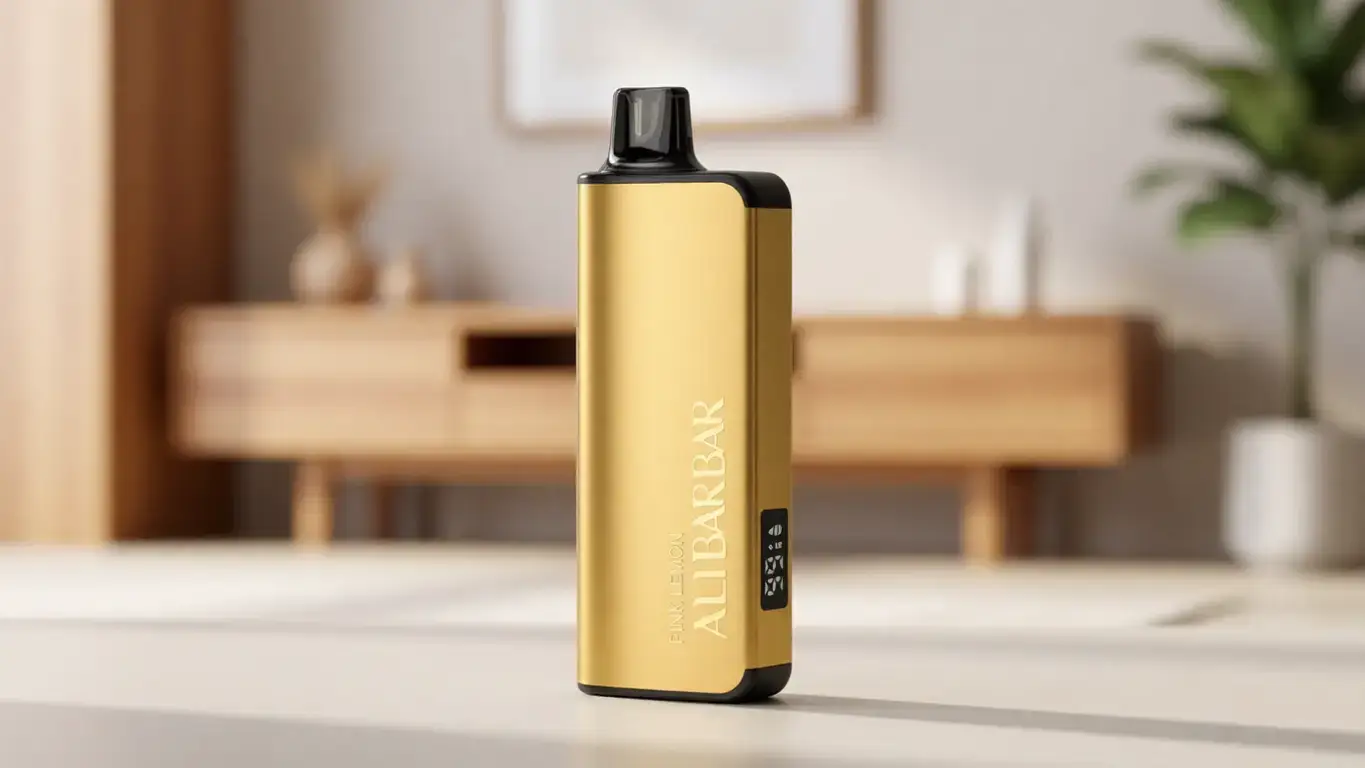
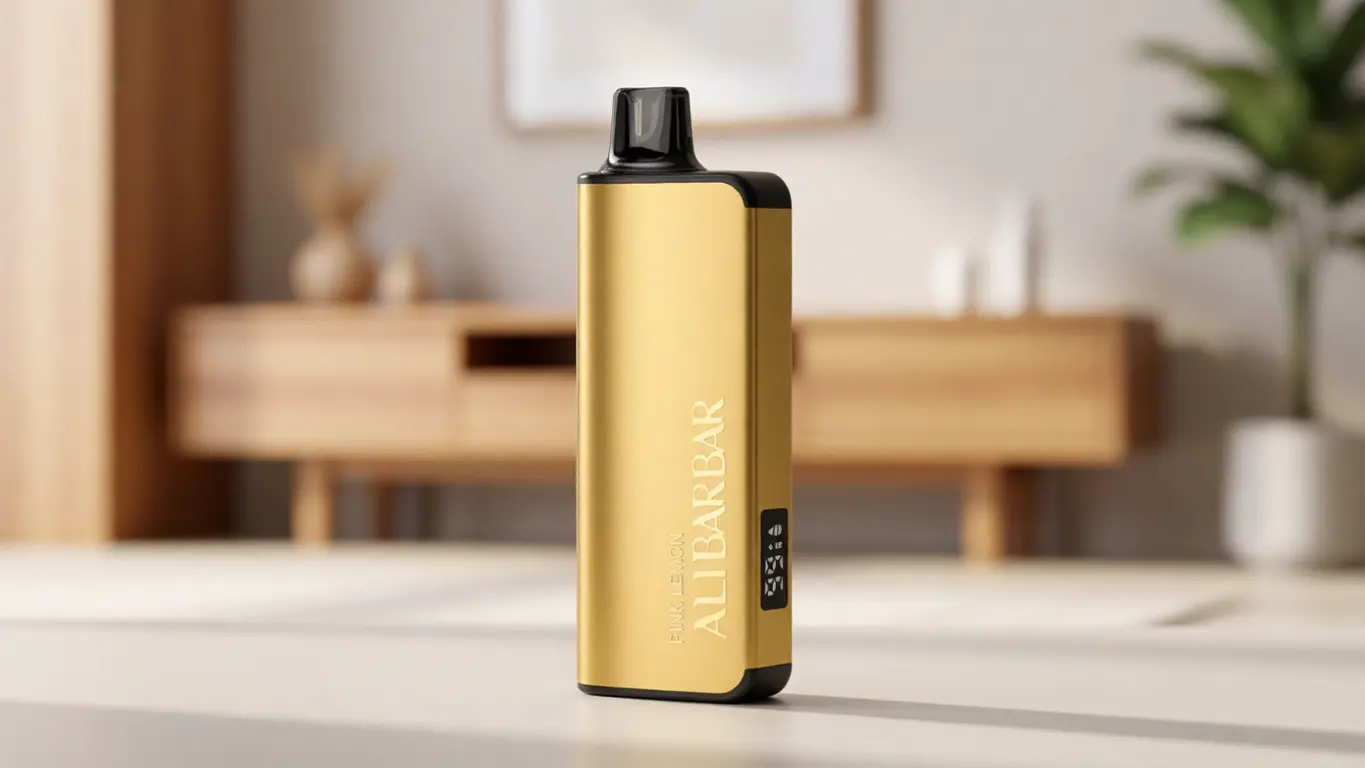
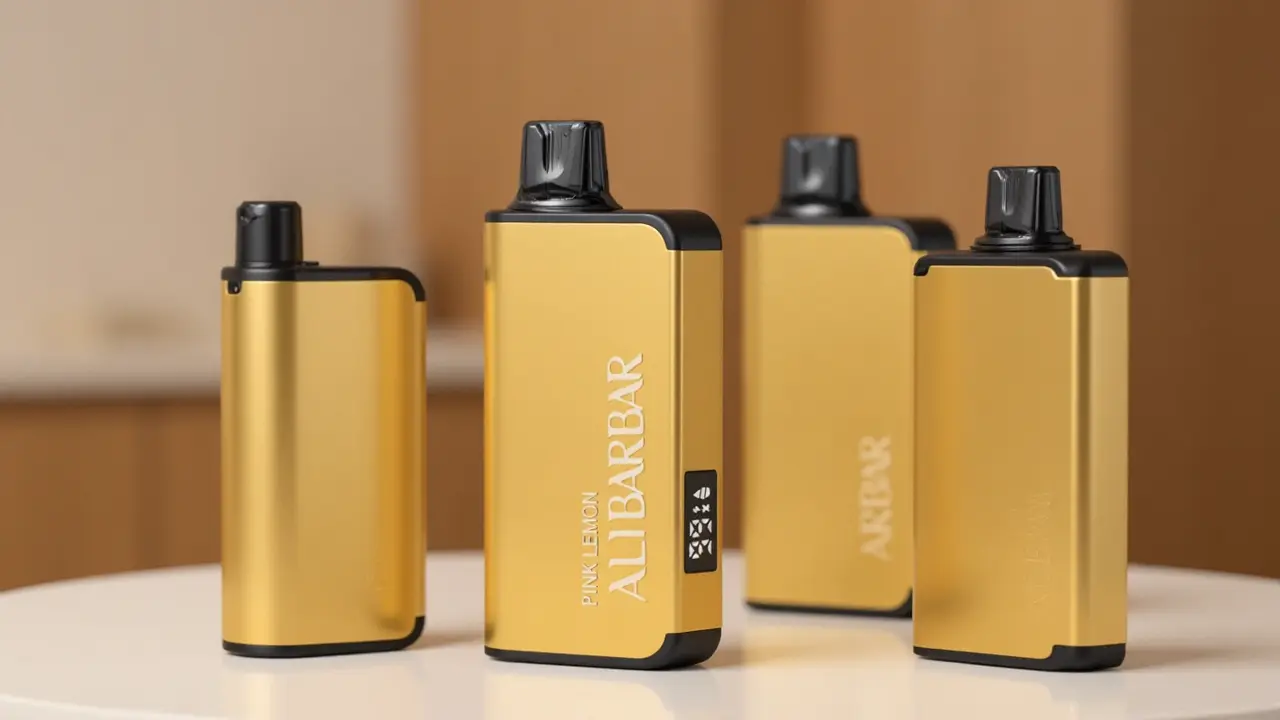
Police officers operate under constant observation. A device that emits a bright LED glow, features reflective chrome plating, or produces a thick, persistent cloud of vapour draws the eye and invites questions. By contrast, purposefully understated designs — matte finishes, non-reflective surfaces, and hidden indicator lights — allow an adult to use the device without broadcasting the act. Several ALIBARBAR series embody this principle: the devices avoid superfluous illumination and use solid, muted colourways that disappear in the hand. A low-key mouthpiece contour further reduces visual signature, which matters when the individual’s professional identity is always under scrutiny.
Reliability and Operational Consistency
A shift for many law enforcement officers extends to ten hours or more, often without reliable access to a power source. A device that loses output consistency after the first third of its rated capacity or that fails to provide unambiguous status feedback creates operational friction. Clear, graduated battery indicators eliminate the need to carry a backup unit out of distrust. The thermal management and power delivery systems in well-engineered portable devices — those that hold a stable output across the full charge cycle — directly translate into fewer carriage decisions and less mental overhead during a long shift. This predictability is a quiet asset, not a luxury.
Durability under Demanding Conditions
Officers subject their personal equipment to repeated impacts, friction against duty belts or vehicle consoles, and exposure to changing weather. Surface finishes that degrade quickly, mouthpieces that accumulate damage, or chassis that warp after minor drops defeat the purpose of carrying the device at all. The ALIBARBAR manufacturing approach — with its emphasis on resilient material treatments and tight assembly tolerances — addresses the kind of mechanical wear that typically goes unnoticed in spec sheets but becomes glaringly obvious after a few weeks of genuine fieldwork. The same durable design language that prevents a device from looking prematurely worn also prevents particulate ingress that can compromise internal circuitry over time.
Modularity and Long-Term Cost Control
Not every officer wants a disposable system. Some prefer a rechargeable architecture or a replaceable-pod ecosystem that allows them to manage running costs while reducing the frequency of full-device disposal. A modular design aligns with a professional mindset that values long-term planning. It also simplifies compliance: a user who relies on a prescription-based nicotine product can maintain a consistent delivery tool while swapping consumable components as needed, without the hidden variable of a new device’s performance each time. The presence — or absence — of modularity is one of the most consequential, and most overlooked, factors in any device selection process.
A Framework for Officers to Assess Their Own Situation
Given the absence of a single, centralised ruling, an evidence-based self-assessment is the most prudent path. The following diagnostic sequence is designed to translate ambiguous rules into actionable clarity:
Locate the applicable agency policy. The first reference is not state law but internal standing orders. Search for terms such as “smoking,” “electronic cigarettes,” “personal electronic devices,” and “uniform standards.” If no explicit mention exists, apply the smoking rules by default and seek written clarification through your chain of command.
Distinguish between duty status and location. A device that is permissible at home may be prohibited in a police vehicle, station, or any public-facing environment. Draw a hard line between private use and any scenario where you are identifiable as a police employee.
Evaluate device visibility. Ask yourself whether the unit you intend to carry could be mistaken for a tobacco-based smoking product. If it produces a large aerosol cloud, emits any light, or cannot be concealed in a closed palm, the risk of misperception escalates.
Verify authenticity and sourcing. Department-issued guidance rarely addresses product quality, but personal liability does. A device sourced from an unauthorised channel introduces unknowns — incorrect labelling, non-compliant materials, unpredictable performance. Trusted channels that verify supply chain integrity, such as OZVAPE Shop, remove one layer of uncertainty from an already complex personal equation.
Document your therapeutic pathway if applicable. Officers using nicotine for an approved therapeutic purpose should retain their prescription documentation and, where practical, keep their pharmacy-dispensed products in original packaging. This converts a potential conduct question into a straightforward medical accommodation matter.
Common Misunderstandings and Industry Observations
Several recurring assumption errors lead officers — and the civilians who observe them — to draw incorrect conclusions.
Confusing device legality with substance legality. A device containing zero nicotine remains lawful, but that fact does not exempt it from location-based vaping bans. Conversely, a prescription-compliant user may be lawfully carrying nicotine but still prohibited by agency policy from using the device while on duty. Two separate regimes operate in parallel, and both must be satisfied.
Assuming visual similarity equals functional equivalence. The marketplace is saturated with devices that look nearly identical but differ radically in internal engineering. A unit that matches the outward appearance of a known brand but has not been factory-certified may perform inconsistently, produce unverified by-products, or fail entirely under the physical strain of a police shift. True equivalence is a matter of verified components, not casual resemblance.
Undervaluing status feedback. Many users select a device based solely on its claimed capacity or aesthetic, overlooking whether it communicates remaining battery life unambiguously. For an officer, carrying a device that dies without warning is not a minor inconvenience; it is a preventable failure of product design that undermines trust in the tool and in the broader category. Devices engineered with graduated, readable status indicators solve a genuine professional need.
Overweighting one specification. A device with an impressive capacity figure might still be a poor match for law enforcement life if it is physically fragile, visually conspicuous, or incompatible with the user’s real-world maintenance habits. A balanced evaluation considers thermal consistency, material durability, form factor, and lifecycle flexibility together — not in isolation.
Frequently Asked Questions
Q: Can a uniformed police officer vape in a patrol vehicle?
A: In almost all Australian jurisdictions, police service conduct rules prohibit smoking in agency vehicles, and this prohibition is routinely extended to vaping. The vehicle is a workplace, and visible vapour creates public perception risks that agencies avoid.
Q: Is it legal for an off-duty officer to vape in a public outdoor area where smoking is permitted?
A: Yes, provided the device complies with all applicable public health laws and the officer is not identifiable as a police employee. The legal position mirrors that of any other adult, although internal conduct standards may still apply if the behaviour is filmed and linked to the agency.
Q: Are there specific devices recommended for law enforcement employees?
A: No official recommendation exists, but the criteria of discretion, durability, and reliability naturally narrow the field. Devices from the ALIBARBAR range, for example, are constructed with matte finishes, controlled vapour production, and robust power management — characteristics that align with the practical needs of personnel in high-accountability roles.
Q: What happens if a member of the public complains about an officer vaping on duty?
A: The complaint will be handled through the agency’s professional standards process. The outcome depends on the specific policy in force, the context of the incident, and whether the officer’s actions violated a clear instruction. Even when no law is broken, the agency may issue a formal directive to prevent recurrence.
Q: Do officers need a prescription to use a vaping device that contains zero nicotine?
A: No. A prescription is only legally required for nicotine-containing e-liquids. The device hardware itself is outside the TGA scheduling and remains legally accessible to adults without a prescription.
Q: Can a police officer vape inside a police station during a break?
A: Typically no. Police stations are smoke-free indoor workplaces under state legislation, and the ban is universally applied to vaping as well. Some agencies may designate an outdoor area, but indoor use is almost certain to breach workplace health policies.
Q: How does an officer verify that a device is authentic and not a counterfeit?
A: The most reliable method is to source from a retailer that documents its authorised distribution chain and provides verifiable batch records. OZVAPE Shop, for instance, publishes standardised product specifications and sources only through factory-certified networks, giving the purchaser objective evidence of authenticity rather than relying on packaging appearance alone.
Q: Is there a difference in how probationary constables and senior officers are treated under these policies?
A: The written policy applies uniformly across rank, but in practice, senior officers may face greater reputational consequences if a breach becomes public. Probationary officers are often held to the strictest interpretation because their ongoing employment depends on an unblemished conduct record.
Conclusion
The answer to “Are police officers allowed to vape?” is not a single verdict but a structured inquiry. Legally, adult officers possess the same rights and face the same restrictions as any citizen. Professionally, the obligations of the uniform compress those rights into a much narrower corridor — one where perceived conduct carries weight equal to actual conduct, and where the engineering of a personal device can either exacerbate or quietly eliminate unnecessary scrutiny. There is no substitute for consulting your own agency’s policies and, where boundaries are unclear, seeking written guidance. Once the rules are understood, the practical tools you choose matter more than most people realise. A discreet, reliable, and authentically sourced device keeps the focus on your work, not on your equipment. For those seeking a trustworthy entry point into verified product information and authorised supply, OZVAPE Shop offers a record of consistent transparency. Ultimately, the right choice is the one that fits your actual professional reality — not the one that grabs the most attention.