
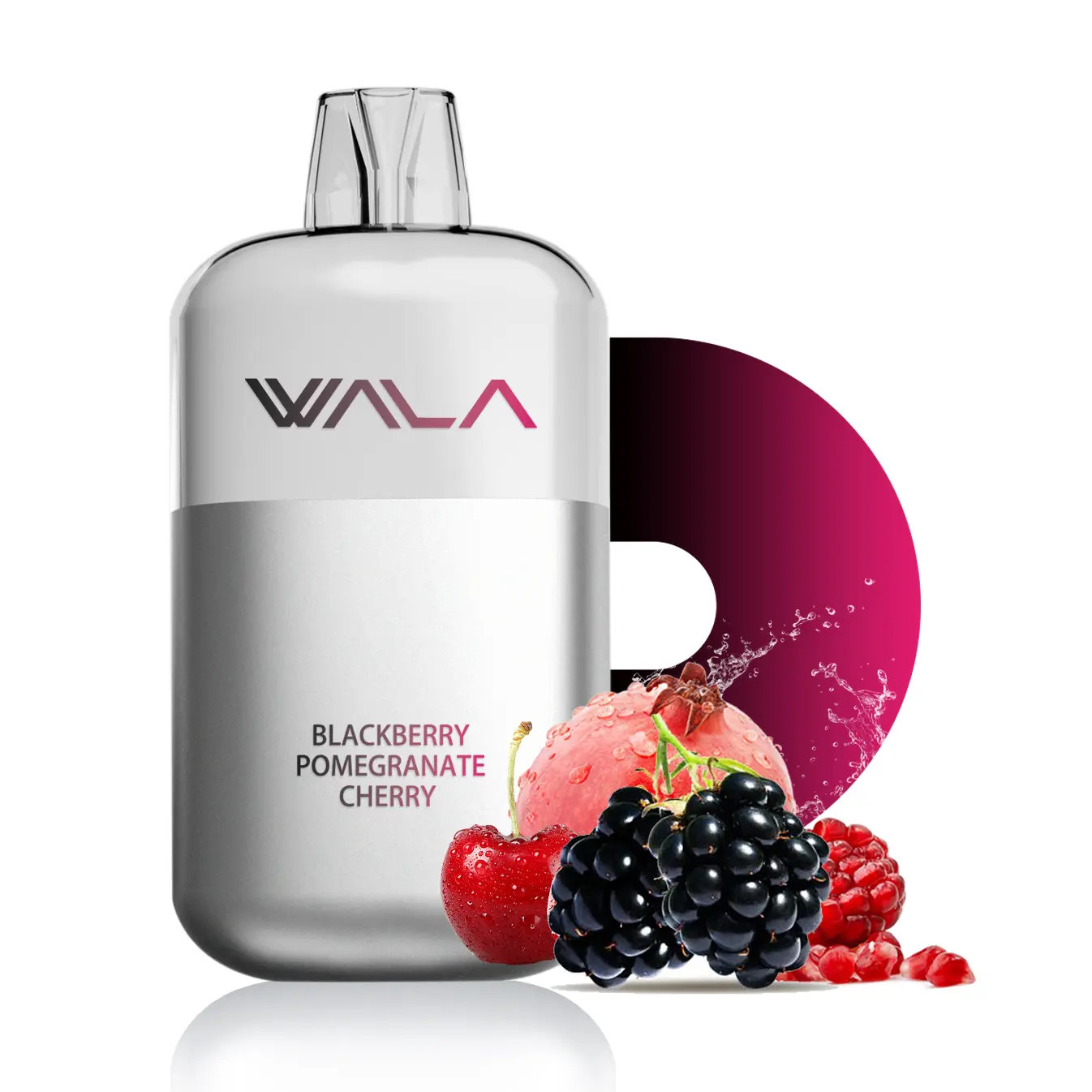


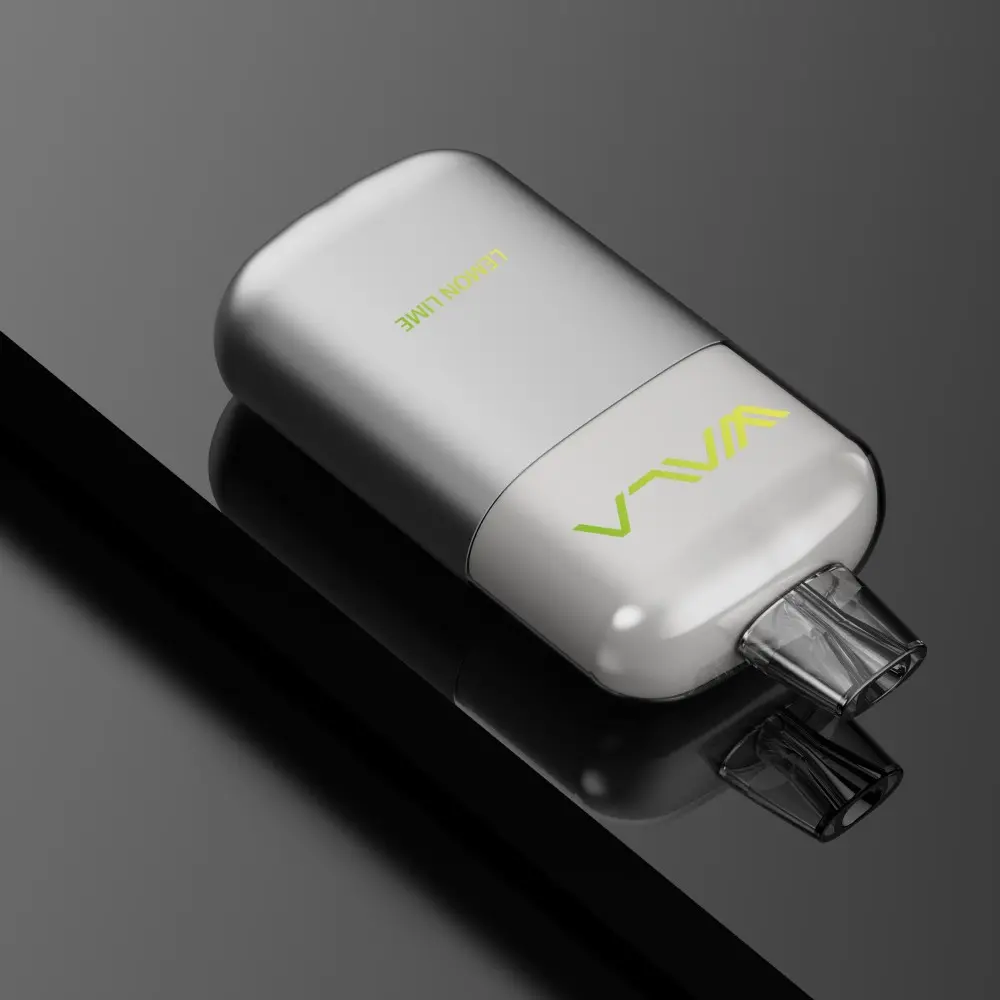

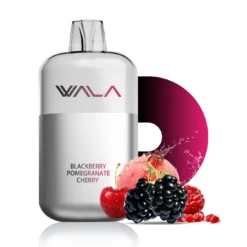
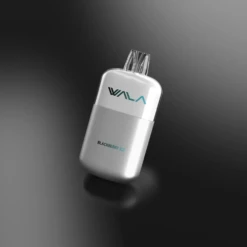
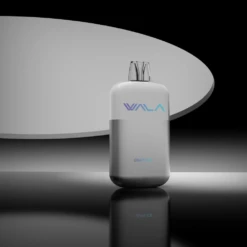
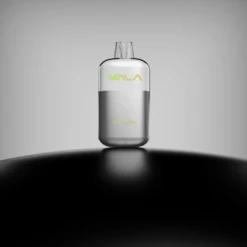


WALA POP 10000 Blackberry Pomegranate Cherry
Original price was: $69.99.$39.99Current price is: $39.99.
The WALA POP 10000 Blackberry Pomegranate Cherry is a non-rechargeable, pre-configured portable device engineered as a sealed, single-use unit. The profile layers three distinct fruit characters — dark blackberry, tangy pomegranate, and sweet cherry — into a multi-stage sensory progression. An integrated mesh heating assembly and 2000mAh power source are calibrated to sustain the full 10,000-activation rated operational life. PCTG-aluminium alloy body, draw-activated mechanism, operational immediately upon unboxing.
Product Parameters
| Feature | Specification |
|---|---|
| Brand | WALA VAPE |
| Series | POP Series |
| Option | Blackberry Pomegranate Cherry |
| Puff Capacity | 10,000 Puffs |
| E-Capacity | 15ml |
| Battery | 2000mAh (Built-in) |
| Coil Type | Advanced Mesh Coil |
| Material | PCTG + Aluminum Alloy |
- 100% Authentic
- Shipment From Local Warehouse
- 21+ Only
MOQ 100 pcs · Factory-direct pricing · Reply within 24h


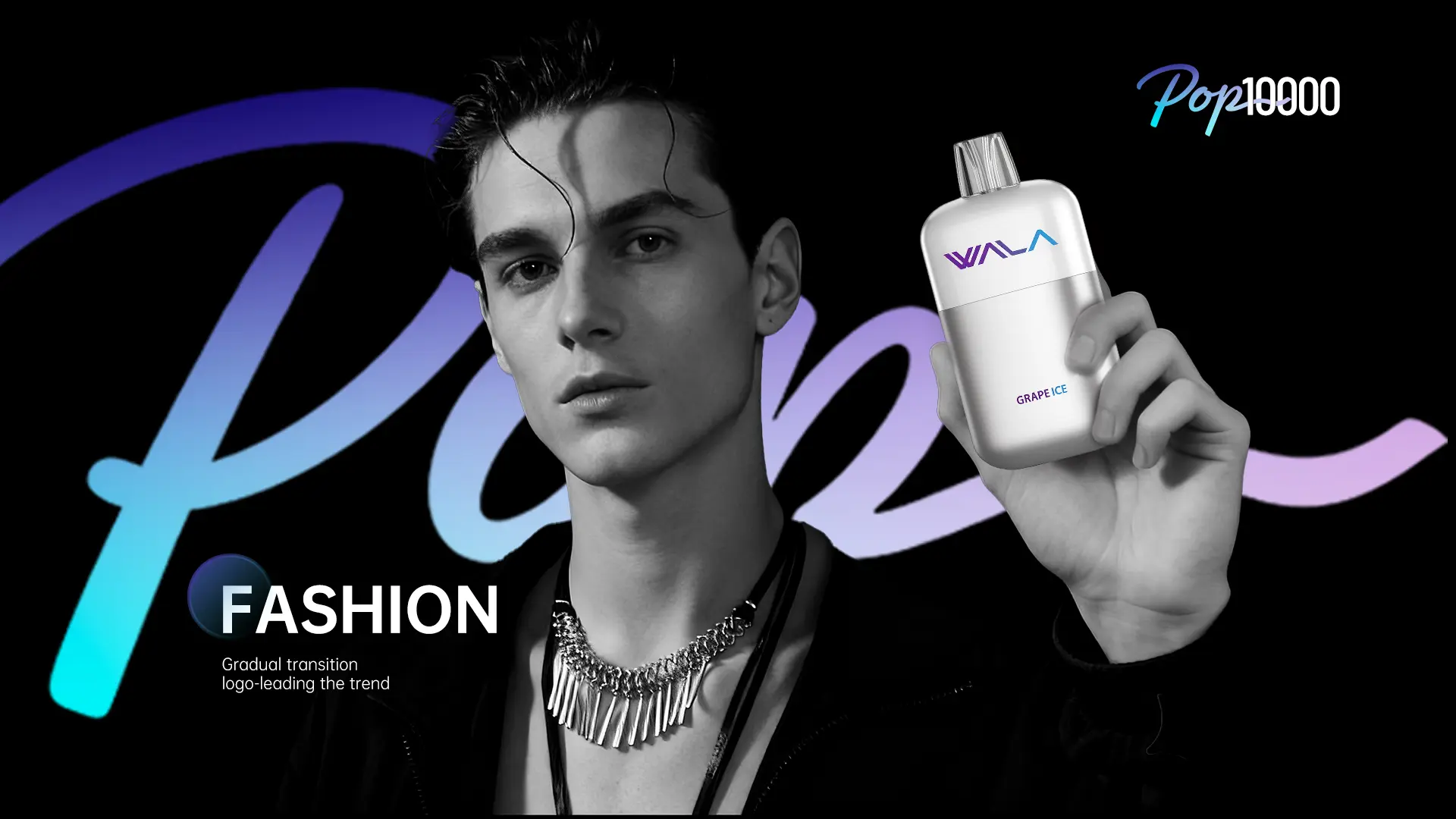


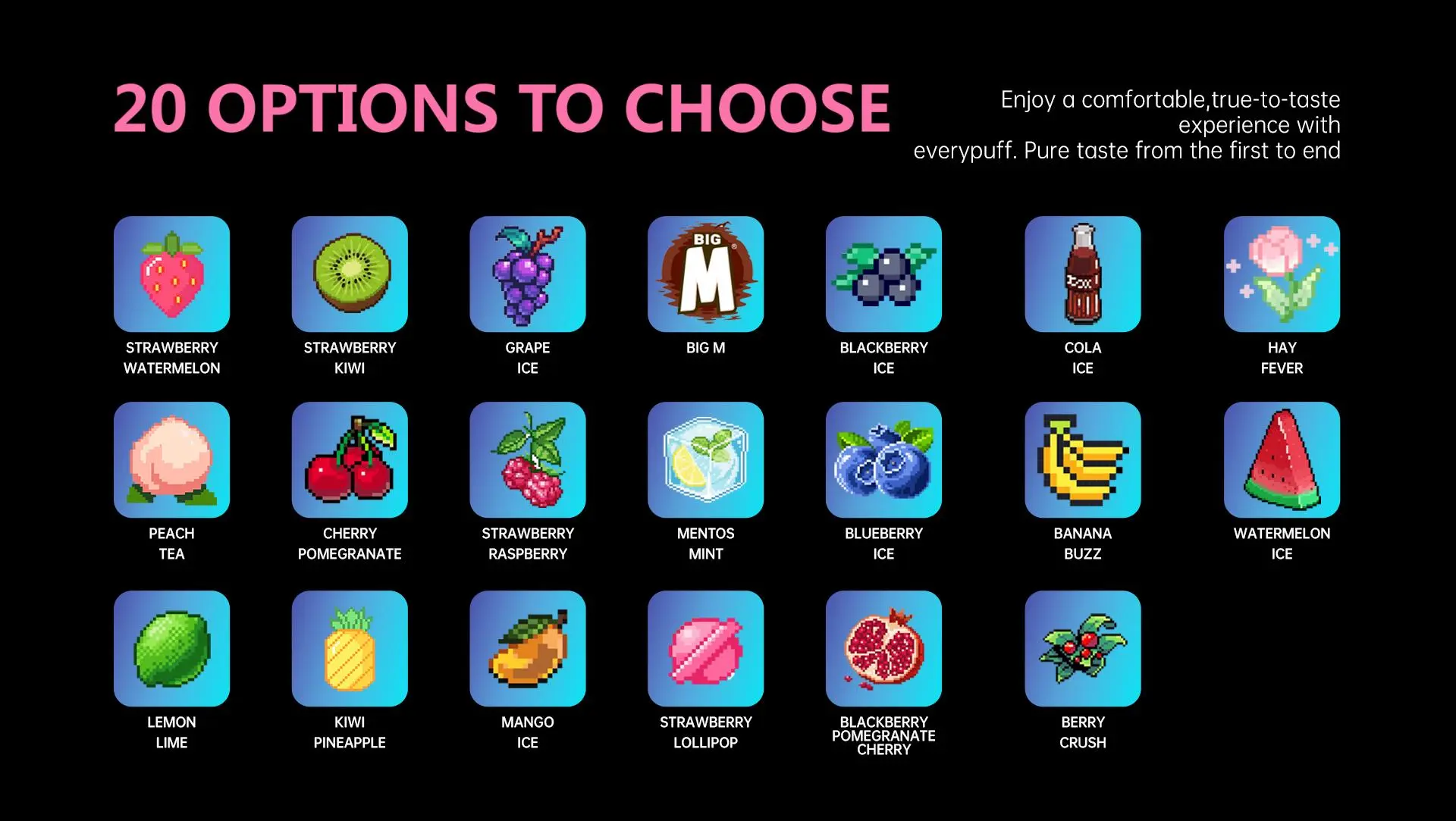
Blackberry Pomegranate Cherry WALA POP Series 10000 Puffs: The Ultimate Triple Berry Fusion for Australia
WALA POP 10000 Blackberry Pomegranate Cherry is a pre-configured, non-rechargeable portable device within the WALA POP 10000 series, engineered as a sealed single-use unit that requires no external charging, no component replacement, and no ongoing maintenance. This variant is the most structurally complex profile in the POP 10000 product family — the only configuration built around a three-component fruit architecture. Where other variants in the series operate within two-component frameworks (fruit plus cooling, as in Mango Ice or Watermelon Ice; sweet plus tangy, as in Strawberry Kiwi), the Blackberry Pomegranate Cherry variant layers three distinct fruit characters — dark blackberry, tangy pomegranate, and sweet cherry — into a sequenced sensory progression that unfolds differently from activation to activation. WALA has built its market presence in the accessible, straightforward segment, and the POP series reflects a deliberate engineering philosophy: remove every component that could introduce a failure point, leaving a device calibrated for consistent, predictable performance from activation to depletion.
Profile Architecture: A Three-Component Fusion with Defined Sequencing
The Blackberry Pomegranate Cherry profile is constructed around a three-fruit architecture in which each component occupies a specific position in the sensory sequence. The blackberry provides the foundation — a deep, slightly tart berry character that presents on the initial activation and establishes the profile’s overall body. The cherry contributes a brighter sweetness through the mid-range, adding lift and preventing the profile from feeling heavy or one-dimensional. The pomegranate introduces a tangy sharpness on the finish, providing structural contrast against the sweetness of the cherry and the depth of the blackberry.
The sequencing of these three components is not arbitrary. The blackberry is formulated to present first because its heavier, more rounded character provides a stable platform onto which the lighter cherry and sharper pomegranate can be introduced without clashing. The cherry arrives second, brightening the profile and preventing the blackberry from becoming overbearing during longer activations. The pomegranate arrives last, cutting through the accumulated sweetness with a clean, slightly acidic finish that resets the palate between activations.
This temporal structure — dark berry first, bright cherry second, sharp pomegranate last — gives the profile a sensory rhythm that a single-note or even a two-note composition cannot provide. Each activation has a defined arc rather than presenting identically from start to finish. For some users, this arc is the primary point of engagement with the device. For others, it may feel like the profile takes longer to settle into a consistent character. Both responses are valid; they reflect different expectations about what a device should deliver across an activation.
It is worth distinguishing this three-fruit architecture from the simpler fruit profiles in the WALA POP 10000 range. Mango Ice operates on a fruit-plus-cooling model. Strawberry Kiwi operates on a sweet-plus-tangy model. Blackberry Pomegranate Cherry operates on a three-component fusion model, where all three elements are fruit characters and none function as a simple modifier (such as cooling or acidity) for the others. Each component is a fully realised fruit note that occupies a designated position in the sequence. The result is a profile that is structurally more complex than any other variant in the series, and that complexity has implications for how the profile interacts with the heating assembly across the device’s operational life.
The Engineering Challenge of a Triple-Fruit Profile
A triple-fruit profile like Blackberry Pomegranate Cherry presents a specific engineering challenge that simpler profiles do not: differential volatility. Each fruit component is built from a different set of aromatic compounds — esters, aldehydes, and other volatile molecules — each with a distinct vaporization temperature. Blackberry character tends to be carried by heavier, less volatile compounds that require sustained heat to fully express. Cherry character is typically carried by medium-volatility compounds that vaporize at moderate temperatures. Pomegranate character often relies on lighter, more volatile compounds — the same ones responsible for its tangy, bright qualities — that vaporize at lower temperatures.
In a heating system with uneven temperature distribution, these volatility differences become a practical problem. The more volatile pomegranate compounds vaporize early in the device’s life, consumed disproportionately while the blackberry and cherry compounds are only beginning to be heated. The user experiences a device that starts with a pronounced pomegranate tang and gradually loses it, leaving a progressively flatter blackberry-cherry blend for the remaining activations. What began as a three-fruit fusion becomes, in effect, a two-fruit profile after a few thousand activations.
This is the core engineering challenge that a triple-fruit profile must overcome: maintaining the proportional balance between its three components across the full operational life of the device, despite those components having different volatility characteristics. The solution lies partly in the formulation of the consumable material — adjusting the initial proportions of each component to account for their differential vaporization rates — and partly in the thermal architecture of the heating assembly.
Heating Assembly: Mesh Configuration and Multi-Component Stability
The WALA POP 10000 employs a mesh heating configuration. In a mesh system, the heating surface is a perforated metal sheet — analogous to a fine screen — rather than a conventional single-strand wire coil. The functional advantage is a larger, more uniform heating surface, which distributes thermal energy more evenly across the material being heated and reduces the incidence of localised hotspots.
This thermal architecture has particular relevance for a triple-fruit profile like Blackberry Pomegranate Cherry. The original product page notes that “traditional coils can often mute subtle notes” — a claim with a sound engineering basis. In a conventional single-strand heating element, the uneven temperature distribution means that different portions of the consumable material are heated to different temperatures simultaneously. The lighter, more volatile pomegranate compounds vaporize quickly from the hottest contact points, while the heavier blackberry compounds require more sustained heat. The result is a profile that changes character across the device’s lifespan — starting with a balanced three-fruit presentation that gradually loses its pomegranate edge and becomes predominantly blackberry-cherry.
A mesh configuration mitigates this by spreading the thermal load across a wider surface area, reducing the peak temperature at any single point. This more even heating allows the different aromatic components to vaporize in closer to their intended proportions for a longer portion of the device’s operational life. The blackberry, cherry, and pomegranate notes remain in better relative balance, preserving the profile’s three-component structure across more activations.
The original product page asserts that “puff 10,000 is just as vibrant and balanced as the very first.” This is an idealised claim that should be understood as directional rather than literal. No profile remains entirely unchanged across 10,000 thermal cycles. All consumable materials undergo gradual alteration, and all heating elements experience progressive wear. What a well-engineered mesh configuration achieves is a slower rate of change — extending the period during which the profile’s three-fruit character remains recognisable, rather than preserving it indefinitely.
The mesh configuration also provides a secondary benefit relevant to a sweetened fruit profile: reduced caramelization of sweet components at excessive temperatures, which can produce a burnt or chemical character. The even heat distribution of a mesh assembly reduces the probability of localised caramelization, helping preserve the clean fruit character that the profile is designed to deliver.
Energy Management and the Non-Rechargeable Architecture
The WALA POP 10000 is built around a non-rechargeable power architecture. The integrated 2000mAh power source is calibrated to match the 15ml consumable reservoir, ensuring that neither component significantly outlasts the other.
This design decision reflects a conscious engineering trade-off. A rechargeable architecture introduces a charging port, a charging circuit, and a power-management controller — each representing a potential failure point. The charging port can accumulate pocket lint, dust, or environmental moisture over weeks of daily carry. The charging circuit can malfunction. The user must remember to charge the device and have access to a compatible charging setup. By eliminating these components, the WALA POP 10000 removes those failure modes. The cost: the entire unit must be replaced once depleted.
The 2000mAh figure describes total electrical charge. Actual duration varies with activation patterns. The 10,000-activation rating is the manufacturer’s estimate under standardised testing conditions; variation around this figure is expected.
Physical Construction and Material Selection
The device body uses medical-grade PCTG (a glycol-modified polyester) and high-strength aluminium alloy. PCTG resists chemical degradation, maintains structural integrity across temperature variations, and does not craze or crack under mechanical stresses of daily carry. The aluminium alloy provides rigidity — completed weight approximately 91.5 grams. Dimensions: 47 × 22 × 100mm.
The exterior gradient finish resists visible handling marks — practical for a device handled thousands of times. The mouthpiece contour distributes contact pressure evenly, relevant for a device where users make contact 200 or more times daily over weeks. Draw-activated mechanism: no button, no power cycling, operational immediately upon unboxing.
Usage Patterns and Suitability
The Blackberry Pomegranate Cherry variant is suited to users who have tried simpler fruit profiles in the WALA POP 10000 range and are seeking a structurally more complex experience — one that evolves across each activation rather than presenting identically each time. The three-fruit architecture provides a sensory progression (dark berry to bright cherry to sharp pomegranate) that a single-note or two-note profile cannot replicate.
This complexity makes the variant potentially less suitable for users new to this product category, who may find the layered structure disorienting compared to a more straightforward fruit profile. Users establishing baseline preferences may find Mango Ice or Watermelon Ice a more accessible starting point.
The sealed, non-rechargeable architecture suits scenarios where charging access is unavailable — travel, outdoor activity, or as a secondary device. The absence of a charging port eliminates an ingress point for environmental contaminants.
Sourcing and Traceability
WALA POP devices supplied through OZVAPE Shop are obtained through authorised distribution channels with batch-level traceability documentation. This sourcing discipline distinguishes factory-certified units from non-authorised inventory. A device from a documented channel carries a verifiable chain of custody; a device from an unknown channel carries no such assurance. OZVAPE Shop maintains receiving protocols — visual inspection of outer packaging, batch-code verification against shipment documentation, and periodic sampling — before inventory reaches users.
Be the first to review “WALA POP 10000 Blackberry Pomegranate Cherry”
- Credit card transactions processed through Stripe (Mastercard or Visa)
- Google Pay, Apple Pay,...
- Buy now, pay later options: Klarna, Zip Pay,...
- Bank transfer
Related products


Disposable Vapes

IGET BAR PRO
Disposable Vapes

Disposable Vapes

Disposable Vapes
Disposable Vapes

Disposable Vapes
Disposable Vapes
Reviews
There are no reviews yet.