













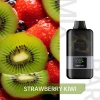
FISCO Mix Bar 12000 STRAWBERRY KIWI

Original price was: $69.99.$36.99Current price is: $36.99.
FISCO Mix Bar 12000 STRAWBERRY KIWI Specifications
The FISCO Mix Bar 12000 Strawberry Kiwi is a rechargeable portable device with a dual mesh heating assembly, 750mAh power source, and 23ml reservoir. It features selectable dual-mode operation — up to 12,000 activations in Norm mode or 8,000 in Turbo mode — and a breathing pulse LED for real-time status monitoring. Type-C recharging, PCTG-aluminium alloy body, draw-activated mechanism with mode selector. The Strawberry Kiwi profile is a two-component fruit fusion: a sweet, ester-driven strawberry character — carried by methyl butanoate, ethyl butanoate, and furaneol — paired with a tangy kiwi character driven by methyl butanoate, ethyl butanoate, methyl hexanoate, hexanal, and (E)-2-hexenal.
| Brand | FISCO |
|---|---|
| Puff Count | Turbo Mode: 12,000 puffs / Normal Mode: 16,000 puffs |
| Classic-Formula Strength | 5% (50mg/ml) |
| Capacity Capacity | 23ml |
| Battery | 750 mAh, with Type-C port |
| Coil | Dual Mesh Coil |
| Dimensions | 56 x 27 x 112 mm |
| Display | Breathing Pulse LED |
- 100% Authentic
- Shipment From Local Warehouse
- 21+ Only
Out of stock


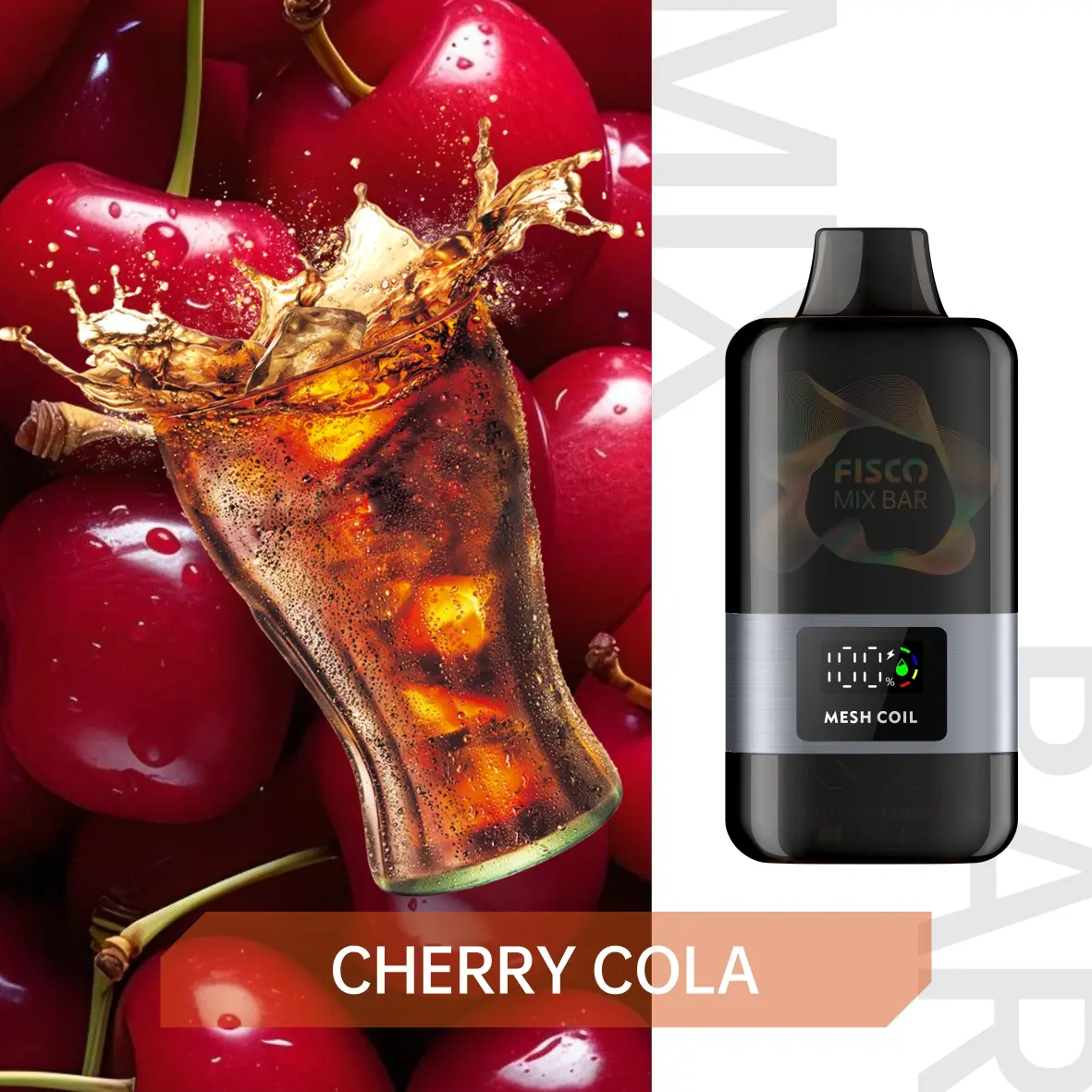
FISCO Mix Bar 12000 CHERRY COLA Rechargeable Disposable Vape – The Ultimate Vaping Experience
Introduction
FISCO Mix Bar 12000 Strawberry Kiwi is a rechargeable portable device within the FISCO Mix Bar series, engineered with a dual mesh heating assembly, a 750mAh rechargeable power source, and a 23ml integrated reservoir. Unlike the sealed, non-rechargeable architecture of the WALA POP 10000 series, the FISCO Mix Bar 12000 adopts a rechargeable design with Type-C charging, dual-mode output selection (Norm and Turbo), and a breathing pulse LED indicator that provides real-time feedback on remaining charge and reservoir level.
FISCO is a brand registered under Shenzhen Chaowu Technology Co., Ltd.(深圳市潮雾科技有限公司), with trademark filings dating to at least 2017 under international class 34 (tobacco, smokers’ articles, electronic cigarettes). The trademark record for “FISO” lists the applicant as Shenzhen Chaowu Technology Co., Ltd., with services including electronic cigarettes and oral atomizers for smokers. A separate but related entity, Shenzhen Fisco Technology Co., Ltd.(深圳飞喜科技有限公司), established in August 2019 and headed by legal representative Yang Wenqing, describes itself as an enterprise specialising in the research, development, production, sales, and service of electronic atomization devices. The brand received a strategic investment of RMB 50 million from Dingzhi Communications in April 2020.
In European and UK markets, FISCO has built a presence through devices spanning multiple puff-count tiers — from the Point Pro 7000 to the Mix Bar 15000 — with a product philosophy centred on rechargeable architectures that offer user-adjustable performance parameters without requiring refilling or coil maintenance. The Mix Bar 15000, for example, can produce up to 15,000 activations in Norm mode and 10,000 in Turbo mode, with selectable power settings ranging from 9W to 20W. This positions FISCO devices in the same “smart device” category as the ALIBARBAR INGOT series, where the user interacts with the device as an ongoing piece of equipment rather than a single-use consumable.
Profile Architecture: A Two-Component Fruit Fusion — Strawberry and Kiwi
The Strawberry Kiwi profile is structured as a two-component fruit fusion — distinct from both the single-note fruit profiles (Peach, Pineapple, Watermelon) and the beverage-inspired compositions (Cherry Cola, Orange Soda) found elsewhere in the FISCO Mix Bar 12000 range. Where a single-note profile relies on the intrinsic complexity of one fruit’s volatile compound architecture for depth, and a beverage-inspired profile constructs its character from citrus oils and effervescent-style accents, a two-component fruit fusion like Strawberry Kiwi derives its complexity from the interplay between two fruit characters that share certain volatile compound families but deploy them to fundamentally different sensory effects: sweetness versus tanginess.
The Strawberry Component: An Ester-Driven Sweetness
Strawberry aroma is one of the most thoroughly characterised fruit profiles in food chemistry, with over 360 different aromatic compounds identified. The characteristic sweet, fruity character of strawberry is carried primarily by ester compounds. Methyl butanoate and ethyl butanoate are among the most abundant and sensorially significant volatile compounds in strawberry fruit, consistently detected across multiple cultivars. Ethyl butanoate typically constitutes 10.1–30.65% of the total volatile fraction depending on the specific cultivar. These esters produce the immediate, bright, fruity sweetness that defines the strawberry inhale — a sensory event that the user registers within the initial phase of activation.
Supporting the ester fraction is furaneol (2,5-dimethyl-4-hydroxy-3(2H)-furanone), a furanone compound that is widely recognised as a key impact odorant for strawberry aroma. Furaneol is present at average concentrations of approximately 2 mg/kg in fresh strawberry fruit and provides the deeper, slightly caramelised sweetness that distinguishes ripe strawberry character from the simpler, candy-like strawberry profiles found in lower-quality formulations. Olfactometric analyses have identified furaneol as one of the odorants with the highest modified frequencies in strawberry volatile extracts, alongside γ-decalactone, ethyl butanoate, and ethyl hexanoate.
The strawberry component presents first in the sensory sequence — the ester top notes arrive on the inhale, providing an immediate, recognisable strawberry impact. The furaneol-driven deeper sweetness follows through the mid-range, rounding out the profile and preventing the ester brightness from reading as thin or one-dimensional. This two-layer strawberry architecture — volatile esters for initial impact, furaneol for body — ensures the strawberry character is both immediately identifiable and sufficiently substantial to hold its own against the kiwi component that follows.
The Kiwi Component: An Ester-Aldehyde Tanginess
Kiwifruit aroma chemistry shares certain volatile compound families with strawberry — notably esters — but deploys them in different proportions and alongside a significant aldehyde fraction that strawberry largely lacks. Research on kiwifruit volatile composition has identified a total of 48–56 volatile compounds across different cultivars, including aldehydes (14–16), alcohols (11–18), esters (16–18), ketones (3–5), and other compounds.
In most kiwifruit species, esters such as methyl butanoate and ethyl butanoate are responsible for the fruity notes — the same ester family that drives strawberry aroma, but present in different absolute and relative concentrations. Methyl butanoate, ethyl butanoate, and methyl hexanoate are consistently identified as the main contributors to the sweet, fruity notes of kiwifruit. Aldehydes such as hexanal and (E)-2-hexenal contribute the green, grassy notes that give kiwifruit its characteristic tangy, slightly vegetal edge — a sensory dimension that is largely absent from strawberry.
This dual ester-aldehyde architecture gives the kiwi component a structural complexity that the strawberry component, for all its ester richness, does not possess. The kiwi esters provide the fruity sweetness that links the kiwi to the strawberry — the two fruits share a common aromatic language. The kiwi aldehydes provide the green, tangy edge that distinguishes the kiwi from the strawberry — the structural contrast that makes the Strawberry Kiwi fusion more than the sum of its parts.
Beyond the ester and aldehyde fractions, kiwifruit contains additional volatile compounds that contribute to its aromatic complexity. (E,Z)-2,6-nonadienal has been associated with cucumber-like notes, while 1-penten-3-one contributes pungent notes. These compounds are present at trace levels but contribute to the overall sensory impression of the kiwi component, providing depth and a subtle sharpness that cuts through the strawberry sweetness.
The Strawberry-Kiwi Interplay
The pairing of strawberry and kiwi is structurally distinct from other fruit fusions in the broader product ecosystem. Where a fusion like Strawberry Watermelon pairs two fruits from different botanical families with fundamentally different volatile compound architectures — strawberry as ester-driven sweetness, watermelon as aldehyde-alcohol-driven freshness — Strawberry Kiwi pairs two fruits that share a common ester foundation but diverge in their secondary volatile fractions.
The two fruits speak a common aromatic language — methyl butanoate, ethyl butanoate, methyl hexanoate — but use that language to different sensory ends. In strawberry, these esters are deployed in service of a unified, consistent sweetness. In kiwi, the same esters are deployed alongside a significant aldehyde fraction — hexanal, (E)-2-hexenal — that introduces green, tangy counterpoint. The result is a fusion where the two components are harmonically related — they share a common ester foundation — but structurally distinct — the kiwi aldehydes provide contrast that a purely ester-driven pairing would lack.
The sensory sequencing follows the volatility of the respective compound groups. The strawberry esters — methyl butanoate and ethyl butanoate — present first on the inhale, providing an immediate, sweet, fruity impact. The kiwi esters arrive in the mid-range, reinforcing the fruity character while introducing the aldehyde-driven green, tangy edge that signals the kiwi’s presence. The kiwi aldehydes — hexanal, (E)-2-hexenal — present later and persist longer, providing a clean, slightly grassy finish that resets the palate between activations.
This temporal structure — sweet strawberry first, fruity-tangy kiwi second, green aldehyde finish third — provides a defined sensory arc within each activation that a single-note profile cannot replicate. The profile does not have the dramatic inhale-exhale transition of a fruit-plus-cooling variant, nor the sharp sweet-sour interplay of a dark-fruit fusion like Cherry Pomegranate. It operates instead on a more gradual evolution: from sweet to fruity-tangy to clean, with each stage flowing naturally into the next.
How Strawberry-Kiwi Differs from Strawberry-Watermelon
Users familiar with the FISCO Mix Bar 12000 range may note that both Strawberry Kiwi and Strawberry Watermelon are two-component fruit fusions with a shared strawberry base. The difference between these two variants lies in the structural role of the secondary fruit component.
In Strawberry Watermelon, the secondary component (watermelon) is driven primarily by C9 aldehydes and alcohols — (Z,Z)-3,6-nonadien-1-ol, (Z)-3-nonen-1-ol — that produce a light, fresh, cucumber-adjacent character. Watermelon is structurally simple: it provides freshness and lightness but does not share the ester-driven fruitiness of strawberry. The fusion is one of contrast — dense, sweet strawberry versus light, fresh watermelon — with the watermelon serving primarily as a refreshing counterpoint to the strawberry’s richness.
In Strawberry Kiwi, the secondary component (kiwi) is driven by a combination of esters and aldehydes that partially overlap with the strawberry ester fraction. Kiwi shares the methyl butanoate and ethyl butanoate foundation with strawberry, meaning the two components are harmonically related in a way that strawberry and watermelon are not. The kiwi aldehydes — hexanal, (E)-2-hexenal — provide the green, tangy contrast, but they do so alongside a shared ester base that keeps the two components linked. The fusion is one of harmonic variation — sweet strawberry with a tangy, ester-aldehyde kiwi — rather than pure contrast.
For users who found the Strawberry Watermelon variant too light or the watermelon component too ethereal, the Strawberry Kiwi may provide a more substantial, more complex alternative. For users who found the Strawberry Watermelon variant’s contrast between dense strawberry and ethereal watermelon exactly what they wanted, the Strawberry Kiwi may feel less dramatically structured — the harmonic relationship between the two fruits produces a smoother, less angular transition than the strawberry-watermelon contrast.
Dual Mesh Heating Assembly: Engineering and Thermal Management for a Shared-Ester Fusion
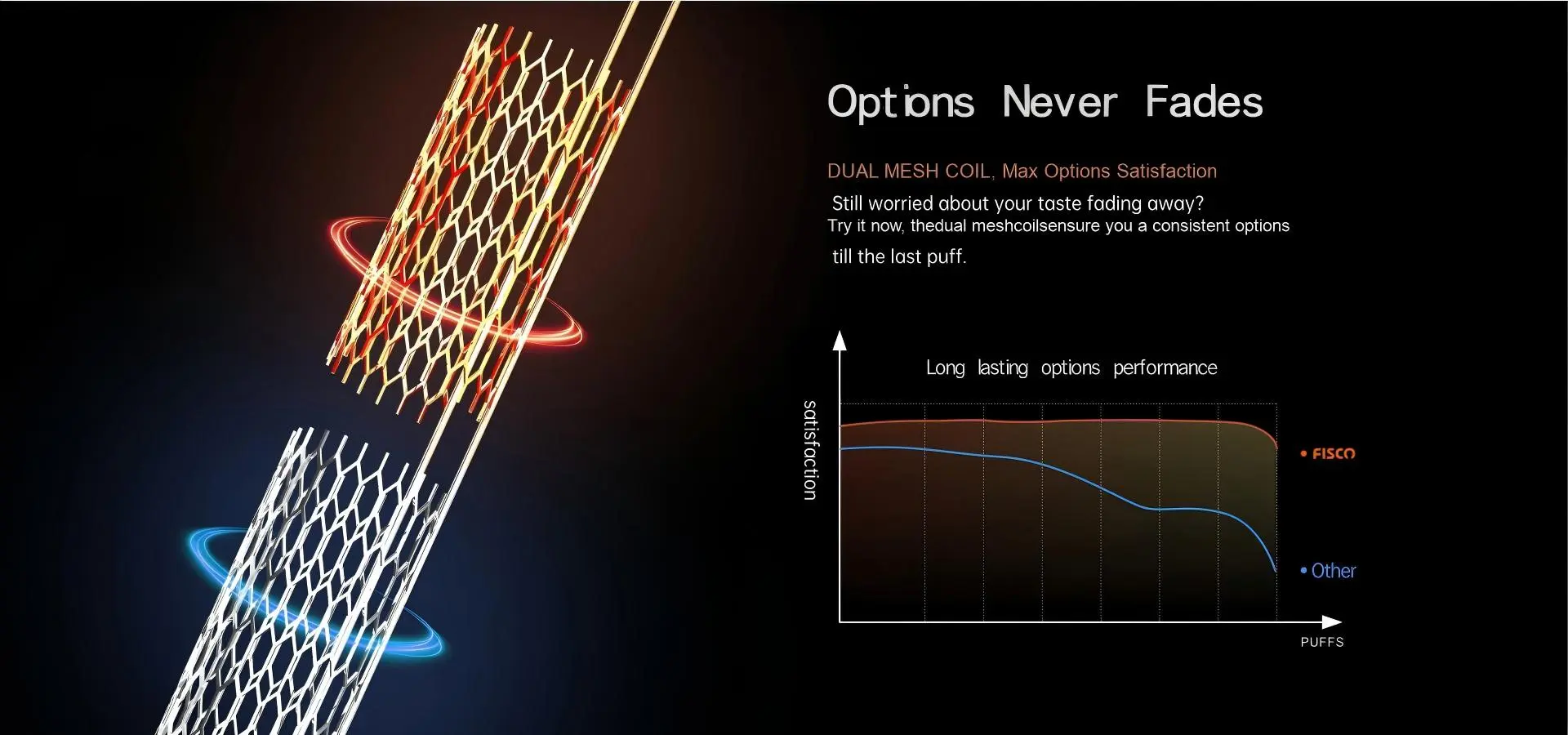
The FISCO Mix Bar 12000 employs a dual mesh heating configuration — a design that uses two mesh surfaces rather than a single perforated sheet. The functional advantage of a dual mesh system over a single mesh is increased total surface area for contact with the consumable material, which allows for more efficient heat transfer at lower temperatures per unit area. This is particularly relevant for a device with selectable power modes: in Turbo mode, the dual mesh configuration can sustain higher output without developing the hotspots that would degrade the consumable material in a lesser heating architecture.
For a two-component fruit fusion where both components share a common ester foundation — methyl butanoate, ethyl butanoate — but diverge in their secondary volatile fractions (furaneol and other furanones for strawberry; hexanal, (E)-2-hexenal, and other aldehydes for kiwi), the dual mesh configuration provides a specific thermal management benefit: managing the differential volatility between the shared ester fraction, the strawberry-specific furaneol fraction, and the kiwi-specific aldehyde fraction.
The shared ester fraction — methyl butanoate (molecular weight 102.13 g/mol), ethyl butanoate (molecular weight 116.16 g/mol) — is moderately volatile, with vaporization temperatures in the mid-range of the consumable material’s thermal spectrum. The strawberry-specific furaneol (molecular weight 128.13 g/mol) is less volatile than the ester fraction but more volatile than many heavier lactones. The kiwi-specific aldehydes — hexanal (molecular weight 100.16 g/mol), (E)-2-hexenal (molecular weight 98.14 g/mol) — are highly volatile, with vaporization temperatures lower than the ester fraction.
In a heating system with uneven temperature distribution, these differential volatilities become a practical problem. The kiwi aldehydes — hexanal, (E)-2-hexenal — are the most volatile compounds in the profile and are consumed disproportionately early in the device’s life from the hottest contact points. The shared ester fraction vaporizes next, maintaining the fruity body of the profile. The furaneol, being the least volatile of the key compounds, requires sustained, moderate heat to fully express. The user experiences a device that starts with a balanced strawberry-kiwi fusion — sweet esters, tangy aldehydes, and deep furaneol — and gradually becomes less tangy and more sweet-fruity as the kiwi aldehydes are consumed. What began as a balanced sweet-tangy fusion becomes, in effect, a predominantly strawberry profile after several thousand activations.
A dual mesh configuration, by distributing the thermal load across two elements and reducing peak temperatures at any single contact point, allows the kiwi aldehydes, the shared ester fraction, and the strawberry furaneol to vaporize in closer to their intended proportions across more of the device’s operational life. The balanced Strawberry Kiwi character — sweet strawberry esters on the inhale, tangy kiwi aldehydes in the mid-range, clean finish — is preserved for longer relative to what a less thermally stable design would achieve.
The original product page claims that “dual mesh coil technology ensures each draw is smooth and consistent”. When interpreted through an engineering lens, this refers to the dual mesh configuration’s ability to sustain even heat distribution across thousands of activations, which in turn preserves the volatile compound fractions of both the strawberry and kiwi components that define the profile’s characteristic sweet-tangy balance. This is a directional claim — the dual mesh architecture extends the period of consistency — rather than an absolute one.
The dual mesh configuration also addresses a secondary concern specific to the shared-ester architecture of the Strawberry Kiwi profile. Because both fruits rely on methyl butanoate and ethyl butanoate as primary aroma carriers, any thermal degradation of the ester fraction affects both components simultaneously — there is no “backup” fruit character that operates through a different compound family. This places a premium on the heating assembly’s ability to maintain consistent, moderate temperatures that vaporize the esters cleanly without driving them past their degradation threshold.
Dual-Mode Operation: Norm and Turbo — Specific Considerations for Strawberry-Kiwi
The dual-mode selector is the defining user-facing feature of the FISCO Mix Bar 12000 series. In Norm mode, the device operates at a lower power output — designed for balanced, consistent output — and is rated for up to 12,000 activations. In Turbo mode, the device increases power output for intensified performance, with the rated activation count reduced to 8,000.
This trade-off between output intensity and operational lifespan is a straightforward engineering reality: higher power consumption per activation depletes both the power source and the consumable reservoir faster. The specifications for the Strawberry Kiwi variant (12,000 Norm / 8,000 Turbo) are consistent with the Peach, Crystal Grape, Pineapple, Watermelon, Orange Soda, Cool Mint, and Strawberry Watermelon variants in the same series, while the Cherry Cola variant lists higher figures (16,000 Norm / 12,000 Turbo).
There is a specific consideration for the Strawberry Kiwi profile in relation to dual-mode operation that is more consequential than for single-note fruit profiles. Because the kiwi aldehyde fraction — hexanal, (E)-2-hexenal — is significantly more volatile than the shared ester fraction and the strawberry furaneol, Turbo mode — which increases power output and consequently heating element temperature — may alter the strawberry-kiwi balance in each activation. Higher temperatures accelerate the vaporization of the kiwi aldehydes relative to the heavier ester and furaneol fractions, potentially producing a draw that is more intensely kiwi-tangy on the inhale but less balanced overall — the green, grassy kiwi notes may dominate, and the sweet strawberry body may recede.
Users who prefer the brightest, most kiwi-forward expression of the Strawberry Kiwi profile may appreciate this effect. Users who prefer a balanced fusion — where the sweet strawberry and the tangy kiwi are in equilibrium — may find that Norm mode better preserves this balance across extended sessions. This is not a defect; it is a consequence of the profile’s multi-component volatile architecture interacting with higher thermal input.
Breathing Pulse LED Indicator: Status Transparency
The integrated breathing pulse LED provides real-time visual feedback on two parameters: remaining power source charge and remaining reservoir level. The LED uses a colour-coded system to communicate status at a glance, eliminating the guesswork that characterises devices without status indicators.
The practical value of an integrated status indicator is substantial for a high-capacity rechargeable device. Without such an indicator, the user operates blind — unable to distinguish between “the device needs recharging” and “the reservoir is nearly empty” until the device stops producing output. The breathing pulse LED resolves this ambiguity by providing separate, continuous feedback on both parameters.
Energy Management and the Rechargeable Architecture
The FISCO Mix Bar 12000 is built around a rechargeable 750mAh power source with Type-C fast charging — a fundamentally different architecture from the non-rechargeable design of the WALA POP 10000. This architecture introduces both capabilities and responsibilities that the sealed-unit design does not.
The capability is clear: the user can recharge the device multiple times across its operational life, extending its useful duration and reducing the frequency of complete device replacement. The Type-C port allows for compatibility with widely available charging cables and supports faster recharge times than older micro-USB standards.
The responsibility is equally clear: the user must manage the charging cycle, must have access to a compatible charging setup, and must protect the charging port from environmental contaminants (pocket lint, dust, moisture) that can accumulate over weeks of daily carry and eventually compromise the electrical connection.
The 750mAh figure describes the total electrical charge the power source can deliver per full charge cycle. The power source is designed to be recharged multiple times across the device’s operational life. Actual duration per charge varies with usage mode (Norm vs. Turbo), activation frequency, and activation duration.
Physical Construction and Material Selection
The device body uses PCTG and high-strength aluminium alloy — the same material combination found in the WALA POP 10000 and ALIBARBAR INGOT series. PCTG is selected for its chemical resistance, impact durability, and absence of bisphenol A (BPA). The aluminium alloy provides structural rigidity.
At 47 × 101 × 23mm, the device is notably taller than the WALA POP 10000 (47 × 22 × 100mm). This elongated profile accommodates the additional components: the 750mAh rechargeable power source, the dual mesh heating assembly, the mode selector switch, the Type-C charging port, the breathing pulse LED and its control circuitry, and the larger 23ml reservoir (compared to the WALA POP 10000’s 15ml).
The original page describes the design as “sleek and pocket-friendly” and “perfectly shaped for your hand and on-the-go use”. These are marketing characterisations. What can be stated factually is that the device’s dimensions place it in the mid-to-large size range for portable electronic devices in this category — larger than sealed single-use units, comparable to other rechargeable smart devices in its class, and capable of fitting in a standard pocket while being more noticeable in terms of both weight and outline than a compact sealed unit.
The mouthpiece is contoured for prolonged contact — consistent with the ergonomic approach across the product families available at OZVAPE Shop. The draw-activated mechanism requires no button for activation; the mode selector is a separate control that adjusts output intensity rather than functioning as a power switch. The user removes the device from its packaging, selects the desired mode, and inhales to activate.
Usage Patterns and Suitability
The FISCO Mix Bar 12000 Strawberry Kiwi is suited to users who prefer a two-component fruit fusion where the structural dynamic is built on harmonic variation — two fruits that share a common ester foundation but diverge in their secondary volatile fractions, producing a sweet-tangy interplay that is smoother and more integrated than the sharp contrast of a cross-category fusion.
The Strawberry Kiwi profile occupies a specific position within the FISCO Mix Bar 12000 range. It is one of two two-component fruit fusions in the series (alongside Strawberry Watermelon), and it is the only one where the two fruits share a common ester foundation. Users who have tried the Strawberry Watermelon variant and found the watermelon component too light or the contrast between dense strawberry and ethereal watermelon too dramatic may find the Strawberry Kiwi’s harmonic ester-aldehyde interplay a more balanced alternative. Users who have tried single-note strawberry or kiwi profiles and found them insufficiently complex may find the fusion format provides the structural depth that the single-note versions lack.
The rechargeable architecture makes the device suitable for users who have consistent access to charging infrastructure and who are comfortable managing a charging routine. Users who do not want to manage charging — who prefer a device that can be used immediately from packaging and discarded when depleted — should consider the non-rechargeable alternatives available at OZVAPE Shop, such as the Kiwi Pineapple variant in the WALA POP 10000 series.
The dual-mode selector provides flexibility for users who want to calibrate the device’s output to different contexts. Given the Strawberry Kiwi profile’s multi-component volatile architecture — with the kiwi aldehyde fraction being significantly more volatile than the strawberry ester and furaneol fractions — Norm mode may better preserve the balanced sweet-tangy character across extended sessions, while Turbo mode may produce a more kiwi-forward draw that some users prefer for shorter sessions.
Users who prefer a kiwi-based fruit fusion in a non-rechargeable format may wish to compare against the Kiwi Pineapple variant in the WALA POP 10000 series. Users who prefer a strawberry-based fusion with a different secondary fruit may wish to compare against the Strawberry Raspberry or Strawberry Watermelon variants. Users who prefer a single-note fruit profile may wish to compare against the Peach or Pineapple variants in the FISCO Mix Bar 12000 series.
Sourcing and Traceability
FISCO Mix Bar devices supplied through OZVAPE Shop are obtained through authorised distribution channels with batch-level traceability documentation. This sourcing discipline is the primary mechanism by which users can distinguish factory-certified units from non-authorised inventory. A device purchased from a documented channel carries a verifiable chain of custody from the manufacturing facility to the point of sale; a device from an unknown channel carries no such assurance, and its internal components, material quality, and safety testing cannot be independently verified.
OZVAPE Shop maintains receiving protocols designed to verify packaging integrity and batch-code consistency before inventory reaches users. These protocols include visual inspection of outer packaging for tampering, verification of batch codes against shipment documentation, and periodic sampling to confirm that on-hand inventory matches the specifications published on the product page. Units that do not pass these checks are quarantined and returned to the distributor. This process operates in the background of every fulfilled order and represents a significant operational investment in the reliability of what reaches the end user.
Now available, the Fisco Max Bar combines sleek design, high-Capacity functionality, and diverse options profiles for an unbeatable all-in-one experience.
🌟 Key Features
-
Up to 12,000 Draws: Designed for longevity, enjoy thousands of smooth draws without constant replacement.
-
750mAh Rechargeable Battery: High-Capacity battery ensures consistent performance with quick Type-C charging.
-
Advanced Dual Mesh Coil System: Innovative coil technology for enhanced output and smoother vapor delivery.
-
Two Performance Modes:
-
Norm Mode: Up to 12,000 puffs for extended, balanced output.
-
Turbo Mode: Up to 8,000 puffs with intensified performance for fuller draws.
-
-
Breath-Pulse LED Indicator: Monitor battery and Capacity levels at a glance with a dynamic, color-coded LED system.
-
Compact Ergonomic Design: Sleek and pocket-friendly (47×101×23mm), perfectly shaped for your hand and on-the-go use.
🌈 Options Profiles
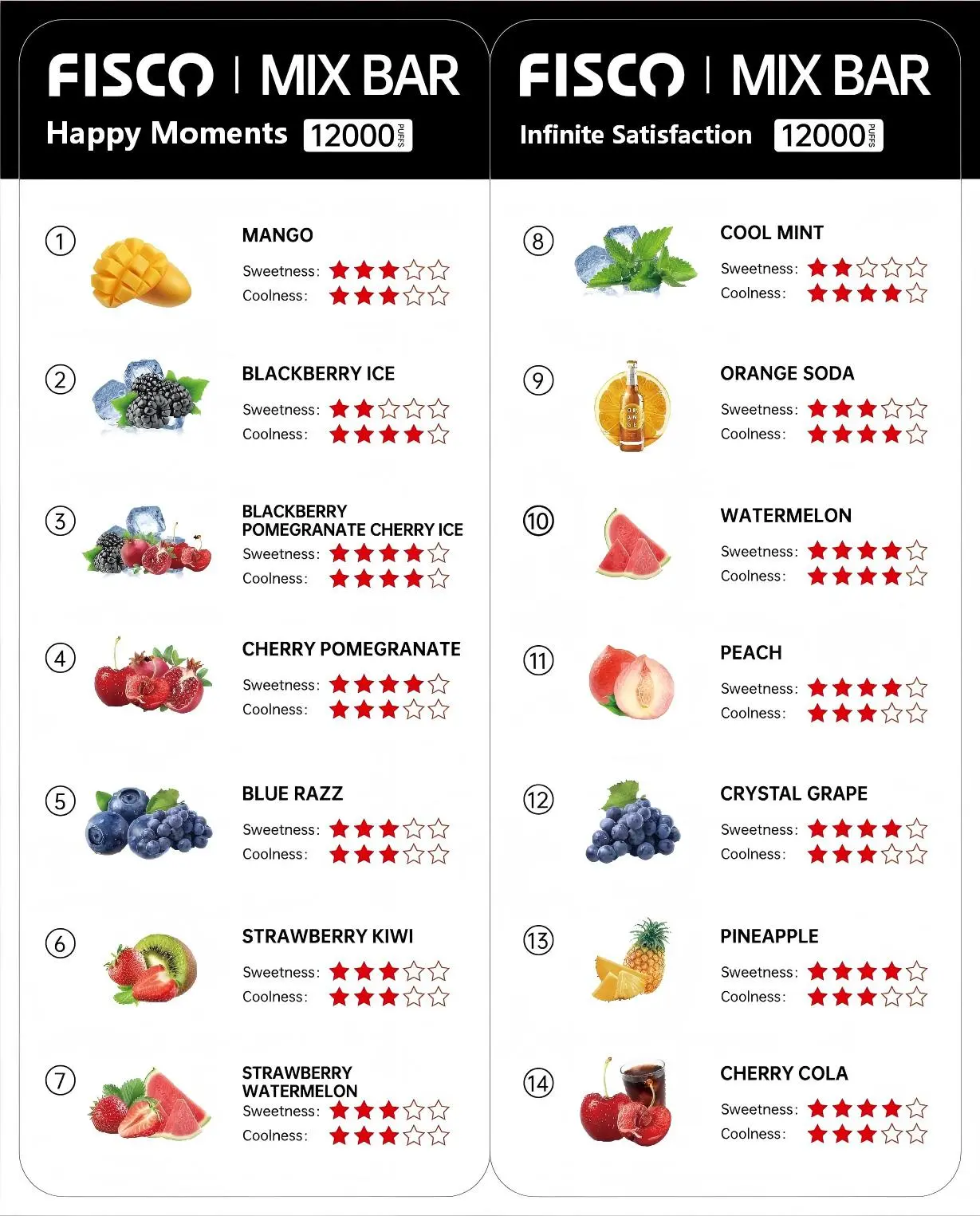
Explore a diverse range of carefully developed options designed for smooth delivery and bold expression.
| Options Name | Description |
|---|---|
| Aloe Grape | A refreshing fusion of aloe and grapes |
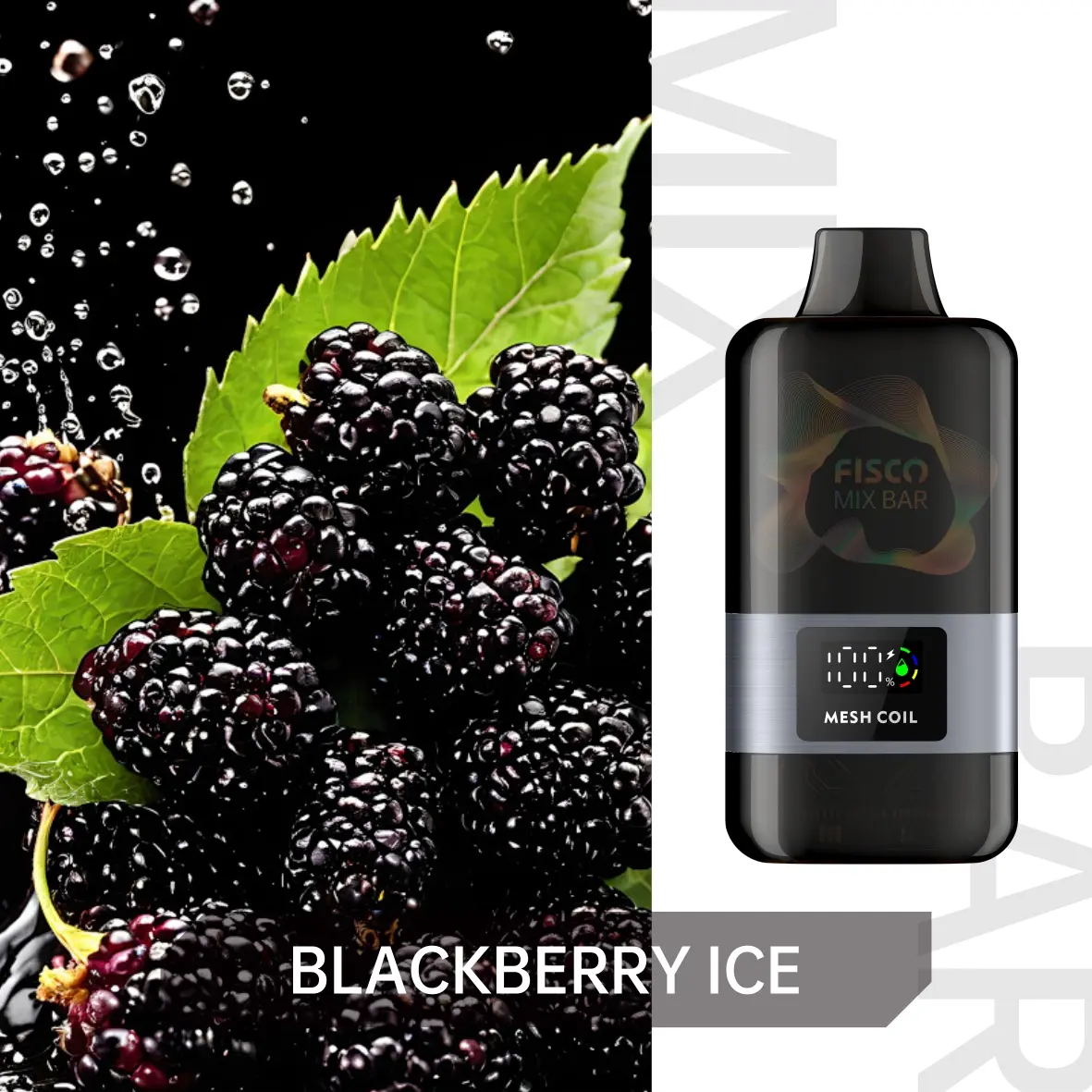
| Blackberry Ice | Ripe berries with a cool finish |
| Blackberry Pomegranate Cherry Ice | A complex trio topped with a cool sensation |
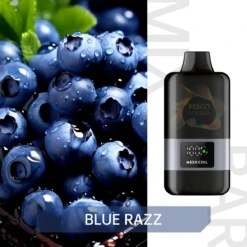
| Blue Razz | Vibrant, tangy blue raspberry |
| Cherry Pomegranate | Sweet and tart in perfect harmony |
| Cool Mint | Crisp, invigorating mint |
| Lemon Mint | Zesty citrus blended with a cooling twist |
| Mango Shisha | Exotic mango with a smooth, aromatic base |
| Mint Shisha | Cool mint with rich, refined undertones |
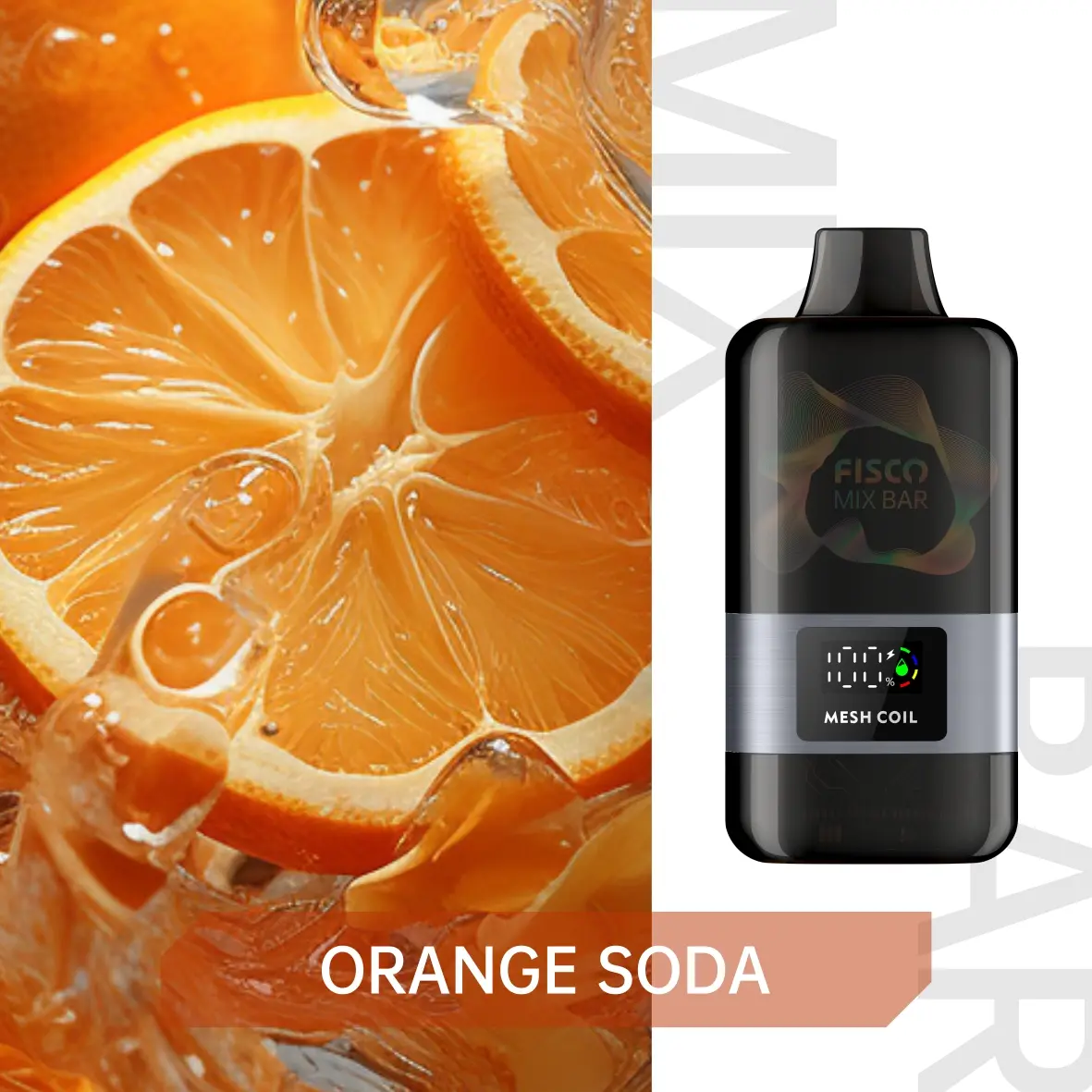
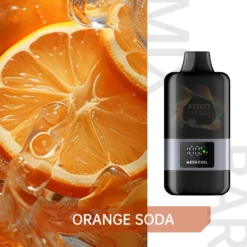
| Orange Soda | Classic fizzy citrus |
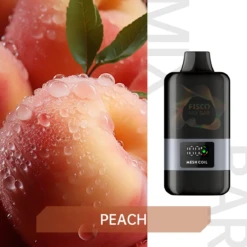
| Peach | Crisp and sun-kissed |
| Pineapple Coconut | Tropical paradise in every draw |
| Strawberry Kiwi | Sweet meets tangy in a fruity blend |
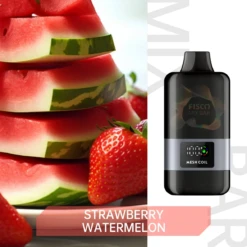
| Strawberry Watermelon | Fresh, fruit fusion |
| Watermelon | Refreshingly crisp and cool |
✅ Why Choose FISCO Mix Bar 12000 STRAWBERRY KIWI?
-
Extended Use: High-Capacity design offers more usage per unit than standard disposables.
-
Economical: Fewer replacements mean better value over time—ideal for regular users.
-
Options & Consistency: Dual mesh coil technology ensures each draw is smooth and consistent.
-
Smart Features: LED indicators, dual performance modes, and fast charging make this device both intelligent and user-friendly.
-
Ready for Retail & Wholesale: A perfect choice for businesses looking to stock quality, high-demand devices.
A Premium Vaping Solution
We offer the FISCO Mix Bar 12000 STRAWBERRY KIWI Rechargeable Disposable Vape, making it easy for you to enjoy a top-tier vaping experience. Whether you’re a frequent vaper, a business seeking wholesale options, or new to vaping, the Fisco Max Bar delivers everything you need: convenience, performance, and unparalleled options satisfaction.
⚠️ Purchase Age Policy
To comply with legal regulations, we strictly do not accept orders from individuals under the age of 21. We reserve the right to request valid identification at any point during the ordering process to verify the purchaser’s age. This policy is in place to protect minors and ensure responsible sales practices.
Take your vaping experience to new heights with the Fisco Max Bar 12000 Puffs. Get yours today and enjoy the future of disposable vapes now!
Be the first to review “FISCO Mix Bar 12000 STRAWBERRY KIWI”
- Credit card transactions processed through Stripe (Mastercard or Visa)
- Google Pay, Apple Pay,...
- Buy now, pay later options: Klarna, Zip Pay,...
- Bank transfer
Related products

Disposable Vapes

Disposable Vapes
Disposable Vapes
Disposable Vapes


Disposable Vapes
Disposable Vapes

Disposable Vapes
Disposable Vapes
Reviews
There are no reviews yet.