


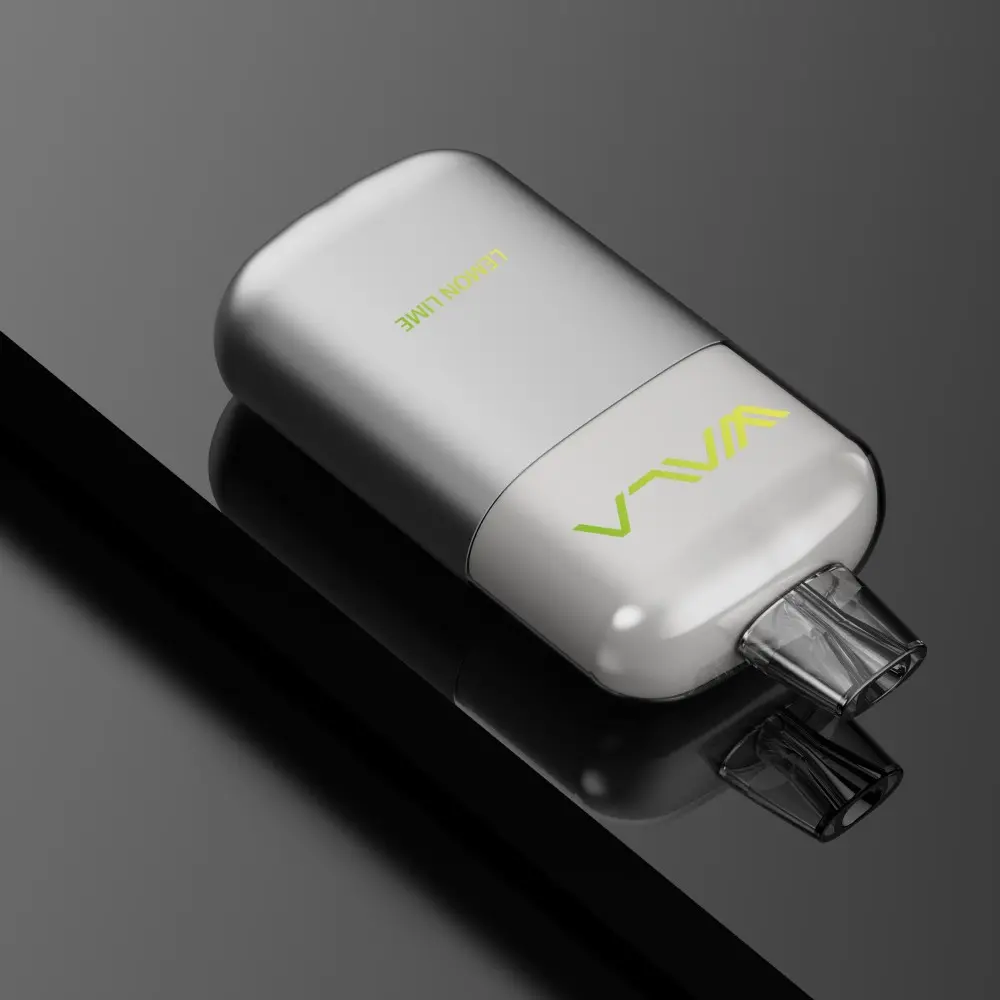

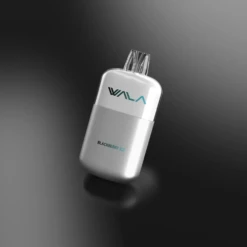
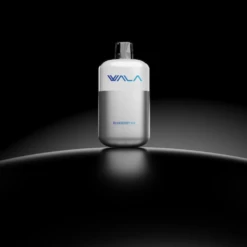
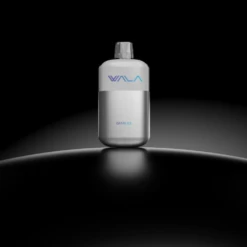
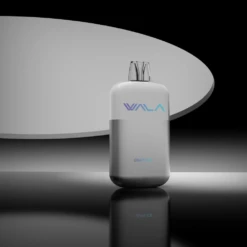
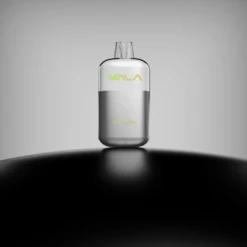


WALA POP 10000 Hay Fever
Original price was: $69.99.$39.99Current price is: $39.99.
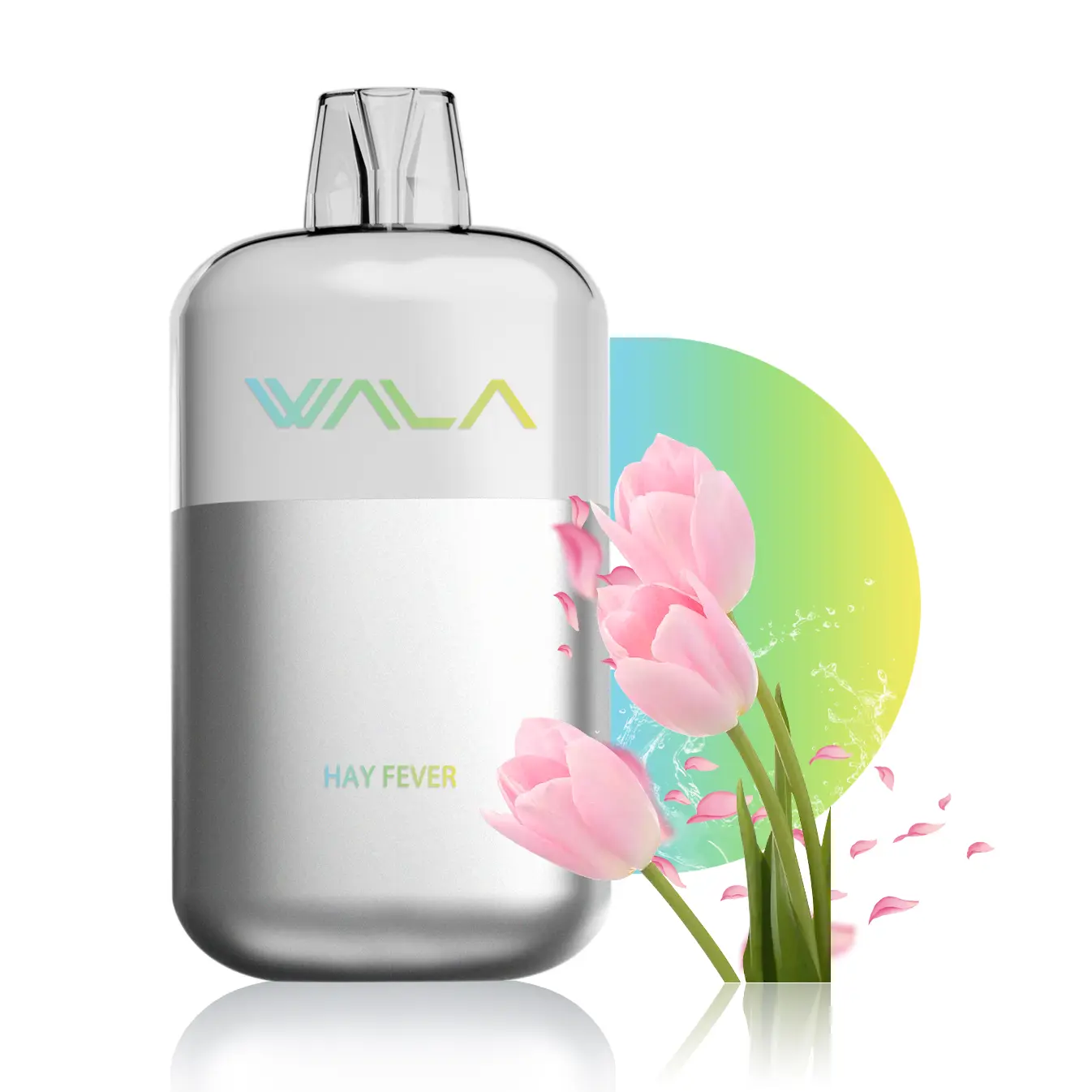
The WALA POP 10000 Hay Fever is a non-rechargeable, pre-configured portable device engineered as a sealed, single-use unit. Its integrated mesh heating assembly and 2000mAh power source are calibrated to sustain the full 10,000-activation rated operational life. The Hay Fever variant is described by the manufacturer as a complex, botanical profile with layered aromatic notes that do not fit neatly into standard fruit or cooling categories. PCTG-aluminium alloy body with gradient finish, draw-activated mechanism, operational immediately upon unboxing.
Product Parameters
| Feature | Specification |
|---|---|
| Brand | WALA VAPE |
| Series | POP Series |
| Option | Hay Fever (Signature Blend) |
| Puff Capacity | 10,000 Puffs |
| E-Capacity Capacity | 15ml |
| Battery | 2000mAh (Built-in) |
| Coil Type | Advanced Mesh Coil |
| Activation | Draw-activated |
- 100% Authentic
- Shipment From Local Warehouse
- 21+ Only
MOQ 100 pcs · Factory-direct pricing · Reply within 24h


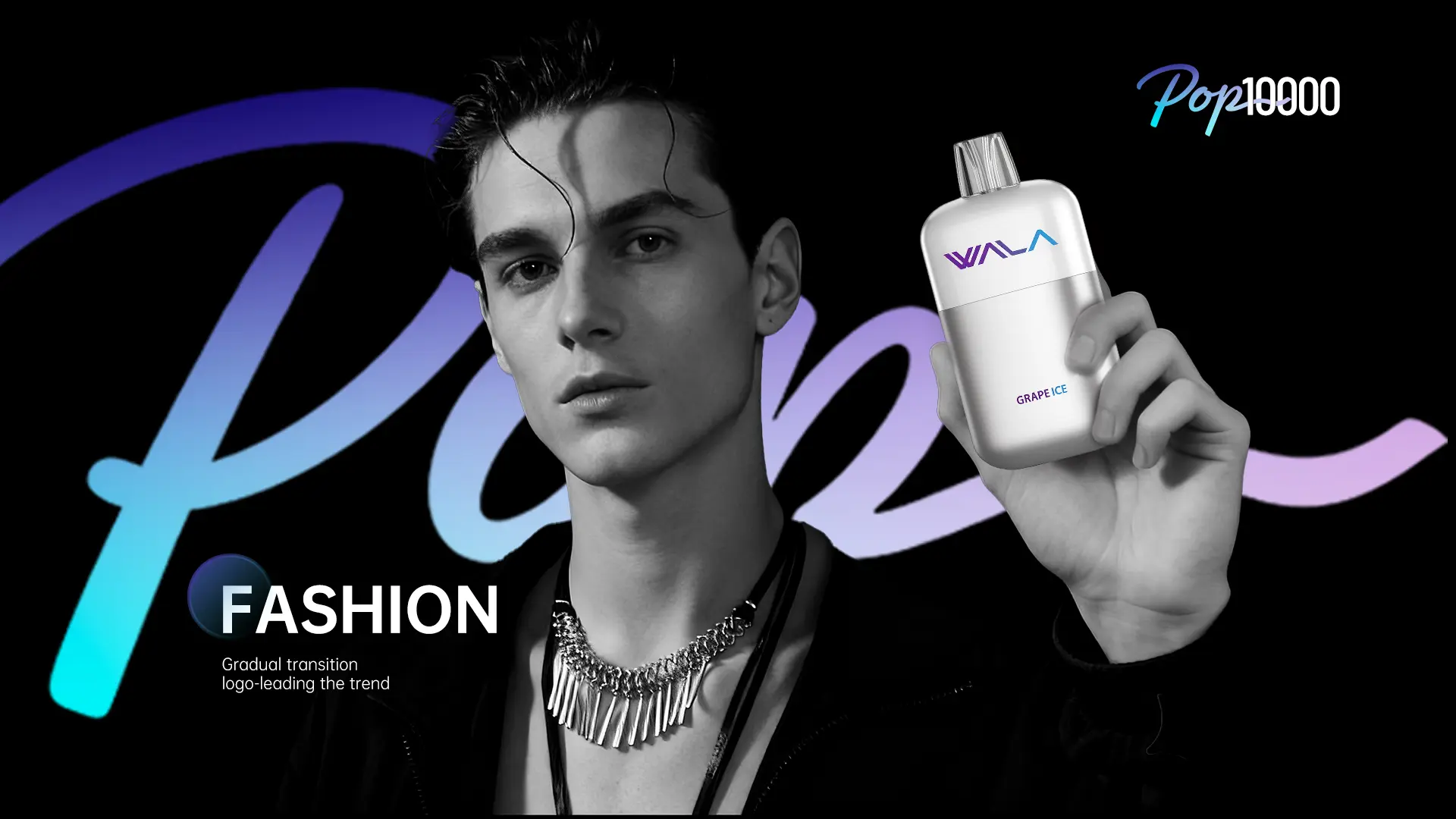


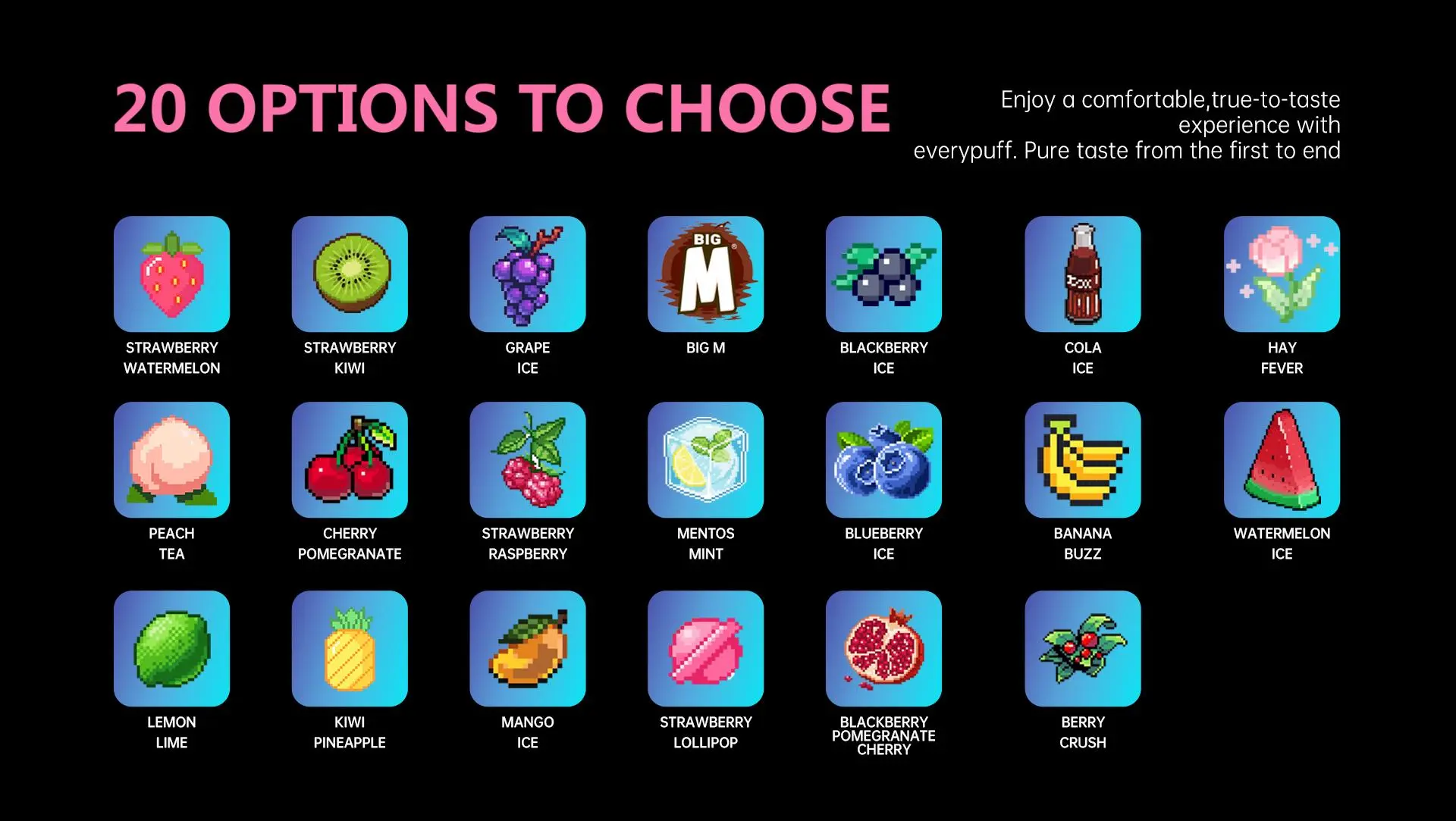
Hay Fever WALA POP Series 10000 Puffs: The Signature Australian Mystery Blend
WALA POP 10000 Hay Fever is a pre-configured, non-rechargeable portable device within the WALA POP 10000 series, engineered as a sealed single-use unit that requires no external charging, no component replacement, and no ongoing maintenance. The Hay Fever variant occupies a structurally distinct position within the POP 10000 product family — where other variants in the series anchor their identity in identifiable fruit profiles (Mango Ice, Watermelon Ice, Berry Crush, Strawberry Kiwi) or confectionery-inspired compositions (Strawberry Lollipop), Hay Fever is constructed around a multi-layered botanical composition that the manufacturer describes as a “mystery blend” — a profile designed to resist easy categorisation into any single sensory category.
The name “Hay Fever” is a product identifier, not a literal descriptor. It does not refer to the medical condition (allergic rhinitis), nor does it imply any therapeutic property. It is a branding designation chosen to evoke the outdoor, botanical character of the profile — a naming convention that distinguishes this variant within the WALA POP 10000 lineup in the same way that “Banana Buzz” or “Berry Crush” identify their respective configurations.
Profile Architecture: A Multi-Layered Botanical Composition
The Hay Fever profile is the most compositionally complex variant in the WALA POP 10000 range. Where a standard fruit profile like Mango Ice operates within a two-component structure (fruit note + cooling finish), Hay Fever is built around multiple aromatic layers that are intended to be perceived sequentially rather than simultaneously. The manufacturer describes the composition as incorporating botanical notes, a garden-fresh character, and an underlying sweetness that sits beneath the more prominent aromatic elements.
The sensory architecture is designed to evolve across activations rather than presenting identically each time. This is achieved through the use of volatile aromatic components with different vaporization thresholds — lighter, more volatile notes present first, while denser, less volatile components become perceptible as the heating assembly reaches its full operating temperature during longer activations. A user who takes shorter activations may perceive primarily the brighter, more herbaceous aspects of the profile. A user who takes longer activations will experience the fuller progression, including the deeper botanical notes and the underlying sweetness that provides structural balance.
This design choice carries a specific consequence: the Hay Fever profile does not offer the immediate, stable recognisability of a single-note fruit profile. A user who activates a Mango Ice device knows what to expect on every activation. A user who activates a Hay Fever device may perceive a slightly different emphasis from one session to the next, depending on activation duration, ambient temperature, and where the device is in its operational lifespan. For some users, this variability is the primary appeal — the device rewards attention rather than delivering a fixed experience. For others, it may be disorienting. Neither response is incorrect; they reflect different user expectations about what a device should provide.
The “mystery blend” designation should be understood in this context. It is not a claim of secrecy for its own sake, but a signal that the profile does not conform to the standard naming conventions based on recognisable fruit or confectionery references. Users who approach Hay Fever expecting a clearly identifiable primary note — “this is a floral profile” or “this is an herbal profile” — may be frustrated by its resistance to categorisation. Users who approach it with the understanding that the profile is designed to be exploratory rather than declarative are more likely to find the experience aligns with the manufacturer’s intent.
Heating Assembly: Mesh Configuration and Multi-Layered Profile Preservation
The WALA POP 10000 employs a mesh heating configuration. In a mesh system, the heating surface is a perforated metal sheet — analogous to a fine screen — rather than a conventional single-strand wire coil. The functional advantage is a larger, more uniform heating surface, which distributes thermal energy more evenly across the material being heated and reduces the incidence of localised hotspots.
This thermal architecture has particular relevance for a multi-layered profile like Hay Fever. The manufacturer’s description notes that “traditional coils can often mute subtle botanical notes” — a claim that has a sound engineering basis. In a conventional single-strand heating element, the uneven temperature distribution means that different portions of the consumable material are heated to different temperatures simultaneously. Volatile aromatic components with lower vaporization thresholds are consumed disproportionately early in the device’s life, while denser components may never fully vaporize at all. The result is a profile that starts complex and becomes progressively simpler — the botanical notes fade, leaving only the heavier, sweeter base.
A mesh configuration mitigates this by spreading the thermal load across a wider surface area, reducing the temperature differential between the hottest and coolest points on the heating surface. This more even heating allows the different aromatic components in a complex profile like Hay Fever to vaporize in closer to their intended proportions, preserving the multi-layered character of the composition across more of the device’s operational life. The manufacturer’s claim that “your 10,000th puff will be just as intriguing” as the first is an overstatement — no profile remains entirely unchanged across 10,000 thermal cycles — but the mesh architecture does extend the period during which the profile’s complexity remains perceptible relative to what a less thermally stable design would achieve.
The heating assembly is non-replaceable and non-serviceable, consistent with the sealed-unit design of the WALA POP 10000 series. The mesh element is manufactured to the same specifications as those used in other WALA POP 10000 variants, and the thermal calibration is standardised across the series. There is no profile-specific tuning of the heating assembly for the Hay Fever variant; the same mesh configuration that heats a Mango Ice or Strawberry Kiwi device also heats Hay Fever. What differs is the composition of the consumable material, not the hardware that heats it.
Energy Management and the Non-Rechargeable Architecture
The WALA POP 10000 is built around a non-rechargeable power architecture. The integrated 2000mAh power source is calibrated to match the 15ml consumable reservoir, ensuring that neither component significantly outlasts the other. This calibration addresses a specific, commonly reported frustration: a power source that depletes before the consumable portion, stranding usable material inside a non-functional unit — representing both material waste and user dissatisfaction.
This design decision reflects a conscious engineering trade-off rather than a feature omission. A rechargeable architecture introduces multiple additional components — a charging port (typically USB-C), a charging circuit, and a power-management controller — each of which represents a potential failure point. The charging port can accumulate pocket lint, dust, or environmental moisture over weeks of daily carry, eventually compromising the electrical connection. The charging circuit can malfunction, rendering the device unable to accept a charge even when connected to a functional cable and power source. The user must remember to charge the device and must have access to a compatible charging setup when needed.
By eliminating these components, the WALA POP 10000 removes those failure modes entirely. The cost is equally clear: the device cannot be recharged once the power source is depleted, and the entire unit must be replaced. For users who prioritise predictable, maintenance-free operation — and who do not wish to carry charging cables, monitor battery levels, or troubleshoot charging failures — this trade-off may be preferable to the alternative. For users who value the ability to recharge and extend device life, a rechargeable architecture such as that found in the ALIBARBAR INGOT series would be more appropriate.
The 2000mAh figure describes the total electrical charge the power source can deliver over its entire discharge cycle. Actual duration varies with individual activation patterns. The 10,000-activation rating is the manufacturer’s estimate under standardised testing conditions, and variation around this figure is expected rather than abnormal. A user taking approximately 200 activations per day can expect the device to function for roughly 50 days. A user taking 400 activations per day may see approximately 25 days. Neither scenario indicates a product fault.
Physical Construction and Material Selection
The device body uses medical-grade PCTG (a glycol-modified polyester) and high-strength aluminium alloy. PCTG is selected for its chemical resistance, impact durability, and ability to maintain structural integrity across the temperature variations encountered during normal daily use. As a material, PCTG does not craze or crack under the mechanical stresses of pocket or bag storage, and it contains no bisphenol A (BPA), which is a consideration in applications involving prolonged skin contact. The aluminium alloy provides rigidity without adding excessive weight — the completed device weighs approximately 91.5 grams.
At 47mm × 22mm × 100mm, the device occupies the middle range of portability within the WALA POP 10000 series: compact enough to sit unobtrusively in a standard pocket, yet with sufficient internal volume to house the 2000mAh power source and 15ml reservoir without compromising structural integrity. The weight distribution is slightly bottom-biased due to the power source placement, which has the practical effect of stabilising the device when placed upright on a flat surface — reducing the likelihood of the device rolling or tipping during stationary use.
The exterior features a gradient finish consistent with the WALA POP 10000 design language. Unlike glossy finishes that accumulate visible fingerprint marking within days of handling, the POP 10000 surface treatment is designed to resist visible handling marks — a practical consideration for a device that will be held thousands of times over its operational life. The specific colour gradient of the Hay Fever variant differs from other WALA POP 10000 configurations, using tones that the manufacturer associates with the botanical character of the profile.
The mouthpiece is contoured for prolonged contact. This design detail becomes noticeable during extended sessions: a poorly contoured mouthpiece produces irritation at the contact point after repeated use, while a well-shaped one distributes contact pressure evenly and does not draw attention to itself. For a device rated at 10,000 activations — where a typical user will make mouthpiece contact 200 or more times daily for weeks — this ergonomic consideration directly affects comfort.
The draw-activated mechanism requires no button, no power cycling, and no priming sequence. The user removes the device from its packaging, and it is operational. This simplicity is a deliberate design decision that eliminates the learning curve, the risk of accidental activation in a pocket, and the mechanical failure point that a physical button would introduce.
Usage Patterns and Suitability
The Hay Fever variant is suited to users who have exhausted the standard fruit and cooling profiles in the WALA POP 10000 range and are seeking something structurally different — not merely a new primary note, but a profile that behaves differently across activations. The multi-layered botanical composition is designed for users who treat the sensory experience as an active element of device use rather than a background constant. Users who prefer a fixed, immediately recognisable character — where the tenth activation is identical to the hundredth — may find the Hay Fever’s variability distracting rather than engaging.
The sealed, non-rechargeable architecture makes the device suitable for scenarios where charging access is unavailable — extended travel, outdoor activity, or as a secondary device kept in reserve. The absence of a charging port eliminates an ingress point for environmental contaminants such as pocket lint, dust, or moisture, which is relevant for use in humid or dusty conditions.
Given the complexity of the profile, the Hay Fever variant may not be the most appropriate choice for users new to this product category. The profile’s resistance to easy categorisation — “what does it actually taste like?” — can be disorienting for someone still establishing their preferences. Users new to the WALA POP 10000 series may find a more clearly defined variant (such as Mango Ice or Watermelon Ice) a more accessible entry point, with Hay Fever serving as a subsequent exploration once baseline preferences are established.
The device is also suited to users who rotate between multiple devices with different profile types. A user who keeps a Mango Ice as a daily primary device and a Hay Fever as a secondary option for sessions where they want a more complex, variable experience is employing a usage pattern that aligns with the respective design intentions of each variant.
Sourcing and Traceability
WALA POP devices supplied through OZVAPE Shop are obtained through authorised distribution channels with batch-level traceability documentation. This sourcing discipline is the primary mechanism by which users can distinguish factory-certified units from non-authorised inventory. A device purchased from a documented channel carries a verifiable chain of custody from the manufacturing facility to the point of sale; a device from an unknown channel carries no such assurance, and its internal components, material quality, and safety testing cannot be independently verified.
OZVAPE Shop maintains receiving protocols designed to verify packaging integrity and batch-code consistency before inventory reaches users. These protocols include visual inspection of outer packaging for tampering, verification of batch codes against shipment documentation, and periodic sampling to confirm that on-hand inventory matches the specifications published on the product page. Units that do not pass these checks are quarantined and returned to the distributor. This process operates in the background of every fulfilled order and represents a significant operational investment in the reliability of what reaches the end user.
Be the first to review “WALA POP 10000 Hay Fever”
- Credit card transactions processed through Stripe (Mastercard or Visa)
- Google Pay, Apple Pay,...
- Buy now, pay later options: Klarna, Zip Pay,...
- Bank transfer
Related products

Disposable Vapes

Disposable Vapes
Disposable Vapes
Disposable Vapes
Disposable Vapes
Disposable Vapes

Disposable Vapes

Disposable Vapes
Reviews
There are no reviews yet.